DEGAS AT THE OPERA @ NGA
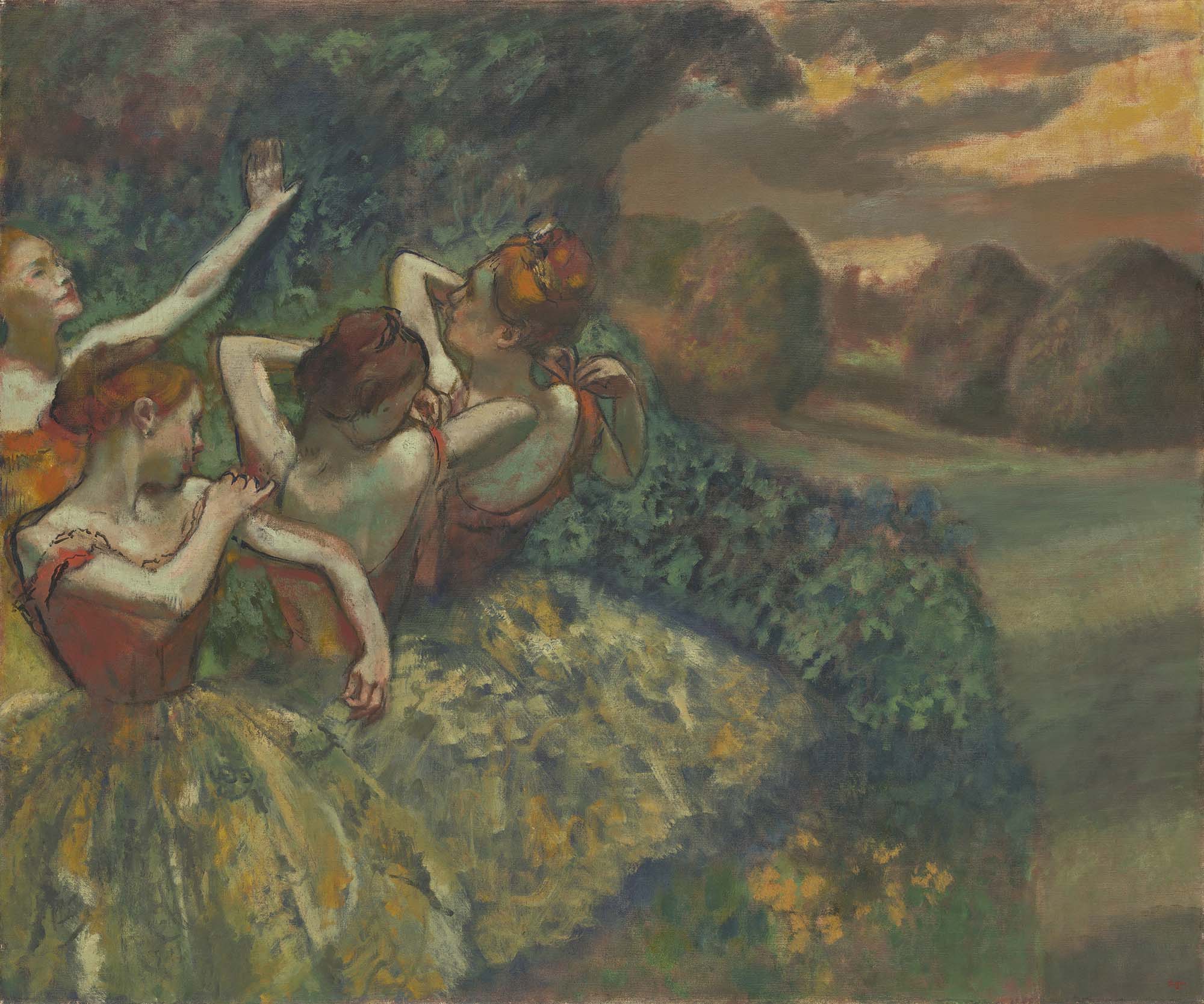
French artist Edgar Degas (1834 – 1917) may be most famous for his pastel drawings and oil paintings of ballerinas. But to celebrate the 350th anniversary of the Paris Opéra, the National Gallery of Art presents the first exhibition to focus on Degas’ works devoted to that theatrical art form. The crowd-pleasing show gathers 100 of the artist’s works, including paintings, pastels, drawings, prints, and sculpture, including his iconic Little Dancer Aged Fourteen. National Gallery of Art director Kaywin Feldman says that, “The Gallery has the world’s third largest collection of works by Degas, from which several of his key works depictions of the Paris Opéra will be on view in the show.”
March 1 – July 5 at the National Gallery of Art, West Building. Free.
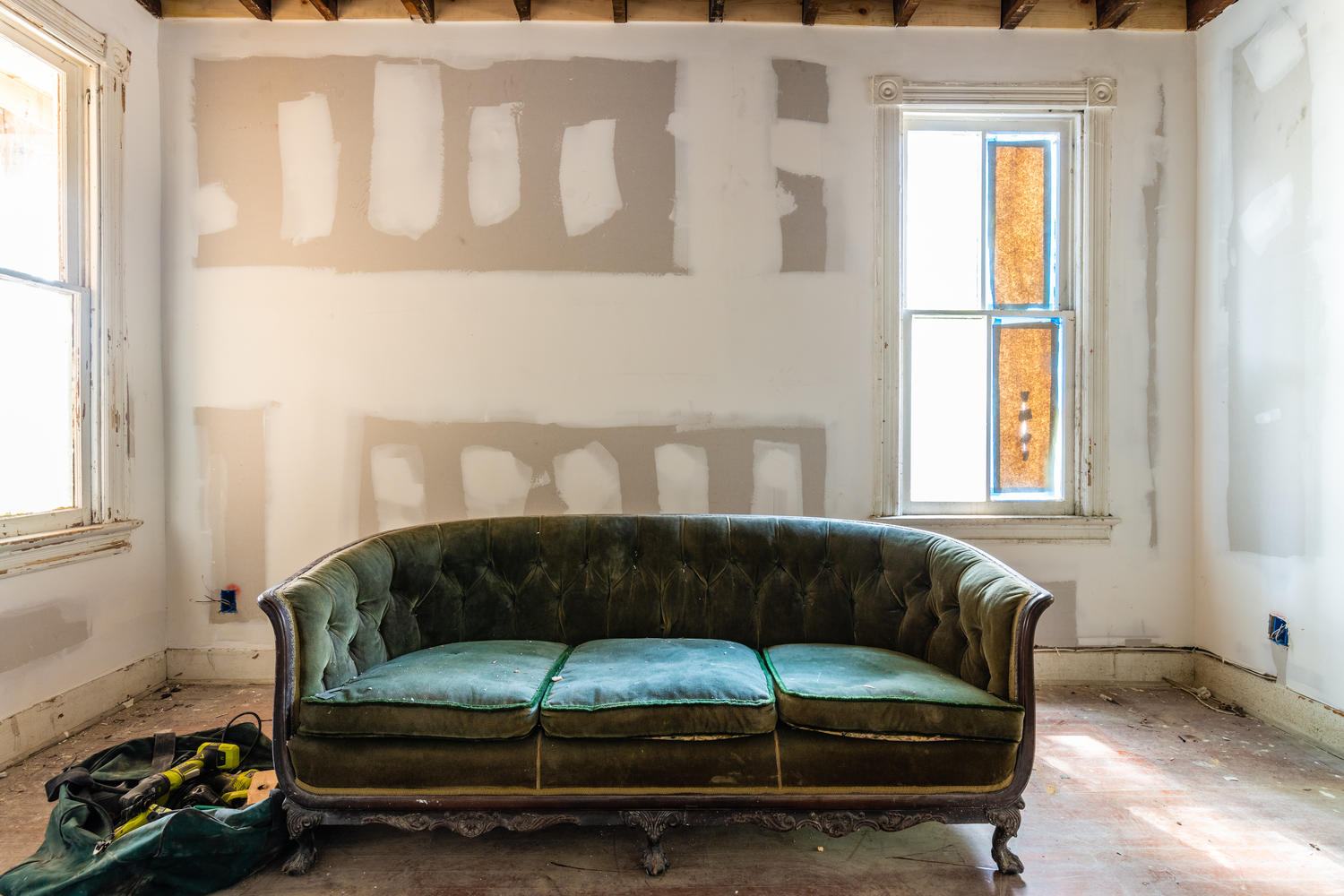
DOMINIC GREEN: PERCEPTION X AGENCY @NICHOLSON PROJECT
Dominic Green, and artist and filmmaker, is in residence at the Nicholson Project, a relatively new residency program in Southeast. He’ll show a series of photographs that examine “the perception and agency of black and brown bodies.” Green’s work will be on view until April 18, starting with an opening reception on March 7.
March 7-April 18 at the Nicholson Project (2310 Nicholson Street SE). Free
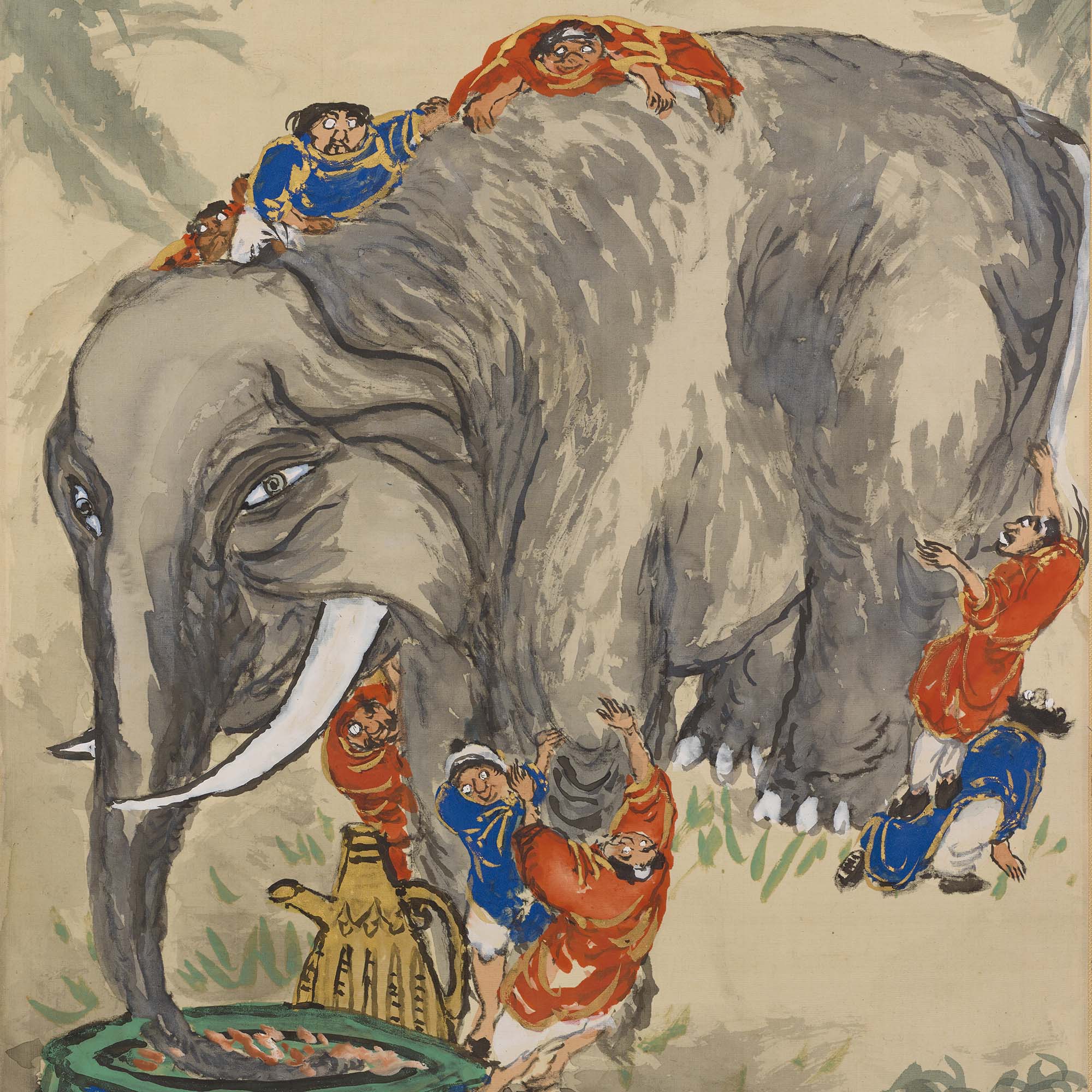
MEETING TESSAI: MODERN JAPANESE ART FROM THE COWLES COLLECTION @ NATIONAL MUSEUM OF ASIAN ART
One of the first Japanese artists to be shown in the U.S. in the aftermath of World War II (in an exhibition organized by the Smithsonian), Tomioka Tessai (1836-1924) took on traditional Japanese subjects with a distinctly modern approach. The Kyoto native, who was also a Shinto priest and scholar, studied ancient Japanese and Chinese art, but his own output, which numbered some 20,000 paintings, has been compared to European post-impressionism.
March 28–August 2 at the Sackler. Free.
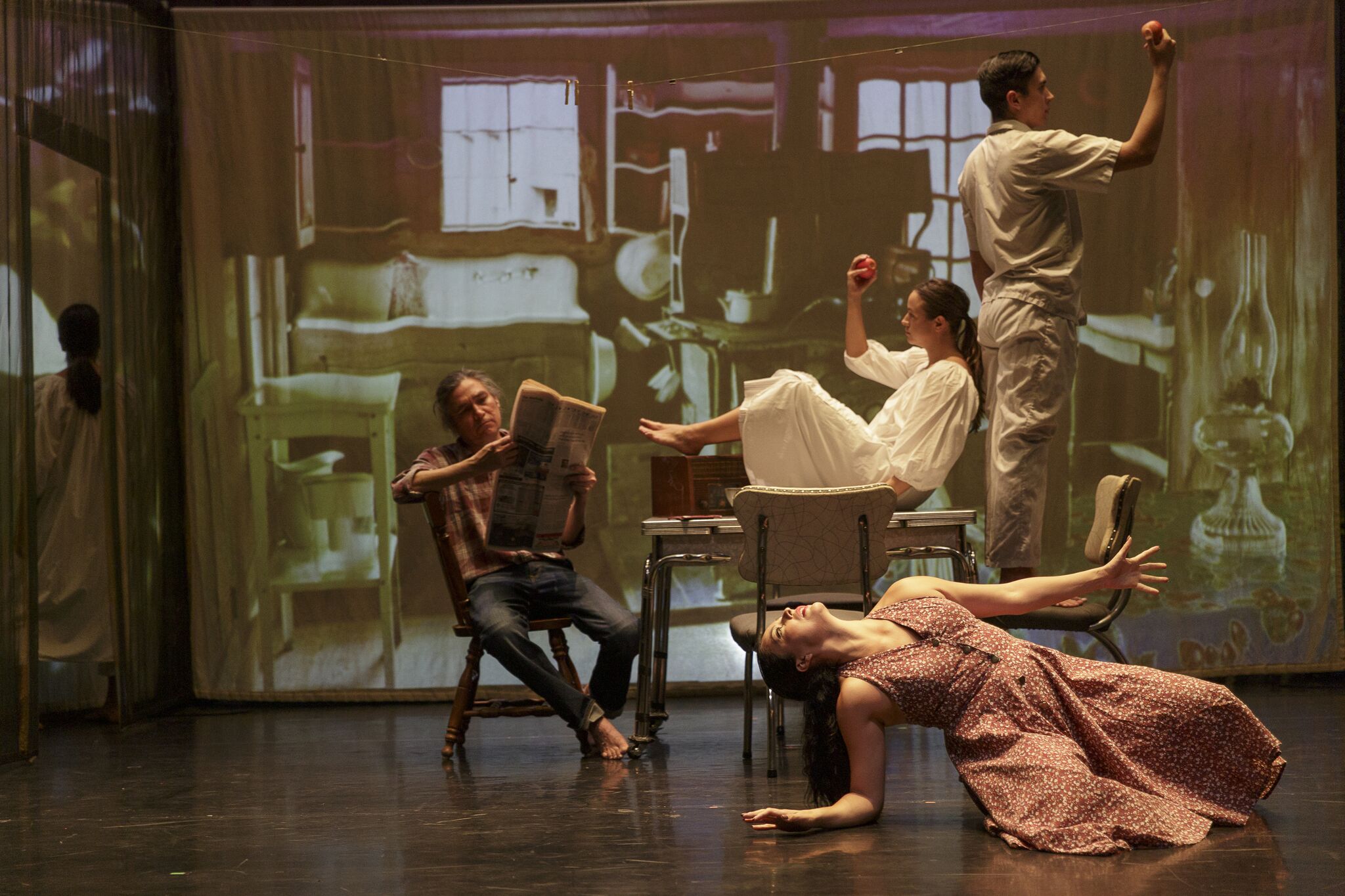
THE MUSH HOLE: TRUTH, ACKNOWLEDGEMENT, RESILIENCE @ NATIONAL MUSEUM OF THE AMERICAN INDIAN
As part of its Women History month events, the National Museum of the American Indian presents the Washington D.C., premiere of a dance and theater program from choreographer, director, and producer Santee Smith and the Kaha:wi Dance Theatre. Based on experiences at The Mohawk Institute (a.k.a. The Mush Hole), a boarding school for First Nations children in Ontario and Quebec, the piece “explores the devastating intergenerational impact of Canada’s Residential School system.”
March 14 at 2 p.m. at the National Museum of the American Indian, Rasmuson Theater. Free.
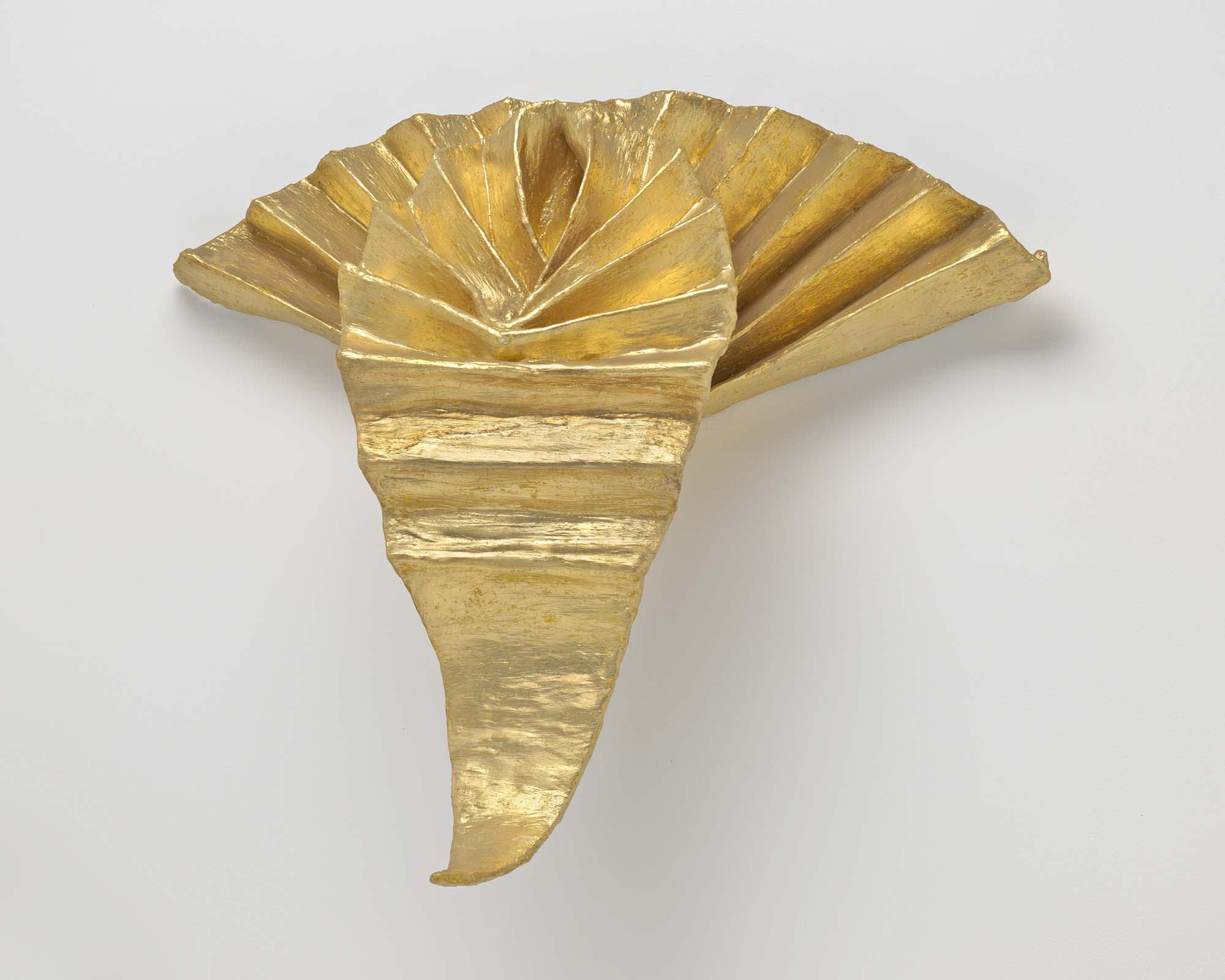
LYNDA BENGLIS @NGA
The Louisiana-born artist Lynda Benglis got her art training in New York in 1964, at the height of Abstract Expressionism. But as she explained at the time, “I wasn’t breaking away from painting but trying to redefine what it was.” This exhibition brings together 33 pieces including sculptures, paintings, drawings, prints, and videos. Made between 1966 and 2003, the works, “reveal how Benglis has forged new forms by constantly exploring different techniques, materials, and mediums.”
March 22, 2020 – January 24, 2021 East Building. Free.
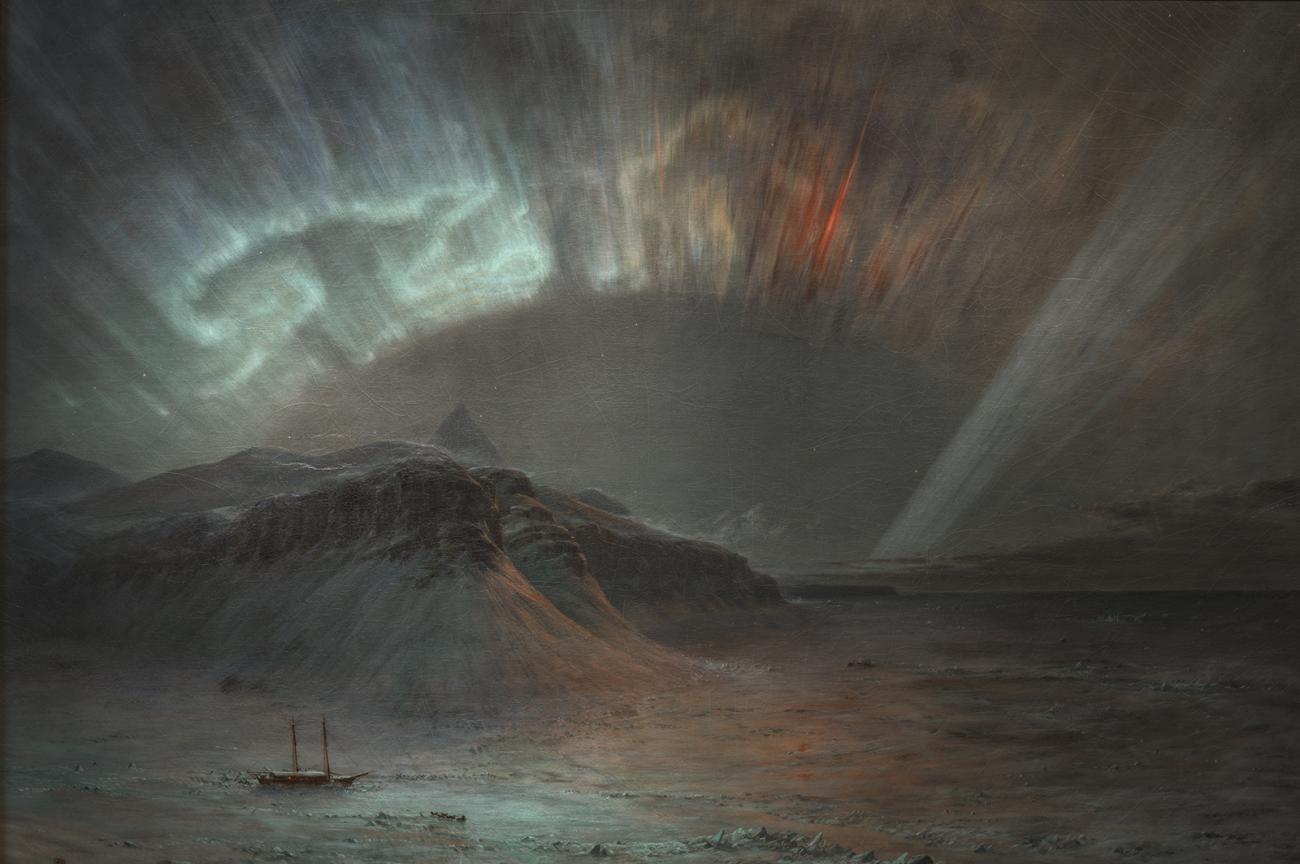
ALEXANDER VON HUMBOLDT @SMITHSONIAN AMERICAN ART MUSEUM
Born in the Kingdom of Prussia in 1769, Alexander von Humboldt was a polymath, geographer, naturalist, and explorer who published some three dozen books. In extensive travels that took him to four continents, he spent just six weeks in America, but in that time he exchanged ideas exchanges of ideas about the arts with such influential figures such as President Thomas Jefferson and artist Charles Wilson Peale, which “shaped American perceptions of nature and the way American cultural identity became grounded in our relationship with the environment.” This exhibition of more than 100 paintings, sculptures, maps and artifacts, “centers on the fine arts as a lens through which to understand how deeply intertwined Humboldt’s ideas were with America’s emerging identity.” Oh, and an enormous mastodon skeleton serves as the centerpiece of the show.
March 20– August 16 at the Smithsonian American Art Museum. Free.
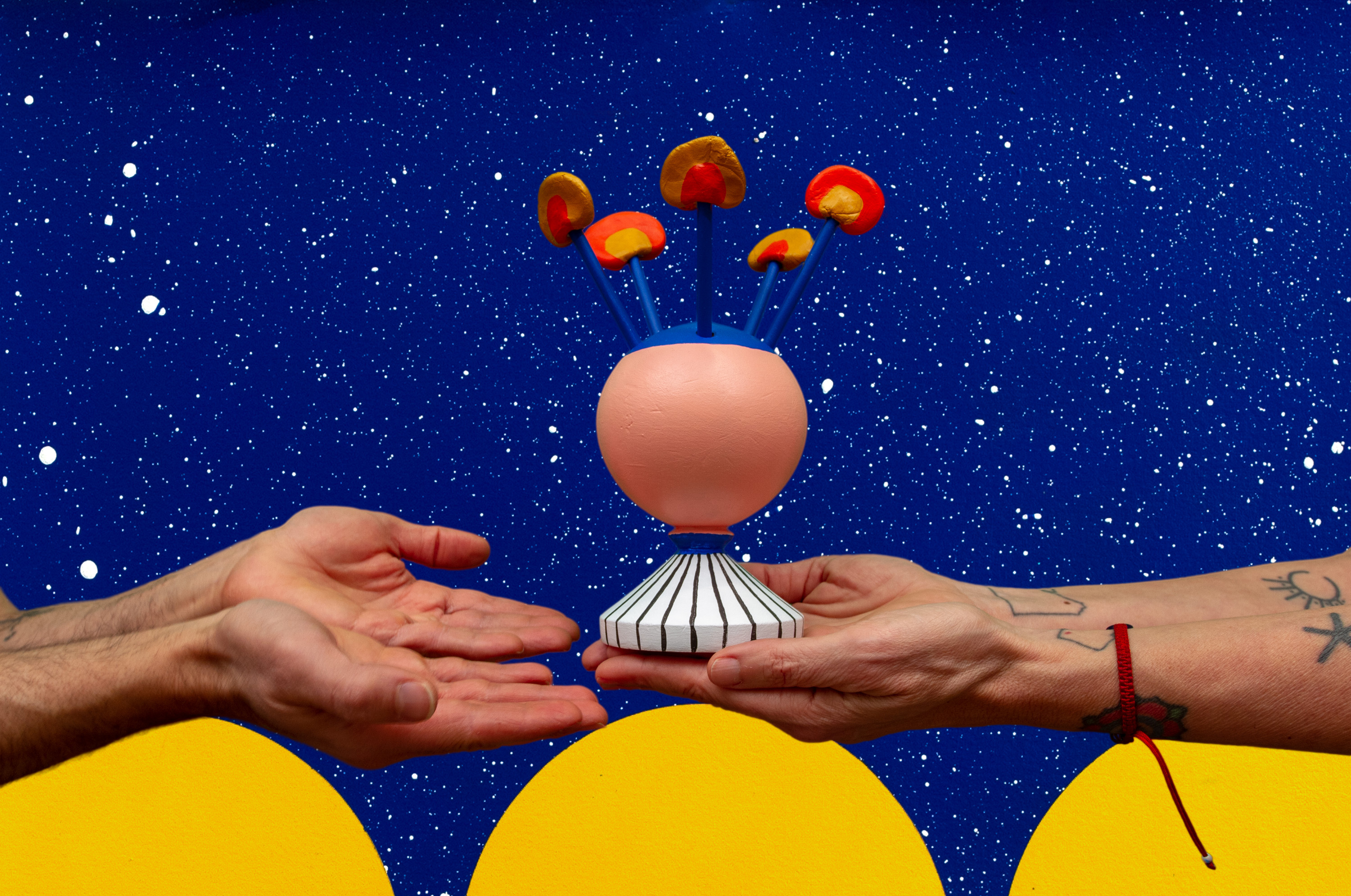
WHICH YESTERDAY IS TOMORROW? @TRANSFORMER
Artists Dahlia Elsayed and Andrew Demirjian turns Transformer’s modest space into an immersive, site-specific installation that “reimagines the Silk Road caravanserai as a potential site for the exchange of ideas and culture.” The artists “built upon the vocabulary of social and sacred architecture from Southwest Asia and North Africa in order to create an alternative world that encourages one to engage with and reflect upon their senses and environment.”
March 14-April 25 at Transformer. Open Wed.-Sat. 12-6 p.m. and by appointment. Opening reception 5-8 p.m. Saturday, March 14.
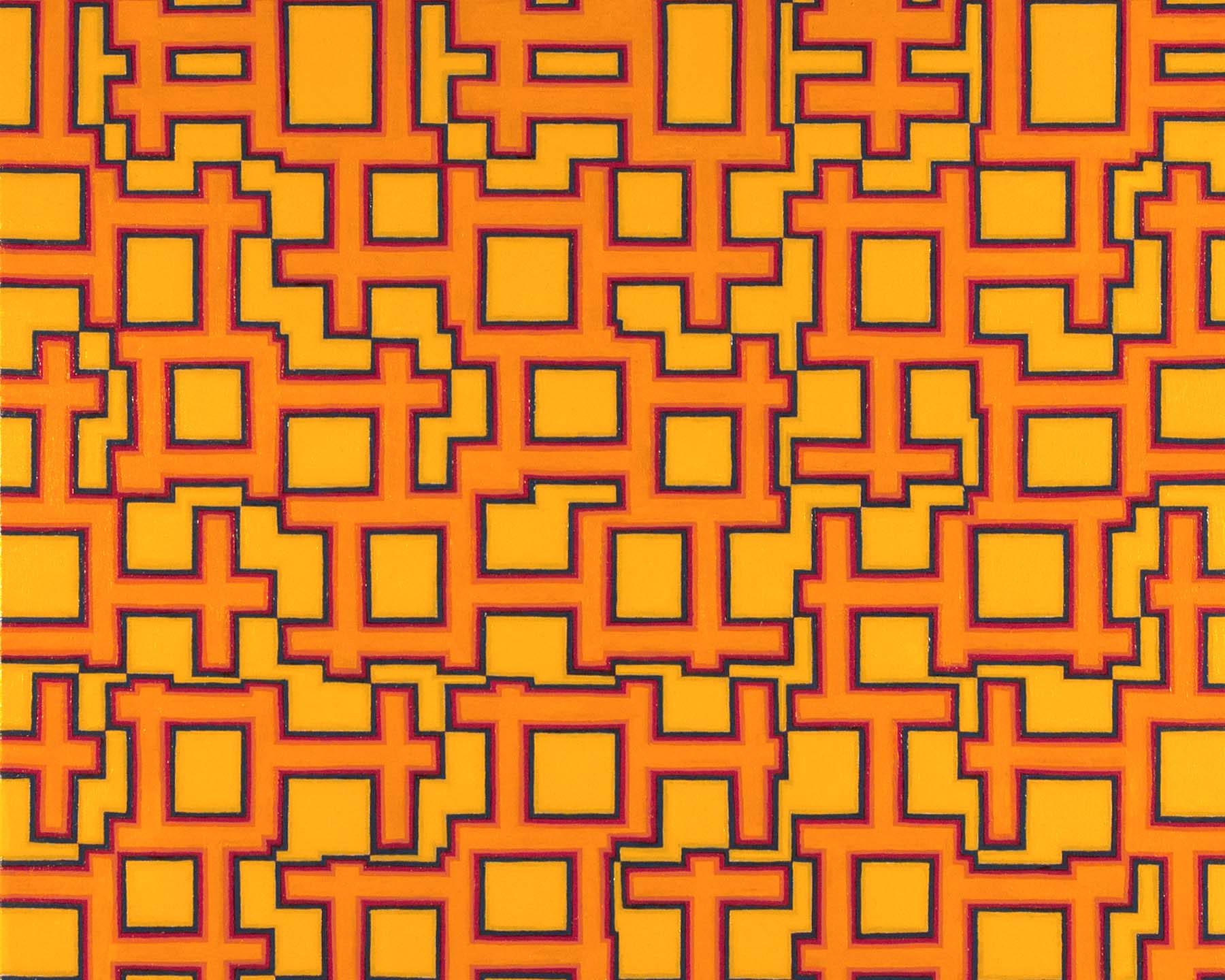
W.C. RICHARDSON @ADDISON/RIPLEY
The Washington City Paper’s Glen Dixon once wrote of this D.C.-based painter, that, “You’re not done with Richardson until he gets in the sucker punch.” The brochure for a 2003 exhibition in Atlanta warned that the artist’s work is “quick on the eye, slow on the mind.” Richardson has been around for four decades, and his latest work continues to present an eye-catching surface that reveals a cunning depth. As the artist himself explains, “it is the layering of paint and color that carries each work to a complexity that is discovered rather than designed.”
Through April 4 at Addison/Ripley. Free.

21ST CENTURY CONSORT: WATER MUSIC @ HIRSHHORN
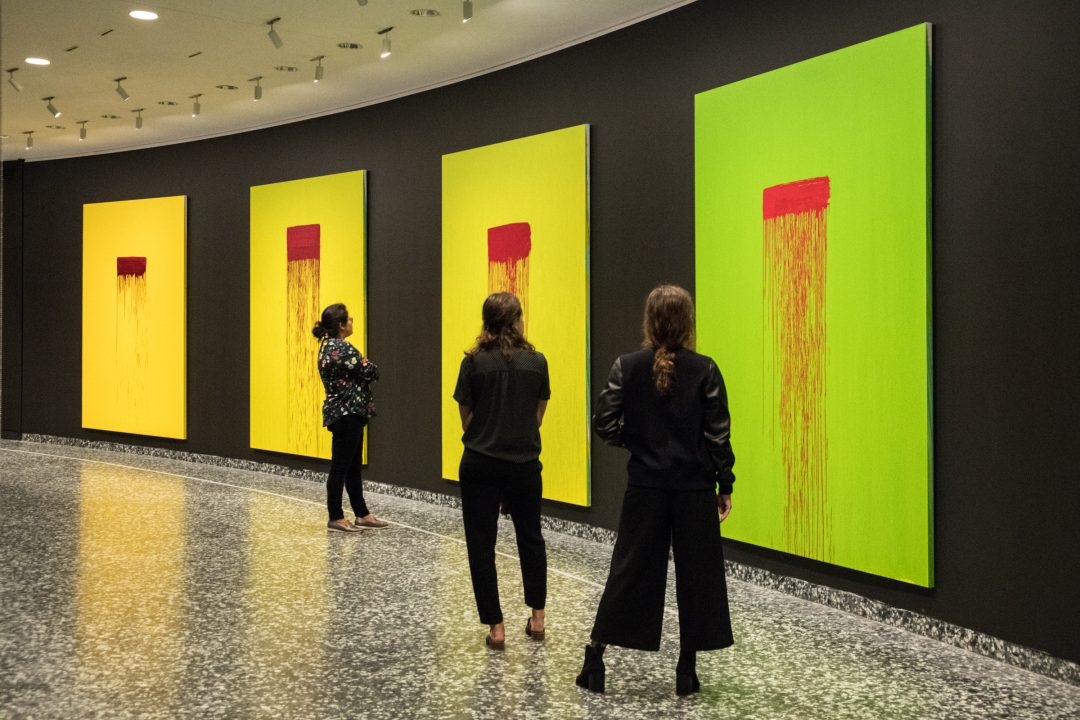
In conjunction with the exhibition Pat Steir: Color Wheel, the 21st Century Consort, the Smithsonian’s resident ensemble for contemporary music, presents a concert inspired by Steir’s paintings. The performance will be preceded by a discussion with 21st Century Consort director Christopher Kendell and composer Carlos Simon.
March 14 at 5 p.m. Free. All advance tickets have been claimed, but the museum saves a select number of seats for walk-ups on a first-come, first served basis.