Martin Austermuhle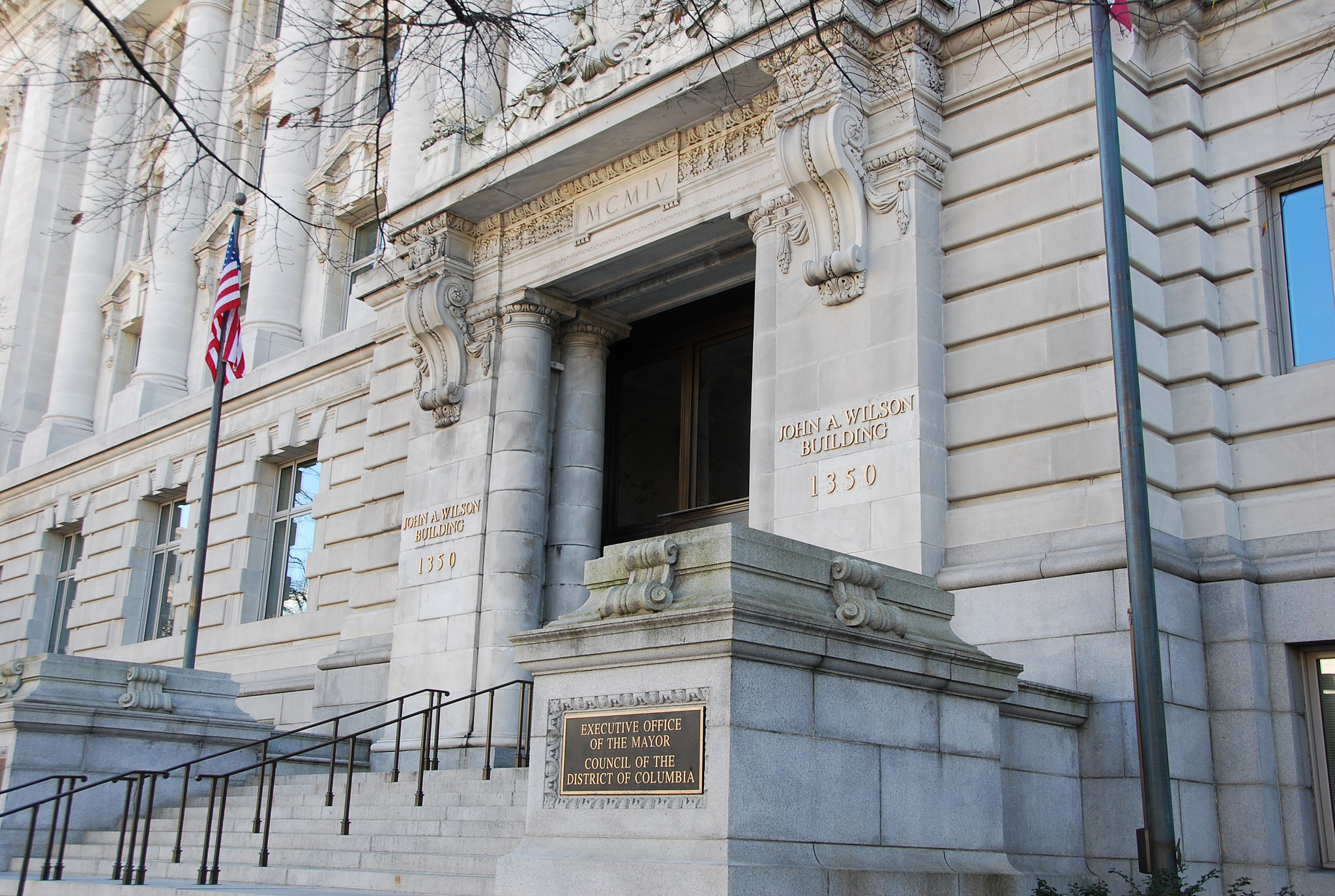
The D.C. Council unanimously passed an emergency bill Tuesday to amplify the city’s response to the growing coronavirus pandemic, largely by expanding eligibility for unemployment insurance and providing financial assistance for businesses likely to be hammered during the ongoing public health crisis.
But lawmakers and city officials conceded that it’s only a small step in addressing what could be a significant downturn in the city’s economy, especially if the shutdown of bars, restaurants and other parts of the critical hospitality industry continues into the summer.
“There’s no way we’re going to be able to meet the vast needs of every worker and business,” said Ward 5 Councilmember Kenyan McDuffie. “Our goal here is not to pick winners or losers, simply to help as many people as possible with the limited resources that exist.”
[Read the latest updates about coronavirus in our region here]
The heart of the bill focuses on protecting workers and businesses. It does that by expanding eligibility to unemployment insurance to workers who have been laid off or lost hours because of the coronavirus, and extending protections under the Family Leave and Medical Act to people who have to stop working because of the crisis.
It lets hotels to defer payment of property taxes and other businesses delay payment of sales taxes—worth roughly $266 million—and creates a grant program Mayor Muriel Bowser can use to help both small businesses and independent contractors and self-employed residents who otherwise wouldn’t be eligible for unemployment insurance.
The bill also prohibits price-gouging and stockpiling during the state of emergency, stops evictions and utility cut-offs, forbids landlords from charging late fees on rent payments, extends public benefits programs, allows the Council to meet and vote virtually, and extends the deadline for Bowser to submit the 2021 budget from mid-March to early May.
Lawmakers said the bill would be the first of multiple measures to support businesses and workers impacted by the coronavirus crisis, but also said they would have to balance how much help they can offer against what’s expected to be a dive in revenues in the coming months.
“When our revenues are expected to plummet, we have our own limitations,” said Council Chair Phil Mendelson.
And it was left to D.C. Chief Financial Officer Jeffrey DeWitt to explain to the Council how the city’s economy has already been hit—and what that could mean moving forward. Just from the hospitality industry—bars, restaurants, and hotels—D.C. takes in almost $800 million a year, roughly half of all sales tax revenue. But DeWitt said he was expecting a significant decline there, and a large uptick in job losses that could push unemployment from the current level of 4.9 percent to close to 20 percent.
“Let’s assume [the crisis] goes through June… if that were to occur, we would need to cut $500 million out of our 2020 spending. We have reserves. Those reserves last 18 months in a moderate recession of long duration. This is a sharp drop that burns through cash quickly,” he said.
DeWitt said the city remained in strong financial shape, with a rainy day fund totaling $1.43 billion and a well-funded unemployment insurance trust fund. But he added that the city will have to wisely spend its reserves to avoid having to borrow from banks to cover short-term expenses, and that current conditions could put particular strain on unemployment insurance funds.
“Whatever we choose to do, and certainly the community needs assistance and needs help to get through and recover, but we also have to make sure we get through this,” he said.
DeWitt said his office would be redoing a revenue estimate issued in February to better account for the changing economic conditions, and to more accurately inform Bowser as she puts together her budget for 2021.
“Give us time to re-look at where we are before you go any further than what you’ve proposed,” he urged.
Most Council members were resigned to the unexpected turn in the city’s economic fortunes and how regular workers and businesses would be impacted, but pledged to continue working to help them.
“We are facing hard days. But these aren’t the first hard day for this city,” said At-Large Councilmember Robert White. “We have prepared ourselves for a rainy day, and we find ourselves in a rainy day.”