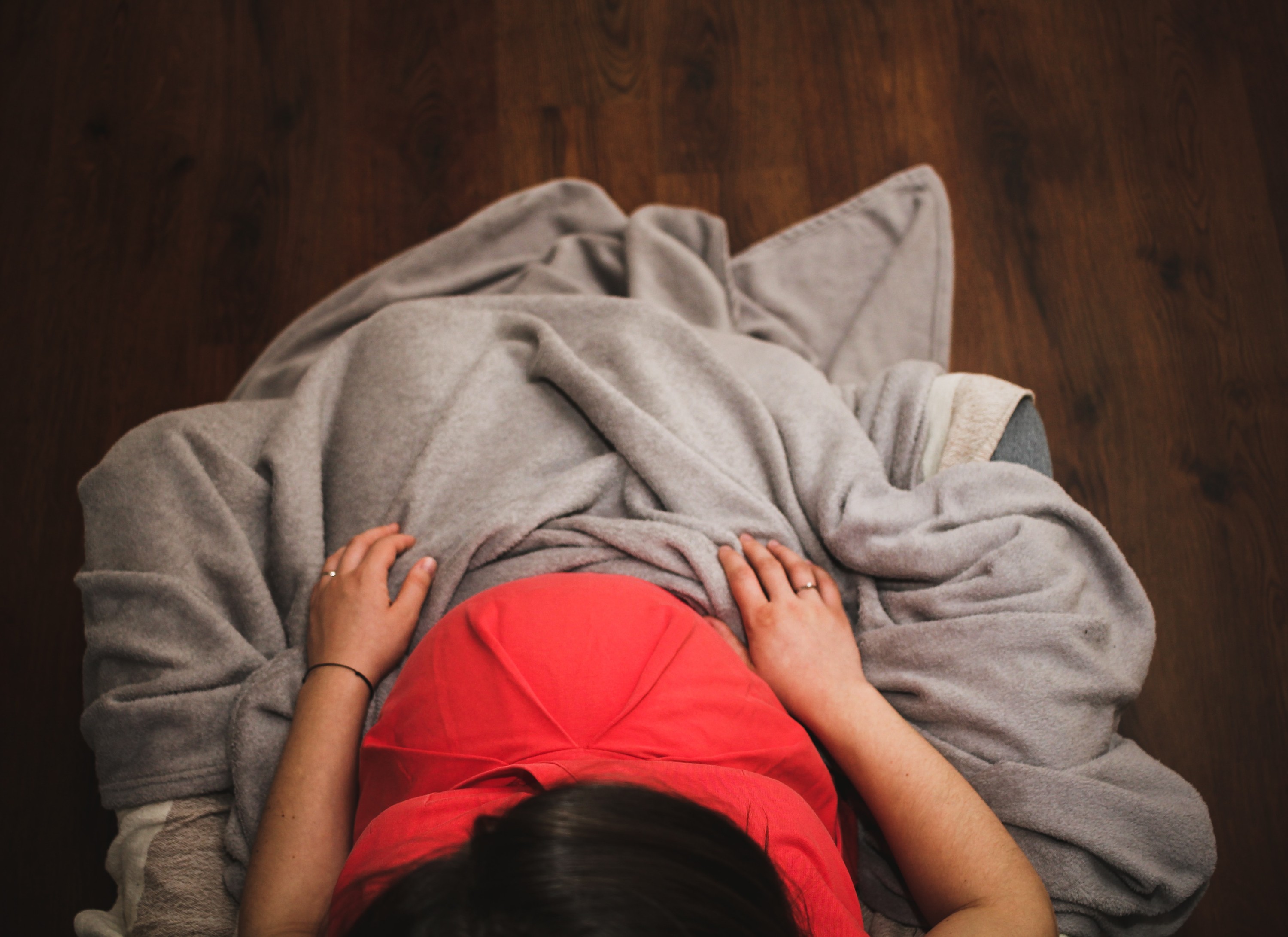
When Kristin Richards started feeling a fever about two weeks ago, she called her doctor immediately. As a first-time mother, she was understandably paranoid about what it would mean for her unborn child. During the coronavirus pandemic, her fears are that much more daunting.
Richards is an operations manager for a broadcast studio in D.C. and works with journalists, several of whom attended CPAC and had to self-quarantine. Due to this, and out of precaution, Richards was put into an ER quarantine room where she was required to call a number for simply using the bathroom, a frequent need for pregnant women. Although she showed symptoms, doctors told her she had an upper respiratory infection and didn’t qualify for the coronavirus test.
“I was shocked that someone showing signs and who has had indirect exposure didn’t qualify,” she says.
That experience is just one of innumerable unknowns that Richards, and many other pregnant women, are confronting during this pandemic. There’s also the canceled baby showers—adding the expense of clothing, diapers, and cribs to strained budgets—and elderly parents who would have contributed an extra pair of hands after delivery have been told to stay home for their own safety. For mothers who already have children, there’s the question of how they will manage with older kids home from school. And there are still a lot of unknowns about COVID-19 and the risks it poses to pregnant women, according to the CDC.
[Read the latest updates about coronavirus in our region here]
Following Richards’s recent 32-week appointment, she asked her obstetrician about a follow-up. Her doctor responded that he wasn’t sure if they would remain open or move to telemedicine.
“For someone who is pregnant for the first time, it’s hard to hear,” Richards says. “Are they going to take resources away from labor and delivery for coronavirus? How does that impact me and my baby? And the scary thing is if you ask the doctors that, nobody knows.”
For first-time mothers, pregnancy is already a strange, unprecedented event that ushers in bizarre physical changes, mental stress, and social isolation. Many of the lifelines that physicians and therapists recommend, like regular exercise or gathering with other new moms, have disappeared in the new era of social distancing.
Joanna Strait, a psychotherapist in Chevy Chase specializing in perinatal mental health, helps prepare new mothers for the mental taxes of pregnancy, a time that is about grappling with a loss of control. She runs a support group and has moved it to Zoom. She conducts her other sessions remotely through HIPAA-compliant video conferencing.
Typically, Strait outlines a postpartum plan for her patients that includes tips for reaching out when experiencing anxiety or depression, but that’s changing as social distancing becomes the norm.
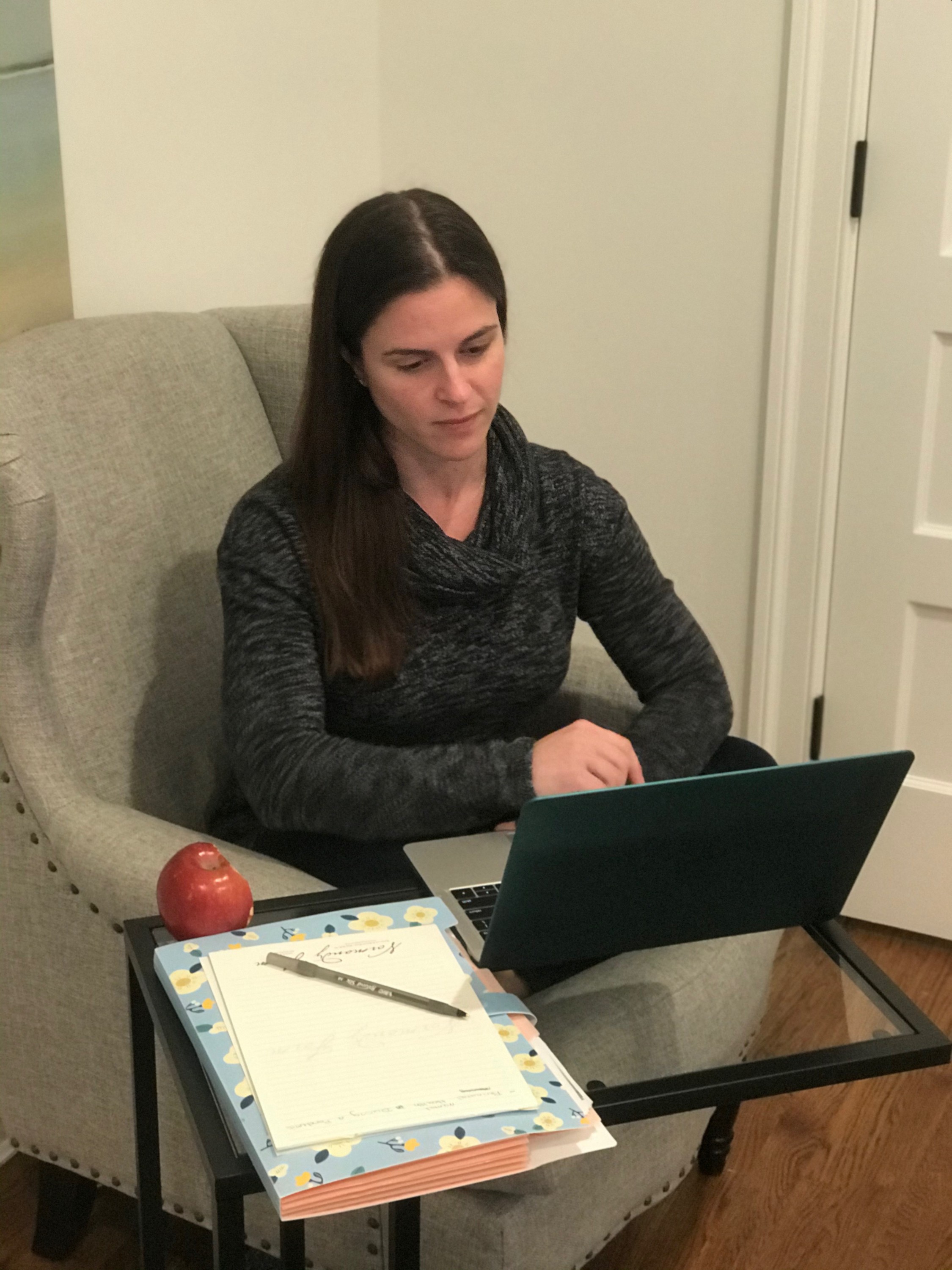
“Normally we talk about going out, going to a playground, being with other moms, and right now those things are so limited it’s hard to have a normal plan,” she says.
Doctors are wrestling with how to advise their patients when there’s a lack of federal guidance and sufficient data on how coronavirus can affect pregnant women and infants. Nikki Waddell-Wilson, a Ward 8 resident and primary care physician in Virginia, has an inside look at the pandemonium. As a doctor, Waddell-Wilson is overwhelmed; she’s on staff at two hospitals in Virginia every day and has stopped seeing sick patients in her office.
“We don’t have a singular federal direction on how to handle this, there’s a lot more panic because every state and hospital is coming up with their own guidelines on what to do,” she says. “There’s a lack of testing, which is a huge fail, we’re getting hundreds of calls a day.”
She’s also pregnant herself, due on April 15, and is surprisingly calm.
“I’ve been a hospitalist and did in-patient work, you learn how to be very stoic,” she says. “People say my reactions to things are very different, but it’s just because I can’t react to everything, you have to be able to think clearly under pressure.”
Strait has seen a fair amount of coverage on whether the virus could be transmitted through breast milk but notes that there’s been very little on the mental health toll this could take on pregnant women. “One in five women struggle with postpartum depression,” she says. “I have a feeling during this period that number might go up because they can’t be screened for depression if their doctor’s appointments are further in between.”
Stacy Harvie is an Alexandria mother who is 26 weeks pregnant with her second child and runs the Instagram handle “Capitolvintagecharm.” She worries that the coronavirus could exacerbate underlying risks with her pregnancy; she turns 40 this week and if her temperature spikes, she would have to deliver the baby prematurely.
She posted a somber photo of her dog on a social media feed that’s more often populated by crystal glassware and design tips. “As someone who naturally suffers from anxiety, being pregnant during a pandemic has sent me over the edge,’ she wrote on Instagram.
The mysteries surrounding coronavirus have increased both Harvie’s anxiety and her nesting instincts. In an effort to control some part of her life, she stocked up on supplies three weeks ago. “I looked at my husband and said, ‘I don’t know if I need to do this but I need to buy a massive roll of toilet paper because it would make me feel better,” she tells DCist. “In the back of my head I thought this was crazy. When are you worried too much?”
In other parts of D.C., like Ward 8, access to transportation, housing, grocery stores, and proper health care is limited even outside of a pandemic (residents have been banding together to pool resources and help one another out to get through the crisis). On Monday, an emergency room doctor at the only hospital in the area tested positive for the virus.
“Our parents are terrified,” says Aiyi’nah Ford, executive director of The Future Foundation, a non-profit in Ward 8 offering trauma-informed services to youth 13 and up and their families, including a “Super Parent” support circle. “Especially those in the last stage of their pregnancy, now with limited resources and limited access.” Ford is helping her clients while also wondering about how COVID-19 could affect her own health; she has a history of asthma, survived cervical cancer, and had surgery in December.
Meanwhile, teenagers who are pregnant or have recently delivered may be dealing with the adult responsibility of caring for children, but like other high schoolers, they have the same impulse to go out and see their friends.
At the Healthy Babies Project, a non-profit based in Ward 7 helping at-risk D.C. families deliver healthy babies, executive director Regine Elie is urging the teenage mothers and pregnant women she works with to stay home.
“I’m just trying to get the moms to understand the seriousness of what’s transpiring and that COVID-19 is not something you can necessarily see, they have to be cautious,” she says.
Even if the coronavirus does not physically impact pregnant women or their babies, some D.C. mothers are worried that beds could be taken up if hospitals see a drastic spike in cases.
Ford has already seen that women are already losing the privilege that’s often granted to them during pregnancy. “There’s no priority list for pregnant women,” she says.
For Kristin Richards, being pregnant during a pandemic has meant missing out on her first baby shower, but also she’s noticed a loss of kindness from strangers as people panic.
“Either way I’m going to deliver this baby,” Richards says. “I just want to make sure I’ll be able to deliver in a safe, sterile environment and make sure they’re staffed. It’s just hard to think about, that’s just kind of terrifying as a first-time mom.”