Elliot C. Williams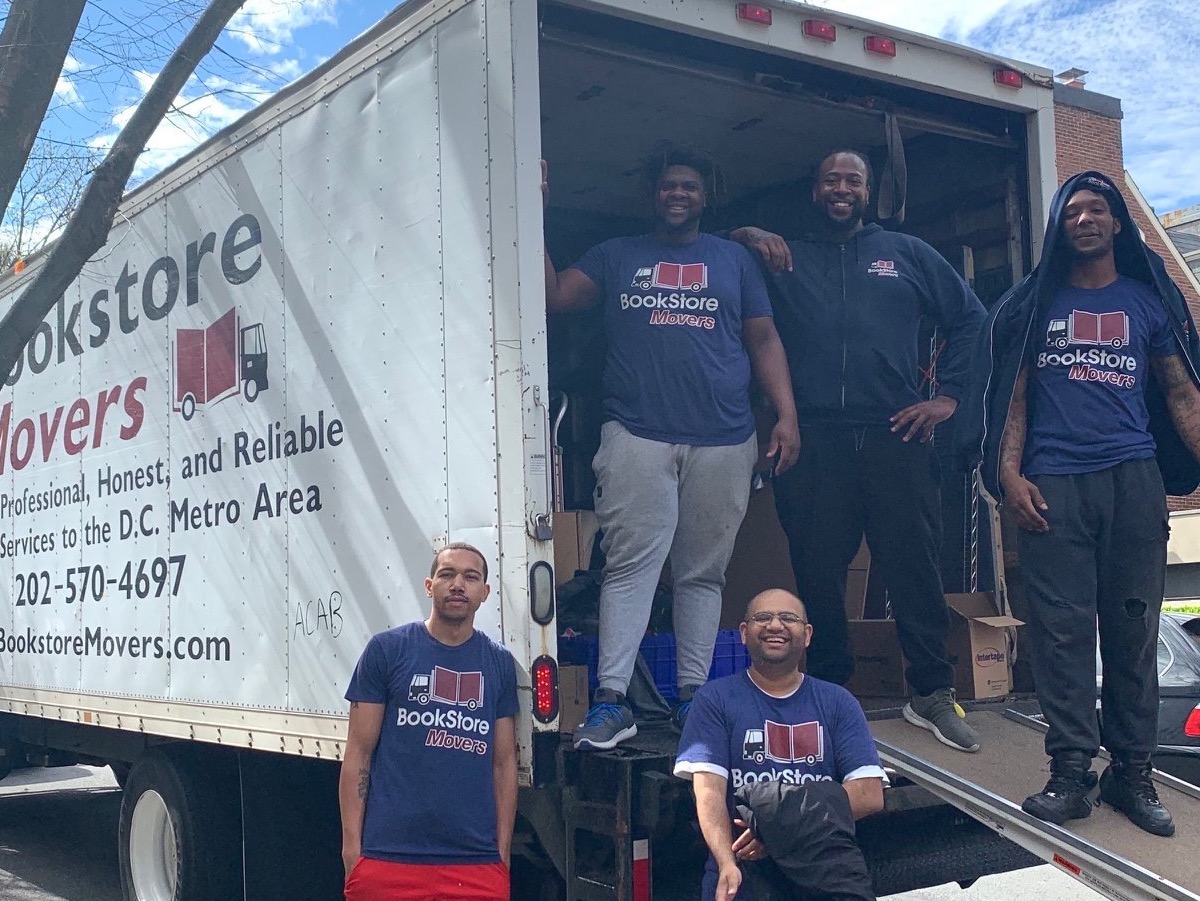
Kat Shaub is looking to move, and she had a particularly concerning in-person tour of a potential new apartment last Wednesday near downtown D.C. By that point, Metro had already instituted an “essential travel only” policy due to the coronavirus outbreak. Still, Shaub took Metro and showed up to an apartment packed with other potential tenants.
“I definitely left that experience feeling very tense and unsure of what I just exposed myself to,” she says. “Was it worth it for an apartment that I didn’t even like that much?”
Shaub, who works for a D.C. affordable housing nonprofit, doesn’t have much of a choice. She moved into her current Arlington two-bedroom a year ago and had every intention of staying for at least another year, but her roommate is leaving for grad school and the lease ends at the end of May. Shaub, 24, has to either move out or take on the full price of rent, which is out of her budget.
For many in the D.C. region, apartment hunting is already a headache-inducing activity, and a pandemic only makes things more complicated. Not only is there the challenge of seeing apartments—buildings run by larger companies have shown Shaub 3D maps, while tenants at group houses have walked their laptops around while connected on Skype—but there’s also the question of whether it’s safe, or even possible, to hire movers with so many businesses shut down to prevent the spread of coronavirus.
“I’m effectively making an unknown decision for at least a year,” Shaub says.
These are concerns shared by people throughout the region who want to uphold the terms of their leases (including their end dates), but also have to deal with the reality of coronavirus, as health officials advise against leaving your home. Advocates are calling for rent freezes to help about a third of the region’s residents who rent. So far, the city has suspended evictions and foreclosures.
On Monday, while Mayor Muriel Bowser didn’t issue a full shelter-in-place order, she joined Maryland Gov. Larry Hogan and Virginia Gov. Ralph Northam in warning residents to stay home except for essential travel. Is moving considered an essential activity, and are moving companies essential businesses?
“As far as we understand it, we are still essential because we’re both a junk removal, bulk trash, and waste removal company, as well as a moving company that delivers goods to homes,” says Nick Friedman, co-founder and president of Rockville-based College Hunks Hauling Junk and Moving (CHHJ).
CHHJ has added a curbside express pickup option and new sanitization measures to its rotation, Frideman says. The company has stopped doing team huddles, is sanitizing its trucks daily, and is checking employees’ temperature before they come into the building, where they wear face masks and gloves. So far, Friedman says he hasn’t had to lay off any staff, but acknowledges that there’s still “a long journey ahead of us.”
Bookstore Movers owner and CEO, Kate Ritson, says moving companies like hers continue to operate as “motor carriers” and are deemed essential in Maryland and Virginia where officials have closed all non-essential businesses.
The D.C. Mayor’s office didn’t respond to a DCist request for comment.
Ritson’s staff of about 60 movers and 15 support staff is stretched right now, she says. But because clients scheduled their moves months in advance, business has been steady, with a few different protocols in place—including extra sanitizing of trucks and more frequent hand washing during moves.
“It’s a little difficult to practice social distancing when you’re in someone’s apartment or house, but we’re trying to do what we can,” Ritson says. “Usually, when our movers arrive, we ask them to shake hands with the clients. We’ve asked them to stop that for now—a smile and a nod will do.”
With or without professional help, moving is typically a group activity that requires safety measures. One Northeast D.C. woman—who spoke to DCist on terms of anonymity for fear of being criticized for not properly socially distancing—moved with her partner this week, from separate homes in Northeast, to a condo on H Street. They enlisted the help of friends—whom she paid in takeout meals from Cane.
“It’s a tough situation—we were very worried about putting our friends and their loved ones at risk due to possible exposure,” she says. “It’s obviously not an ideal time, but I assume anyone who rents and is moving at this point has to do so because of their lease expiring,” she says.
Justin Hentges, who’s in the process of moving from an apartment in Mount Vernon to a house in Takoma, says that things are going well, all things considered. “We still have a place to live and a place to move to,” he says. Hentges and his boyfriend don’t have to worry about a new mortgage—they had already decided to rent the new house for a year when they found it at the beginning of March, he says.
“I think the biggest part is the unknown,” Hentges says. “What if something happens and we can’t move?”
Hentges scheduled the April 3 move with Rockville-based Treasure Moving Company. So far, the company has been understanding of his concern, and they’ve been discussing backup plans in case D.C. issues stricter shelter-in-home orders.
In Arlington, Shaub has put off thinking about the logistics of the physical move until she finds a new place. She has to give a 60-day vacancy notice this week, but she plans to ask her landlord — who has been accommodating thus far — if he manages any other nearby units that might work for her situation.
Once she does move, she knows there will be a lot of disinfecting of doorknobs, boxes, and pretty much everything else.
“There’s a lot of questions there that, even if I plan for them, I don’t necessarily know what the answer is going to be,” she says. “So we’re probably going to have to call parents, or family members, or people who I know have reliable access to a vehicle and pay them in beer and compliments to come over and help me.”