We will continue to update this story with new information. It was last updated on May 13 at 5:48 p.m.
Find complete coverage of coronavirus in the D.C.-area here. With the situation changing by the hour, you can keep up with the latest updates on our live blog.
The coronavirus pandemic has changed nearly every facet of life in Washington, D.C. Non-essential businesses have been ordered to close, schools have been shuttered, and public transportation has been all but shut down. Many are learning to work remotely while others are struggling to figure out ways to do their jobs safely; thousands of people have been laid off and face an uncertain future.
You’ve got questions. Ask us, and we’ll keep answering them. For now, here’s what we know:
- What are the latest case totals?
- How can I get tested?
- What is considered an essential business in D.C., Maryland, and Virginia?
- Are we supposed to be sheltering in place?
- Is public transportation running?
- Is ticketing and parking enforcement still in effect in D.C.?
- What is the status of schools?
- Where can kids get meals while schools are closed?
- What is happening with the criminal justice system?
- What city services are still running? What’s not?
- Is nature closed?
- How can I stay entertained?
- How do I get unemployment and other benefits?
- Are there any resources to help manage mental health and anxiety?
- What can I do to help?
HEALTH
Back to the top
Short answer: Call your doctor for advice. Hospitals are conducting tests, but emergency physician Pascal Crosley says that testing may be reserved for people who are most at risk. Here’s a comprehensive guide to where you can get tested in the D.C. area.
The D.C. government has made clear that the decision about whether a person can be tested lies entirely in the hands of doctors. The District has set up 12 public testing sites across the city.
D.C. has testing sites at George Washington University in Foggy Bottom, United Medical Center in Southeast, Children’s National Hospital in Northwest, All Care Family Medicine & Urgent Care, Mary’s Center, Unity Health Care, and Whitman-Walker Health, Medstar Health, Sibley Memorial Hospital, Howard University Hospital, the University of the District of Columbia Community College’s Bertie Backus Campus, and Bread for the City.
Children’s National is offering drive-through and walk-up testing for children and adults up to age 22 who have been referred by a pediatrician or primary care doctor as a patient with symptoms or at a high risk of contracting COVID-19. And UMC has set up a drive-thru and walk-up testing site for health care workers, first responders, and residents who are older than 65 or have underlying health conditions.
Maryland has converted eight vehicle emissions inspection sites into drive-through testing, but you must have a doctor’s order, an appointment and ID to take advantage. There are similar restrictions at a testing site set up by Arlington County and Virginia Hospital Center in order to preserve tests.
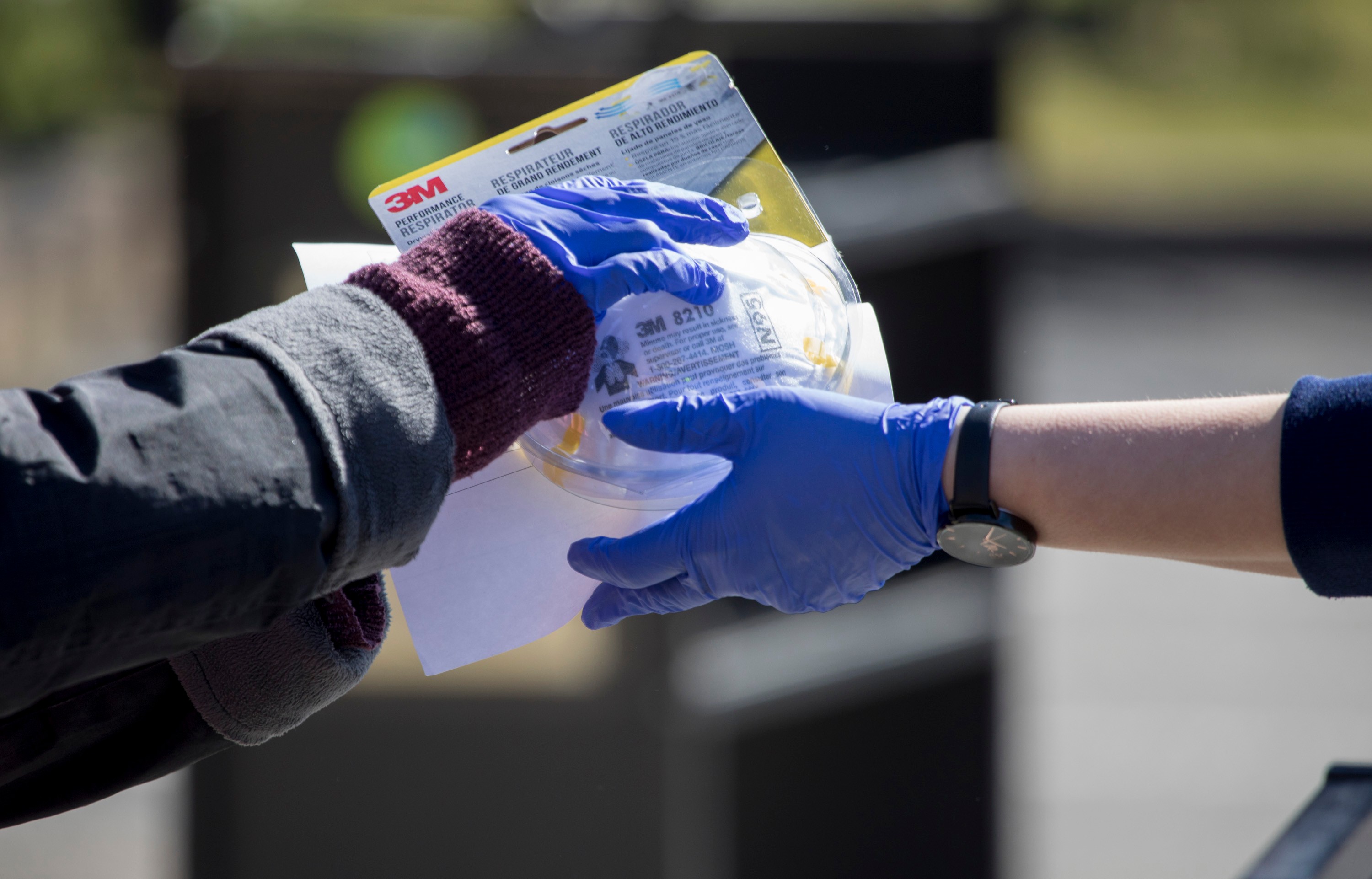
William Borden, the chief quality and population health officer at the GW Medical Faculty Associates, says broad testing hasn’t been enacted because there aren’t enough tests. There is also a shortage of protective gear like face masks for those conducting tests and providing care. “During these times, we need to be able to conserve personal protective equipment for our healthcare providers,” D.C. Department of Health Director LaQuandra Nesbitt told DCist.
If you’re unsure if you should get tested, try taking this self-assessment.
Back to the top
LOCAL BUSINESSES

With the region hunkering down, what is considered an essential business in D.C., Maryland, and Virginia?
D.C.: Mayor Muriel Bowser’s March 24 order—which has been extended until at least June 8—breaks it up into 13 different groups that include public health operations, essential infrastructure, food and household products and services, and transportation logistics. In addition to healthcare providers, businesses classified as essential include public works, utilities, trash collection, financial institutions, medical marijuana dispensaries, grocery stores, liquor stores, food banks, and restaurants (or any establishment that prepares or serves food) that are takeout- or delivery-only. Farmers markets are no longer considered essential, but can reopen if they have a waiver approved by the city.
Virginia: The commonwealth’s order is similar to D.C.’s, but notes that some retail businesses are allowed to stay open. They include dollar stores, medical retailers, electronic retailers, automotive repair and retail shops, home improvement outlets, liquor stores, gas stations, pet stores, office supply stores, and laundromats. The state will begin a gradual reopening plan on May 15, but parts of Northern Virginia will remain shut down until at least May 29.
Maryland: Maryland Gov. Larry Hogan’s order has 15 groupings similar to D.C. and Virginia. Businesses that are allowed to operate include pharmaceutical manufacturers, self-storage facilities, internet service providers, companies that research or manufacture defense systems, law enforcement, farmer’s markets, pet supply stores, bail bondsmen, funeral homes, and well drillers. The order notes the list is “non-exhaustive” and refers to a Department of Homeland Security page for a further list of “critical infrastructure”.
Hogan announced that he will begin reopening the state on May 15.
You can find a list of businesses considered “essential” in D.C., Maryland and Virginia in this guide.
Back to the top
Are we supposed to be sheltering in place?
On Monday, March 30, the governors of Maryland and Virginia each ordered residents to stay home and only take essential trips. Mayor Muriel Bowser joined them by implementing an official stay-at-home order for the District.
Maryland will replace its stay-at-home order with a safer-at-home directive beginning May 15, except in Montgomery and Prince George’s counties, which have the most cases in the state. Virginia’s stay-at-home order is in effect until June 10, and Mayor Bowser has extended D.C.’s order through June 8.
See here for more on what these orders mean for the region.
Back to the top
TRANSIT
Back to the top
Is public transportation running?
Transportation leaders are trying to balance both public health needs and their budgets. Most have drastically curtailed service, while remaining open for essential workers.
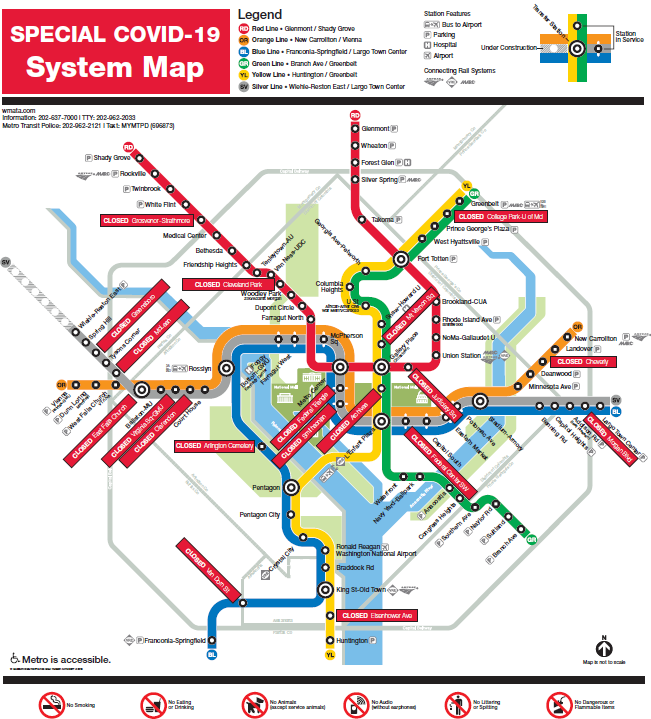
- Metro: Metro has closed 19 stations and shut 10 station entrances and will operate on a reduced schedule from 5 a.m. to 9 p.m. on weekdays and weekends from 8 a.m. to 9 p.m.
- Buses: Metrobuses are operating on a modified Sunday schedule with no supplemental trips and no service after 11 p.m. No fares will be collected and riders will board at the rear “as an additional step to help protect bus operators.”
- MARC: Only trains with an ‘R’ under the train number will operate. MTA will run additional trains on the Penn and Brunswick lines to supplement the reduced schedule.
- VRE: VRE will run its “S” schedule on each of its two lines, Fredericksburg and Manassas, indefinitely.
- D.C. Streetcar is operating as normal, as is Capital Bikeshare.
See here for a full story on service changes, including Amtrak and regional airports.
Back to the top
Is ticketing and parking enforcement still in effect in D.C.?
- The city has suspended street sweeping, vehicle booting and towing, and ticketing for expired license plates and inspection stickers through at least June 8 (the date set by the extended emergency order).
- The Department of Public Works is suspending ticketing during rush hour, between 7-9 a.m. and between 4-6 p.m.
- In DDOT’s designated restaurant pick-up and drop-off zones across the city, parking enforcement is still in effect. These are considered emergency-no-parking zones.
- Ticketing for safety violations (blocking a fire hydrant, for example) continues.
- Emergency-no-parking zones at construction sites in the District’s public spaces are still in effect.
- The DMV has extended the expiration date for all tickets until June 29, and no additional penalties will be added during this period.
Back to the top
SCHOOLS
Back to the top
What is the status of schools?
D.C.: D.C. Public Schools will end the academic year on May 29, three weeks earlier than scheduled. Public schools have begun distance learning, with learning material made available for pickup at schools on designated dates. Charter schools are making individual decisions about closures. See here for more on D.C. schools.
Maryland: Maryland schools will remain closed through the remainder of the academic year. State officials are devising plans to ensure equity in remote learning accessibility for students across the state. See here for more on Maryland schools.
Virginia: Gov. Ralph Northam has announced that all public and private Virginia schools will be closed through at least the end of the academic year. It’s been left to each school district to decide what that means for students. The state’s Department of Education is expected to issue guidelines for how students should complete the rest of the academic year, which could include distance learning or adding material to next academic year. See here for more on Virginia schools.
Back to the top
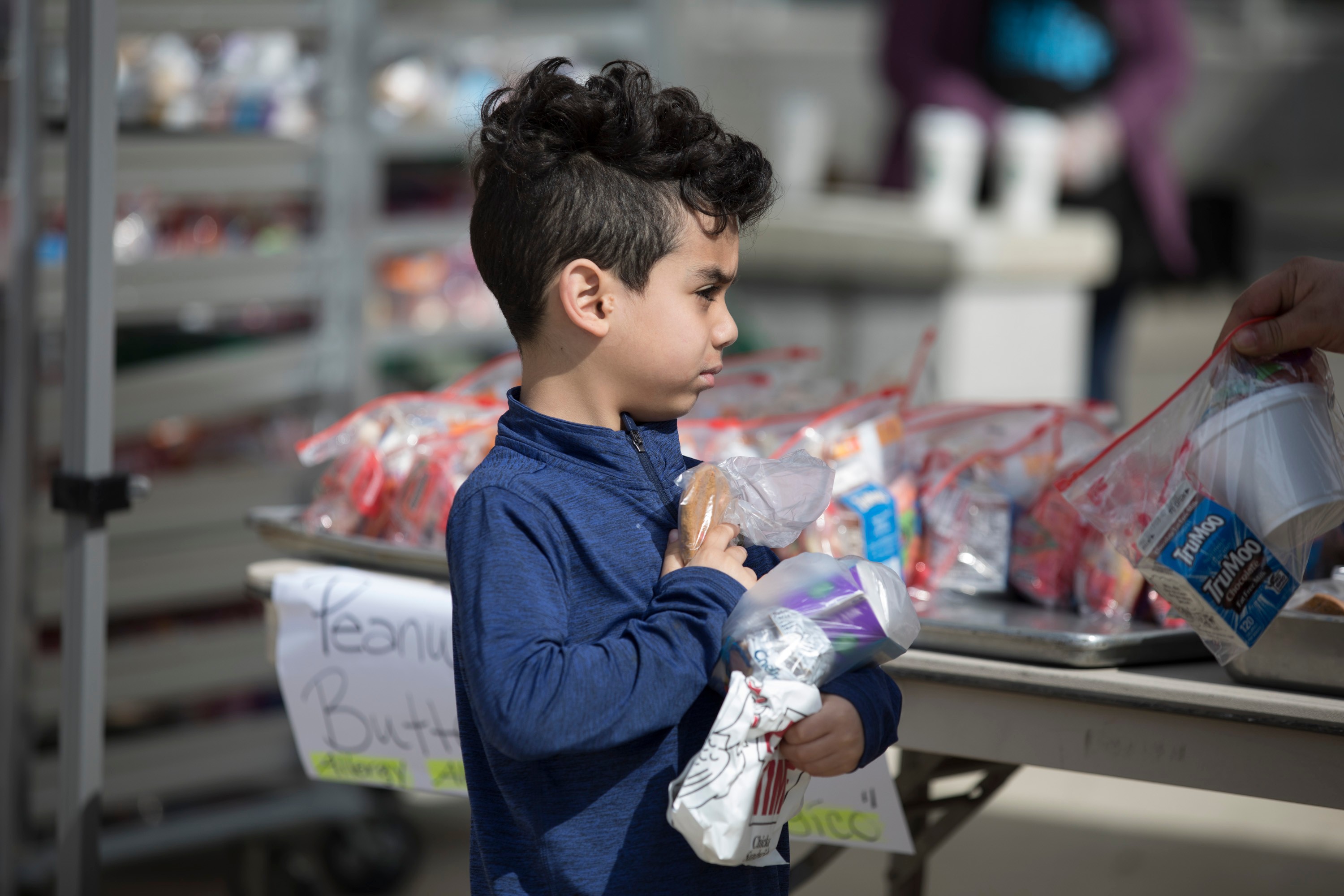
Where can kids get meals while schools are closed?
Parents and teachers across the region are working to keep students fed while schools are closed. School districts around the region are offering free breakfast and/or lunch. A number of local businesses are also offering meals to kids and seniors.
And this map will show you food resources by location.
Back to the top
GOVERNMENT SERVICES
What D.C. services are still running? What’s not?
D.C. is maintaining an updated page with the operating status of each of its agencies.
- The city is still operating trash and recycling pickup.
- DMVs are closed, but services continue online. The city has extended the expiration date for all documents expiring March 1 through the duration of the public health emergency (including driver licenses, identification cards, vehicle registrations, inspections, ticket payments and ticket adjudication responses) until June 29.
- The Department of Employment Services (the place to go to file for unemployment) is still operational remotely.
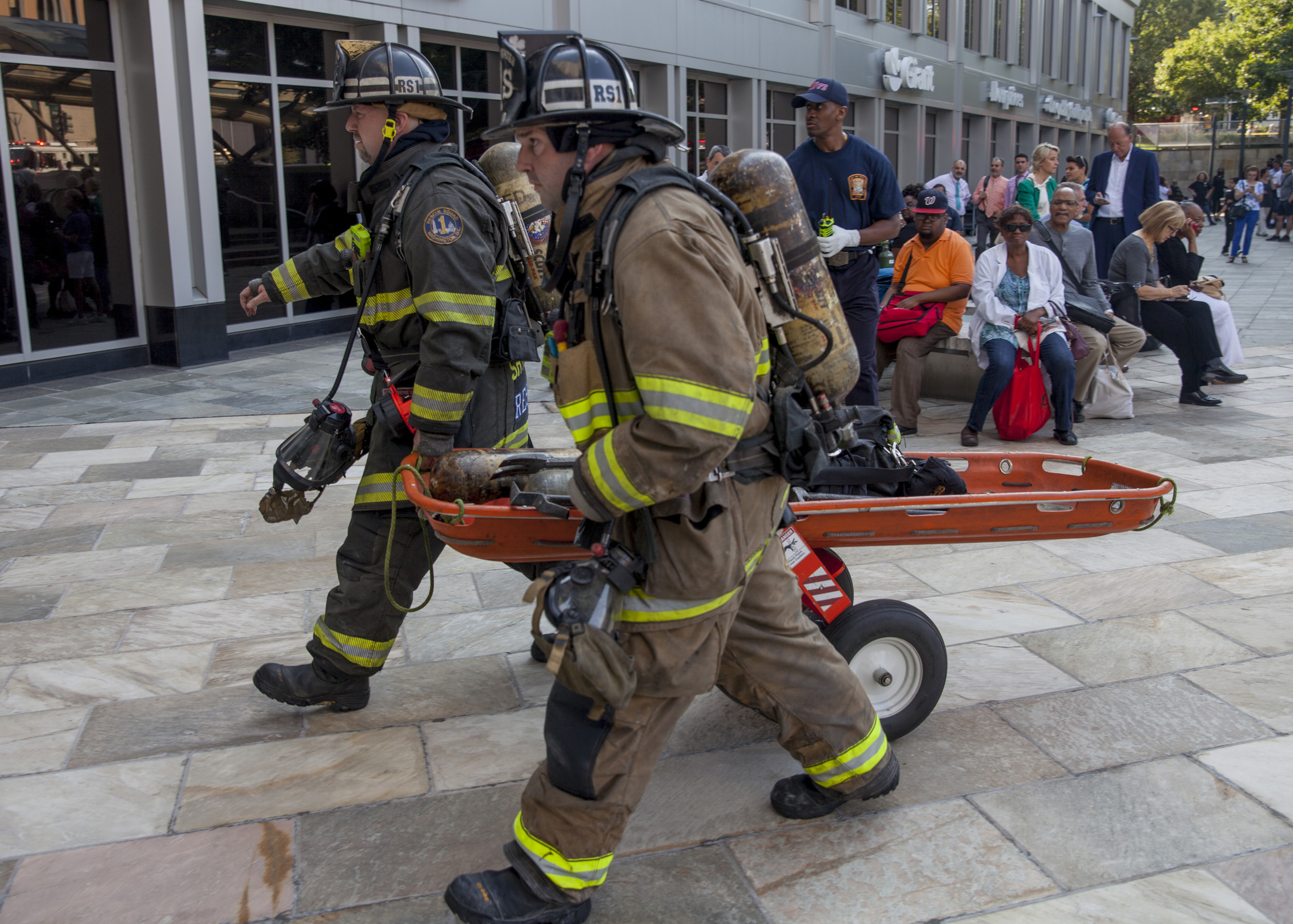
- First responders — including police and fire — are operating as normal.
- DCRA is operating mostly remotely through June 8, 2020. In-person licensing continues at 1100 4th St., SW, but most services are available online. Building inspections continue but should be scheduled online.
- The city has suspended street sweeping, vehicle booting and towing, and ticketing for expired license plates and inspection stickers, and rush hour parking restrictions.
- Physical locations of the D.C. Public Library are closed. But you can still access a wealth of online resources, and DCPL unexpired thousands of library cards.
- DC Water is suspending nonessential calls that involve entering homes, aside from emergencies. The utility will not cut off service for nonpayment, and it is waiving late fees.
Back to the top
What is happening with the criminal justice system?
Planned jury and non-jury trials will be postponed and anyone with a jury duty summons should not go to the courthouse. A full list of court advisories is available here.
Special provisions have been made for cases that concern victims of abuse. All temporary protection and emergency protection orders from the D.C. Superior Court have been extended so they will not expire before May 15.
The D.C. Department of Corrections has suspended all in-person visits, programming, and volunteer activities for the D.C. Jail.
And all eviction proceedings are on hold.
More on the judicial system here
Back to the top
STAYING ENTERTAINED
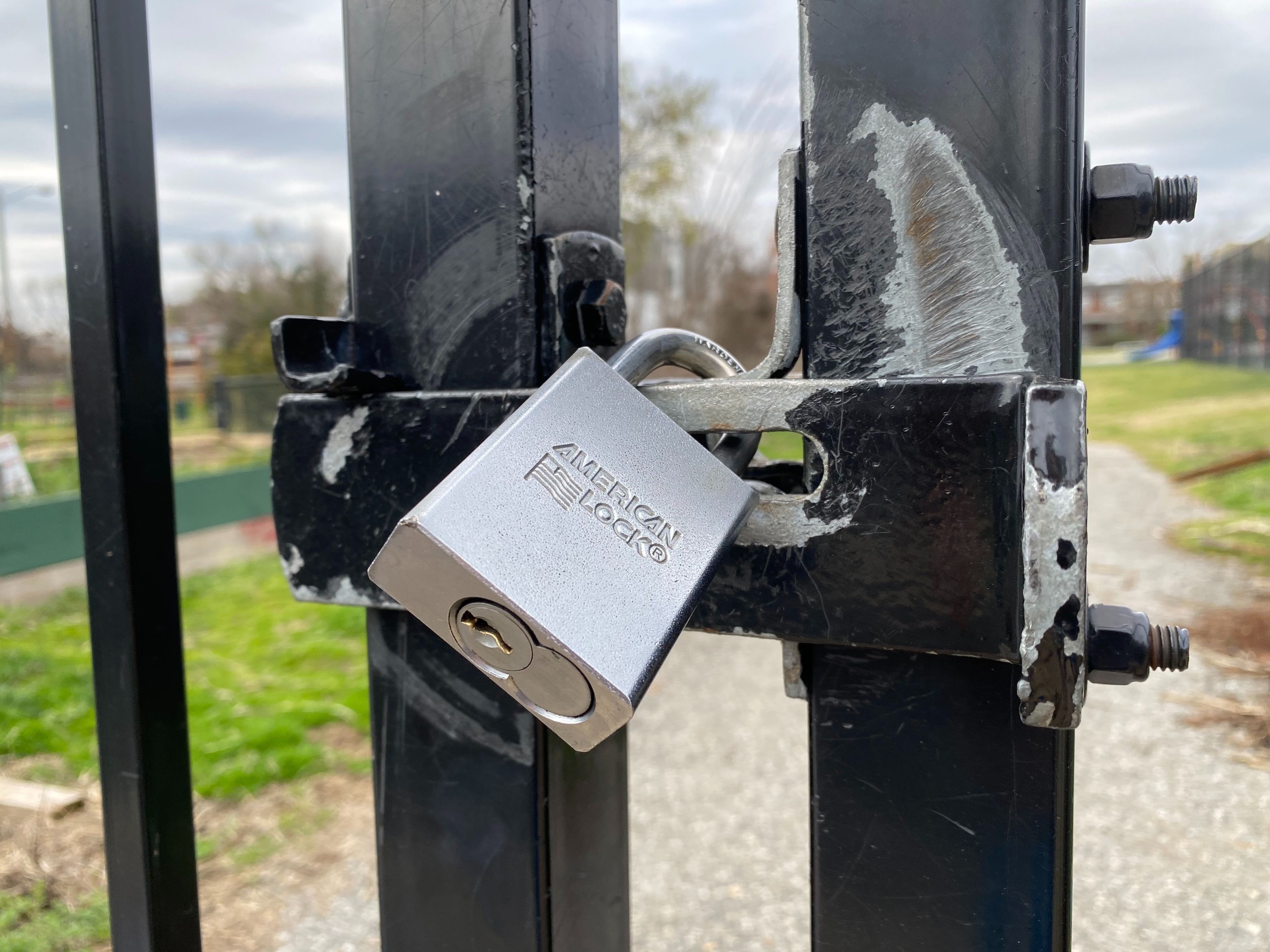
Kind of. The U.S. Department of Agriculture announced March 25 that the National Arboretum would be closed to the public until further notice. D.C. officials have also moved to restrict access to the Tidal Basin to discourage crowds from gathering around the cherry blossoms (the National Mall is otherwise accessible).
All Department of Parks and Recreation facilities, gated parks, playgrounds, and athletic fields are closed until further notice. Basketball hoops are also being removed in D.C. to discourage social gatherings.
Other private expanses, like the grounds at Dumbarton Oaks, are closed to visitors.
The National Park Service said that Old Rag Mountain and Whiteoak Canyon trails in Shenandoah National Park are now closed, by order of the Madison County Sheriff’s Office. Great Falls Park, home to the popular Billy Goat Trail, is open and not collecting fees.
Rock Creek Park, Anacostia Park, Meridian Hill Park, and Hains Point remain open (but the playgrounds and visitor centers at Rock Creek and Anacostia are closed, as are Rock Creek Park’s Nature Center, Horse Center, Peirce Mill and Barn, Old Stone House, Tennis Center and Thompson Boat Center). And here’s a handy guide on how to enjoy Rock Creek Park while practicing social distancing.
Back to the top
There are plenty of ways to watch movies, listen to audiobooks, tour local museums and otherwise stay busy at home with these free services (good news—if your D.C. library card expired, it has been renewed for now). Or, if you’re feeling inspired, you can take a page from locals who are finally finding the time to fulfill their long-held dreams.
For the young ones, we’ve compiled a whole host of fun age-appropriate online learning activities, including the Kennedy Center’s “Lunch Doodles!”, drawing classes with Mo Willems, or “Virtual camp” with Badlands in Rockville.
View the cherry blossoms responsibly, catch up on the latest naked mole rat drama, and more using these live feeds of the D.C. area.
You can also support local bookstores like Kramerbooks, which now delivers with Postmates. Politics and Prose and Capitol Hill Books both provide free shipping, and the latter is offering a mystery bag of books for $25, $50 and $100 or more.
And locals are getting creative. DCist will be publishing guides on Mondays and Thursdays with the latest virtual events.
Back to the top
RESOURCES
How do I get unemployment and other benefits?
See our guide here for help with unemployment, food stamps, banks and lenders, utilities, and free services. If you’re a gig worker, we’ve got a detailed breakdown here of how to apply for unemployment. But with unprecedented numbers in those applying for unemployment benefits in the region, it is worth noting that some have had trouble with accessing and applying through the online systems.
Back to the top
Are there any resources to help manage mental health and anxiety?
Indeed. Check out these local help lines, apps, and chats.
Back to the top
There are lots of ways to pitch in: You can donate blood, help with drive-through testing and other tasks with a volunteer medical corps, or sew face masks.
To assist neighbors in need, you can donate to local mutual aid networks (find yours here) or even launch one yourself. If you’re able and are less at risk, you could volunteer to shop for groceries, pick up medications, or go on toilet paper runs for people who must stay at home.
To support your local restaurants and workers, consider buying a gift card using this handy list and donating to D.C.’s Virtual Tip Jar or the Coronavirus Worker Relief Fund. Help the hungry by donating non-perishable food items or volunteering with the Capital Area Food Bank.
Coronavirus has hit unhoused people particularly hard, but some nonprofit service organizations including Martha’s Table, D.C. Central Kitchen, So Others Might Eat (SOME) and Miriam’s Kitchen are continuing to offer meals. While most have suspended volunteer opportunities, you can still help prep food or bag groceries with Martha’s Table, and donations are welcome for all.
If you have extra room, you can volunteer to house students who have been displaced due to the pandemic.