 Jenny Gathright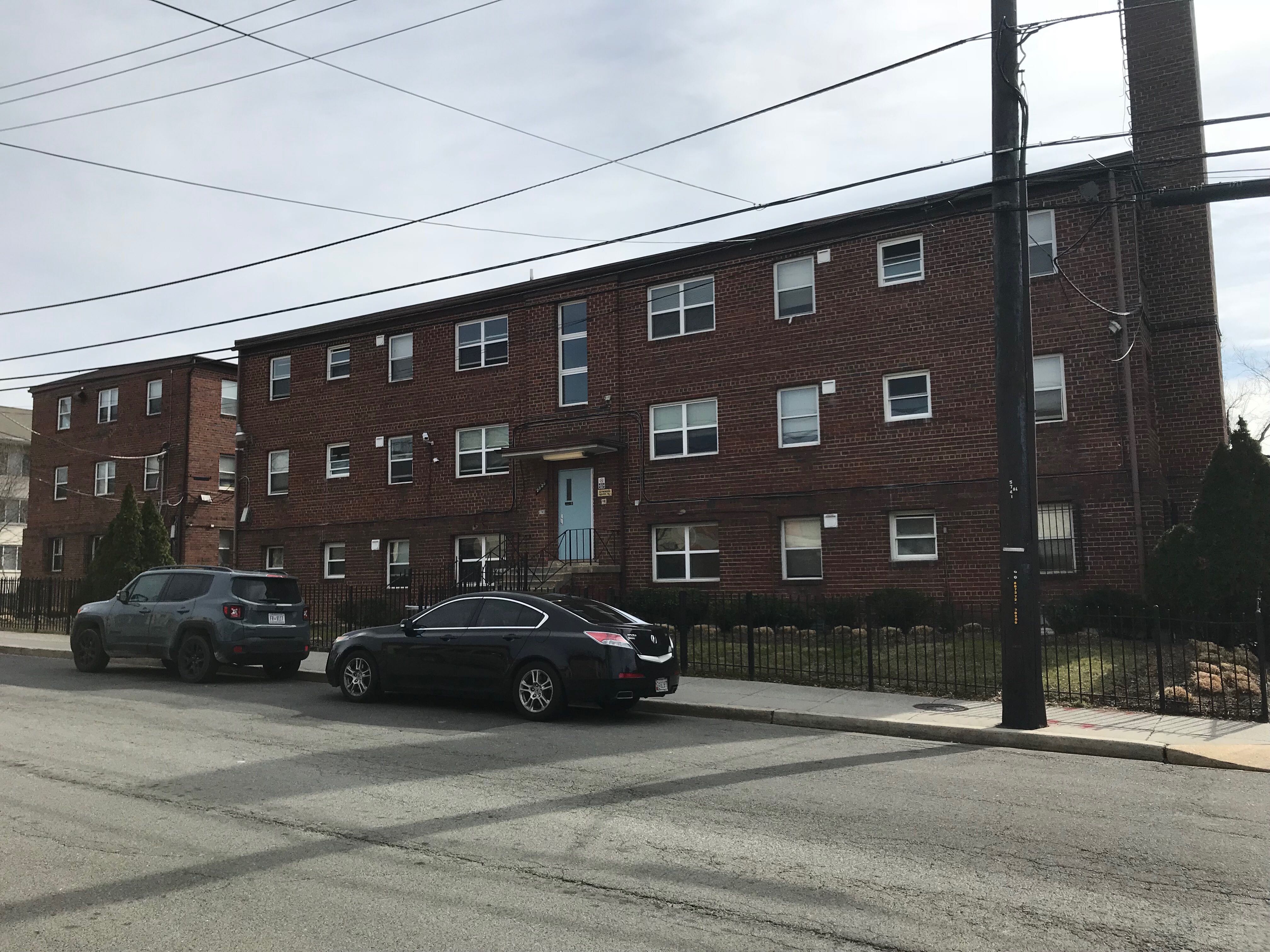
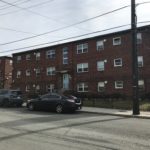
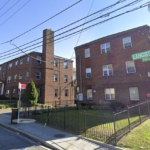
Two people finishing prison sentences at the Hope Village halfway house in Southeast D.C. died over the weekend. The deaths are not related to the coronavirus, a spokesperson for the Federal Bureau of Prisons says.
According to the Metropolitan Police Department, the first person who died was 46 years old, and was discovered unconscious inside the halfway house at around 6:45 p.m. Friday. Life-saving measures from first-responders at the scene were unsuccessful.
The second person was discovered unconscious on Sunday afternoon. When police arrived, the resident was not breathing. Attempts to resuscitate failed.
“I can confirm two deaths at Hope Village this week,” wrote BOP spokesperson Sue Allison. “These deaths were not COVID-related. I am unable to comment further as the deaths are currently under investigation.” Allison says that as of Sunday, “Hope Village did not have any open positive tested cases of COVID-19.”
The deaths come at a time when advocates have been increasingly scrutinizing the halfway house’s management of its residents. Ward 8 Councilmember Trayon White broadcasted live on Facebook from outside Hope Village on both Friday and Sunday. He recorded men inside yelling that the man who died Sunday had been quarantined in the basement of a building in the halfway house. A Hope Village spokesperson and a lawyer who represents Hope Village could not be reached for comment on those accounts.
D.C.’s Corrections Information Council recently inspected the facility, but its inspection was focused on determining the facility’s inventory of supplies in response to complaints from residents and advocates about access to cleaning supplies and other materials. The council, which was only permitted to speak with Hope Village staff, found the facility had adequate supplies.
Hope Village is currently facing a class-action suit over its coronavirus response. Among other complaints, the plaintiffs claim that the facility is not ensuring appropriate social distancing, and ask that people be immediately released to open up more space in the facility.
The facility has been on lockdown since March 20 because of the coronavirus. Men inside the facility are being given limited outdoor time but are not allowed to leave the premises for anything other than an emergency. One family member per resident is allowed to drop off supplies during a designated time each week.
In the absence of more information about the circumstances of the deaths, fears inside the halfway house are growing.
One man WAMU reached inside the halfway house says he has only heard information about the deaths in a “through the grapevine” manner. WAMU granted him anonymity, because he is worried he could be sent back to a federal prison for speaking out.
“How many more people gotta die before anything happens?” he says.
Another man describes the feeling inside the facility like “that gut punch you get when you know you can’t control something.”
Speaking at a press conference Monday, D.C. Mayor Muriel Bowser said she would be working with Del. Eleanor Holmes Norton to get more information about the two deaths.
“I can say we were able to test the first resident for [COVID-19] and he tested negative,” Bowser said. “We don’t know the cause of his death at this time, and I don’t know that we have the test results back for our second resident.”
In a letter to BOP Director Michael Carvajal Sunday, Norton asked for an immediate investigation of conditions at the halfway house.
“I renew my urgent call that the Federal Bureau of Prisons do an unannounced visit to the facility as soon as possible,” Norton wrote. “Given these two deaths, a site visit is more urgent and appropriate than ever.”
Norton also asked the BOP to release men from the halfway house in response to the coronavirus and the danger it poses to those living in congregate settings.
“I ask that you release as many individuals as possible from Hope Village, excluding, obviously, those for whose release would be inappropriate,” said Norton. “Almost all the residents at Hope Village are transitioning home anyway, after having already served most of their sentences at a federal prison.”
The U.S. Attorney General has recommended confining halfway house residents in their homes as a strategy for reducing the populations of such facilities during the pandemic. The BOP recently wrote to WAMU that it would be working to ensure home confinement was utilized.
Hope Village officials, who could not be immediately reached for an updated comment, announced last month that at least eight of the approximately 200 people inside the facility were going to be released to home confinement.