Natalie Delgadillo
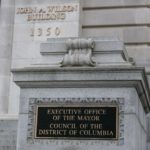
On Tuesday, the D.C. government passed emergency legislation designed to help shepherd people through the significant economic and health challenges of the coronavirus outbreak. But one key part of the original bill was missing from the final draft: cash assistance for undocumented people and those working in nontraditional sectors of the economy, who often do not qualify for unemployment benefits.
In addition to being largely unable to collect unemployment, undocumented immigrants are also unable to receive the federal stimulus money being disbursed to Americans as the economy tanks thanks to the coronavirus. As part of the stimulus package passed by Congress, every American with a social security number is eligible to receive $1,200, as well as additional money for dependent children.
In response, local activist organizations have begun an organizing push to get people in D.C., Maryland, and Virginia to pledge their stimulus checks to local undocumented residents.
The GoFundMe, which started accepting funds on Sunday, has already raised more than $27,000. The goal, for now, is $120,000, though it could be adjusted upwards if enough donations come in, says Brandon Wu, an organizer with local activist organization Sanctuary DMV. The GoFundMe will be open for the length of time that people are still receiving stimulus checks, and the money will be disbursed equally among a group of local organizations who have pledged to distribute it to community members they’re already in touch with, Wu says.
CASA, another immigrant advocacy organization based in Maryland, has started a similar fund.
“If you’re someone who hasn’t lost your job, you can work from home, and you’re still making the same income you were making before, there are just so many people who would benefit from that $1,200,” Wu says.
Sanctuary DMV has already seen a huge spike in local need in the few weeks that people have been out of work, Wu says. The organization set up a hotline people could call if they needed crucial supplies like groceries, and after the hotline was advertised on a radio station in Virginia, Wu says they were fielding calls every five minutes
Wu says that donating a stimulus check if you don’t immediately need it is also better for the economy: stimulus money is meant to be spent, not put into savings. Several people donating have pledged their entire stimulus checks, he says, though others have only pledged a part of it.
“A bunch of people who are not out of work are going to be getting those checks and a bunch of people who really need it because they’re out of work and can’t access unemployment benefits are excluded,” he says. “So our thought was why don’t we start a fund to redistribute that money from folks who don’t need it to folks who really do?”