Martin Austermuhle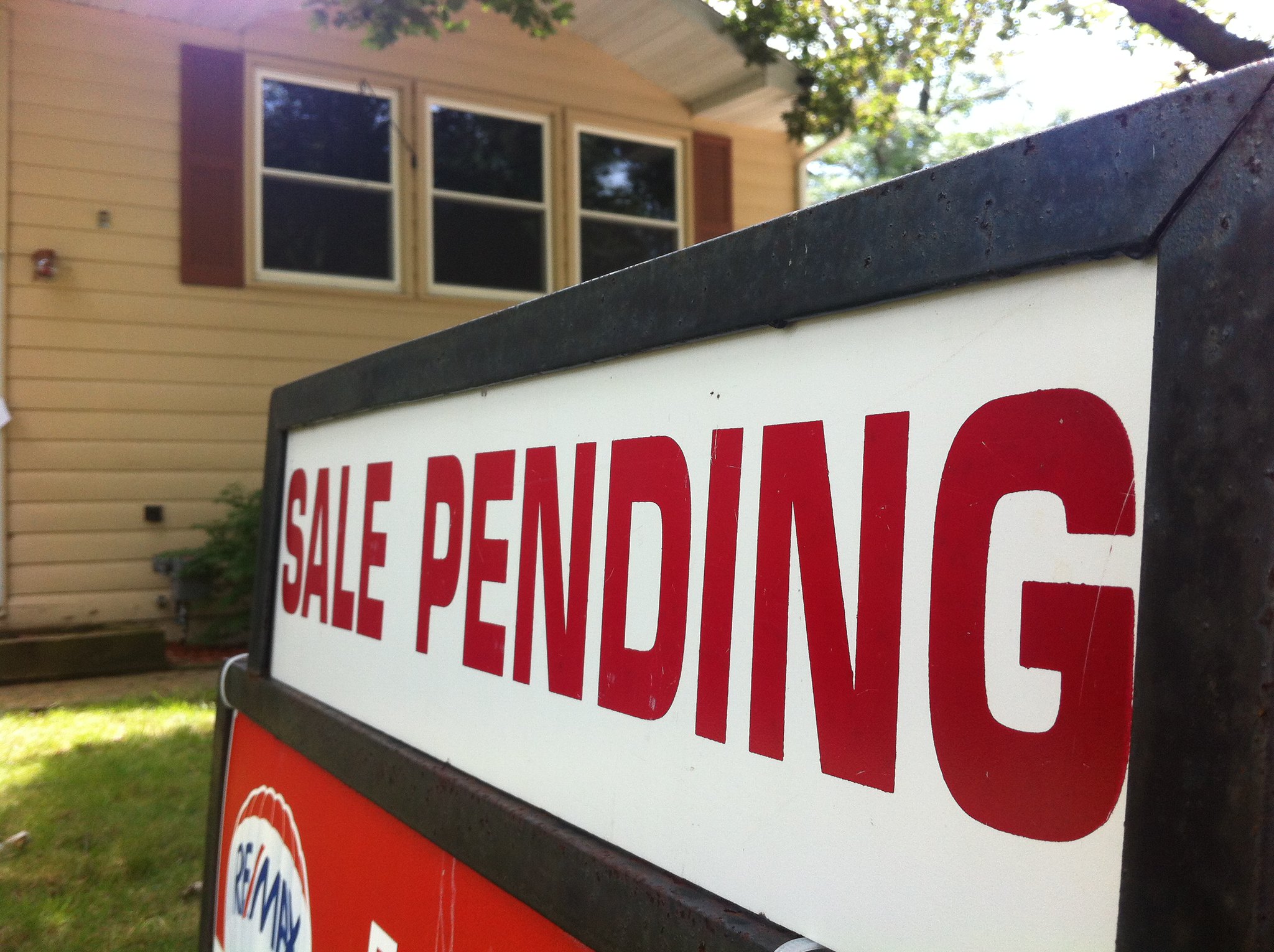
We’ve heard the message over and over again: stay home. It’s simply the safest way to avoid coming into contact with strangers in this era of the coronavirus pandemic. But what if those strangers are the ones coming over to your home?
That’s the situation one WAMU listener (who asked to remain anonymous) has found themselves in recently. Before the pandemic hit, they were told that the owner of the home they were renting wanted to sell it. Home sales are still happening in the region, as WAMU reporter Esther Ciammachilli recently reported. Our listener and his family have found a new place to live, and are set to move next month. But in the meantime, the owner of the home they currently occupy wants to show it to potential buyers.
“We’ve been hunkered down here for several weeks now, socially distancing, washing our hands and disinfecting like crazy,” writes our listener. “Literally nobody outside our immediate family has been inside our house since this all began, so the idea of a bunch of strangers now parading through our house and possibly touching, coughing on, or sneezing on our belongings, doorknobs, countertops, etc., before we move out is not a pleasant one.”
And our listener is curious: how have the different states of emergency and stay-at-home orders impacted real estate, specifically realtors showing occupied homes to prospective buyers? (Baltimore-based reporter Mallory Sofastaii had someone direct a similar question to her, which she posted on Twitter.)
The answer is, well, all over the place. The rules for open houses and in-person showings vary across the Washington region. Let’s start with Maryland, though, where our listener lives.
On March 30, Gov. Larry Hogan signed a stay-at-home order requiring residents to stay put unless they are performing essential activities or work in essential businesses. And following federal guidance, commercial and real estate services in Maryland are considered essential.
Last week, Maryland Realtors published guidance on what the pandemic means for the home-selling and buying. In short: showing homes can still continue, but under what it calls “strict protocols.” Those include in-person activities by appointment only, no more than three people in a house at a time, and those three people “must strictly follow physical distancing guidelines” by staying at least six feet away from each other.
D.C. isn’t very far off, clarifying that “open houses are not permitted” but adding that “showing a home to one potential buyer is acceptable.”
In Virginia, the rules are vague on whether real estate professionals are considered essential or not. Still, Virginia Realtors has provided extensive guidance on how to handle home sales during the pandemic, and has even drafted language to exempt agents from any liability if someone were to come down with COVID-19 during the home-selling process — which would include open houses or in-person showings.
But the organization also stresses that sellers are allowed to refuse access to their home (but they have to do so across the board, not on a case by case basis), and it seems like at least some are taking that option. According to a survey of agents across the Commonwealth, at least a quarter of sellers have canceled in-person showings in the wake of the pandemic.
The group also advises that no agent can be ordered by a seller to hold an open house, and that agents can even ask sellers or buyers if they have recently travelled to areas with more intense coronavirus outbreaks. And the group points to advice from the National Association of Realtors on what to do for in-person showings:
Be sure that guests maintain social distancing of six or more feet apart, and require potential buyers to wash their hands or to use an alcohol-based hand sanitizer immediately upon entry and to remove shoes/cover footwear with booties. Also, be sure to check with your client before using any cleaning products, and recommend that your client disinfect their home after the open house, especially commonly touched areas like doorknobs and faucet handles.
Generally speaking, plenty of the bigger players in real estate have decided to forgo open houses and even limit in-house showings. Redfin, for one, did away with open houses in mid-March, and is now encouraging buyers to use video visits to see properties.
Of course, much of what’s written above may apply to empty homes, or homes whose occupant is also the owner and seller. But our listener is a renter. So do they have any say in whether prospective buyers can walk through the house they are renting?
“Basic landlord-tenant law would protect a tenant from having their right to possession interrupted by a landlord trying to undertake those activities during a pandemic,” says Zafar Shah, an attorney with the Public Justice Center in Baltimore. “Some people are concerned for their health, so there is certainly a legal argument that the landlord forcing the issue would violate contractual rights for quiet enjoyment of the property.”
And even when a lease includes language on when a property can be shown — as our listener’s does — Shah says the fact that a pandemic is occurring could give tenants room to argue that these are exceptional circumstances where those provisions shouldn’t apply.
Matt Losak from the Montgomery County Renters Alliance thinks a tenant could stand their ground and refuse access, knowing full well that currently there’s no means for an eviction to take place.
“In these circumstances, the family could say, ‘Hey, there’s a pandemic, we don’t want anyone in the house.’ Right now there is a moratorium on evictions. Even if the landlord disagrees on the pandemic, what’s he going to do? He can file [for eviction], but the court won’t look at it for months,” he said.
All told, Shah says he thinks Hogan’s order as it pertains to real estate is still unclear, and may need clarification on which activities are permitted (like closing deals that were in the works) and which might not be (like showing homes during a pandemic). Mike Ricci, a spokesman for Hogan, tweeted on Thursday that state officials are talking to realtors and “we are going to determine a course of action.”
But in the meantime, Shah encourages tenants to speak with their landlords if a situation emerges where strangers would be entering the property. Tenants could ask for alternative options, like video tours or photographs, or at least secure some promise of protections like cleaning materials to disinfect surfaces after tours.
“They should try as much as they can to react calmly, use written communication as much as possible, make clear the factors that lead them to believe it’s unsafe to have people view the property, and provide reasonable alternatives,” he says.