At the bright and bustling Bread Furst bakery in Van Ness, the gourmet pastries and crispy baguettes never lingered on the shelf for too long. Now its inventory is headed out the door before it even goes into the oven.
When the D.C. government ordered restaurants to switch to takeout-only orders in response to the coronavirus pandemic, Bread Furst started selling some of its flour and yeast directly to customers. The bakery sells flour in 2.5 pound bags, though a few customers have requested commercial-sized sacks. One customer has ordered two, 50 pound sacks within the last month, says Bread Furst general manager Scott Auslander.
“We’re selling 40 pounds of flour just in a day,” Auslander says. “If people figure out how to do this well, they’re going to put us out of business.”
Auslander isn’t complaining about the swift orders for baking ingredients. Like several bakeries across the District, Bread Furst is trying to make some dough during the pandemic by selling bags of flour and yeast. As Instagram influencers trade their sunny travel panoramas for sepia-toned sourdough photos, more novice bakers are trying their hand at breadmaking. And with big-box grocery stores wiped out of flour and small packets of yeast, D.C. residents are turning to their local bakers for the goods.
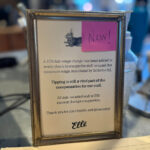
At Ellē, housed in the iconic Heller’s Bakery building in Mount Pleasant, owner Nick Pimentel didn’t know what to expect when he started selling flour and yeast last week. The bakery is only open on the weekends and put out a limited supply its all-purpose, bread, whole wheat, and rye flours, as well as yeast. Twenty, five pound bags of bread flour went first, followed by 20 more of the all-purpose flour and 12 bags of the whole wheat flour. Customers almost depleted 200 servings of 4 ounce packages of yeast and by Sunday, only rye flour was left.
“We knew it would go quickly but we weren’t sure how big of a demand it was,” Pimentel told DCist on Tuesday. “Just today we’ve gotten about 17 emails wondering if we’re gonna do it again this weekend and we haven’t figured out if we are.”
Selling flour alone isn’t enough to keep Ellē’s business afloat. Instead, Pimentel sees the sales as a service to a community.
“It’s just something that we know the neighborhood wants,” he says. “I’m the one who’s working the contact-free window so I get to see and talk to our neighbors. They’re very appreciative and we’re very appreciative of them.”
The return to homemade baking during times of economic hardship is a familiar tale for Jonathan Bethony. In the midst of the 2008 recession, Bethony was unemployed, bored, and looking for a purpose.
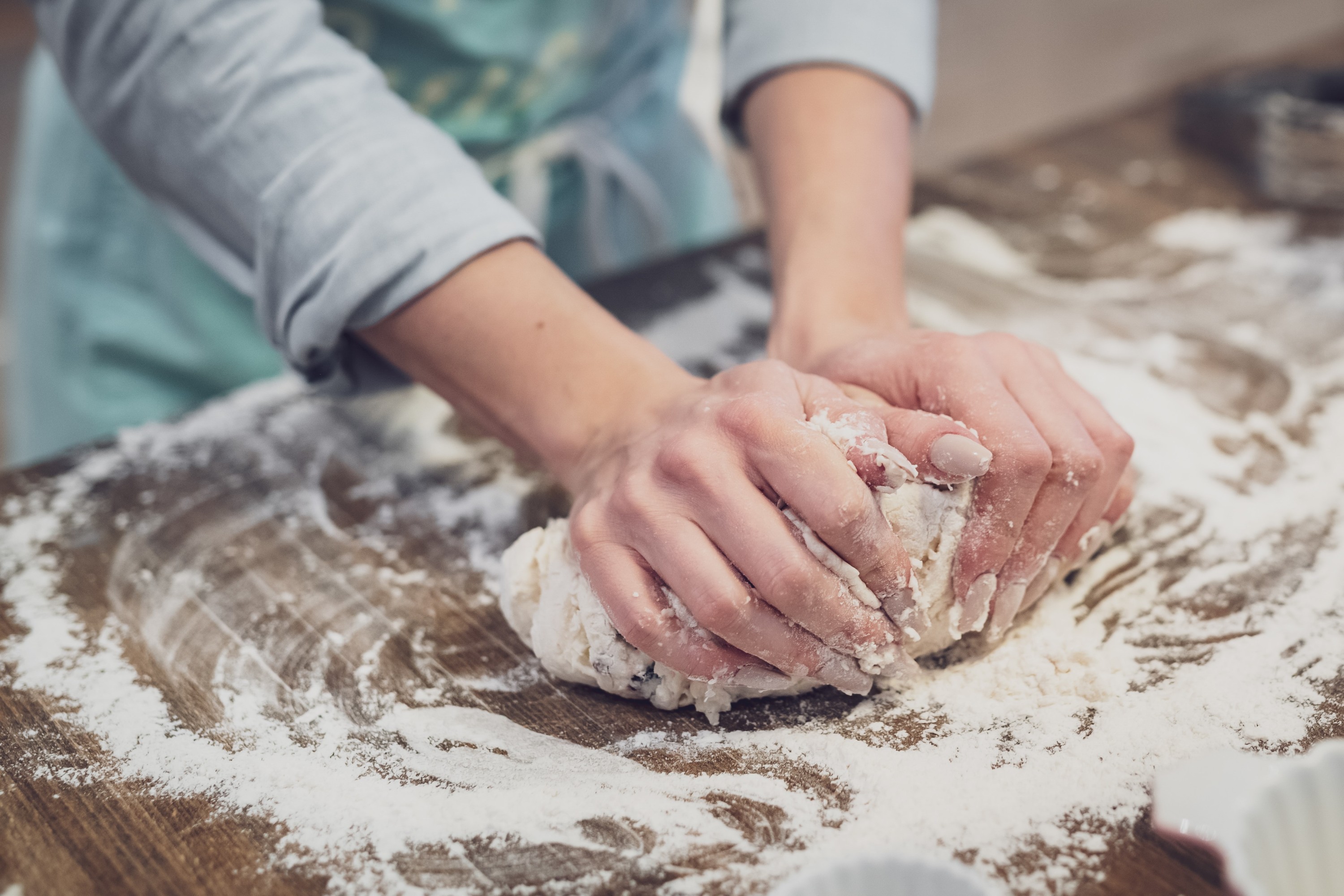
“I just started baking and it helped put my mind at ease to know I was doing something meaningful, and the process of breadmaking is a meditation of sorts,” he says. “I can see that same phenomena going on. People are spending a lot of time at home, it’s kind of passive, you can do other things while baking because you have to wait.”
Bethony turned his homemade hobby into a full-fledged business, opening the whole wheat bakery Seylou in 2017. Since then, he’s sold his whole wheat flour, made from locally grown grains and milled on site, as part of a monthly subscription-based flour club and in sacks on shelves. The business generated a healthy community of bakers that has exploded in size since the coronavirus hit. Seylou has sold so much flour that Bethony has barely caught a break to sharpen the 40-inch stone mill that grinds his wheat, rye, spelt, and einkorn ancient grains.
“It went up like 500 percent,” he says. “We may have sold like 100 pounds a month before and now we’re selling like at least 200 lbs a week.”
Rookie bakers are goosing yeast sales too. Shaw bar Ivy and Coney, known for its hot dogs and bar food, portioned its surplus yeast into condiment containers last week and included it in takeout orders. At Glen’s Garden Market in Dupont, founder Danielle Vogel has dubbed herself “the yeast beast” given the amount of leavening agent she has divvied up over the last month.
“I was literally late for my seder because I was portioning out yeast,” Vogel says.
In 2019, Glen’s sold 100 ounces of yeast. In the last three weeks, the market has sold 20 pounds. The store’s smaller size and access to restaurant sources through its prepared food section has given it more flexibility than larger grocers to stock up on yeast, she adds.
“Everybody’s attempt to work from home means they’re working their dough and not working their jobs,” she says. “It’s totally a stress response. People are at home, they can’t leave and for a lot of people baking is relaxing.”
https://www.instagram.com/p/B–Xtw-hs-L/
While some are clamoring for yeast, others are glomming onto another baking trend on social media: sourdough bread. Before the coronavirus struck D.C., Bread Furst would get a request for a sourdough starter maybe once a week. Now it’s ten people per day asking for a piece, Auslander says. As Washingtonian has reported, chef Johanna Hellrigl of the forthcoming restaurant Mercy Me has gifted more than 200 sourdough starters to her Instagram followers.
The dough, which starts with the fermented mixture of flour and water, owes its recent resurgence to social media shut-ins and offers a tougher challenge for would-be bakers.
“It’s something people can do besides cooking, you don’t need a pasta maker, it takes some time and technique to get it done really well,” Auslander says. “That’s the one of the reasons they’re coming to us. People not only ask us for flour, we get questions for advice or recipes and forward those to Mark [Furstenberg] when he gets time.”
Some of those questions for Bread Furst’s owner, James Beard Award winner Mark Furstenberg, get down to the nitty gritty. Before talking to DCist, Auslander had fielded a call asking for Furstenberg’s rye bread recipe from a 2006 issue of The Washington Post (The customer may have been referring to this 2008 recipe featured in the Post).
At Shopkeepers on Florida Avenue, the boutique-meets-cafe is offering customers more adventurous dough options. Over the last week, owner Pechseda Nak has converted her storefront into an Asian grocery store with an online pantry that features Holland chilis, shrimp paste, and finely milled Korean flour. Maketto uses the same flour for the baguettes on its Cambodian sandwiches and lo mein noodles, says Maketto’s founder and Nak’s husband, Erik Bruner-Yang.
“To get the fluff you need for Asian pastries, you can’t get it from King Arthur [flour], we have to use imported Asian flour,” he says. “It has a fineness to it like powdered sugar.”
While not every home baker will turn into a professional during the pandemic, Bethony likes to remind fledgling bakers to enjoy the process of trial and error.
“Breadmaking is an adventure,” he says. “It doesn’t always start perfect or pretty but it’s the journey and the process. It’s a good contemplative practice to help ground yourself in these times, to take pleasure in the simple things again.”