Among the temporary bar and restaurant closures, some coffee shops have been able to continue serving customers. But Rako Coffee Roasters never got the chance to open its doors.
While Rako was able to open their roastery headquarters in Lorton, Va., last December, sisters Lisa and Melissa Gerben had designs for a “spring pop-up series, targeting late summer 2020 to open our first brick-and-mortar cafe,” according to Lisa. The cafe would have walls graced by art and multimedia installations from in-house talent, with a mission of inclusivity alongside expertly pulled espressos.
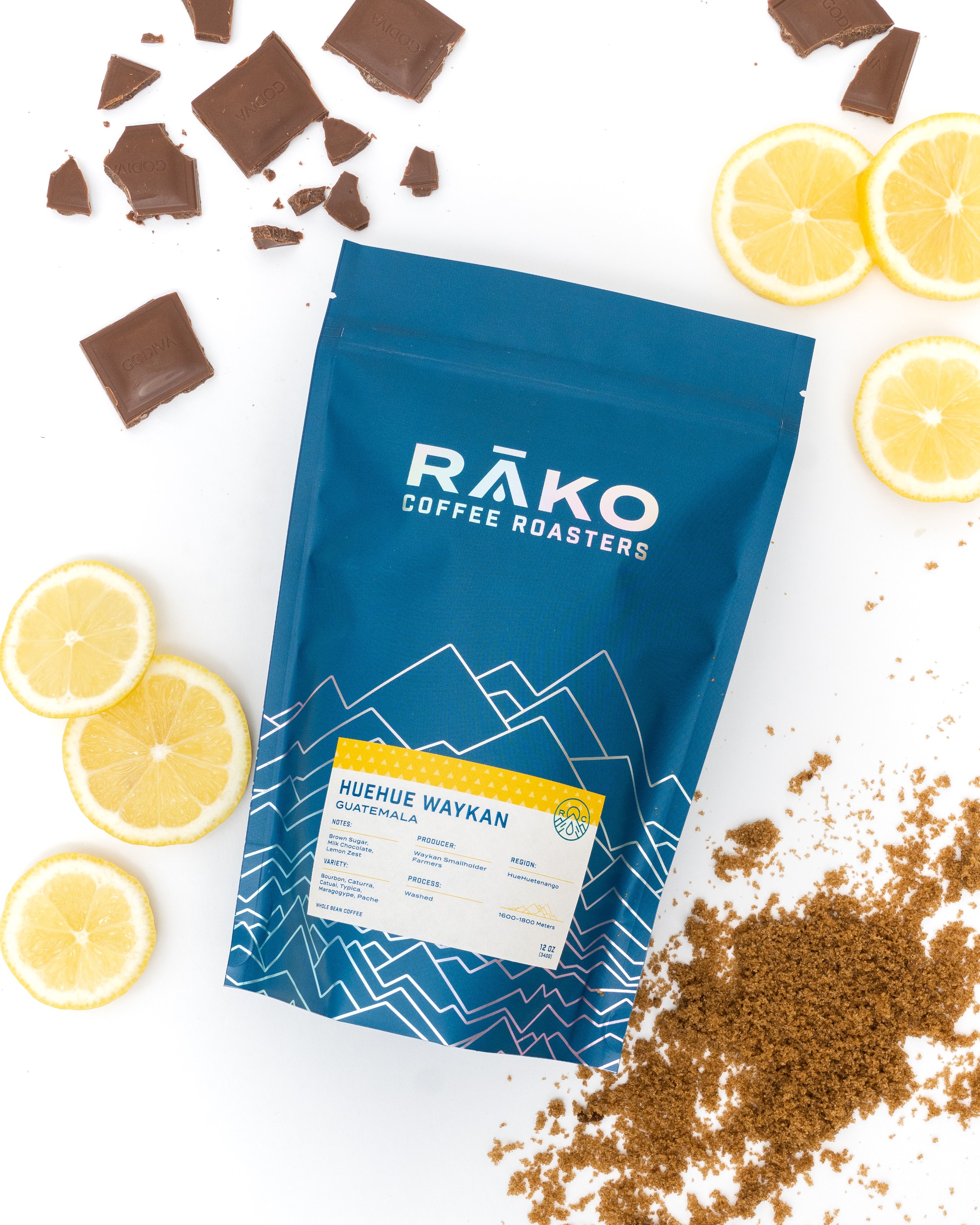
Then, the pandemic roared in. With their best-laid plans thrown off course, the women pressed forward. This week, the company threw open its virtual store doors, featuring freshly roasted specialty coffee from Burundi, Ethiopia, Guatemala, and Indonesia—all available with free shipping within a 30-mile radius of their roastery.
“Our pre-COVID-19 plan was to launch the retail line in tandem with the spring pop-up series, but with that on hold due to the pandemic, it made sense to launch online so people can enjoy fresh, roasted-to-order coffee during the quarantine,” says Lisa.
Named for a mountain in the plains of Ethiopia that the sisters encountered on a field visit to a farmer, Rako specializes in single-origin beans.
The roastery takes “a holistic approach,” Lisa says. “Great coffee is equally about sustainable growing and sourcing practices, working with each coffee to develop roast profiles that bring out its full potential, and then developing brewing methods that highlight all the unique flavor notes.”
Her background is in international trade, and that’s what brought her to many of the coffee cultivation hillsides for the first time. That work inspired the sisters to start the business.
Lisa and Melissa have cultivated direct relationships with farmers and communities, from whom they import beans for local roasting. Rako’s Luleesa Limu coffee, for example—bearing Graham cracker, pomegranate, and butterscotch notes—is direct-trade from a pair of brothers in Ethiopia, who meticulously shade-grow their family-owned terraced farms.
“We believe that the best way to help communities is through economic empowerment,” says Melissa, “and by importing coffee directly from the source, it allows the farmers and their communities to thrive.”
Rako donates a portion of its proceeds to the coffee country of origin’s International Women’s Coffee Alliance chapters, and 10 percent of every sale currently goes to Erik Bruner-Yang’s Power of 10 crowdfunding initiative to support local restaurants and other small businesses.
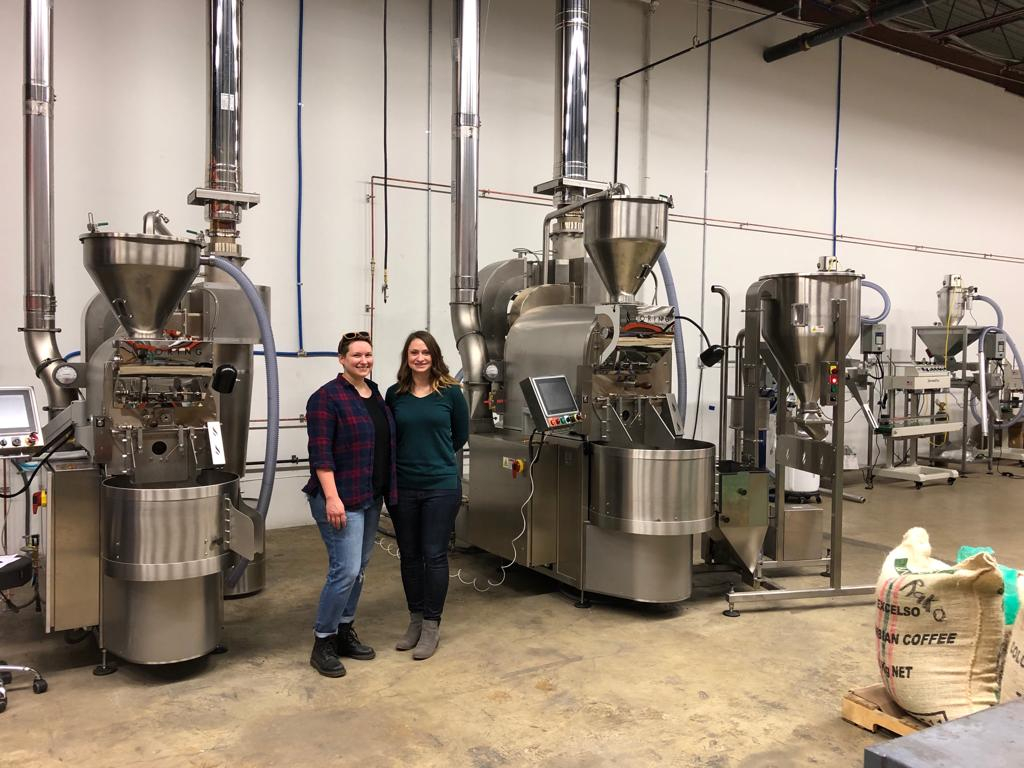
Tending to state-of-the-art machines in their 5,000-square-foot space roastery, the Gerbens are working to deliver craft coffee to the city and beyond. Melissa, who is certified by the Specialty Coffee Association, continues to experiment with the right roast for their goods, cupping batches daily for optimal brews (each geographically distinct bean receives a different roast).
Lisa points out that “coffee has tasting notes, the same way that wine does. The water temperature, grind size, and dosage differ for say, our Washed Buzira Burundi vs. our Sun-Dried Ethiopian Limu, in order to pull out the tasting notes unique to these coffees.”
To guide customers, Rako sends off its beans with handy brew guides to use in everything from a drip machine to a fancy pour-over kit.
At their online shop, 12 oz bags of Rako coffee in six varieties are available for $16-$18 each—a limited edition roast from Burundi is already sold out. Beans are also available for purchase at Maketto, and the sisters say they’re actively looking to partner with restaurants that have pivoted from sit-down to grocery service.
The duo looks forward to serving their joe in person at their cafes, which they hope to open later this year. Until then, they’re making sure their coffee is as good as it can be for those home-pulled Americanos.
“Coffee is only as good as the person brewing it, and that’s why we focus so much on attention to detail in our brewing methods for the home sipper,” Lisa says.