 Carmel Delshad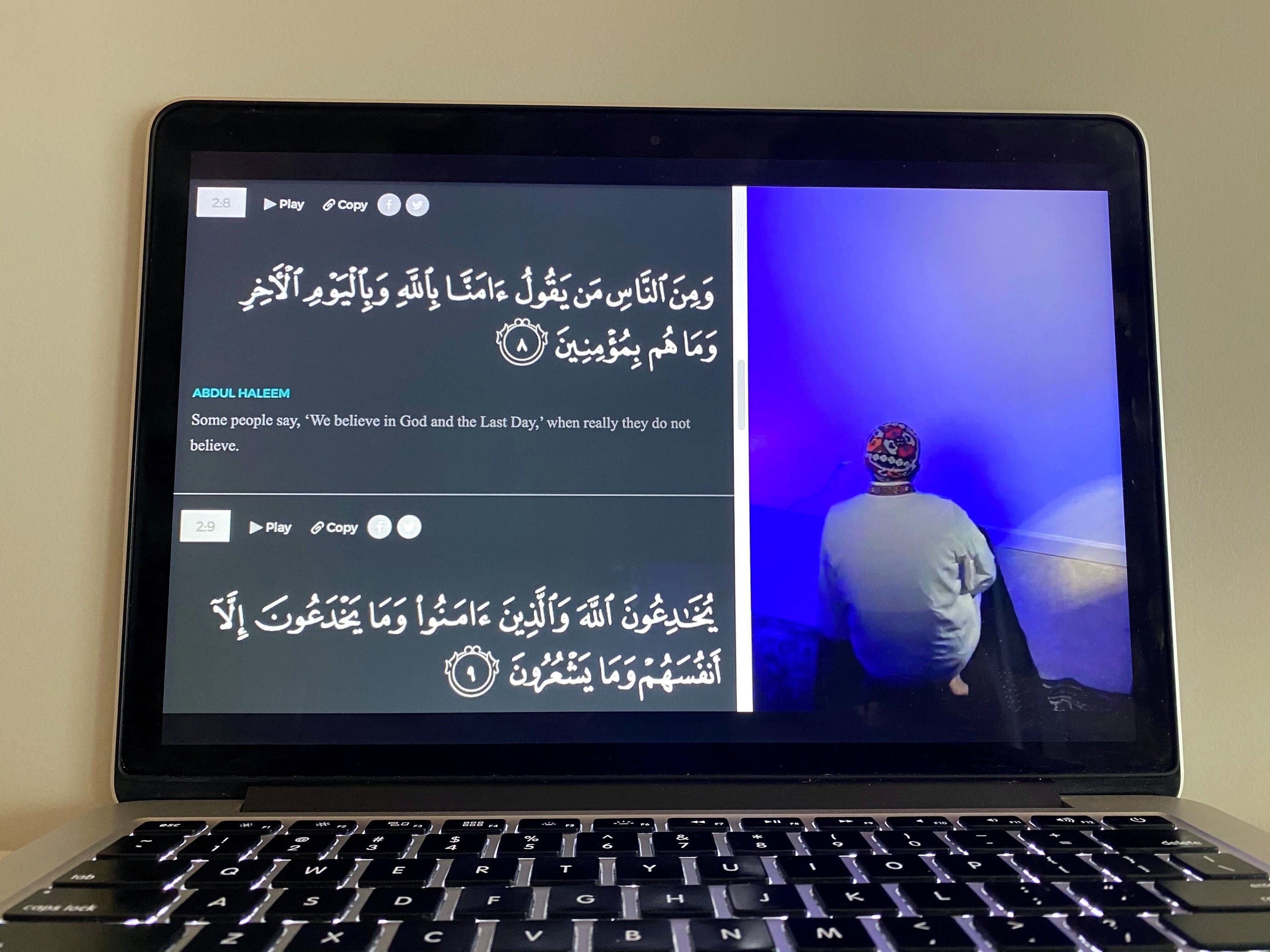
At 29, Burhan Rashid is entering the Muslim holy month of Ramadan with a newfound gratitude for his health after contracting the coronavirus in March.
“Alhamdulilah, we made it through,” Rashid says, thanking God after recovering from the disease. His elderly parents were also diagnosed with COVID-19 after his father, a physician, contracted it from a co-worker.
“It was a very rough two and a half weeks. Just sleepless nights, checking breathing and fever. And just feeling kind of more or less helpless with just nothing but God to look to,” he says.
I ask Rashid how he’s planning on approaching Ramadan after surviving such a serious illness. Practicing Muslims fast from food and drink — even water — from dawn until dusk, though there are exceptions for those who are sick.
“We’re not going to be able to fast for probably the first couple of weeks just out of pure exhaustion and to make sure we can recover,” he says.
Instead, Rashid and his family have committed to helping to feed those in need until they’re able to fast again. It’s one of many changes Rashid and other Muslims are going through as they navigate a very different Ramadan.
But the coronavirus has done away with most communal aspects of Ramadan. Gone are the big group dinners, the visits to the mosques, the early-morning runs to IHOP for pancakes before fasting begins — along with so many other beloved aspects of the month.
But Rashid is taking those changes in stride.
“My faith is between me and Allah. The traditions are nice and everything, but it’s really just observation, that connection that we have,” he says
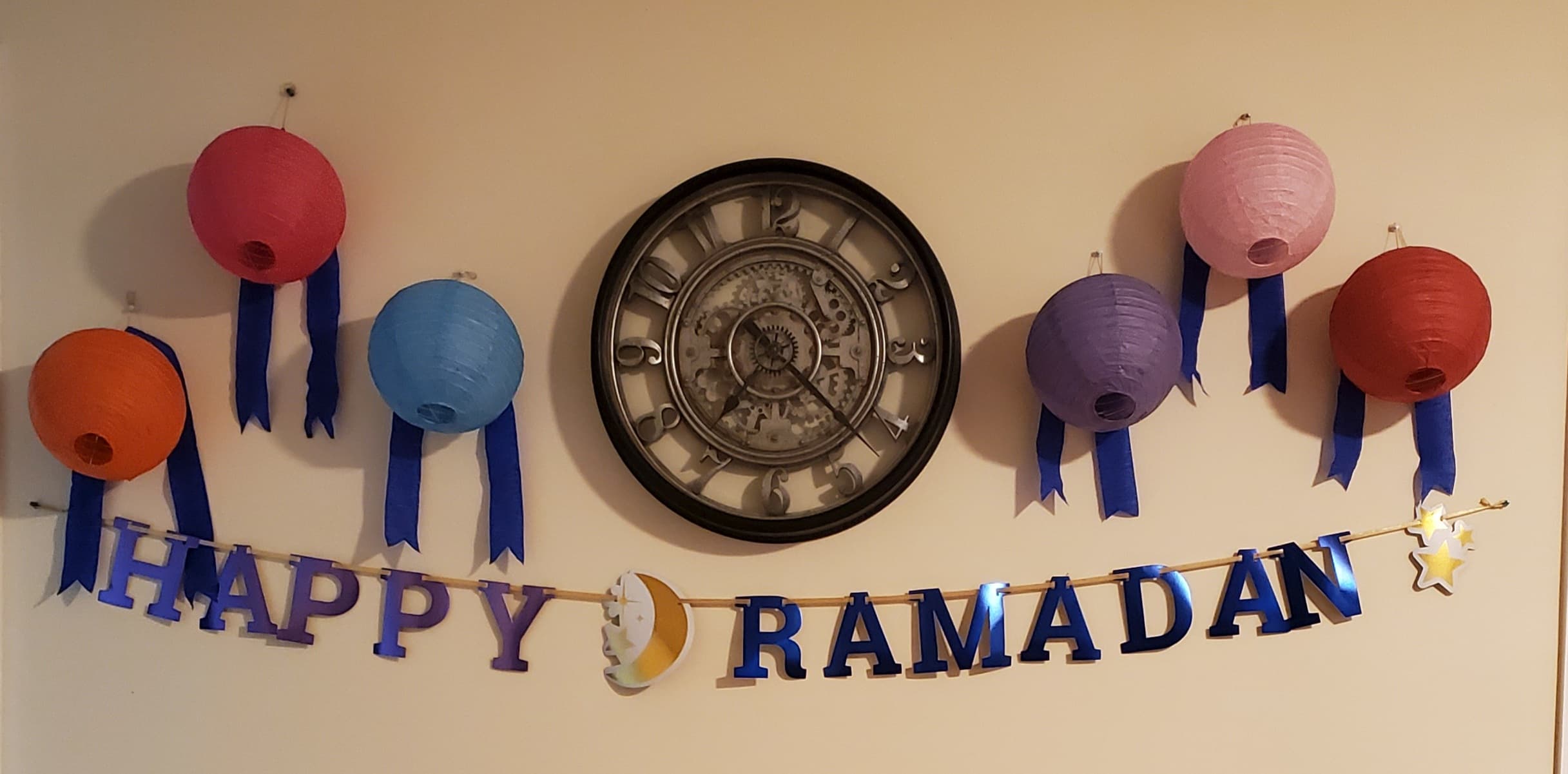
Sharmin’s Ramadan decorations marking the holy month.
Recreating ‘Warm And Fuzzy Feelings’
For Tanzia Sharmin, Ramadan evokes the bright and colorful memories of growing up in Bangladesh.
“It’s like Christmas over there,” she says. “So you have the warm and fuzzy feeling coming out. As soon as you are on the street, you feel everything is like in a holiday mode.”
In a normal year, Sharmin and her husband try to recreate those warm and fuzzy feelings for their 6- and 4-year-old sons by taking them to their local mosque.
“That’s a huge thing that will be missing in this Ramadan for all of us. We also cried, the last day when our mosque announced that it will be shutting down until further notice. It was a huge blow to take,” she says.
Many mosques around the country have moved classes and religious teachings online, live streaming to their websites and Facebook pages in an effort to reach out to their communities.
Sharmin is planning on tuning in, though she acknowledges that might not be easy with young kids. But for her, she says, the essence of Ramadan hasn’t changed, despite everything going on right now.
“I will heavily be focusing this Ramadan toward God, and probably be more attentive to prayer,” she says. “We’ll be praying hard that everything goes smoothly to come out of this pandemic.”
Mosques Create A New Gathering Space Online
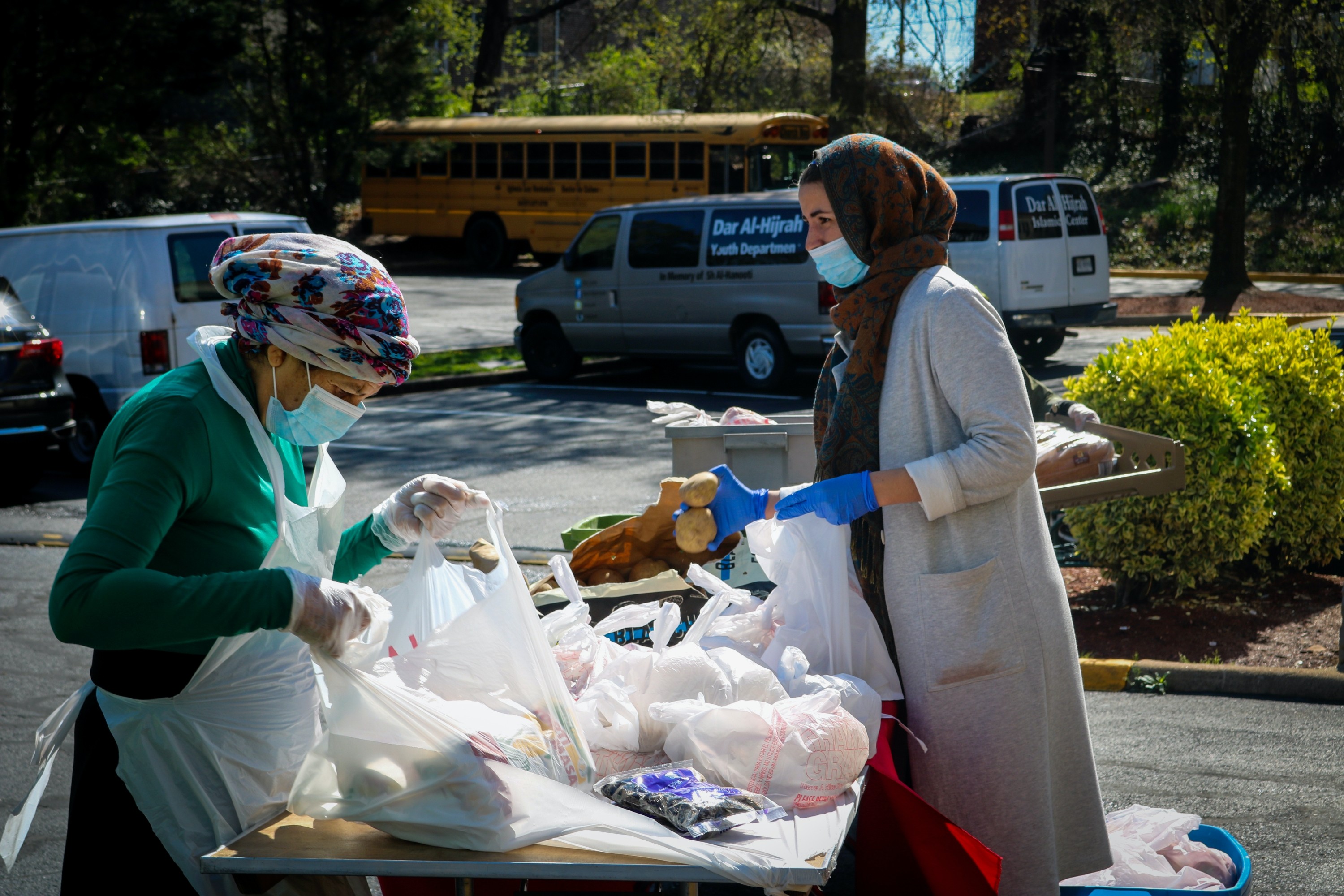
Saif Rahman of the Dar Al-Hijrah Islamic Center shares those prayers for a return to normalcy. The Falls Church mosque has been open since 1983, even remaining open in the wake of anti-Muslim threats after 9/11.
“This is the first time in our history that we had to shut down,” Rahman says.
Still, Rahman says the mosque has a duty to be there for community members in need. Volunteers are cooking 500 meals a day for pickup and delivering 200 meals daily to the elderly, even while donations dry up.
“Many of our donors are amongst those people who are in a difficult situation,” Rahman says. “We are trying to navigate the tight funding with being available for the community during these times.”
The mosque is expanding its online content, too, hosting cooking competitions and Islamic quiz games.
“We’re trying to make sure that our community still feels that connection, and that spiritual element and dynamic that comes with the month of Ramadan,” he says.
And though his mosque, or masjid, isn’t offering prayers online due to a lack of religious guidance on the topic, Rahman says the message is still clear:
“Yes, the masjid may be closed, but the masjid is a place where the community gathers. It’s the house of God. That house is inaccessible now. But that doesn’t mean the community that gathers cannot be together.”
And during a month all about reconnecting with God and learning to do with less, Rahman says the timing is apt for such a lesson — even if it’s a tough one to bear.
This story originally appeared on WAMU.