Elliot C. Williams
Protecting America’s front yard hasn’t always been easy. To shield the National Mall from damage caused by its 30 million visitors a year, the National Park Service invested $40 million to replace the grass with sustainable turf in 2016. NPS also installed 16 acres of protective decking in preparation for Donald Trump’s 2017 inauguration. But it seems like the best thing for the turf has been simply staying off of it.
While the National Mall remains accessible while following social distancing guidelines, D.C.’s typically booming spring tourism industry has ground to a halt by the coronavirus pandemic—leaving iconic monuments largely empty and the Mall’s grounds silent and unusually green.
“It’s very strange to go out to these sites that, on any given day, will have thousands and thousands of people around, and all of a sudden, find them almost literally empty,” says Mike Litterst, NPS’s chief of communication for the National Mall and memorial parks.

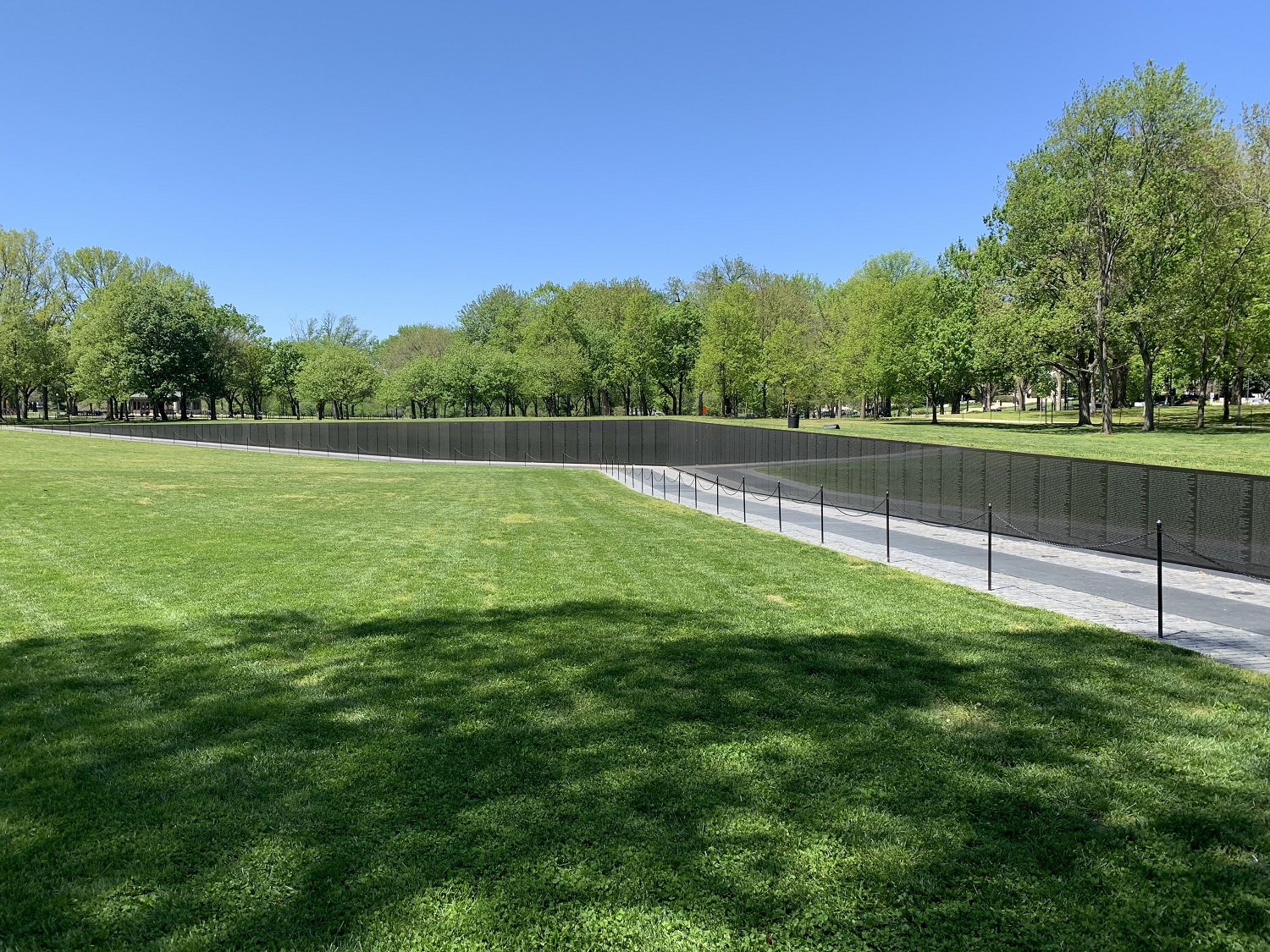

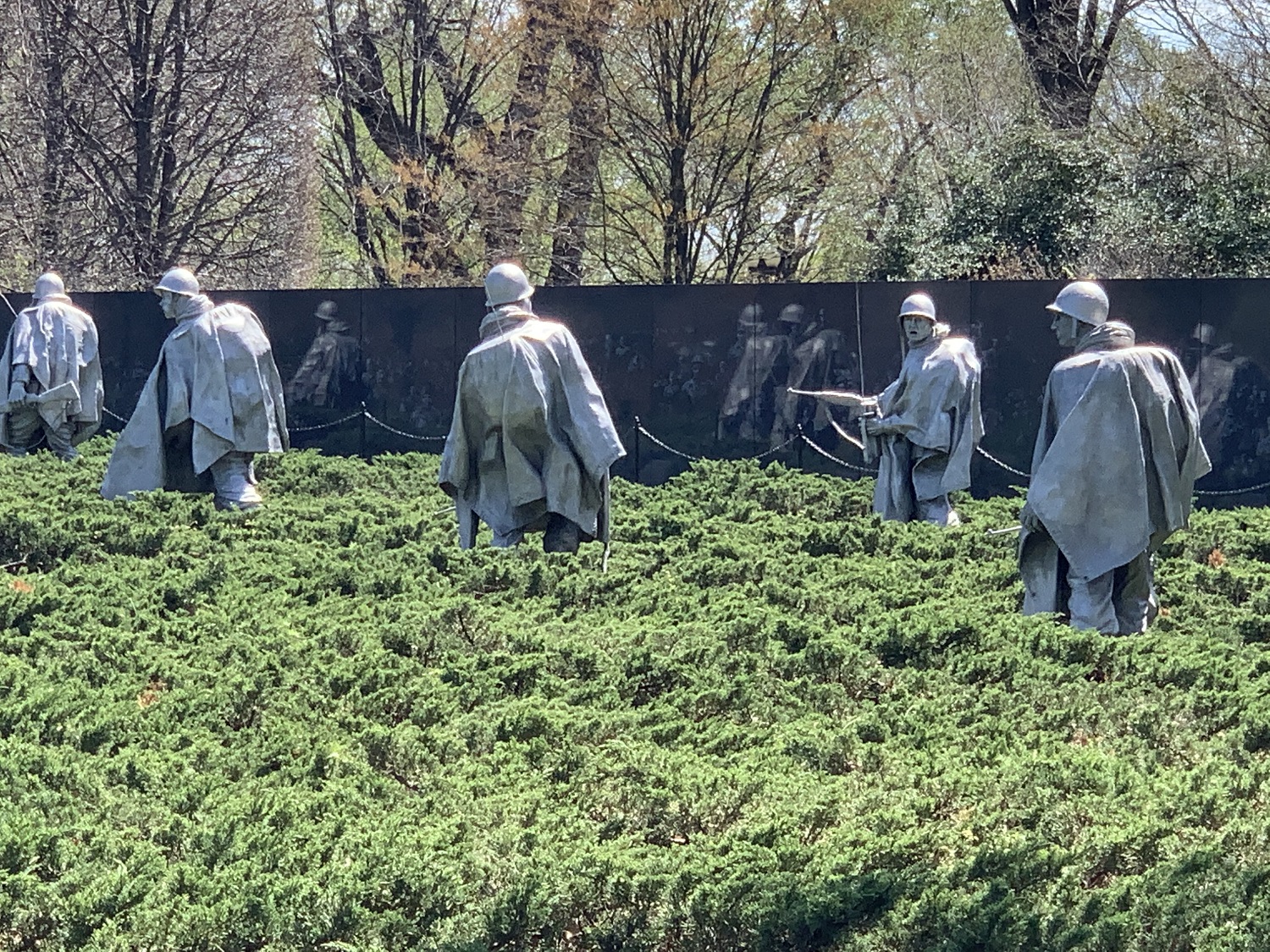
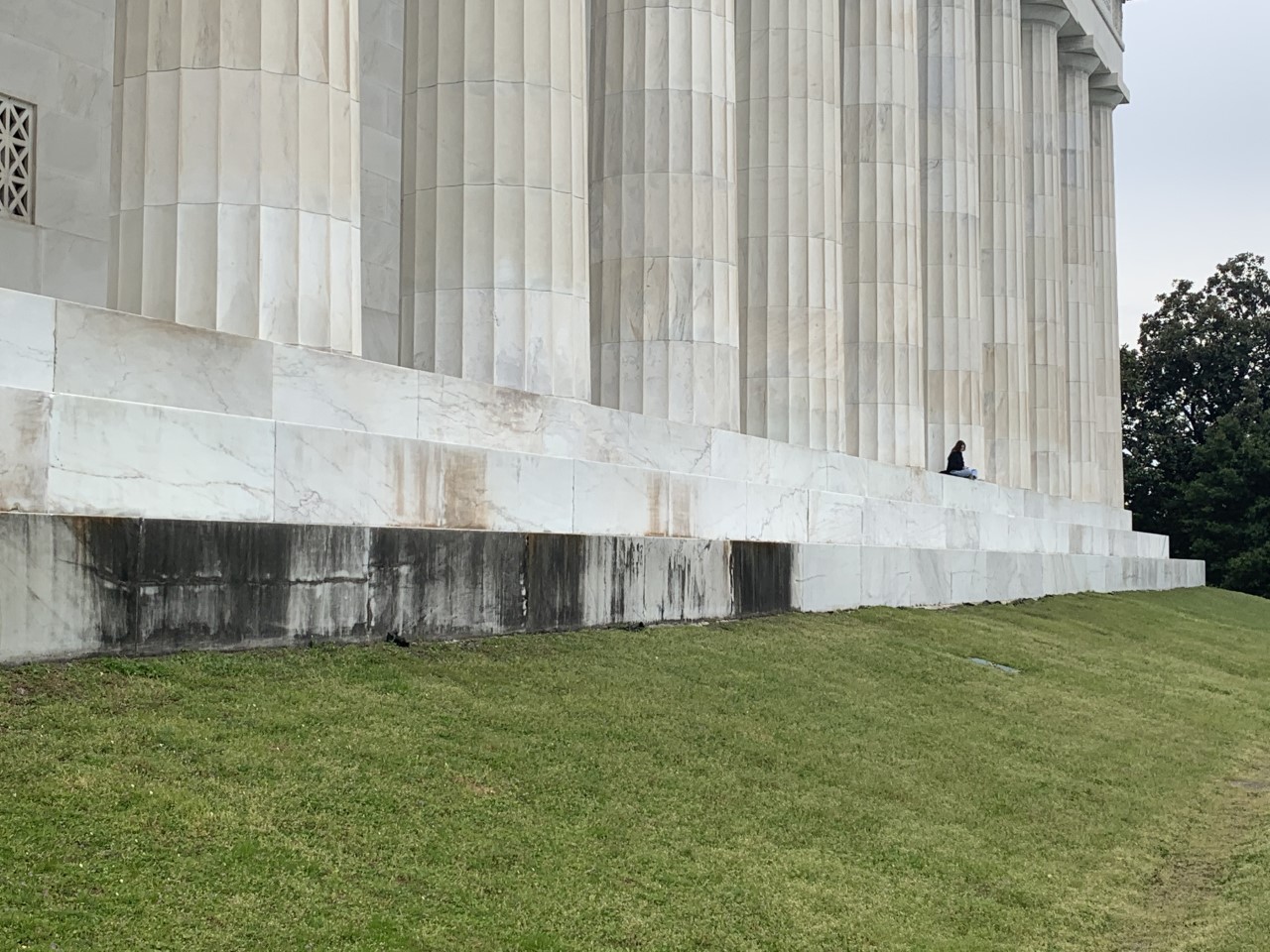
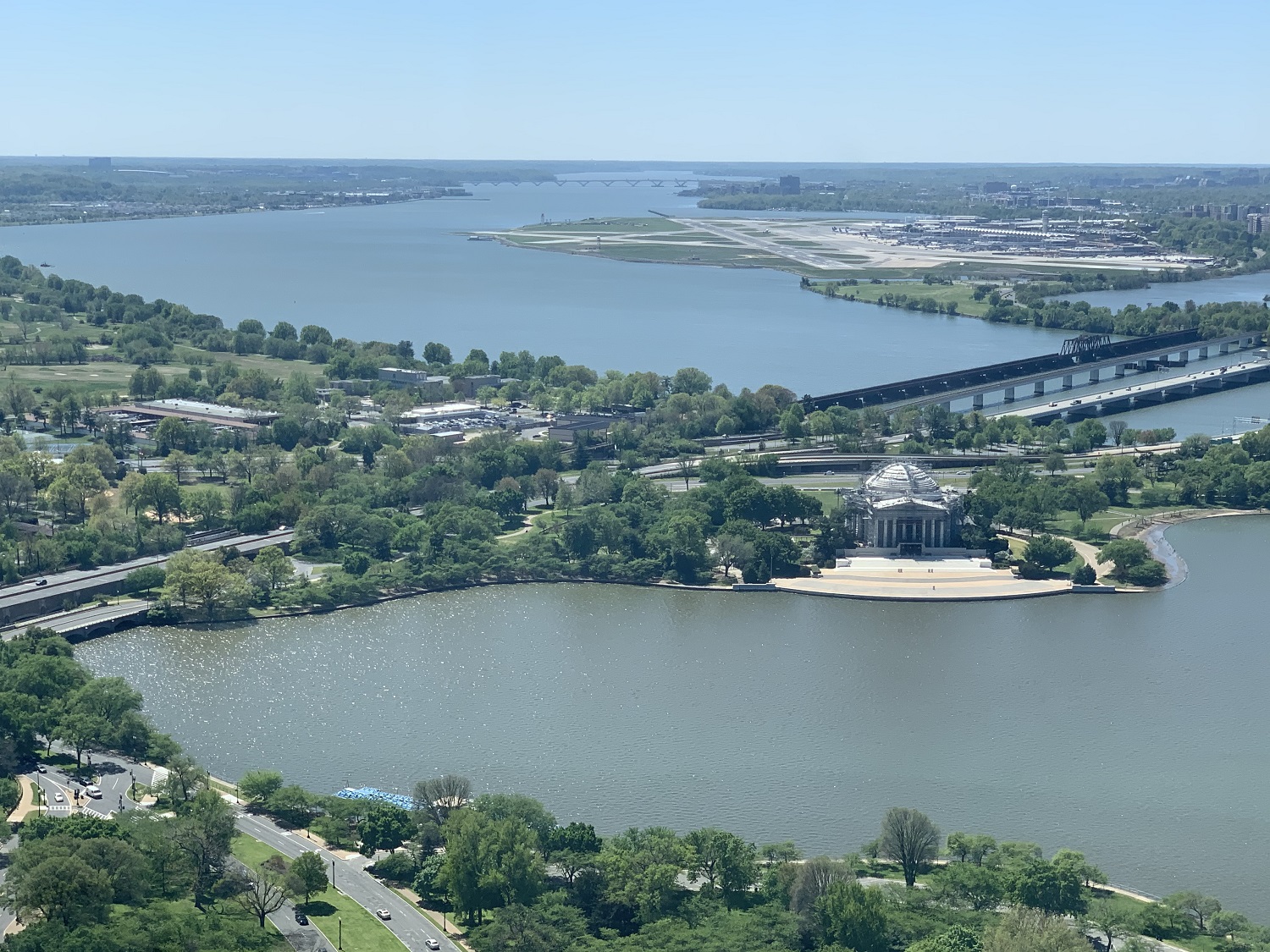

Litterst started at the Park Service as a volunteer in 1983 and says he has had a lifelong association with the Mall in one form or another, but he’s never seen it this empty. In some ways, he says, the emptiness allows for the memorials to be experienced the way they were intended.
“At the the Korean War Veterans Memorial, there are 19 statues of soldiers that are designed to be seen reflected on a wall to create double that number. You don’t usually get that impression because there are so many people around, you can’t see the reflections,” Litterst says. “Now, all of a sudden, it becomes perfectly clear what the architect’s intent was. And really, it’s a fascinating feature.”
The National Mall is technically open for recreational activities under the mayor’s stay-at-home order, but NPS says the facilities and services are “extremely limited,” as all restrooms and parking lots are closed (at the height of peak bloom for the cherry blossoms, Mayor Muriel Bowser restricted access to the Tidal Basin, though that ban has since been lifted.)
The Park Service also stopped elevator tours of the Washington Monument, but a live view from its 555-foot perch is still accessible from a camera placed at the top. It shows a shock of green, which is the result of a combination of factors, according to Litterst. First, the Mall is coming out of the winter rest period when some patches are closed for restoration and recovery. The soaking rains from the past few weeks have also helped. And, of course, the lack of foot traffic—a “tiny fraction of what we would normally see this time of year”—is helping the turf remain lush.
For Litterst, who’s spent his life in the D.C. area, the stillness and silence of it all is unsettling.
“I’ve been out, and there are far fewer cars on the street, there aren’t people around, and there are fewer airplanes going overhead,” he says. “You never think of a downtown metropolitan area as having a quietness to it. … It’s a strange new sensation.”
But in the absence of crowds, the Park Service’s monument preservation team has been doing work that it usually can’t get to when people are around, like washing the base of the Lincoln Memorial, and completing road work for the Arlington Memorial Bridge rehabilitation project.
Still, this isn’t what Litterst and his colleagues signed up for—especially the park rangers who are used to interacting with visitors on a daily basis.
“The whole point of the National Parks and the monuments and memorials is, they’re there to be visited and seen by people,” he says. “We’re not in the business of not having people around.”