Ally Schweitzer
The District of Columbia has already banned evictions and frozen rent increases while the city is under a state of emergency. Next, lawmakers will consider making landlords work out rent repayment plans with tenants who are struggling during the crisis.
The legislation would require both residential and commercial landlords to work out payment terms with tenants who can prove they’re facing financial hardship due to COVID-19. The proposal is part of omnibus emergency legislation up for a vote May 5.
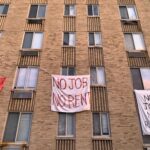
Activists across the region have been calling on lawmakers to cancel rent during the pandemic, but that would be unsustainable, says Councilmember Mary Cheh (D-Ward 3), who is sponsoring the emergency legislation. She calls her bill both “very compassionate” and “very sensible.”
“Nobody’s saying [renters] don’t have to pay. It’s not a free ride,” Cheh says. “It’s giving you time to pay.”
If the legislation passes, residential landlords who rent five or more units would be required to let eligible tenants repay any missed rent under an installment plan. It would only apply to rent due during the state of emergency and one year after the emergency is lifted. The bill doesn’t define the terms of such a plan, leaving that to landlords and tenants to figure out. It allows landlords to apply security deposits and last month’s rent to missed rent as long as tenants agree to it in writing.
Cheh had proposed flexible repayment plans for utilities, too, including electric, water, gas, cable and telecommunications services, but all except water payments were stripped from the latest version of the bill, in an apparent disagreement with Business and Economic Development committee chairman Kenyan McDuffie (D-Ward 5). A spokesperson for McDuffie says the Councilmember plans to introduce his own bill creating repayment plans for utilities.
Approximately 94% of renters in the Washington region paid their April rent before the 26th of the month this year, according to property management software company RealPage, Inc. — a 2.5 percentage point decrease from April 2019. That’s lower than the New York City area, where on-time rent payments fell 4.5 points over the same period, but higher than the Baltimore and Philadelphia metropolitan areas, which saw decreases of 1.7 and 0.3 points, respectively.
Cheh says she hasn’t heard from many tenants worried about losing their homes during the pandemic, but that could be because the city has already banned evictions on a temporary basis. The real test will come after the state of emergency ends and eviction proceedings can continue, she says.
“The question arises, ‘What happens then?’ And that’s what we’re focused on now,” Cheh says.
This story originally appeared on WAMU.