Elliot C. Williams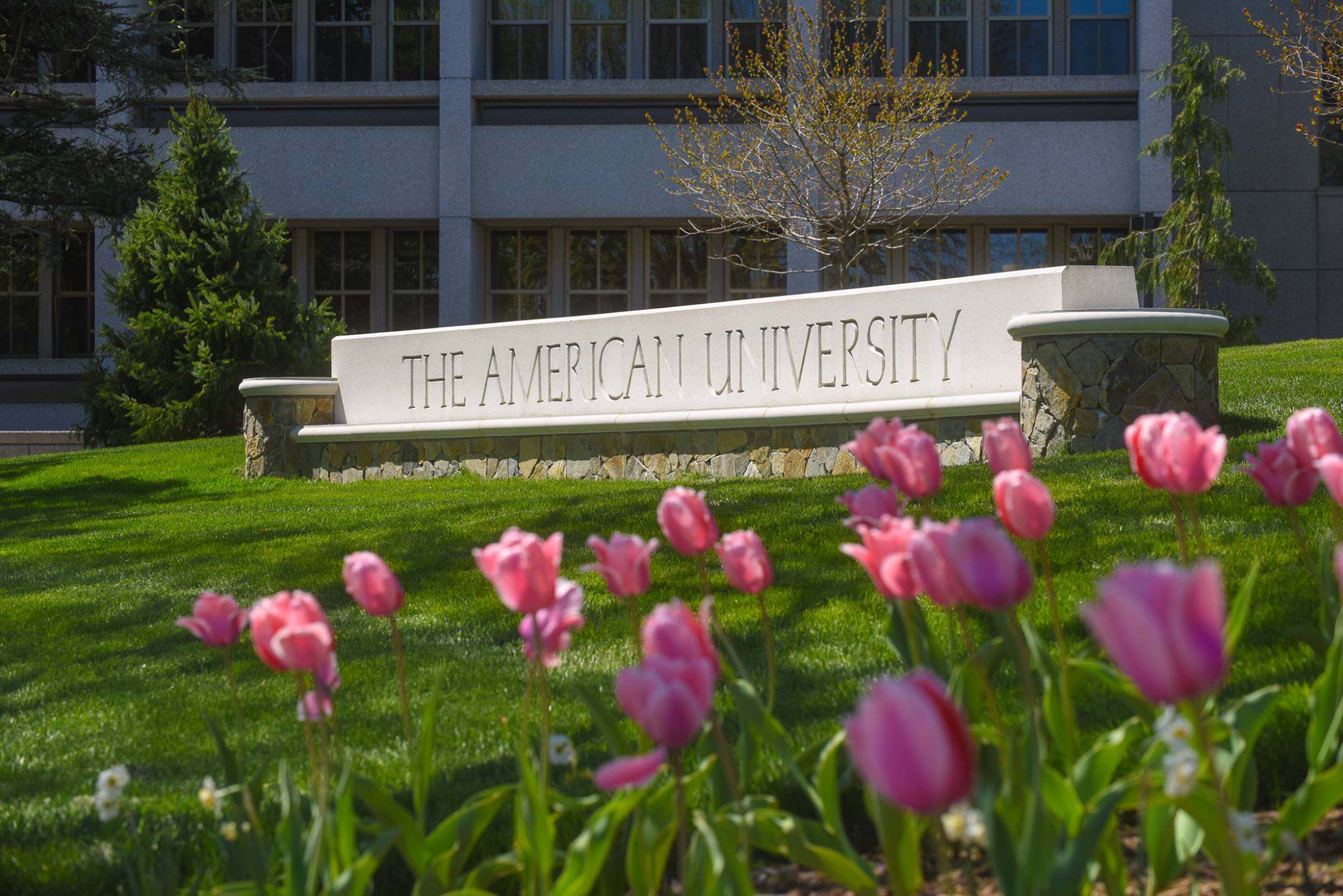
Universities are facing mounting pressure from students and parents who say the institutions are not fulfilling promises of robust, in-person instruction, after the coronavirus forced campus closures and moved classes online.
Now, some students at local universities are taking legal action, joining undergrads at more than 50 colleges nationwide. A student at American University and a parent of a student at George Washington University have filed class-action lawsuits against the universities, seeking reimbursement for tuition and fees.
On Friday, American University student Maaz Qureshi of New Jersey filed a class-action lawsuit in the U.S. District Court for D.C. on behalf of himself and his classmates. In the suit, he argues that, while closing campus during the pandemic was the right thing to do, the decision deprived him and his classmates of the “benefits of in-person instruction, access to campus facilities, student activities, and other benefits and services in exchange for which they had already paid fees and tuition.” (Disclosure: AU holds the license for DCist’s parent company, WAMU.)
The suit cites American University’s online marketing of “university life,” which includes Greek life, athletics, and student organizations, as well as the benefits of being situated in the District, which “serves as a laboratory of learning for students,” per the university’s website. The suit also references communication from AU administrators acknowledging the disappointment of not finishing the semester in person.
Undergraduate tuition for a semester at AU costs between $24,535 and $26,170. Housing costs range from $3,730 to $7,398 and meal plans cost $800 to $3,050 per semester, according to its website.
Roy Willey, a lawyer for the Anastopoulo Law Firm—representing Qureshi and at least 18 other plaintiffs in similar cases—says that it’s unfair for the financial burden of the health emergency to fall on students and their families, and that universities owe money for not delivering promised services.
“Colleges and universities are not unlike any other business in America, and they too have to tighten their belts during this unprecedented time,” Willey says. “They are not any more entitled to keep money for services they are not delivering than the mom and pop bakery on Main Street.”
In a statement to DCist, American University said officials are reviewing the litigation. “Throughout the COVID-19 situation, we have taken unprecedented steps to support our campus community and deliver our robust, high-quality education to students,” the university said. “During this time, students continued to have access to our expert faculty and the wide range of academic and support services that are the foundation of our educational mission.”
AU has already reduced the cost of its summer sessions by 10 percent after announcing classes would be online, according to the Washington Post. That would save the typical summer student about $1,000, AU President Sylvia M. Burwell said.
In a similar suit filed Friday, Mark Shaffer, the parent of a George Washington University student, alleges that his daughter’s classes have suffered in quality and rigor since going online.
“[The university] continues to charge for tuition and fees as if nothing has changed, continuing to reap the financial benefit of millions of dollars from students,” the suit says. “[GW] does so despite students’ complete inability to continue school as normal, occupy campus buildings and dormitories, or avail themselves of school programs and events.”
GW hadn’t been served the lawsuit as of Monday, but is aware it has been filed, according to spokesperson Crystal Nosal.
“GW knows this is not how our students expected to complete their classes this spring,” Nosal said in an emailed statement. “While our classes usually meet in person, sometimes they do not. And in these extraordinary circumstances, they cannot.”
From March 20 through the end of the semester, the university applied credit to students’ accounts for their nightly residence hall rate, and students were given the option to request reimbursement for dining plan and parking permit expenses during the virtual-instruction period, Nosal said. GW also reimbursed students for study abroad program and international travel fees.
“GW, like many colleges and universities all over the country, has heeded the recommendations of public health experts by providing online classes in lieu of in person classes,” Nosal said. “In general, student’s tuition is subsidized by other university revenues to account for the full cost of providing the curricular and co-curricular experience for our students. Our faculty have worked hard to provide our students with a quality academic experience by distance, and our staff too have worked hard to provide mechanisms for students to meaningfully engage with each other.”
GW tuition costs between $25,875 and $29,275 per semester, dining plans range from $1,525 to $2,375, and residence hall rates range from $4,675 to $8,420, the suit alleges.
“GW touts its ‘academic and residential amenities of a top notch university with the excitement and convenience of living in the heart of the city,’ a severely different experience than students are currently afforded.” says Steve Berman, the attorney representing Shaffer and plaintiffs filing suits against Boston University, Brown University, and Vanderbilt. “Millions of parents of college students are facing major setbacks, including unemployment, and now they’re stuck having paid tens of thousands of dollars for a semester that has essentially been cancelled due to mandated shutdowns and shelter-in-place orders.”
While some students and their families are turning to litigation to address their concerns, that’s not the only method underway to redress the supposed shortcomings of online learning. Some are signing petitions, writing letters to administrators, and threatening to hold out on payment unless tuition is reduced or at least partially reimbursed.