Matt Blitz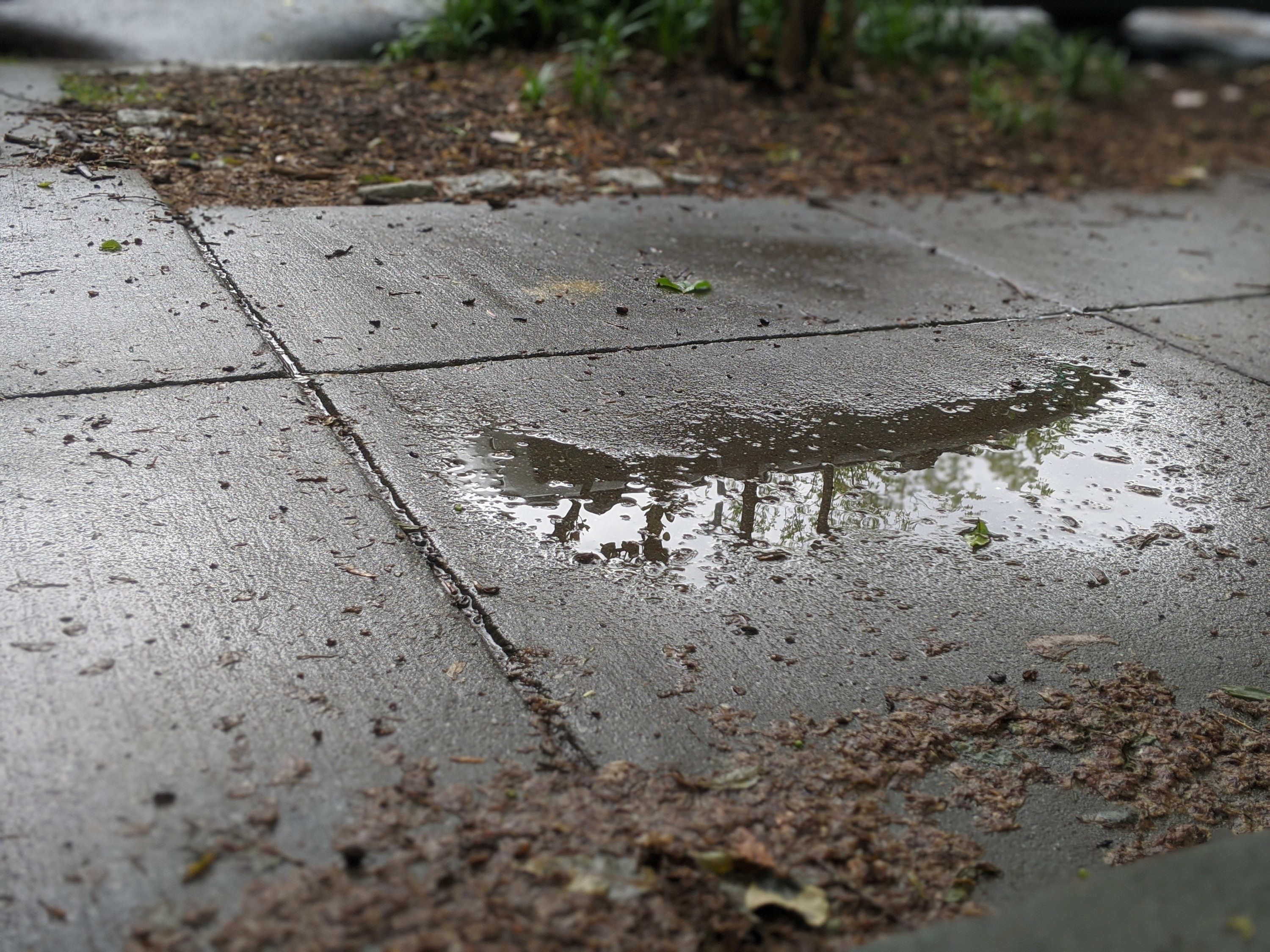
It’s not your imagination that the scene out your window has largely been the same cold, dreary, rainy day over and over again. It has measurably rained for the last 12 out of 14 days, as the Capital Weather Gang points out. And, since mid-April, the majority of those days have had below-average temperatures.
“Spring is missing in action,” says Christopher Vaccaro, a spokesperson for the National Weather Service, which is based in D.C.
Overall, there was 6.3 inches of rain in April, making it the seventh wettest in the 150 years that records have been kept, according to the Washington Post. And it’s the rainiest April since 2014. “We’ve also had a record number of days with precipitation,” says Vaccaro. “We just can’t catch a break. We can’t get a persistent pattern of sunny, warm weather.”
While temperature fluctuations are pretty common this time of year, the length and lateness of this spell is what makes it different.
“Spring is the battle zone between the transition from winter to summer. But the persistence of this cooler and damp weather is unusual,” according to Vaccaro.
As if we didn’t have enough bone-rattling news right now, it’s about to get colder. It might even snow. In May.
Vaccaro says it’s unlikely that we will see any in the I-95 corridor, while the Capital Weather Gang calls it “somewhat of a long shot.” But it’s not out of the realm of possibility with Friday night and Saturday providing chances for flakes in the D.C.-metro region.
If flakes do fall, it would be the second-latest on record in D.C. history. On May 10, 1906, a trace of snow (meaning flakes were observed but didn’t stick) was recorded. There’s never been a measurable snowfall in May on the record, which dates back to 1871.
For home and urban gardeners, none of this is good news. Jon Traunfeld, the former master gardener coordinator for the state of Maryland, is the director of the home and garden information center for the University of Maryland extension.
They’ve been getting a stream of calls from people asking about what they should do about the vegetables they’ve already planted, like cucumbers and tomatoes. “All these vegetables are pretty wimpy,” says Traunfeld, “They’ve probably already seen some injury.” He adds that wind, lots of rain, rapid fluctuates in temperature, and overcast days cause “environmental stress”—which is, of course, what we’ve seen a lot of this spring.
Traunfeld does provide some good news or, at least, ways to minimize the damage. He recommends covering vegetable plants when you know temperatures are going to dip, like this weekend. “You can use paper bags, blankets… bubble wrap,” he says. “Just get it on before dark. Then, the next morning, take the covers off.”
For dealing with downpours, he recommends not disturbing the soil and waiting until it dries out a bit before planting more.
With a lot of folks at home and looking for socially distant ways to spend time outdoors, Traunfeld recommends gardening as wonderful exercise. “Try something you haven’t grown before,” he says. “But maybe just wait.”