Héctor Alejandro Arzate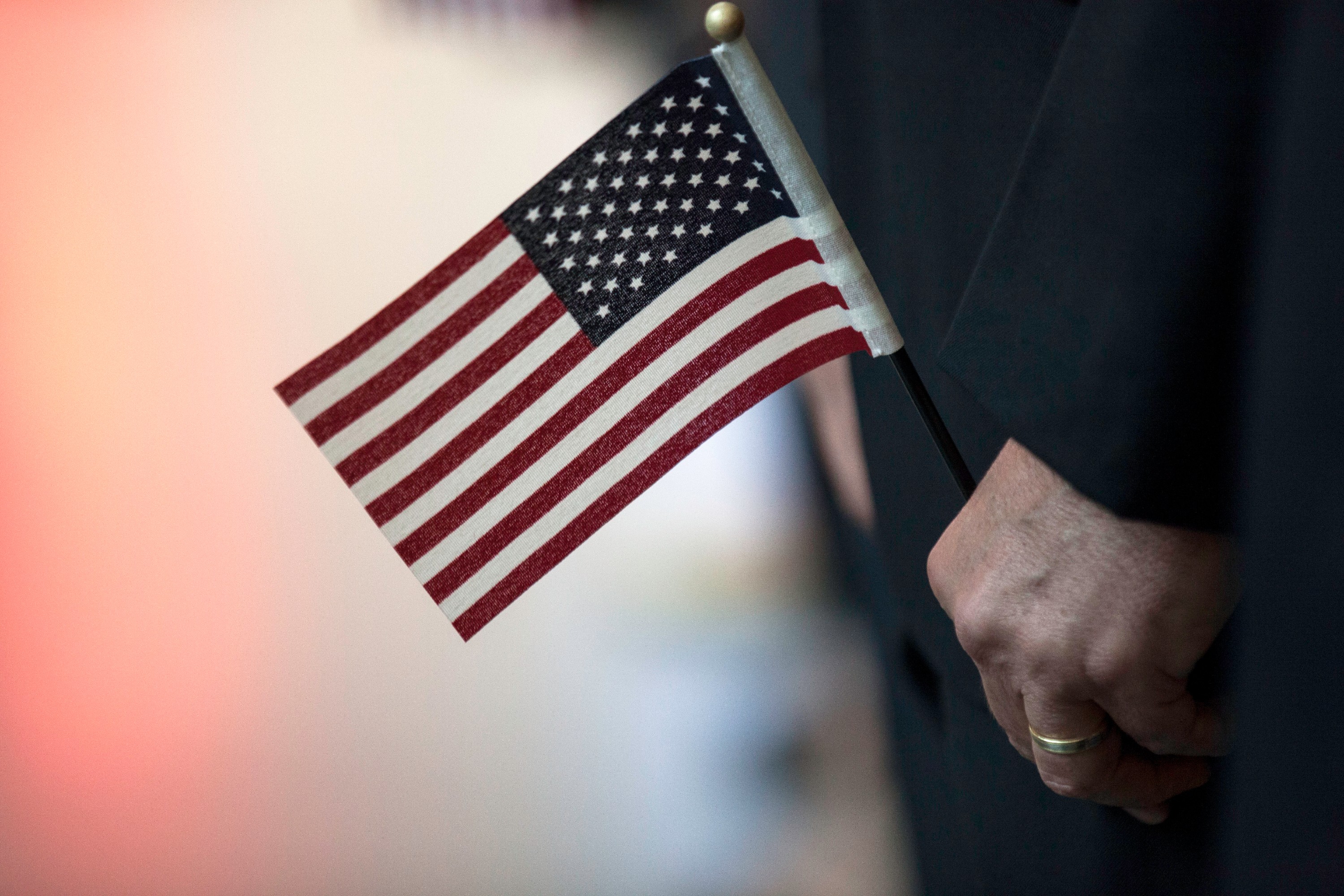
Every year, more than 700,000 green card holders are naturalized in the U.S., including more than 1,600 in D.C. as of 2018. For some, the path towards citizenship—let alone a green card—can be hindered by a complicated legal process and hundreds of dollars in filing fees. And even after they’ve met all the requirements, green card holders still have one last milestone to reach: taking the Oath of Allegiance during their naturalization ceremony.
But 2020 is different for these aspiring citizens than past years. The coronavirus has halted some immigration services and postponed naturalization ceremonies, leaving hundreds of D.C. residents stuck at the citizenship finish line. Now, they must wait longer to become citizens and receive all its benefits, regardless of whatever plans they had.
“I first came to the United States in 1987 to celebrate Thanksgiving with my family in San Diego,” says Soila Esperanza Chicas, who was born in El Salvador. “After two weeks, I moved to Washington and started working, wherever I could.”
Eventually, Chicas found a job at an industrial laundry service in Lanham, Maryland, where she cleaned restaurant tablecloths and hospital sheets. She still works there today, and she even lives in the same D.C. neighborhood, Park View, as she did when she first moved here.
While Chicas now has two daughters and has called the District home for more than three decades, she can’t vote in D.C. elections because she isn’t a naturalized U.S. citizen. She was supposed to naturalize on March 24, but, due to the COVID-19 crisis, her ceremony was delayed until an indefinite date.
“I thought to myself, ‘I’m going to apply to be a citizen so that I can vote and have benefits,’” Chicas tells DCist. “But we’re still not citizens because we haven’t had our ceremony. So we’re still on the outside.”
The naturalization ceremony is a legal requirement where green card holders, or permanent residents, must pledge their allegiance to the U.S and recite an oath to the Constitution. For those becoming new citizens, it’s also a day to celebrate. In D.C., such ceremonies typically host dozens if not more than 100 people each. They take place at federal venues, including courts and the National Archives.
Amid the coronavirus pandemic, the federal government recently postponed two naturalization ceremonies that were scheduled in the District, in March and April. Two other ceremonies that were planned for May 12 and 19 are also being postponed. (D.C.’s state of emergency is set to last until at least May 15, with officials saying the the city’s shutdown could continue into the summer.)
The U.S. Citizenship and Immigration Services, part of the Department of Homeland Security, is the agency that manages the naturalization process. It has closed its offices until at least early June to help prevent the spread of COVID-19, but has not announced when naturalization ceremonies would start again. The agency says it is still accepting applications for immigration benefits and performing “mission-essential duties that do not involve in-person contact with the public.”
Some immigration advocates say the delay in ceremonies is impeding hundreds of would-be citizens in the nation’s capital. Groups like the Niskanen Center, a think tank based in the District, are even calling for the federal government to hold remote naturalization ceremonies during the crisis, not only to allow green card holders to become citizens but to resolve a mounting backlog of cases.
“This is going to prevent D.C. residents from becoming U.S. citizens in a timely fashion, which of course affects their opportunity in a myriad of ways,” says Rachel Gittinger, the director of citizenship and civic engagement at CARECEN, an immigration organization. “It’s just completely unacceptable to deny benefits to people who have met all the legal requirements because you can’t figure out how to hold a ceremony.”
Among those legal requirements are a $640 filing fee, a background interview, and a test on English and U.S. civics. The process can be difficult for many green card holders whose first language isn’t English.
As a client of CARECEN, Chicas enrolled in citizenship classes funded by USCIS, the D.C. Mayor’s Office on Latino Affairs, and other organizations. She says she attended class on Saturdays, studying on Sundays and after work during the rest of the week.
“I would pick up a book and study during all of my free time until I learned,” Chicas adds. “When I went to my interview, I asked God for help. … The Lord helped me too.”
Along with naturalization ceremonies, USCIS has temporarily suspended applicant interviews, which advocates say could further increase the citizenship backlog. The agency says it did so to protect people, including staffers and applicants, from the coronavirus.
In a statement, a spokesperson for the agency says “USCIS will automatically reschedule naturalization ceremonies and naturalization candidates will receive a notice for their rescheduled ceremony by mail.” Naturalization ceremonies are challenging to administer virtually or by telephone because of “statutory language” mandated by Congress, according to USCIS.
Fourteen of CARECEN’s clients have already been impacted by the postponed ceremonies, says Gittinger. Depending how long the closures last, some green card holders’ teenage children may have to apply for citizenship as adults.
“It’s going to have real consequences for parents who might be naturalizing and have a child who’s nearing the age of 18,” explains Gittinger. “People in that situation are really going to be adversely affected because they have a time crunch. And then, as people are looking for work, are looking to travel, or need to travel for family emergencies, all those opportunities are going to be limited as permanent residents.”
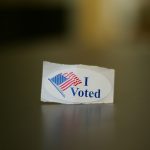
It also happens to be an election year, and, at the current rate, D.C.’s green card holders won’t be able to vote in the June 2 primaries. Chicas says she’s prepared to wait as long as it takes to naturalize, knowing that the suspension of ceremonies and the associated case backlog could potentially affect her ability to vote in the November general election as well. Gittinger calls the situation a “real failure of democracy.”
Under normal circumstances, representatives from the D.C. Board of Elections would attend naturalization ceremonies and be on hand to register new citizens to vote, notes Rachel Coll, a spokesperson for the board. But because citizenship matters are outside of the board’s purview, election officials are waiting for word of resumed ceremonies too.
While there have been calls for virtual oath-takings, USCIS hasn’t said whether it plans to host any or expedite naturalization ceremonies in other ways. CARECEN’s Gittinger is frustrated by that lack of initiative, saying her clients and communities across the country would benefit from flexibility under the current circumstances.
For Chicas and other immigrants like her, the coronavirus has introduced additional uncertainty in an already unpredictable path to citizenship. “We don’t know when this will end,” she says of the crisis. “Time has stopped and we can’t move forward.”