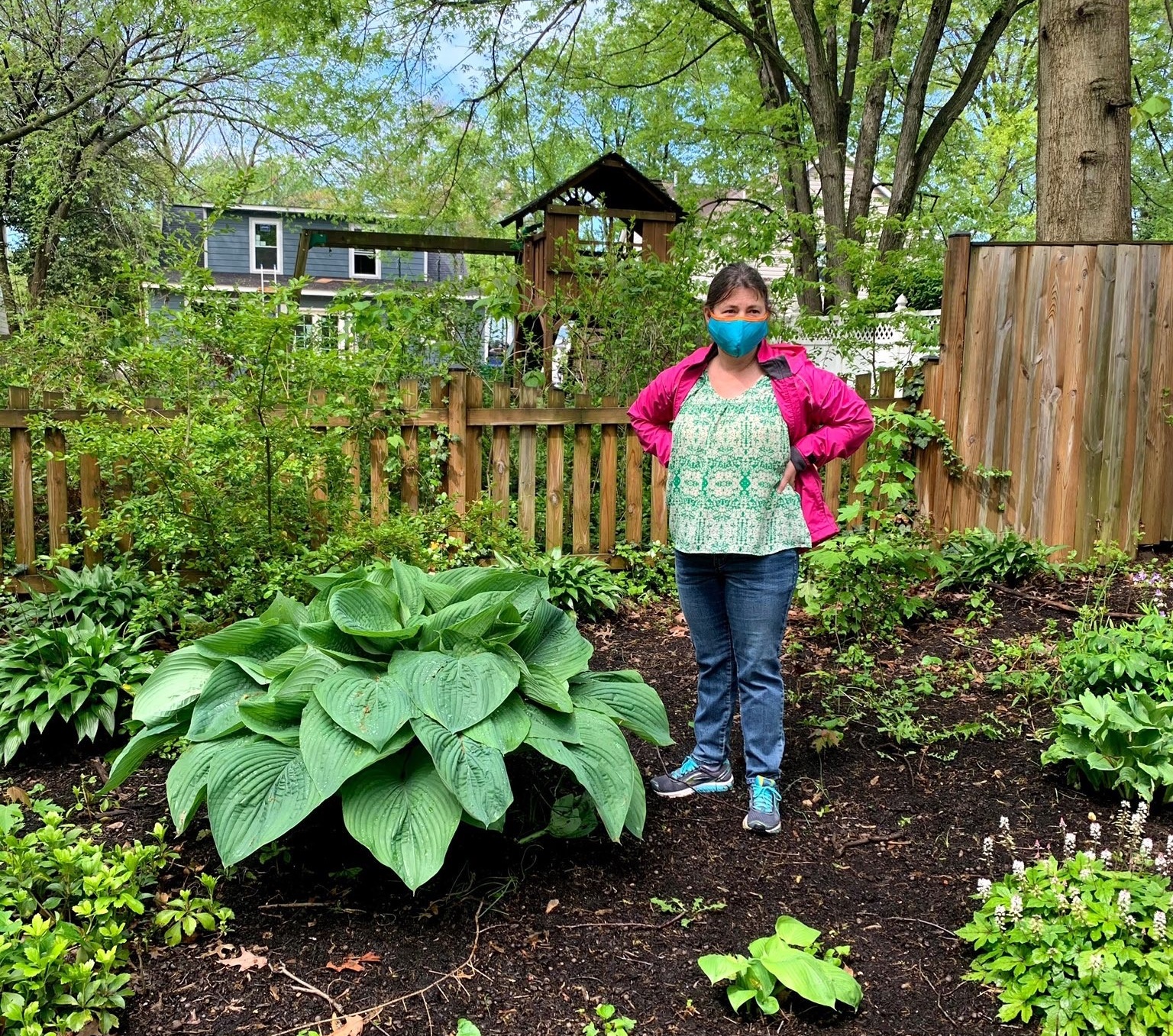
Meli Jozi and her husband Patrick Soleymani just closed on a new house in Vienna, Va. The couple started looking before stay-at-home orders went into effect. Soleymani says the process began like every other home buying experience in the DMV.
“Which is, before a house even comes on the market, people are jumping at it. People are escalating prices, offering more money. And we did that,” he says.
They offered 5 percent over the asking price and the sellers accepted. Then the shutdown hit the region and economic uncertainty started to creep up. The couple started to get concerned about their offer. So, they made a move that’s a little unusual in real estate dealings.
“We actually wrote a letter to the seller. And we told the seller, ‘It’s hard times. We have some concerns. We escalated on this house. And we’re asking to decrease the escalation,’” Soleymani explains.
Real estate transactions are usually brokered through agents. Buyers and sellers generally don’t have any contact until closing. The sellers agreed to come down on the offer by two and a half percent. It was a win-win, says Jozi, because the couple got to save a little money and the sellers still got more than they were asking for. But, she says, there were still a lot of “what-ifs.”
“What if things get worse? Am I doing the right thing? Is this the right time? Should we wait? But, we talked through it and decided to stick with it,” Jozi recalls.
Buying A Home During A Pandemic
Despite the coronavirus outbreak, people are still buying and selling homes in the Washington region although the process is very different these days. Social distancing and personal protective wear like gloves and masks are not only essential but, in most cases, required.
Some people are still going about the homebuying process the old fashioned way and viewing homes in person. But gone are the days of traditional open houses — where listing agents would lay out a spread of wine, cheese, and grapes to help woo potential buyers.
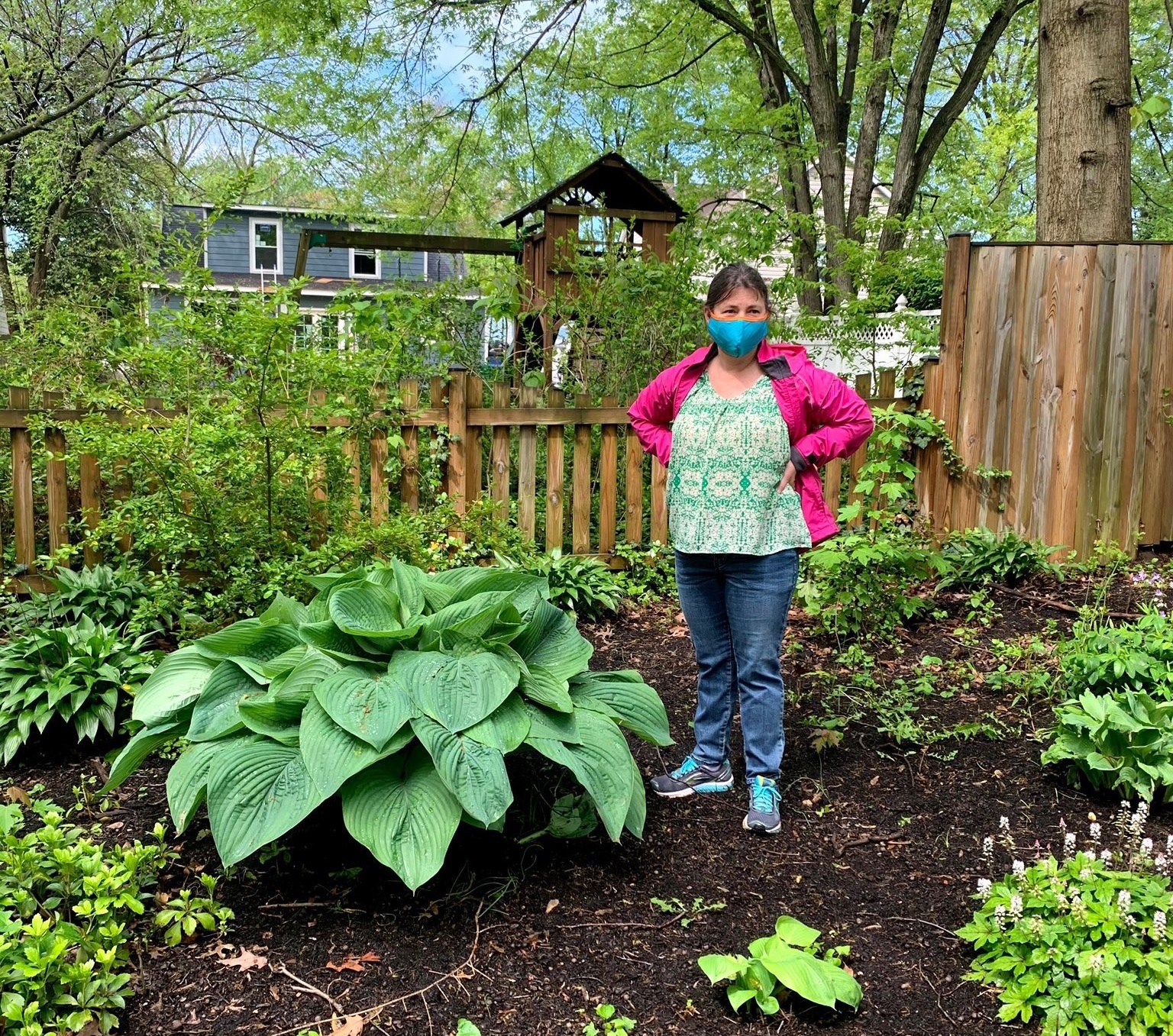
Some home buyers continue to tour homes the old fashioned way, in person. Kate Detweiler of Arlington, Va., touring the home she and her husband just purchased.
Kate Detweiler and her husband just bought a house in Arlington, Va. They worked with a real estate agent who set up home viewings, an experience that Detweiler says has become less competitive.
“There are rules that [agents] are following. So, people could only view a house several hours apart,” she says. “One thing that probably made the house more accessible, I imagine, is that only a handful of people were allowed to see it. Whereas with an open house, there would be dozens of people going through.”
Moving During A Pandemic
Detweiler says she and her husband will sell their current home once they move into their new one. She says she’s not looking forward to moving because they will be doing most of it themselves.
“It’s going to be unpleasant,” she laughs. “It’s going to be backbreaking work I think. But I think we’ll be able to do it mostly ourselves. That being said, I’m in my forties. I do not like the idea of moving myself in my forties. I did it plenty of times in my twenties. I wish I wasn’t doing it myself but it seems like the best way to keep as isolated as possible.”
Jozi says they are currently getting estimates from moving companies — a process that can now be done virtually. But, the movers will eventually have to enter their home and touch their things. The idea doesn’t please Jozi, but it’s the only option for her and her husband.
“We just need to be a little more cautious,” she says. “Where before I may have been in the room with the movers and telling them what to do, maybe [now] I just need to take a step back. Prepare everything ahead of time. Then let them move everything to the new house. Then maybe I let things stay for three days without touching them before I unpack. That way I’m a little more comfortable and I don’t need to go around disinfecting things.”
Remaining Optimistic During A Pandemic
The pandemic is also affecting many would-be home sellers around the country. Pending home contracts in April were down 20% from the year before, says Lawrence Yun, chief economist with the National Association of Realtors.
“The pandemic is clearly having a negative impact on home sales from the precaution among buyers and also some sellers just not wanting to put their homes on the market. They want an all-clear, reopening of the economy before listing,” he says.
D.C.’s housing market has kept pace with national trends, Yun says. Supply remains steady, but demand has dropped significantly. Median home prices also remain steady. Zillow predicts the median price for homes in D.C., Maryland, and Virginia to drop by only about 2% over the next year. These trends give Yun and other housing economists hope.
“So, it’s just a matter of overcoming this pandemic. There’s a little pause button at the moment. Once the economy reopens we expect listings to pop out and the buyers to be stimulated with more choices,” Yun says.
One factor keeping home buyers engaged now are record-low interest rates. An average 30-year fixed-rate mortgage is currently 3.2%. Yun says he believes this will hold throughout 2020 and even into next year.
But while Yun remains optimistic, there’s still a lot of economic uncertainty about the future. Unemployment claims in the U.S. reached 14.7% last week, a number not seen since the Great Depression. Many recent home buyers, like Detweiler, say they’re moving forward with cautiously.
“We’re not gonna go crazy spending money,” Detweiler says. “We’re gonna save our pennies and make sure that we can afford it even if one of us were to lose our jobs. I think the mortgage company is making a safe bet on us, but it’s a strange time to get a mortgage.”
Indeed, it is.
This story originally appeared on WAMU.