Matt Blitz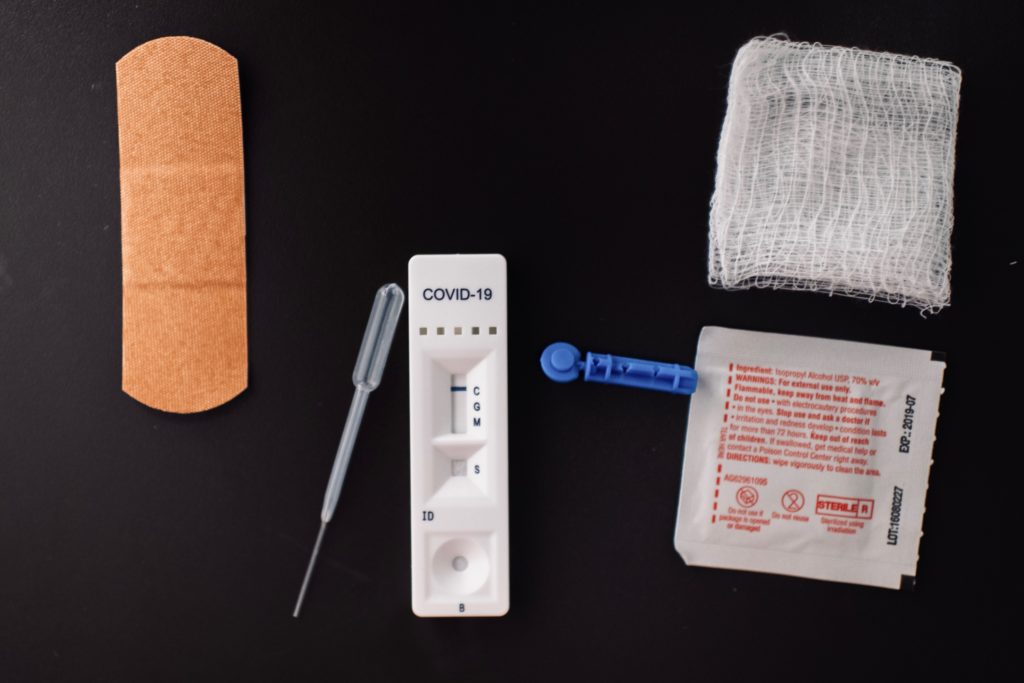
This week, as Virginia has faced continuing criticism for its lag in widespread coronavirus testing even as it gears up to reopen large swaths of the state, government officials are grappling with yet another backlash.
Media reports, including a story in the Richmond Times-Dispatch and a scathing article in The Atlantic, highlighted that the state was including antibody testing in its overall coronavirus testing numbers, artificially boosting those numbers and driving down the percentage of positive cases.
Governor Northam has repeatedly cited increased testing capacity as the main reason that most of Virginia will begin to re-open starting this Friday.
On Thursday, the Virginia Department of Health announced they would no longer include the results of antibody tests in their overall data, though officials stressed that its inclusion did not significantly alter the trends that aided the governor in making the decision to reopen. About 15,000 antibody tests had been included, making up about nine percent of the overall testing number.
The commonwealth says the inclusion of this antibody testing data wasn’t done on purpose—it was the fault of an automatic computer programming system.
“When we first set up this data portal, we first programmed our computers to just look at all the tests. That initially was just the PCR (coronavirus) tests,” Dr. Lilian Peake, Virginia’s epidemiologist and director of the Office of Epidemiology, tells DCist. “Then, we started to see more serology (or antibody), tests being used… in the last three weeks. We realized that could be confusing.”
But on Wednesday, Governor Northam’s chief of staff implied in an interview with the Atlantic that he knew including antibody testing would make Virginia look more prepared. “If another state is including serological tests, and they’re ranked above Virginia, and we are not, and we’re getting criticized for that, [then], hey, you can’t win either way. Now we are including them, and our ranking will be better, and we’re being criticized,” he said. Currently, Virginia ranks 47th in the nation in the number of tests per capita (out of 52, including D.C. and Puerto Rico).
The decoupling of positive antibody tests from coronavirus testing data only slightly changed important statistics. Without the antibody testing data, positive tests increased by just over one percent in the commonwealth. Peake calls the increase a “very, very, very close number” to their initial statistics.
The two tests – PCR or viral and antibody – are very different. The PCR or viral tests are used to diagnose current infections while antibody tests are used to figure who was exposed after the fact. It can take one to three weeks for antibodies to show up in your blood serum. The Atlantic used a sports analogy, saying that viral tests “help officials do the basic blocking and tackling necessary to contain an outbreak” while antibody tests “allow for something closer to post-game analysis… Individuals who test positive on an antibody test are likely no longer infectious.”
Erin Sorrell, a public health expert and virologist at Georgetown University, says these tests are not the same thing and it’s inappropriate to lump them together in the same data set. Testing for active infections, she says, remains much more vital at this juncture. “The priority should be on active and repetitive [viral] testing,” says Sorrell. “We need to know right now how many people are infected and to be able to treat those people, isolate, and contract so that we do not get a spike in cases. Without that ability… we do not have the ability to then stamp out any community cluster that could arise as we re-open.”
Antibody tests are also being reported as being significantly unreliable. While, in the beginning, the FDA was reportedly approving more than a hundred antibody tests without proper review, the agency in recent weeks has tried to crack down while updating also its own approval practices. Peake said that the commonwealth was only incorporating data from FDA-approved antibody tests and disregarded others.
Locally, Northern Virginia leaders say that these commonwealth-wide revelations do not have an impact on their own data collecting or hoped-for plans to reopen May 29. “The Health Department confirmed that Fairfax County’s epidemiology unit determined from the outset that we should only report PCR results, thus the County’s data does not include antibody testing data at all,” Fairfax County Chairman Jeff McKay said in a statement to DCist. “Over the next two weeks, we remain confident that our Health Districts will continue to track the necessary data to determine whether or not we meet the criteria set by the state.”
Arlington County Manager’s Office also confirmed that this does not yet change their May 29 target date. Arlington’s Public Health Division additionally noted that removing the antibody tests from the county total test results creates a “minimal change” in the percent of positive tests. However, the county did confirm that they are getting their data from—and relying on—the Virginia Department of Health.