With Washington, D.C.’s primary elections fast approaching, the voice of the District’s homeless population is at an even higher risk than usual of being left out at the voting booth, thanks to limitations brought on by coronavirus-related closures.
In the face of the pandemic, the D.C. government is pushing residents to vote by mail across the board. However, people without a permanent address may not know they are still eligible to register, though the deadline to register to vote remotely was May 12.
Organizations that serve homeless communities are taking steps to revamp their own outreach and raise awareness with potential voters. But some advocates worry the absence of face-to-face meetings, as well as the extra steps that were involved in registering to vote by mail without a stable address, are going to harm voter turnout.
Betty Gentle, an advocacy and engagement specialist at the nonprofit So Others Might Eat, said normally she would go in-person to SOME’s dining hall to answer questions about who’s eligible to vote, where they can vote, and sometimes even help people fill out their registration paperwork. Now, with social distancing guidelines in effect, that’s not an option.
“We’re basically relying on paper, paper flyers, and phone information and some emails. It is really difficult,” Gentle said. “You already don’t really know what’s sticking with people, but now you really just throw it out there in the wind.”
The nonprofit Bread for the City is encountering similar problems, according to CEO George Jones. In past years, the organization might have had a table with voting information set up in the lobbies of buildings when it operates. Jones said such interpersonal interactions are “not a thing” this year.
Instead, Bread for the City volunteers are giving out packets of information along with the bags of groceries they hand out. The organization’s food pantries fed more than 25,000 people last year, according to its annual report. Volunteers were brought on to deliver food during the pandemic. Jones said the organization is hoping to address common questions people have, including who is eligible to vote and where to vote.
To get the word out to the homeless community, the District of Columbia Board of Elections has similarly been distributing flyers through the Mayor’s Office of Community Relations and Services where hot meals and groceries are provided.
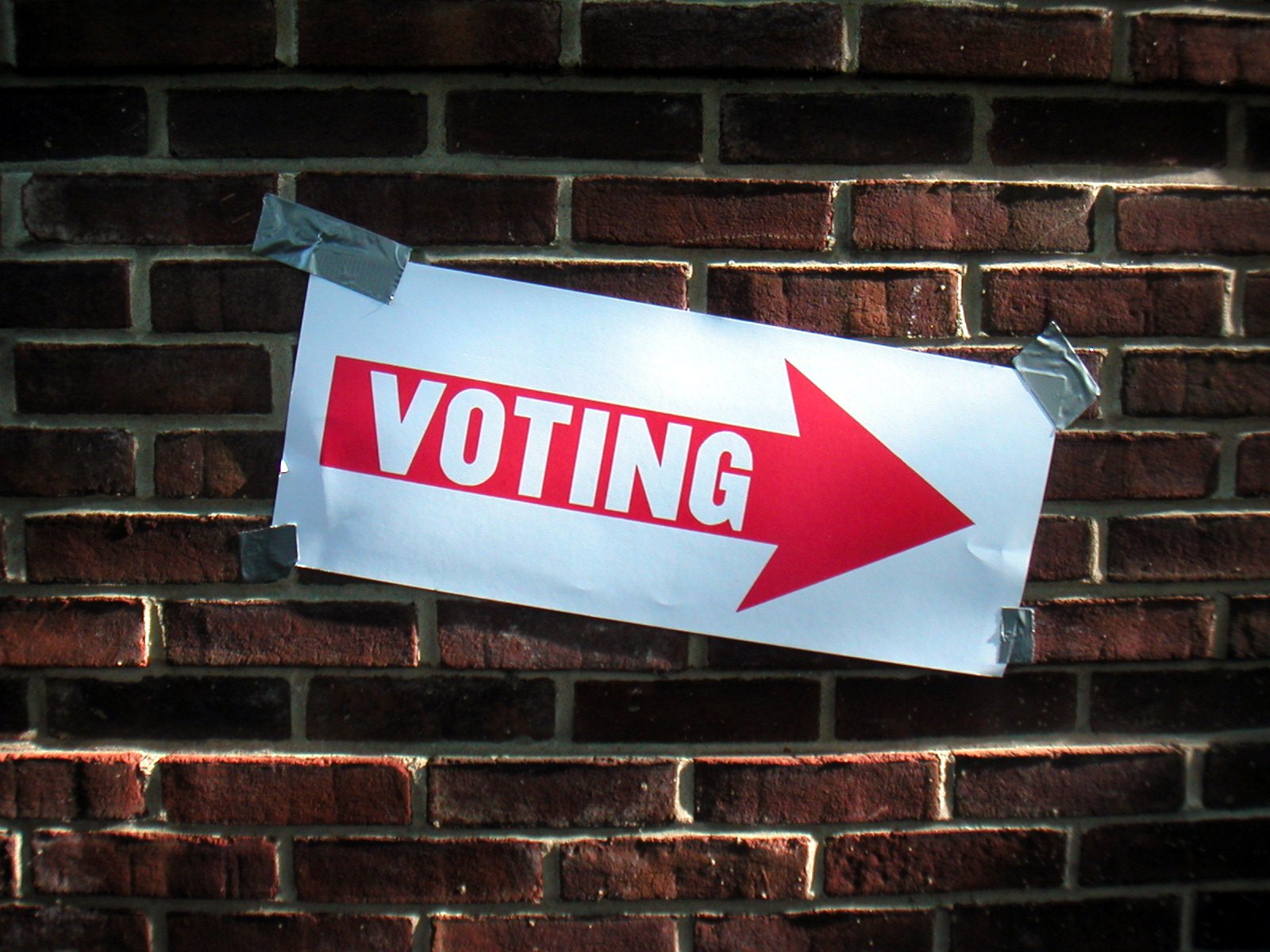
For people who may struggle to vote by mail, including people experiencing homelessness, a small number of in-person voting sites will still be available. Instead of the usual 143 polling precincts, the District’s early-voting locations will be repurposed into 20 voting centers, with two or three in each ward. The centers will be open continuously from May 22 to June 2, with the exception of Memorial Day (May 25), including the weekend and Monday before the June 2 election when early voting is normally closed.
The deadline to register to vote remotely was May 12. Voters who are already registered have until Tuesday, May 26 to request a mail-in ballot. In-person registration will be an option at the 20 voting centers through June 2.
“Anybody who lives anywhere in the city can vote in any voting center [and] can same-day register,” said Rachel Coll, a spokesperson for the Board of Elections
When asked why ballots could not be given directly to voters at meal sites where flyers about ballots are being distributed, Coll said it would take “years” to create a system of automatic ballot mailing and distribution that would allow the Board of Elections to distribute ballots directly through partners like SOME.
“We consulted a number of national partners on this point,” Coll said, “and determined that the only way to effectively administer this election was to use our already existing and established ballot request process.”
Megan Hustings, the interim director of the National Coalition for the Homeless, said that from a national perspective, D.C. has relatively relaxed rules on voting, making it more accessible for homeless people. “Voting is also something that D.C. is definitely trying to make available for everybody and make sure everybody stays safe in their voting,” she said.
And additional efforts are underway; Councilmember Robert White, for instance, introduced a bill in 2019 that would restore the right to vote for incarcerated people in D.C. And in 2018, Councilmember Charles Allen wrote legislation in 2018 that would have expanded the right to vote in local elections to D.C. residents as young as 16 (it did not pass).
Some of the recommendations Hustings offered for cities expanding their voting access, like increasing the number of hours voting locations are open for, are things the District government is already doing, though she added ID restrictions could be relaxed across the board.
“[ID cards] are something that [are] commonly lost, and even if you haven’t lost it, [it’s] something that goes out of date. When you’re moving around, you don’t have a permanent address, it’s hard to get all the documentation you need to update IDs,” she said, noting that the District requires either a DMV-issued ID, a utility bill or any other government-issued ID, which is still generous compared to other states. There are also ID clinics in D.C. that can help homeless people with no official identification obtain a temporary ID from the DMV that is valid for voting.
By contrast, some states require a photo ID at the time of voting. In Virginia, for example, laws require voters to show a photo ID when they vote or otherwise vote on a provisional ballot and provide photo ID within three days, earning the state a “strict” rating from the National Conference of State Legislatures.
Local advocates remain concerned about the logistical hurdles for the homeless community while public resources like libraries and other social service providers are closed.
“I have a smartphone. I requested [my ballot] through my smartphone, [but] everybody doesn’t have a smartphone, everybody doesn’t have a computer. Everybody is not going to be able to make their way to the Board of Elections to drop off their ballot form,” Gentle said. “The mechanisms they’re trying to use, they’re not low-barrier.”
People experiencing homelessness are allowed to use shelters and locations like SOME as their voting registration address, but Gentle said that only about a quarter of the usual crowd is coming to SOME every day. Either due to enforced quarantines or fear of crowded areas, many people may choose not to pick up their ballot even if it were to be delivered in the mail.
This story was reported and originally published by Street Sense Media, a nonprofit publication in D.C.