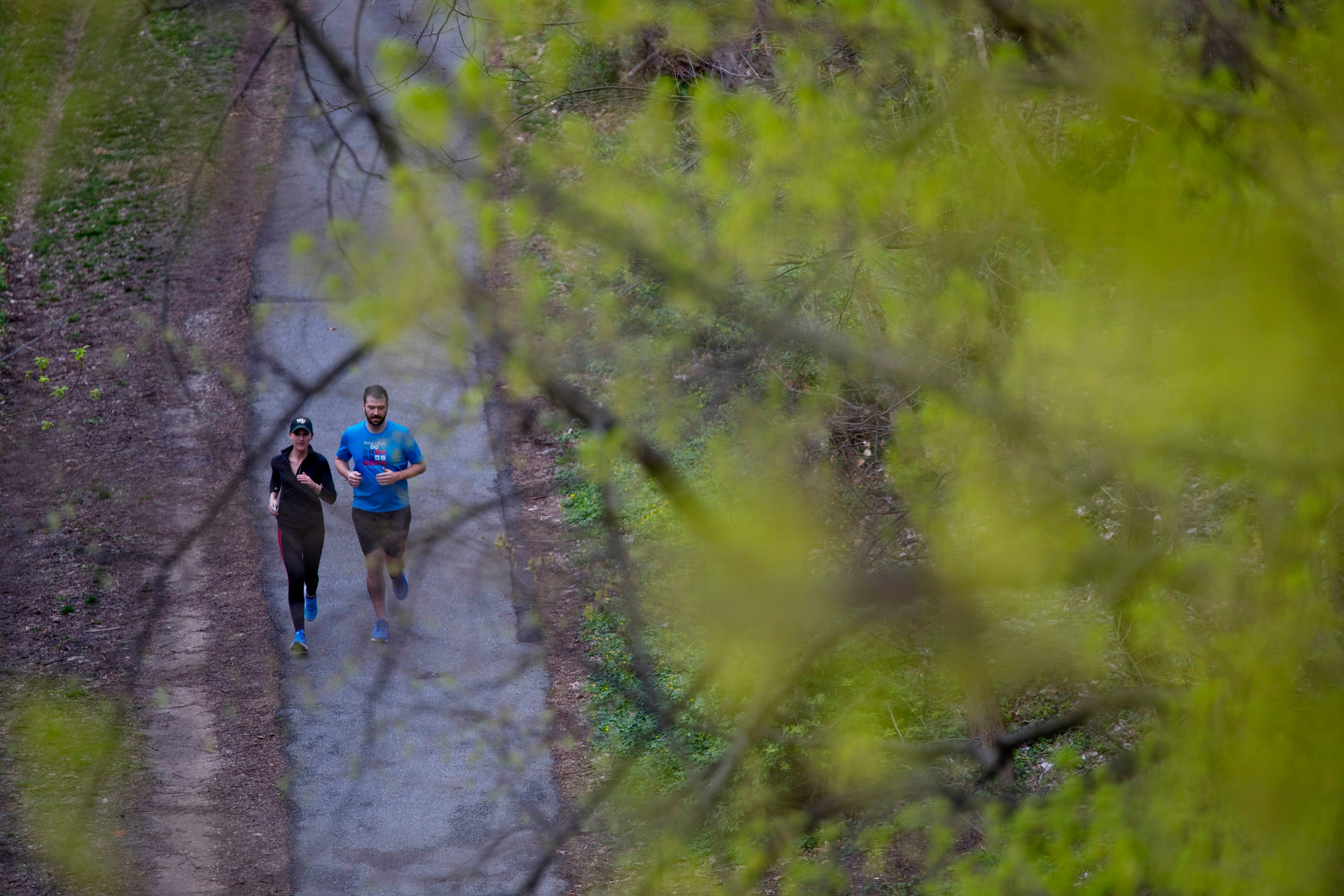
The District is no longer top dog when it comes to city park systems in the U.S., at least according to the San Francisco-based Trust for Public Land, a conservation nonprofit that tracks park quality. The organization ranked D.C. second in its annual ParkScore index, released Wednesday, with a score of 83.3 out of a maximum 100 points.
So, which city beat us, you ask? Minneapolis, which the organization gave a score of 85.3. The Minnesotan city rose to first place, says the nonprofit, “largely because of new park acquisitions and strategic expansion.” Compared to last year, D.C. slipped from the No. 1 spot in part due to “its small median park size of 1.4 acres,” the Trust for Public Land notes in a release. (The national average for the parks surveyed was 5.2 acres, accounting for 97 cities.)
But green space is still relatively ample for District residents, 98 percent of whom live within a 10-minute walk of a park, versus 72 percent of people nationally, according to the nonprofit. Approximately a quarter of D.C. is reserved for parks, which is more than double the national average share of 9.6 percent.
Neighboring Arlington County also ranked highly, coming in fourth place with 81.5 points. Ninety-nine percent of Arlingtonians live near a park, though the county reserves just 11 percent of its area for parks. St. Paul, Minnesota, came in third with 82.5 points.
This is the ninth year that the Trust for Public Land has published its ParkScore index. Amid the coronavirus crisis, the nonprofit reports that park use is generally up across the country (people can continue to visit District parks, but group activities like team sports and mass hikes remain prohibited).
“When stay-at-home orders [were] permitted, people increasingly turned to parks, trails, and public open spaces to connect with nature, exercise, and enhance their mental and physical health,” President Diane Regas explains. “Residents deeply value parks, but continued inequity and the risk of future budget cuts threaten severe damage to the park systems that make many cities so livable.”
Here are the top 10 urban park systems in the U.S. and their scores, based on the Trust for Public Land’s 2020 rankings:
- Minneapolis, 85.3
- Washington, D.C., 83.3
- Saint Paul, Minn., 82.5
- Arlington, Va., 81.5
- Cincinnati, 80.6
- Portland, Ore., 79.8
- Irvine, Calif., 79.6
- San Francisco, 78.9
- Boston, 76.5
- Chicago, 76.0