 Mikaela Lefrak
 Jordan Pascale
 Ally Schweitzer
 Debbie Truong
As the District plots a course toward a phased reopening of its economy, leaders across government and business have delivered nearly 80 pages of recommendations to Mayor Muriel Bowser on how the unfreezing should take place.
That gradual reopening could begin with Stage 1 as soon as May 29, the mayor announced in a press conference Thursday, and proceed across four stages that could span years, with a full reopening only taking place after a vaccine or other cure for COVID-19 is widely available.
“While these are not policy or official government guidance, we believe the overall recommendations …. will be valuable for Mayor Bowser and her administration as they make decisions and create policies and programs to help Washington, D.C. reopen and recover in a way that gives us all hope,” said U.S. Ambassador Susan Rice, co-chair of the mayor’s ReOpen DC Advisory Group. The group includes a mix of well-connected allies of the mayor, former D.C. and federal government officials, and business leaders.
The report released Thursday lays out broad reopening strategies specific to various industries, activities and public services, including education, recreation, public health, construction, transportation and small business. But they stop short of proposing bold and specific policy recommendations, staying within the realm of generalizations and slight modifications to policies that are already in place.
Here’s an overview of the report’s recommendations:
Public Health and Workforce
Members of the mayor’s ReOpen DC Advisory Group’s public health committee stressed the need for “clear and specific health guidance” during the health crisis, followed by a “rapid surge” in testing and contact tracing and the development of an antibody testing database.
Committee members suggested the mayor form a public-private partnership to coordinate testing citywide. But they also acknowledged the limitations of testing, advising the mayor to hone an education campaign for residents and employers about “what a positive or negative test result does and does not mean.” Communications, they add, “should be sensitized to each population and available in multiple languages.”
Broad contact tracing will be an essential component to reopening, the report says, with D.C. Health’s internal system ready to facilitate at least 900 contact tracers. Mayor Bowser said in her remarks on Thursday that she expects the city’s contact tracing capacity to lift significantly by June 1.
Small Business and Retail
One of the hardest hit sectors during the public health crisis, small businesses are advised to continue walking a delicate balance between reducing infection and maintaining commerce.
- Nonessential retail: During Stage 1, retailers like gift shops and clothing stores can offer curbside or sidewalk pickup, and delivery services, only moving to in-store shopping at Stage 2. (A pilot program for nonessential retail offering pickup launched this week.)
- Salons and barbershops: Appointments can be allowed in Stage 1 as long as only five people are permitted per 1,000 square feet — and this should be the operating procedure through Stage 3. The usual hygiene and social distancing recommendations apply.
- Nail salons, wax salons and spas: These should remain closed until Stage 2, when they could be allowed to accept appointments with the same strict safeguards recommended for salons.
Transportation and Infrastructure
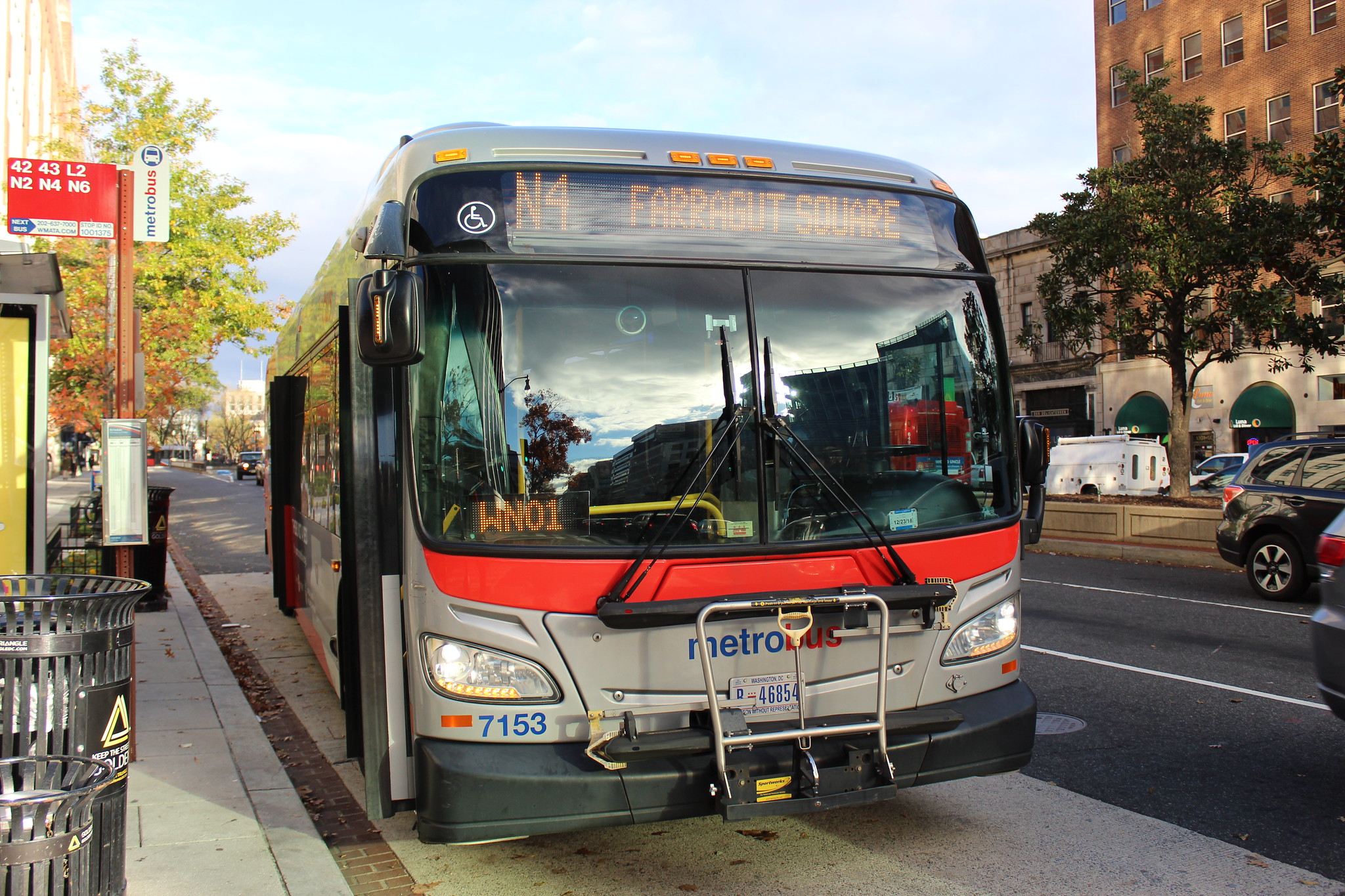
The transportation committee’s plans aren’t as defined as other cities. The transit plan largely mirrors WMATA’s reopening plans, which called for a phased increase in service.
- Identify streets to open: The plan calls for identifying streets to open to people, but does not identify how many miles or where. Councilmembers have expressed frustration at the lack of speed and nimbleness on these ideas. So have residents. D.C. did expand a handful of sidewalks by putting concrete barriers in the streets. But that doesn’t compare to the ambitious plans of other cities. More detailed areas call for closing curbside lanes for e-scooter/bike lanes along major corridors and a lane on bridges for more walking space, especially Anacostia River crossings (Sousa, East Capital, Frederick Douglass, and Benning Road bridges).
- Public Transit:
- More dedicated bus lanes, which allow buses faster movement through congested traffic that is sure to return. Though it doesn’t list where and when. An on-demand shuttle service should be explored for essential workers that may work beyond transit operating hours.
- On cleanliness, hand sanitizer should be in all transit stations and bus hubs, the plan says. Create sanitation and physical distancing “certification” program, to increase passenger confidence, to rate how well transit and shared rides are adhering to guidelines. It also calls for contactless entry and fare payments, which WMATA is working on.
- Rideshare, Taxis, Delivery: Rideshare vehicles should have plastic shields to separate drivers and riders. It calls for no passengers in the front seat and limited number of passengers until Stage 3. It also encourages local deliveries of food and other goods by bicycles and taxis. Food trucks and hand-washing stations should bring amenities to every neighborhood to prevent the need for residents to travel by any method other than foot.
- Walking, Bikes, Scooters, Micromobility
- Dockless e-bike and e-scooter providers should be able to increase the fleet size for anticipated demand.
- Create a “bicycle route” system with rapid implementation of signage, barriers and traffic calming with a target speed of 10 mph.
- Reduce speeds on local arteries from 25 mph to 20 mph to protect people walking in streets.
- Provide subsidies to ensure access to affordable bike-share and transit services, particularly for low-income areas.
Arts, Culture, and Entertainment
The committee recommended that most cultural venues remain closed until Stage 2. When venues do reopen, they should have capacity limits and physical distancing measures in place.
Organizations should install protective barriers at ticket booths and other places with customer transactions, the report says. Employers should also reconfigure seating in theaters and venues and develop visitor “movement flows” to allow for social distancing, and keep visitor logs to facilitate contact tracing.
Here are specific recommendations by industry:
- Museums, galleries, and arts organizations: The city’s many museums could reopen with limited capacity during Stage 2, with no more than five people per 1,000 square feet, and not exceeding 50% of full capacity. They could also host small events and receptions for up to 50 people. In Stage 3, their capacity limit would go up to 10 people per 1,000 square feet, not exceeding 75% total capacity.
- Theaters: Theaters could reopen for up to 50 people during Stage 2. In-person rehearsals would require actors to wear PPE and abstain from physical contact like kissing. Audience members would be required to sit in isolated family groups or alone. Max capacity would go up to 250 people during Stage 3.
- Music venues: Venues could welcome up to 50 people during Stage 2 and 250 people during Stage 3.
- Sports: Professional teams could reopen practice facilities during Stage 1 on a case-by-case basis, with no spectators allowed. Games held without fans could start up in Stage 2 and continue through Stage 3, depending on the status of individual leagues.
- Places of worship: Churches, synagogues and other houses of worship can allow in up to 10 people during Stage 1, up to 50 people during Stage 2, and up to 250 people during Stage 3.
- Bars and nightclubs: These would reopen during Stage 3 with a limited capacity of 5 people per 1,000 square feet, not exceeding 50% capacity.
Open Spaces and Recreation
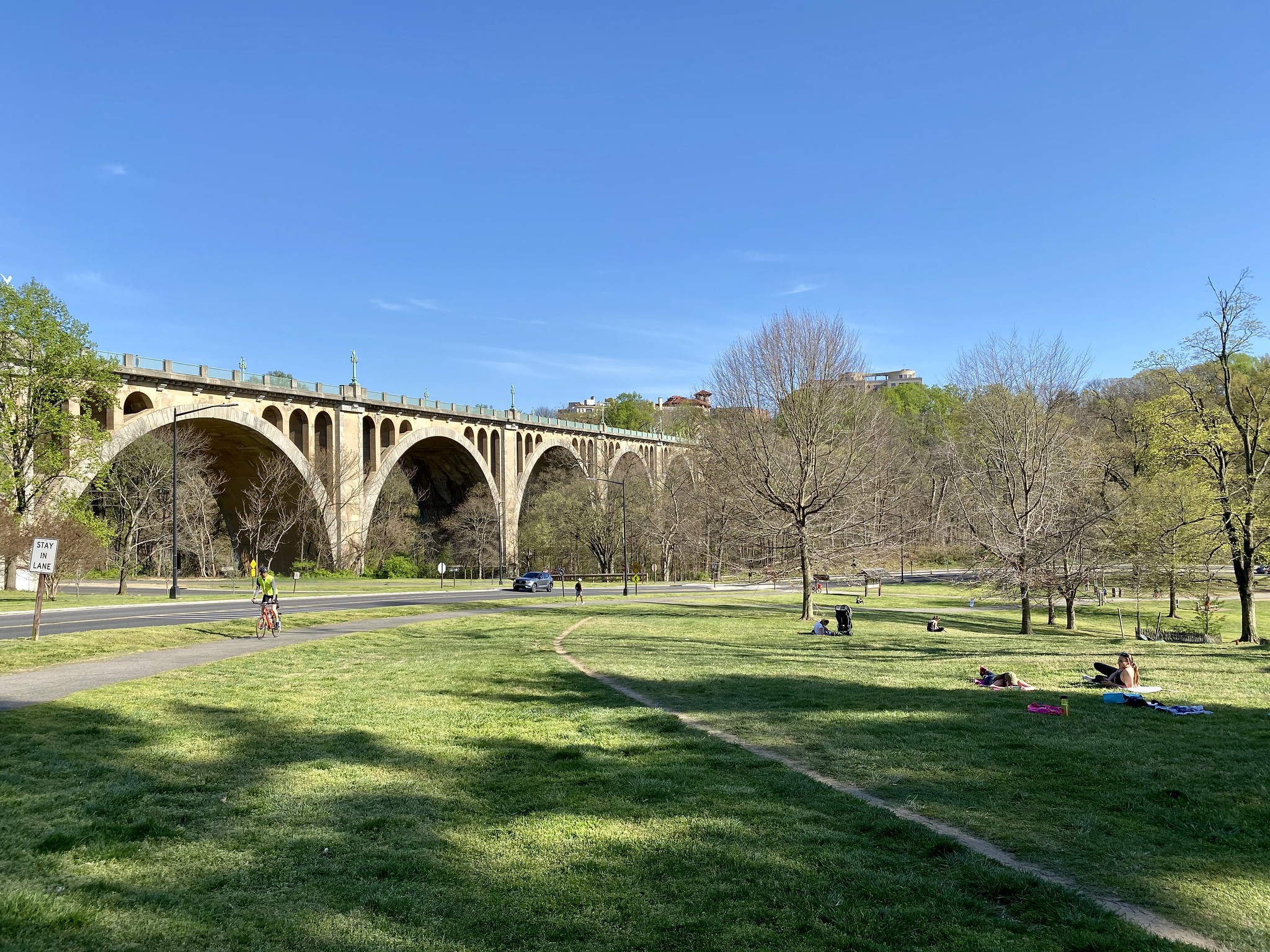
Face masks in parks, daily symptoms checks at camps, and boarded-up locker rooms might all be part of the new reality at the city’s recreation facilities. The committee also recommends the city widen sidewalks and bike lanes so residents can spend time outdoors within 15 minutes of their homes.
Here are the specific recommendations by facility:
- Open spaces: Parks, walking paths, cemeteries, and fields could reopen during Stage 1, along with some dog parks. All dog parks will reopen by Stage 3.
- Pools: Communal pools won’t reopen until Stage 3. When they do reopen, it’ll be with limited hours (including senior-only hours) and no pool equipment, locker rooms, or lounge chairs.
- Summer camps: The city’s summer camps will reopen during Stage 2 with caps of 10 people per indoor activity and 50 people per outdoor activity. That number will increase to 250 per outdoor activity in Stage 3. Staff should conduct daily temperature and symptoms checks for children.
- Outdoor sports facilities: Tennis courts, tracks and golf courses could open during Stage 1. Playgrounds would remain closed until Stage 2.
- Outdoor events: Public events like parades and festivals would be limited to 10 people in Stage 1, 50 people in Stage 2, and 250 people in Stage 3.
- Gyms: Workout studios and gyms would remain closed until Stage 2, when they could reopen with capacity limits of five people per 1,000 square feet.
Restaurants And Food Businesses
As restaurants reopen, customers would need to provide their names, contact information, and arrival time to help with potential contact tracing. The committee also encouraged city officials to allow establishments to change the type of food service license they hold to allow them to be more nimble.
- Restaurants: Restaurants could reopen outdoor seating with a maximum table size of six during Stage 1. Buffets and bar service would be prohibited, and customers would have to provide their names, contact information and time of arrival. In Stage 2, indoor seating can resume up to 50% of capacity. All parties larger than six must be from the same household, and buffets are only permitted if employees serve food. Restaurants can apply to expand their capacity further during Stage 3.
- Grocery Stores: Customers could see buffets come back in Stage 2. Otherwise, operations will largely continue as they are at present.
- Farmers markets: During Stage 1, vendors can start selling food prepared on site again and allow customers to select their own produce. In Stage 2, operators can relax physical distancing requirements.
- Food trucks: These can continue operating as they are now, though owners should encourage costumers to preorder to minimize lines.
Education
The advisory group made safety recommendations for all schools, from preschool to K-12 to college, that include providing teachers with protective personal equipment and rearranging desks to keep students 6 feet apart.
It also provided individual recommendations for child care centers, K-12 schools and colleges and universities.
Some restrictions on K-12 schools would lift during the second stage of reopening. Recommendations include:
- Opening some schools, with the focus on providing in-person instruction to students who would benefit most from it, including those who are the children of workers who must return to work.
- Classrooms would be limited to 10 people or fewer, including adults.
- Schools should put modified schedules in place and have students attend school on alternating days.
- Parents could choose to keep their children at home and continue distance learning.
Child care centers would open in three phases:
- In the first phase, some child care centers would reopen for some children, including children of workers who must return to work. Rooms must be limited to 10 people or fewer, daily symptom screening must be conducted, and child drop offs and pick-ups must be staggered.
- In the second phase, more child care centers would reopen. Guidelines from the first phase would remain in place.
- In the third phase, nearly all licensed child care facilities would open. Officials recommend limiting rooms to 10 people or fewer, with the possibility of allowing larger groups.
Libraries would open in three phases:
- In the first phase, some libraries will offer curbside service where patrons must stay outside.
- In the second phase, some libraries would reopen with additional services. The city will prioritize neighborhoods where residents have less access to the internet and digital devices. Some patrons would be allowed into buildings and a limited number of computers would be available.
- In the third phase, more patrons will be allowed into libraries with physical distancing practices. More computers will be available.
Colleges and universities will develop individual plans for reopening that must be reviewed by city officials. Plans must include details about class sizes, scheduling and campus facilities.
Government Operations
D.C. government could begin reopening with safeguards and “virtual service” delivery in Stage 1, with essential services that can’t be done online resuming in-person, and services not offered online moving to a virtual format, the mayor’s advisory committee recommends. At the same time, essential personnel could be allowed to return to work “with reasonable accommodations.”
Across all stages, the group suggests that D.C. conduct extensive testing and contact tracing to support government workers, in addition to rearranging workplaces to accommodate social distancing and providing personal protective equipment.
Committee members also encouraged continued telework for city employees, as well as the opening of a new men’s halfway house and safe increases to out-of-cell time in D.C. Jail.
Health and Social Services
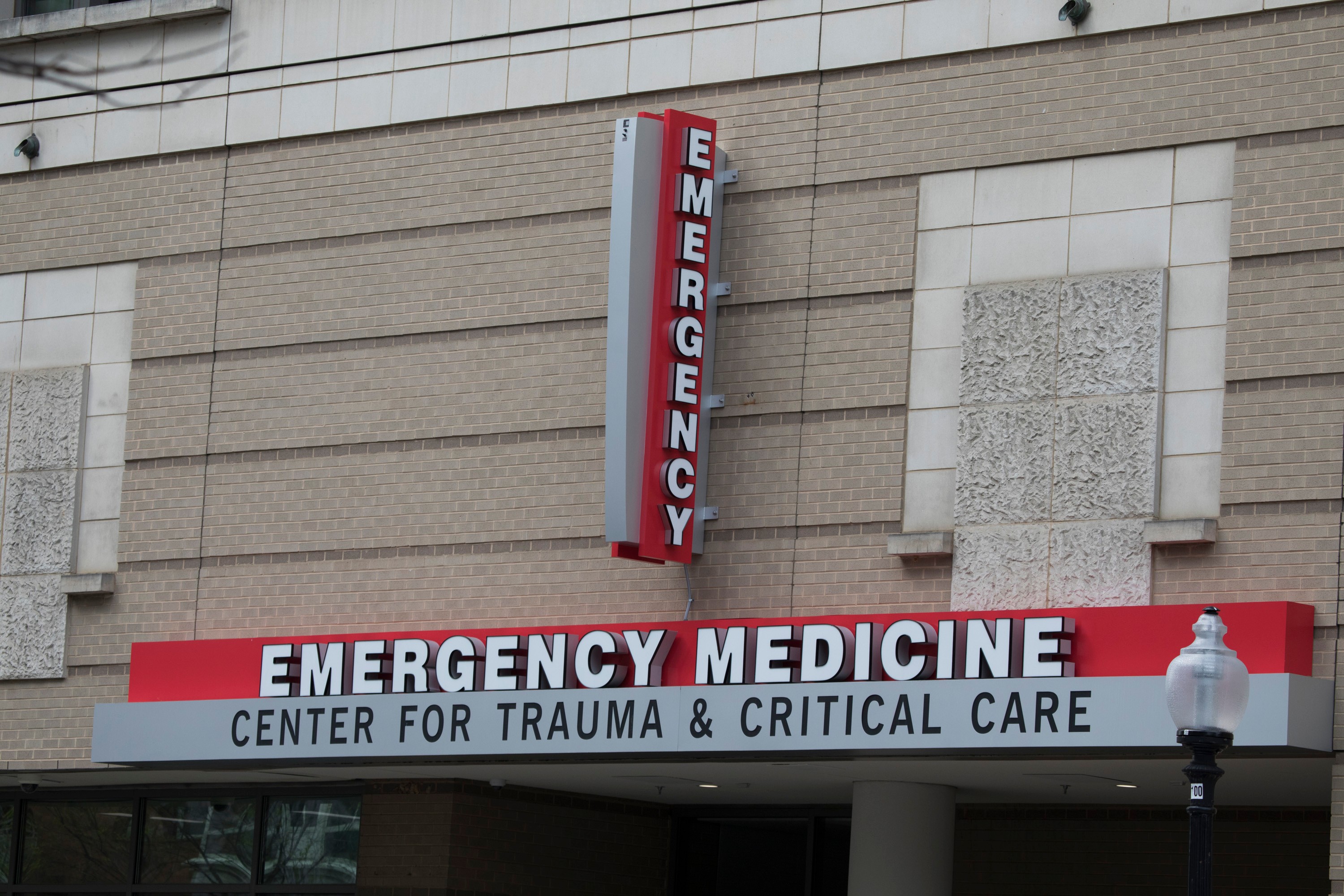
The impact of COVID-19 on both physical and mental health should be top of mind for city officials, the report says, with specific recommendations for hospitals, assisted living communities, homelessness service providers and other medical practitioners.
- Hospitals and health centers: Outpatient and other procedures will continue to be lower priority than COVID-19 cases throughout Stage 1, with pediatric and maternal care provided “in the safest way possible.”
- Skilled nursing facilities and assisted living residences: Visitors will still be barred from senior living facilities in Stage 1, with visitation possibly resuming in Stage 2 with screening and social distancing.
- Homeless services: People experiencing homelessness can receive in-person services on a staggered timeline, with priority given to high-risk cases. But the committee also recommended officials “prepare for a surge in services” during Stage 1.
Vulnerable Populations
The advisory group made recommendations to assist groups that have been disproportionately affected by the coronavirus.
Employment
- Expand SNAP eligibility to people who are not currently covered.
- Increase support for small businesses affected by COVID-19.
- Encourage employers to accommodate requests to work from home or delay returning to work.
Education
- Provide school supplies, food and clothing for students in need.
- Provide wifi in public spaces for families who lack internet access.
- Expand child care opportunities for children of workers who must return to work.
Food access
- Expand fresh food retailers and nonprofit food pantries east of the Anacostia River, where some of the highest poverty neighborhoods are located.
- Expand the number of establishments that accept SNAP and WIC, federal programs that help low-income families pay for healthy food.
- Ensure students who qualify for subsidized school meals have access to them, with proper physical distancing.
Health and medical care
- Improve medical care and testing in underserved communities.
- Work with pharmacies to prevent treatment shortages in underserved communities.
- Regulate the cost of sanitation supplies.
- Bolster physical and mental health services, especially for front-line workers.
Housing
- Prevent residents who are sick or unemployed from becoming displaced.
- Expand housing services to people who already face housing insecurity.
- Prohibit evictions from landlords.
- Expand the use of hotel rooms to house homeless residents who are homeless and have become infected with COVID-19.
- Provide regular testing and evaluation for facilities that house large numbers of people, such as nursing homes.
Transportation
- Reinstate Circulator access and expand free bike share.
- Provide hazard pay for transit employees.
Outdoor recreation
- Bolster fitness amenities, parks, and trails in neighborhoods located east of the Anacostia River.
- Consider ways to mitigate disparate environmental impacts on low-income communities.
Safety
- Expand domestic violence services to respond to a surge in requests once the stay-at-home order is lifted.
- Lower sentences for people convicted of lower-level crimes to work-release programs that include housing opportunities.
Real Estate and Construction
Construction has been allowed to continue largely unabated in the District since the pandemic’s onset, and the report doesn’t propose changing that. It also makes suggestions for how residential landlords should plan to keep their buildings safe.
- Construction should be allowed to continue with safeguards throughout Stage 1, the report recommends, but employers should be required to create a COVID-19 job safety plan. The safety plan should be overseen by a designated supervisor who monitors worker health and enforces social distancing and other on-site safety measures.
- Landlords should encourage online rent payment and put off nonessential construction and maintenance, and apartment building staff should be provided with plexiglass shields to protect their workspaces. The report suggests keeping common areas — like rooftops and meeting rooms — closed until Stage 2, at which point they could reopen at 25% capacity. Landlords should also consider ways to reduce elevator burdens and keep residents safe when they require maintenance service in their units.
- Commercial office spaces can begin reopening up to 25% capacity in Stage 2 with physical distancing. Until then, telework should be strongly encouraged.