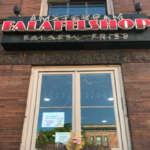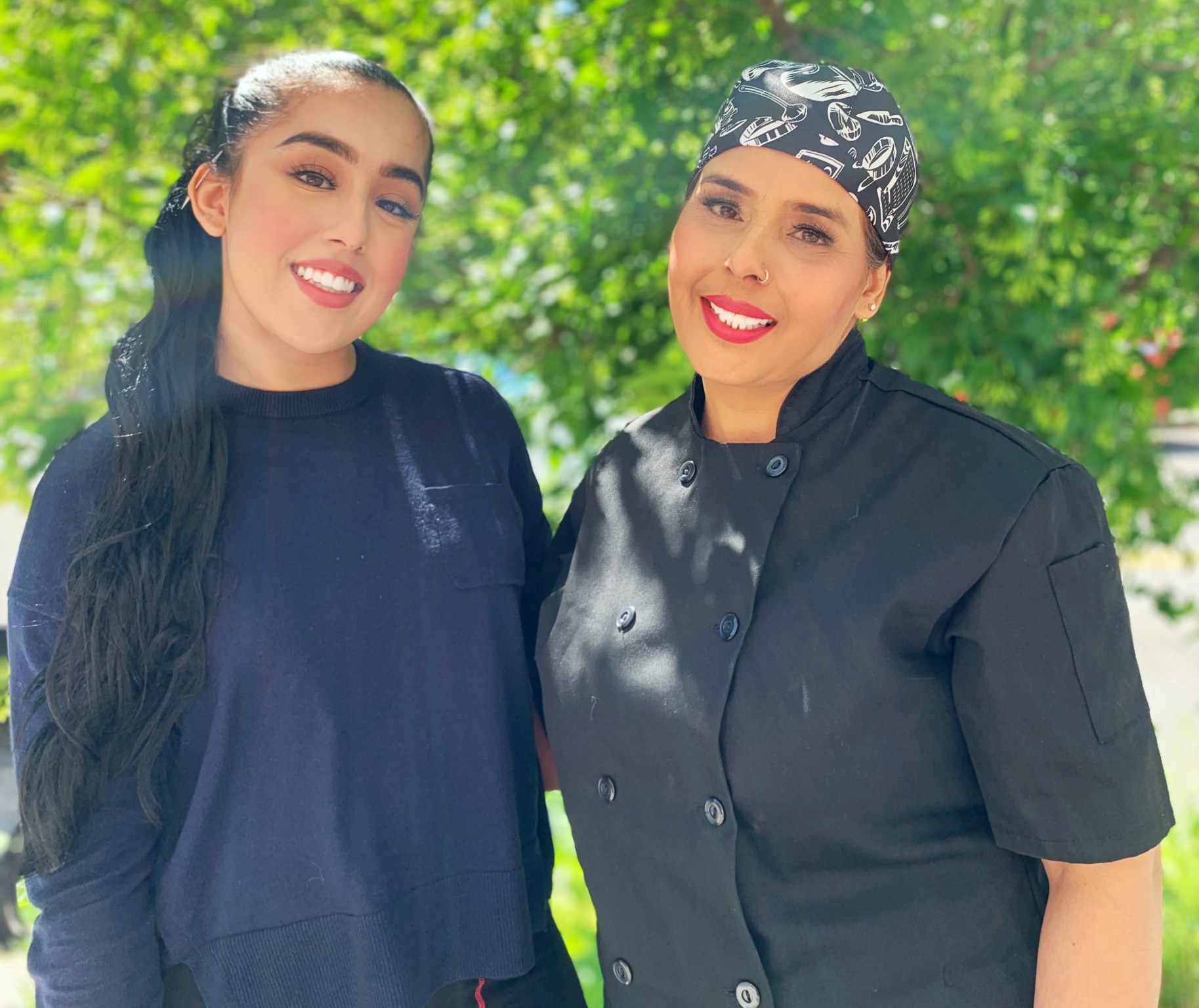
Taj Sohal was already taking on an ambitious project when she decided to open Glassey, an Indian-American fusion restaurant in Bloomingdale.
At 23 years old, she is one of the youngest restaurant owners in D.C. But Sohal is part of another exclusive category of determined entrepreneurs in the District: She decided to launch her business in the middle of a pandemic.
“It was definitely a journey,” she says. “A different journey than I think most people experienced. I’ve gotten over the mountain and at this point a little thing like a pandemic cannot stop us.”
As businesses across the region struggle to stay afloat (and others close altogether) amid the ongoing coronavirus pandemic, some entrepreneurs are forging ahead with their plans in the face of a flagging economy.
For Sohal, COVID-19 couldn’t sway her from moving forward with her dream of setting up a restaurant above her father’s liquor store on Florida Avenue. With her mother as head chef, Sohal had curated a menu inspired by Indian street food and an extensive cocktail list reflecting the mood of Glassey, named after a term for a fun, boozy time, according to the site.
Glassey’s offerings mimic dishes that Sohal’s mother whipped up for her as a child. India meets Maryland with Crabby Masala Fries, and Sohal put her own twist on an American classic with their Chicken Tikka Burger. Sohal’s 12-year-old sister, Jiya, has a “Tiffin,” or lunch box, named after her featuring chutney, rice, a side salad, and a choice of chicken or paneer.
The restaurant was set to open in March when the D.C. government ordered a ban on dine-in service. Instead of giving up, Sohal pushed the opening date to April 21 and shifted to takeout.
“It definitely was a gamble but I think these are truly unprecedented times,” she says. “It’s time for unprecedented action. We wanted to give people something to smile about and get through these trying times together.”
For Glassey’s six employees, the moratorium on sit-down dining has given them an extended soft opening to work out kinks behind the scenes. The staff is busy with Door Dash and Postmates deliveries, but Sohal admits they could be making more tips if they sold alcohol. Still, she sees opening the restaurant now as an investment and hopes that the buzz Glassey has garnered so far will help them break even down the road.
“What better way to be open than to see the bumps and mistakes along the way,” Sohal says. “We’ve made rookie mistakes and we’re improving our process, we’re the only ones seeing them.”
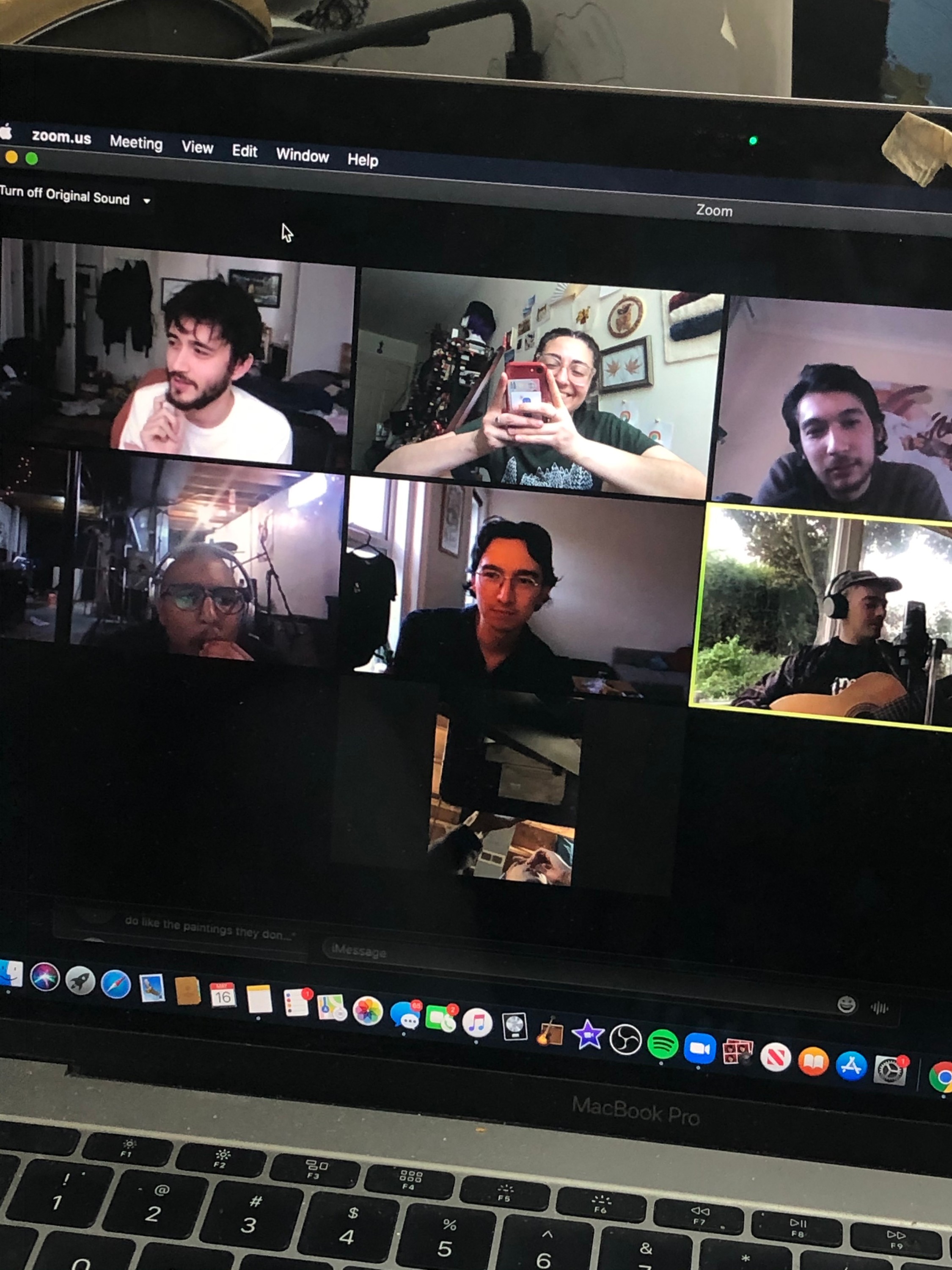
In Northern Virginia, Ava Mirzadegan is back at her father’s home recording tapes onto cassettes as part of her new record label, OOF Records. Mirzadegan founded OOF, which stands for Orbit of Friends, with her friend David Britton, who is based in New York. After working in the music industry and as a junior publicist in New York, she returned home last January and rediscovered the DIY community in the D.C. area. The new label grew out of Mirzadegan’s desire to spotlight musicians within her circle of friends and has now reached artists in Philadelphia, the United Kingdom, and Canada.
OOF released its first compilation on March 27, though their cassette tape order hit a snag after shipments from the factory were delayed. The label is taking a cautious approach with their inventory: They’ve ordered a limited number of t-shirts and tote bags. They’ve since sold 75 percent of their first batch of 50 tapes.
“Everything kind of shut down where we ordered the tapes from,” she says. “It’s shifted our model going forward, we’re just ordering blank tapes and hand-dubbing them.”
Mirzadegan uses her computer to create a master tape then duplicates batches of 50 tapes herself.
“Even though it’s kind of sad we have so much time on our hands, we can really throw ourselves into it,” she says of her new business.
Coronavirus derailed OOF’s tape release shows in D.C. and New York, but the pandemic hasn’t stopped the music. Mirzadegan and Britton transitioned to a digital strategy, streaming concerts through Instagram Live and Twitch. They’ve held four concerts so far, with about 100 attendees. Concertgoers can donate or watch for free.
“I do hope virtual shows continue being a thing,” Mirzadegan says. “They’re providing a lot of access for people who might not have the money or [have] a disability. It’s become accessible even though we’re losing that sense of being there.”
A digital strategy was the only option available for Avid Core, a communications firm based in Northern Virginia that launched this spring. When co-founders Amanda Roberts and Virginia Arroyo left their full-time jobs at another firm and began putting together Avid Core this January, they envisioned a huge launch party in May. Even without a grand celebration, they felt guilty announcing their new business in the midst of a global health crisis.
“It seems in poor taste to advertise we have a company, but we have to let people know we exist,” Roberts says, adding that the announcement might provide a break from the onslaught of grim, coronavirus-related news. “For us it’s good timing because people are going to have to rethink the way they communicate with people.”
Avid Core has already made that digital jump with video conferencing tools like WebEx, but there are some aspects of starting a new business that require a personal touch. The firm has five employees total and is hunting for a junior communications specialist. In a town where hiring is often conducted through networking happy hours and rounds of coffees, the online recruitment process feels detached.
“As a new company, you want to go to networking events to expand your circle, and that’s not happening right now,” Roberts says. “We’re doing targeted cold emails which isn’t the greatest way. It remains to be seen whether this is a huge setback.”

For other entrepreneurs, providing a break from constant screen time is their business model. The founders of Grounded, a D.C.-based subscription plant service that launched on Earth Day, hope that their houseplants will help foster mental health.
“We were a little wary about releasing because a lot of people don’t have disposable income. It seemed like a scary time to launch a business” said Grounded’s co-founder, Mignon Hemsley. “We thought long and hard and since a lot of people’s mental health has been tested, the whole idea was put your phone down, do something that takes your mind off the chaos of what’s going on in the world.”
As daunting as starting a new business might be, Grounded has provided a new source of income for Hemsley and boosted her morale after she lost her job as a photographer before the pandemic hit and her other gig as a D.J. dried up once events shut down.
“If you’re doing something that’s helping others then that gives you faith to keep you going in this time,” she says.
Previously:
‘It’s Going To Be A Gut Wrench’: Some Local Businesses Won’t Be Reopening When The Pandemic Ends