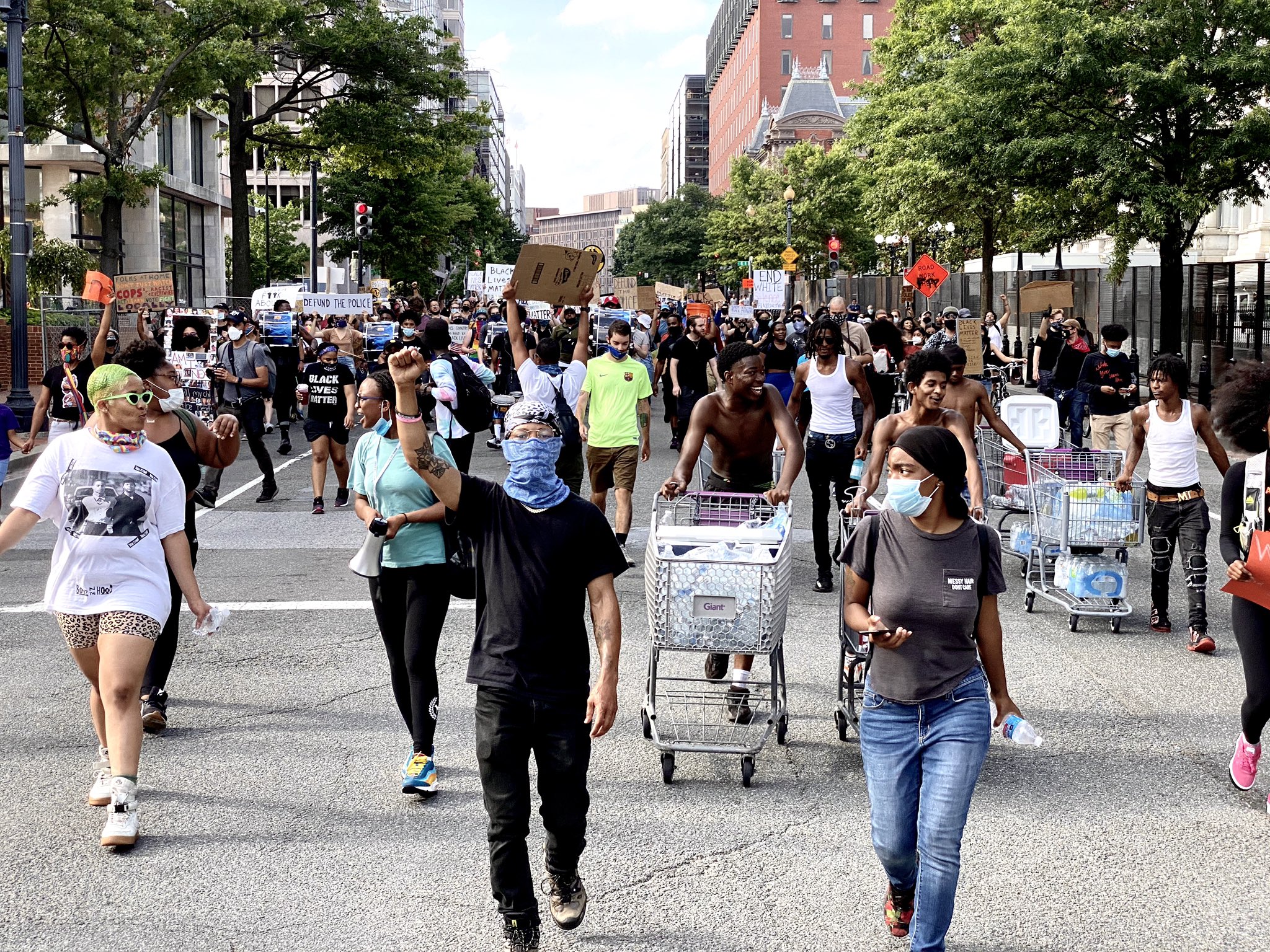
Sakira Coleman came down to Black Lives Matter Plaza to organize the crowd and give the movement a burst of energy. “It’s exhausting. This is our thirteenth day protesting out here,” she said. But “it’s just business as usual now. It takes a lot of sweat, a lot of endurance, a lot of networking, and the community coming together.”
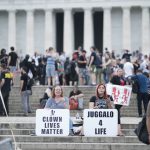
Coleman picked up her megaphone and started rallying people who had gathered around Lafayette Square. She told them to get ready to join her organization, Until Freedom United DC, on a march to the Lincoln Memorial. And within 10 minutes, Coleman and her colleagues had successfully managed to get more than 80 people to march with them. Once they got to the Lincoln Memorial, they passed around flyers, which listed their demands, including defunding the police, banning the use of chokeholds, and other measures.
This kind of thing happens often at Black Lives Matter Plaza now, on the 13th consecutive day of demonstrations in D.C. These protests haven’t been centrally organized, and that’s something activists have been proud of. “It’s all grassroots,” Coleman said. “It’s not about one organization. The community is coming together.” The groundswell of activism in the area has allowed several brand-new organizations to crop up and seize the moment. “A lot of organizations have come up. Five days old, three days old, a week old,” Coleman said. Her organization formed on May 30.
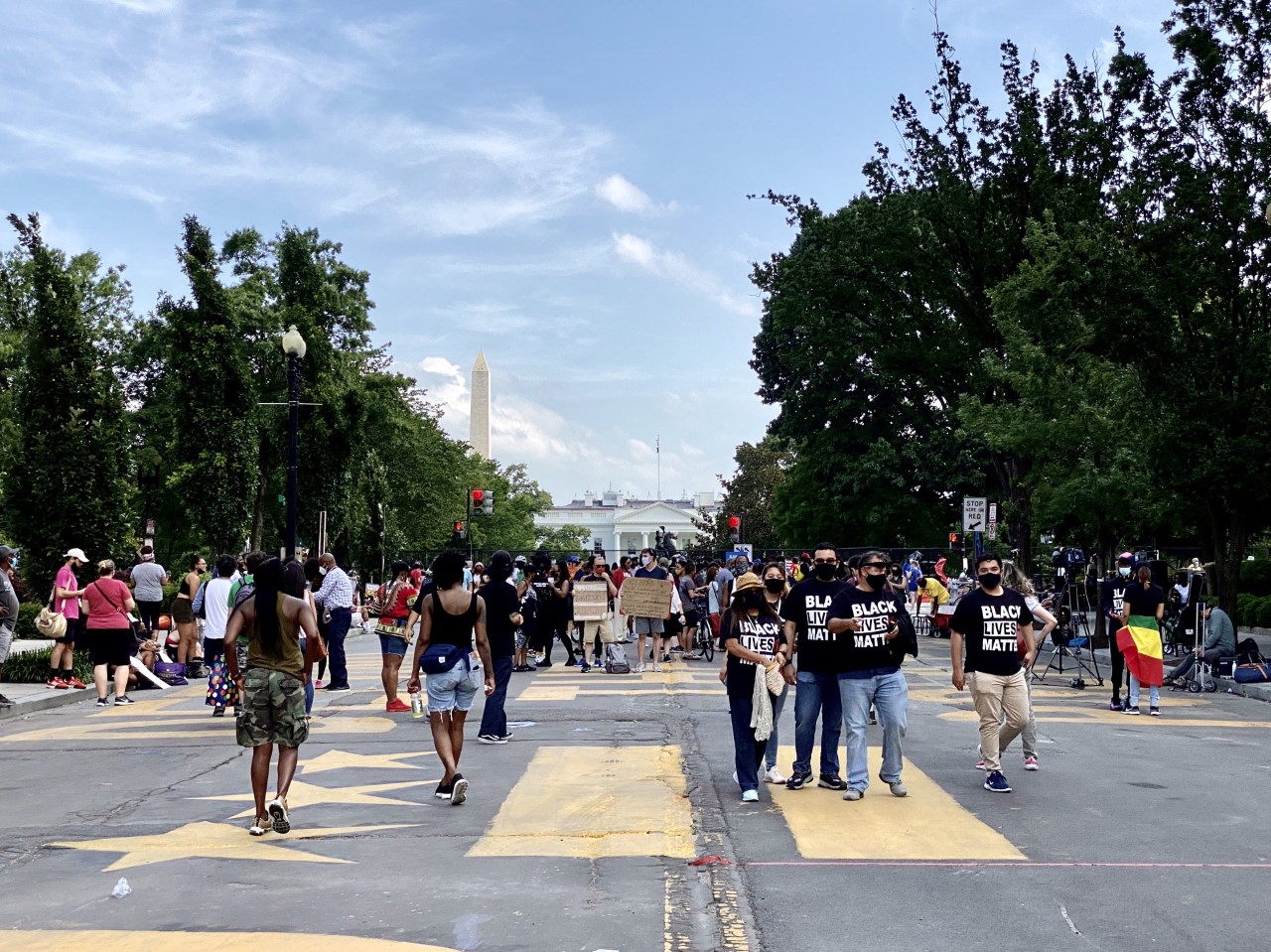
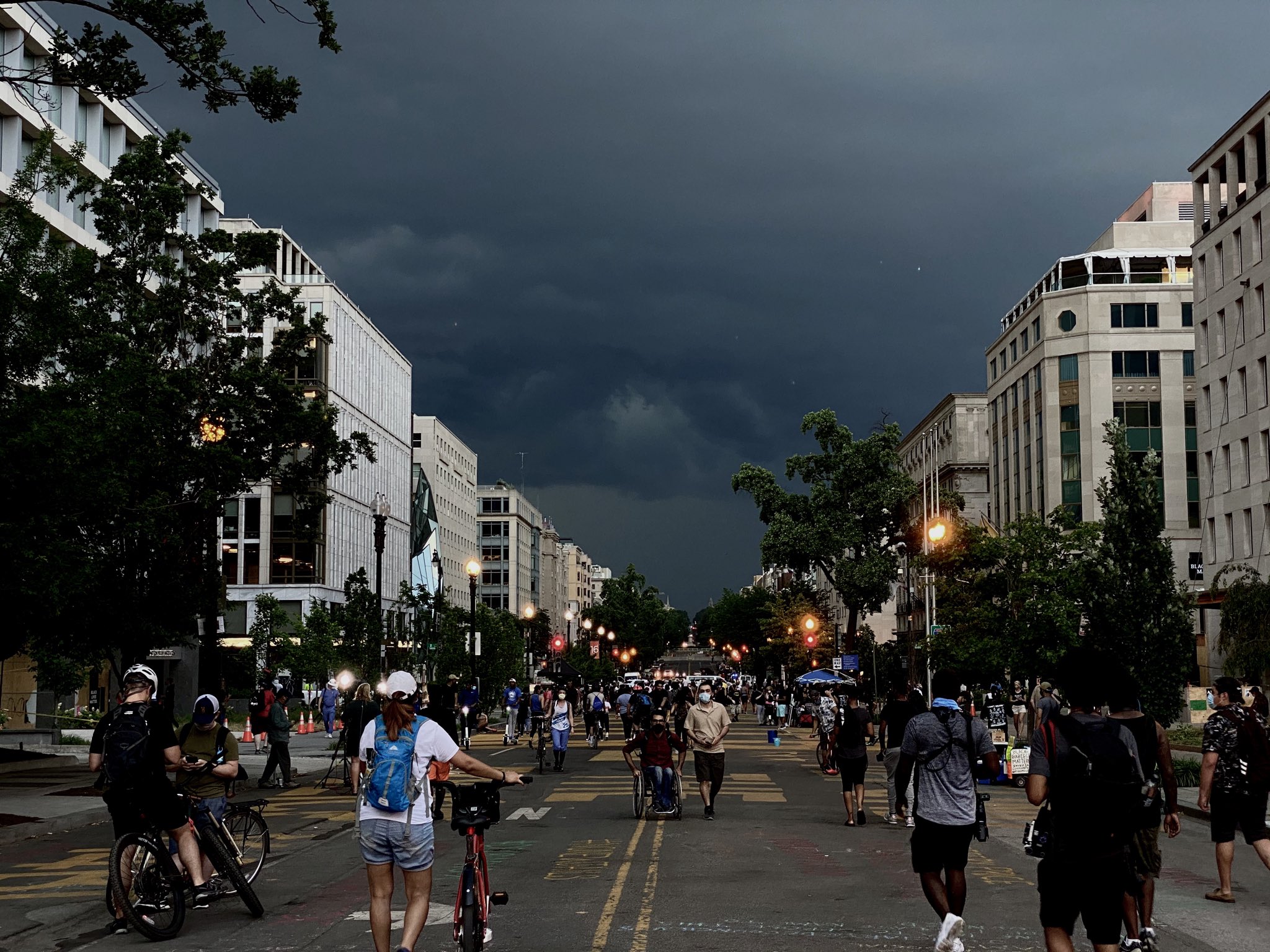
This section of 16th Street NW is now a place where people come to show support for the cause of advancing racial justice and equality, and protesters stick around and wait to be organized by one organization or the other. “People are always asking when the next march is, or ‘how can I donate?’,” Coleman said. And “the community really knows what to do. We know this is a critical moment we have to jump on, a moment when truly sustainable change can happen.”
William Michael, 30, just came down for the first time today to support the movement by adding to the numbers of people here. He also wanted to see the Black Lives Matter mural, which has proven to be an attraction for people, bringing more potential protesters to Lafayette Square. “I’m feeling involved,” he said. Michael isn’t a part of any organization, nor is he looking to join one at the moment, but he’s willing to attend marches and rallies. Just today, after seeing the mural, he joined a march that went down to Pennsylvania Avenue. “I’m feeling excited for the change that’s happening right now. I feel like it’s a liberation.”
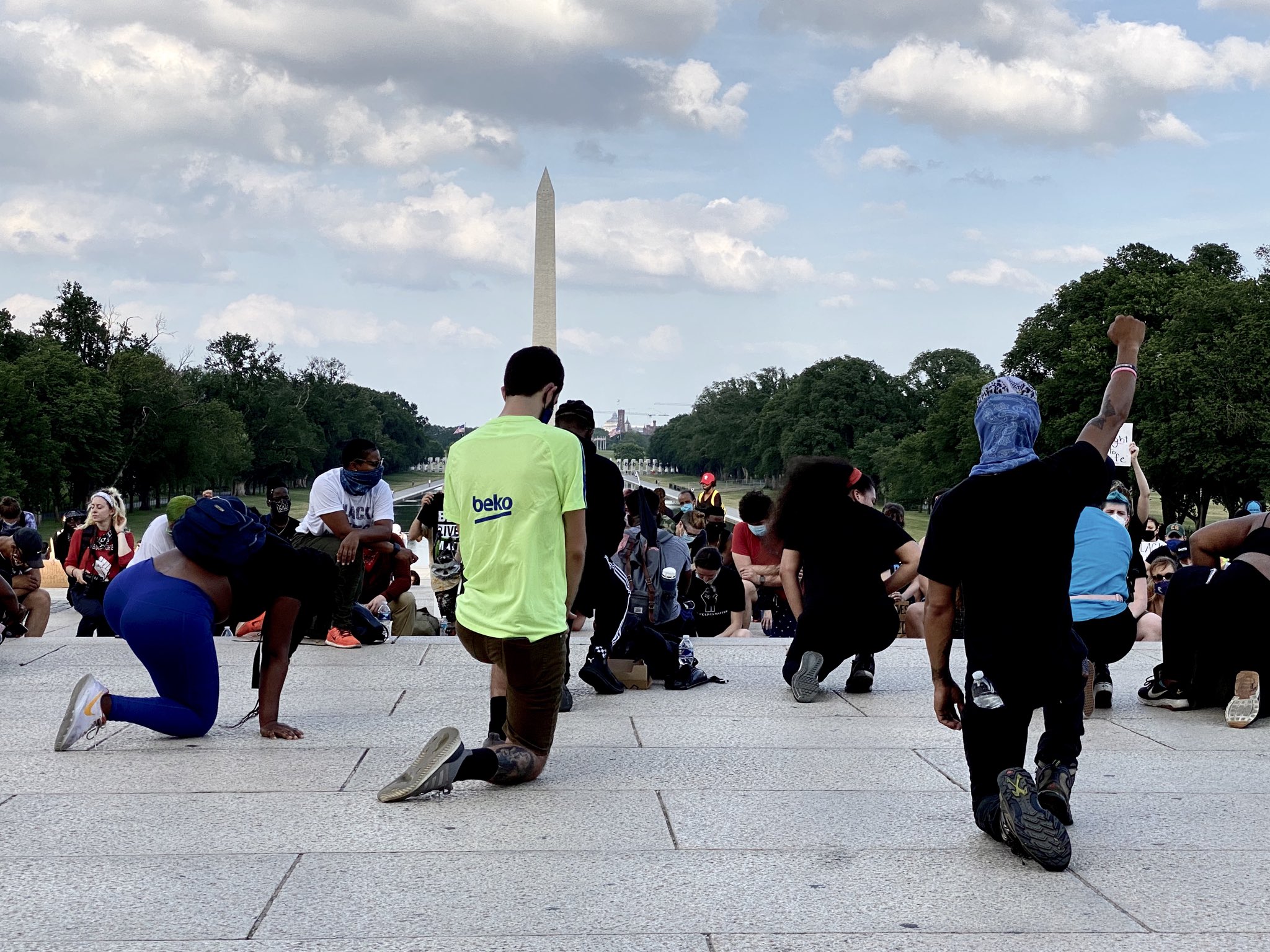
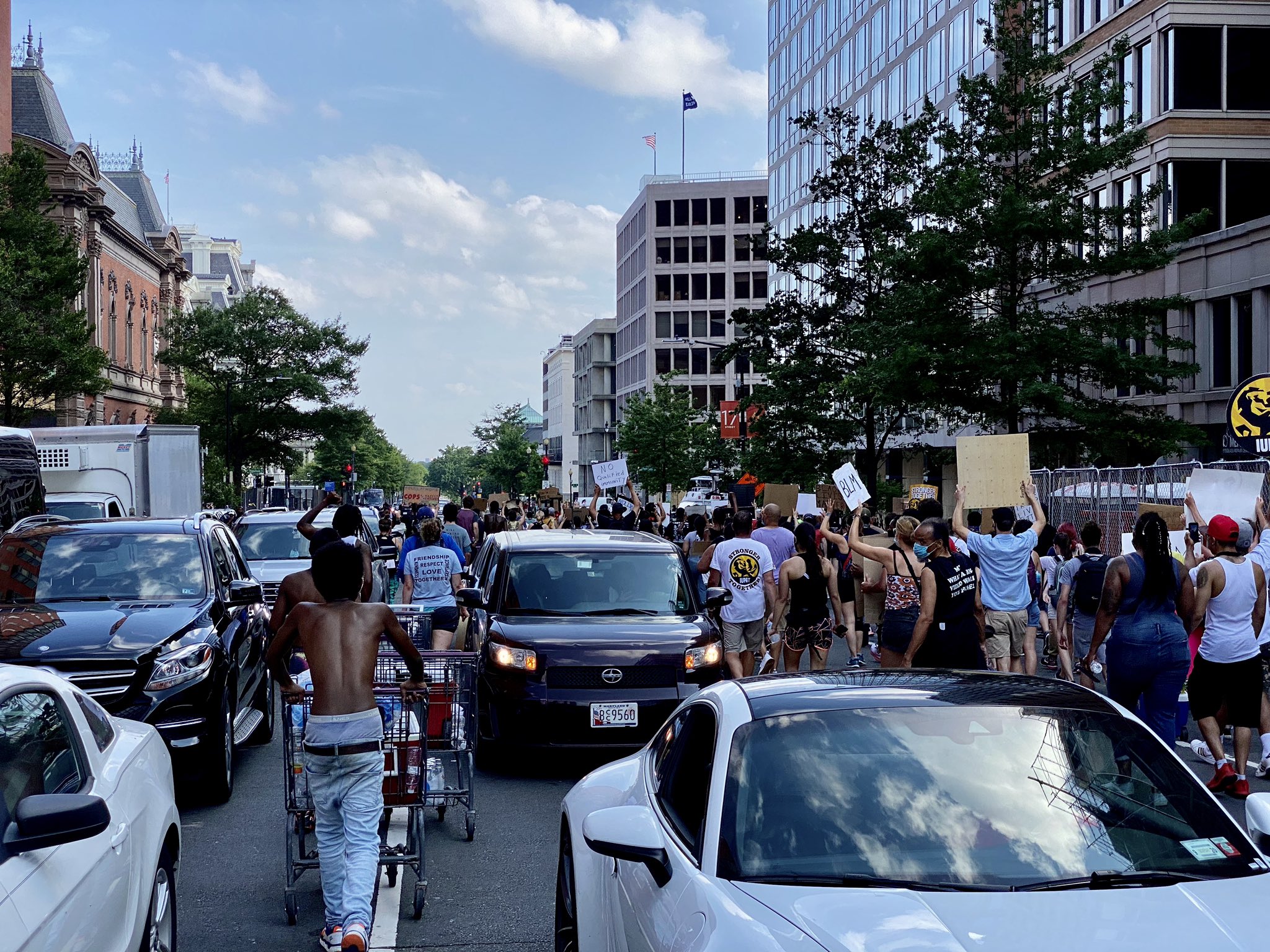
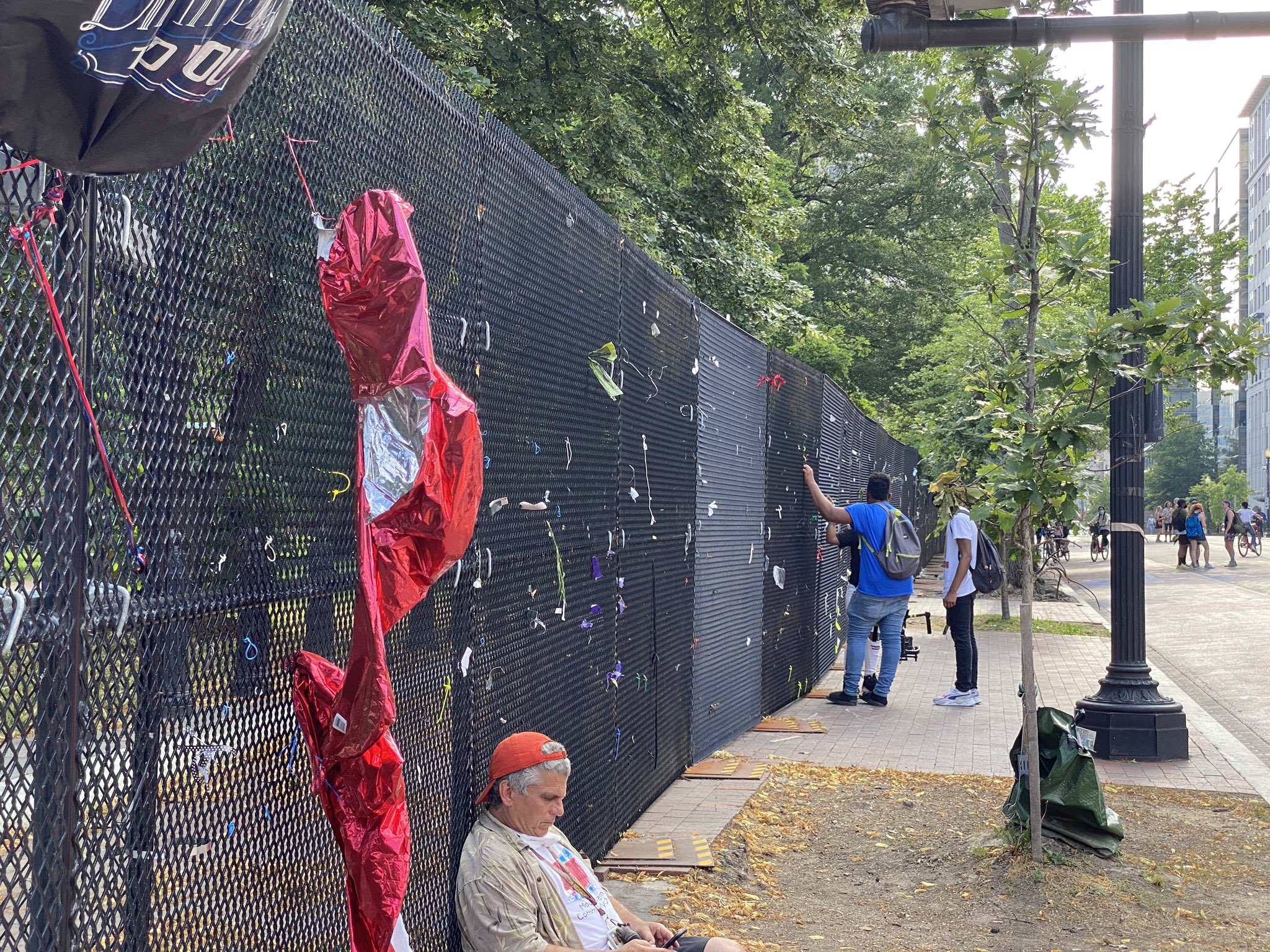
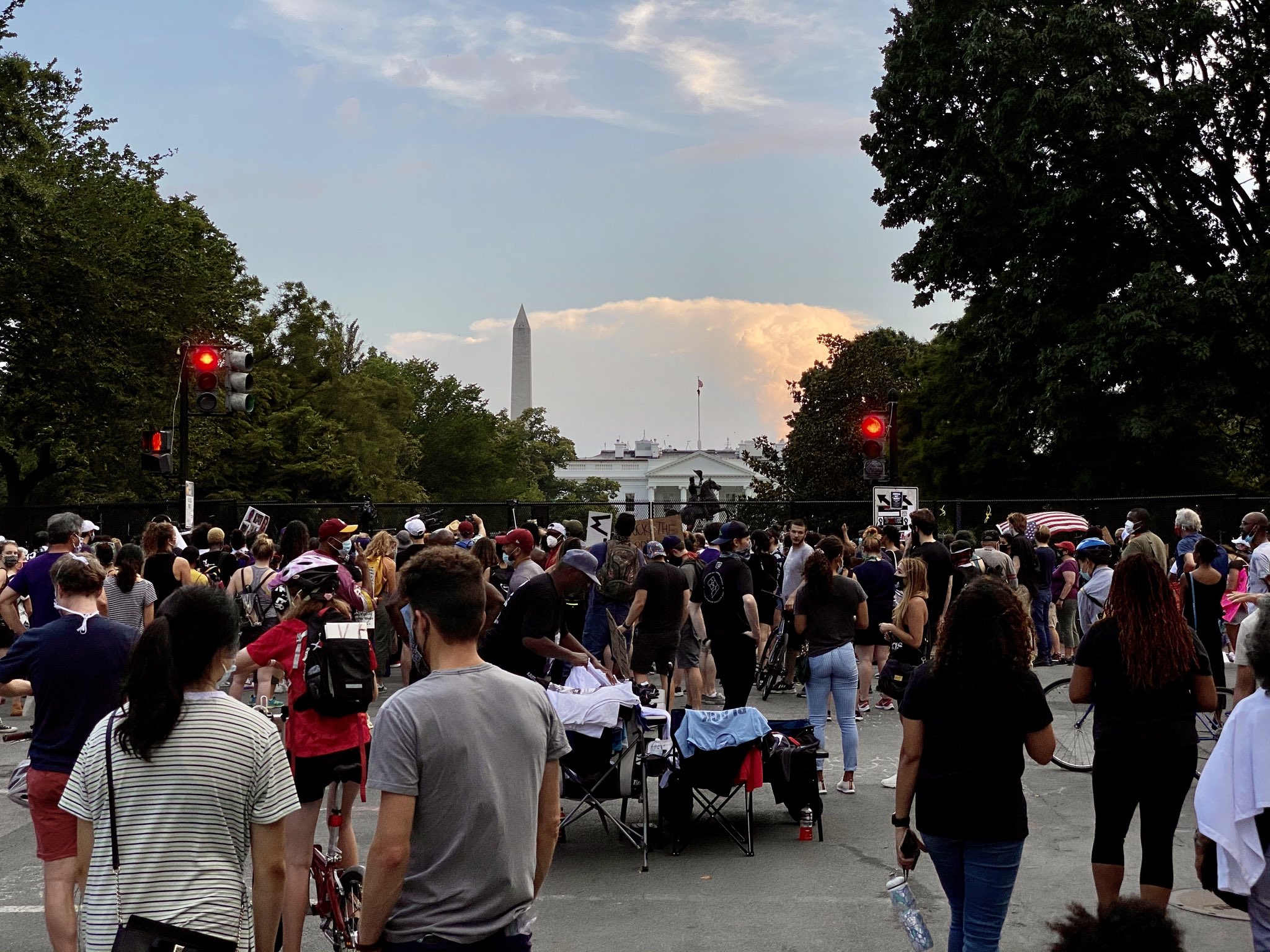
Other organizations that aren’t directly involved in this particular movement were there to show solidarity and seize on the appetite for activism. On Monday, for example, the International Union of Painters and Allied Trades, a member of AFL-CIO, set up a table to pass around protest signs and supplies. Today, the National TPS Alliance, which focuses on immigrants with temporary protected status, came out with signs and support for the Black Lives Matter movement.
“We had a national event planned for today, but because of the protest, we decided to send a message of solidarity instead, Erik Villalobos, their communications director, said. “We are a social justice organization fighting for immigrant justice, so we feel that it’s super important to stand in solidarity at this moment.”
A lot of people said they came down to Lafayette now to just be around the positive energy that these protests have brought about.
Erika Rosa, 18, who showed up for the first time Tuesday. “It’s a good energy to be around.” She’s looking to be more involved, if she has time, and if she finds organizations here with compelling causes, she would participate. Her friend Mark Henry, 19, said that he would “for sure” join an organization. One in particular that he’s looking out for is the Black Panthers.
When there weren’t any marches or rallies, people just hung out around Lafayette Square, waiting to join in on the next chant, organized or otherwise. Throughout the day, people stuck around Lafayette, played, and listened to music, and got into groups and shared the megaphone to give speeches or tell stories. It’s an organic environment for activism, where the community came together to meet in person, and collectively decide what the best way to protest in a given moment was.
And there were also times when groups split and did their own thing. Around 10 p.m., one group started chants like “Black Lives Matter!” right outside the square, another gathered to listen to a speaker outside St. John’s church, and a third was further up 16th Street watching a group breakdance. Ultimately, people came for the historic moment, to show their support for a movement, and to make sure that its momentum doesn’t fade.