The Washington area is home to plenty of film festivals, and since 2003, the destination event every year has been AFI Docs (originally called Silverdocs). With movie theaters still closed, the program has (like many other festivals) shifted online. This year’s fest includes nearly five dozen films from 11 different countries, with the majority directed by women.
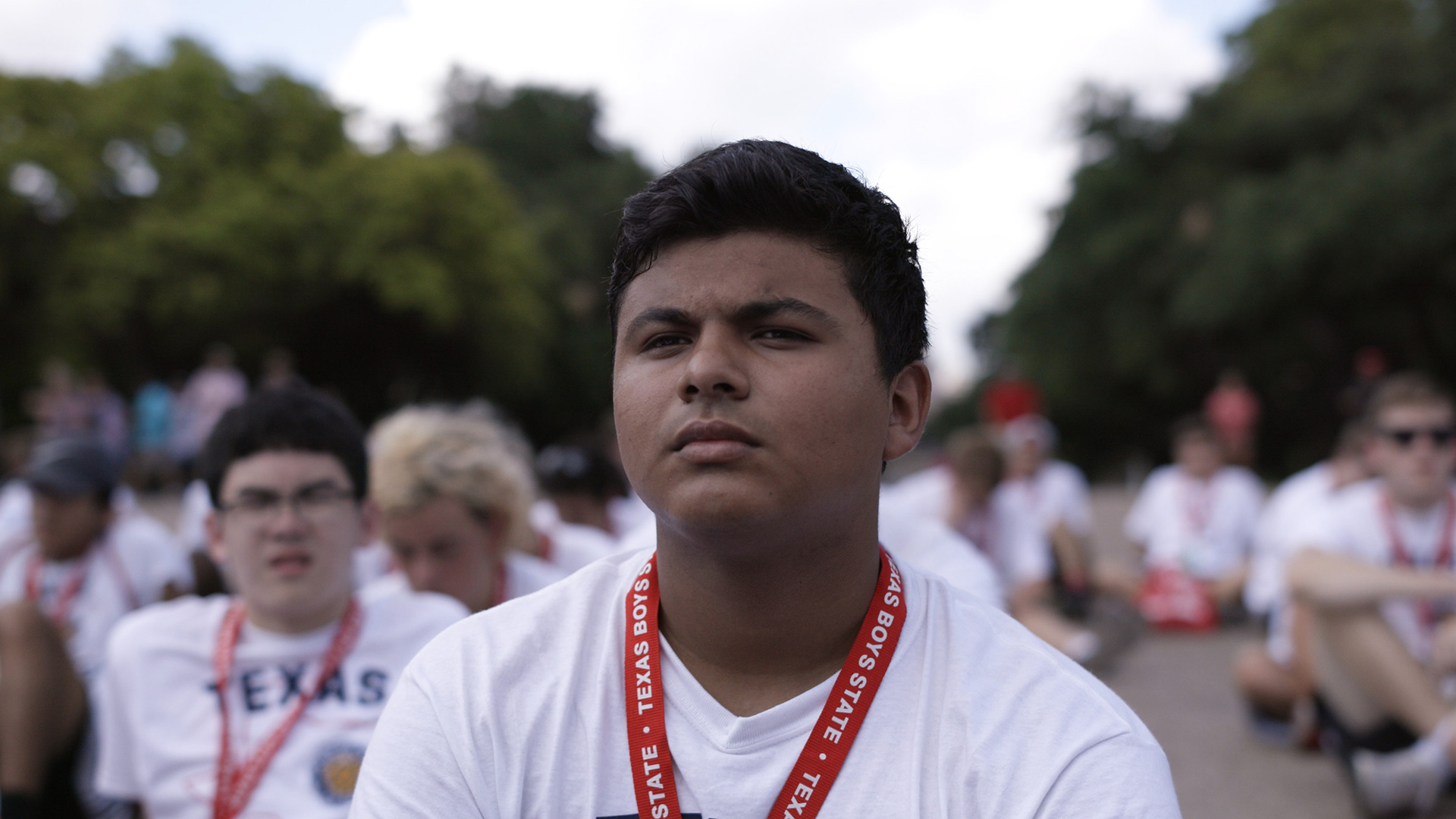
In this time of national crisis, it may be encouraging that, of the films we were able to preview, the strongest are about today’s youth. For example, festival opener Boys State (streaming June 17 at 7:30 p.m.), directed by Jesse Moss and Amanda McBaine, follows the young men participating in the American Legion’s nationwide civics camp, which recruits teenagers in every state. (Notable alumni of the program have included Bill Clinton and Dick Cheney.) It will either renew your faith in the next generation or confirm your cynicism—or both!
There are a few ways to catch the various films in the festival’s slate: Some titles are available for a 24-hour rental period on certain days; others are screening only at particular times. Stream just one film for $8, or unlimited films (one at a time) for $50. DCist previewed a handful of this year’s selections, and they’re all worth checking out.
THE LETTER
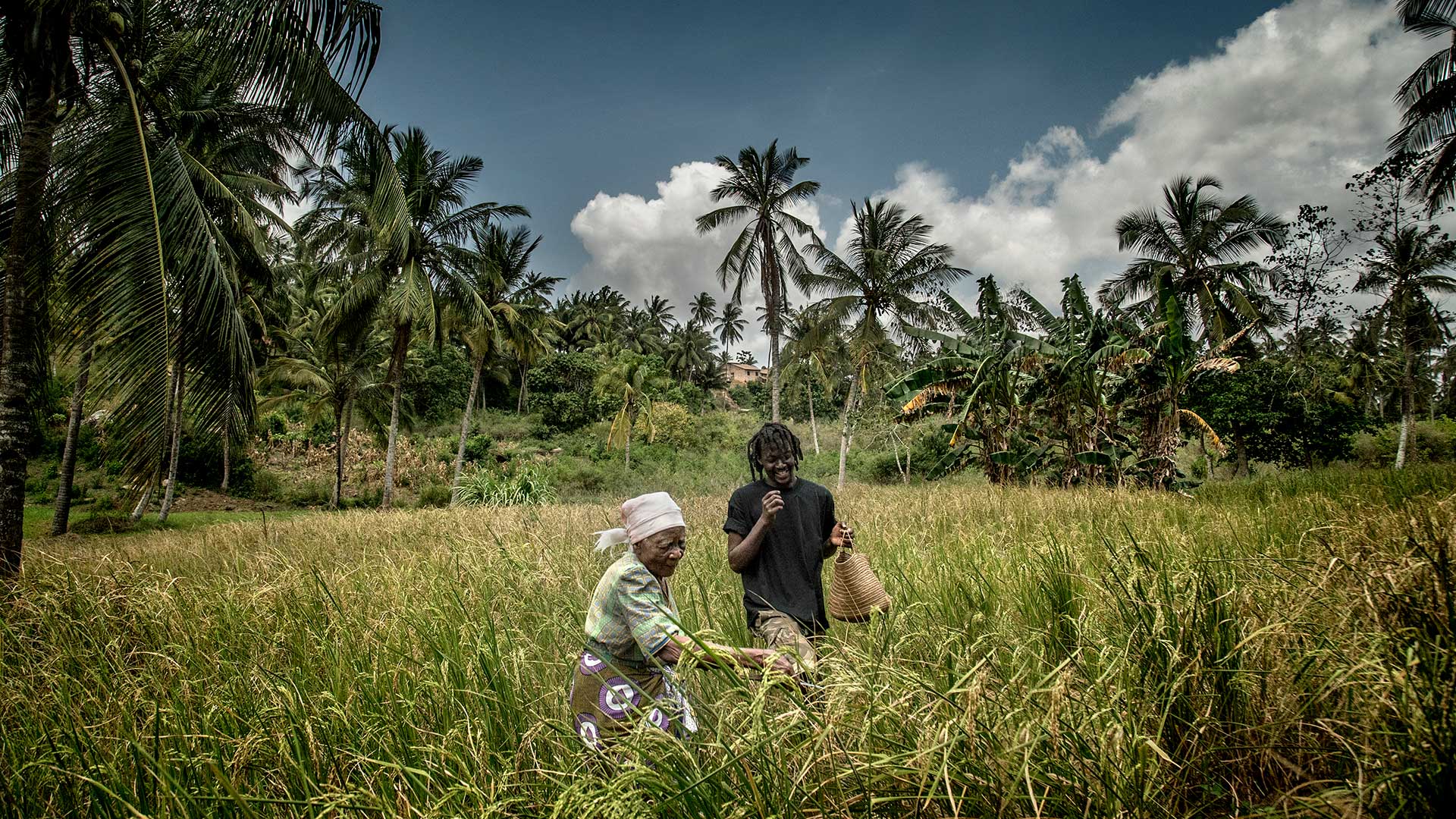
While social media pile-ons are all too common, directors Maia Lekow and Christopher King document a particularly dangerous example of groupthink. The film follows Karisa, a young man who lives in Mombasa, Kenya and leaves the big city for the rural village where his grandmother lives. The reason for his journey home is troubling: Karisa has learned that his grandmother has been accused of witchcraft—a charge that has led villagers to harass and even slaughter suspected elders. The Letter is one of a number of films featured this year that demonstrate the effect that internet access has had on remote areas that were previously left isolated from worldly concerns (see Sing Me A Song, below).
With Karisa as their guide, Lekow and King observe the relationships between younger generations raised on video games and elderly farmers who continue to till dry land with hand-tools. Yet for some reason it’s these very elders who are blamed when an expectant mother loses her child, or crops don’t come in. What lies behind such contempt for elders? In a land of lush scenery and rich traditions, accusations are thrown about with alarming speed, putting lives and livelihoods in danger.
Available here on June 21 for 24 hours beginning at 12:01 a.m.
PORTRAITS AND DREAMS
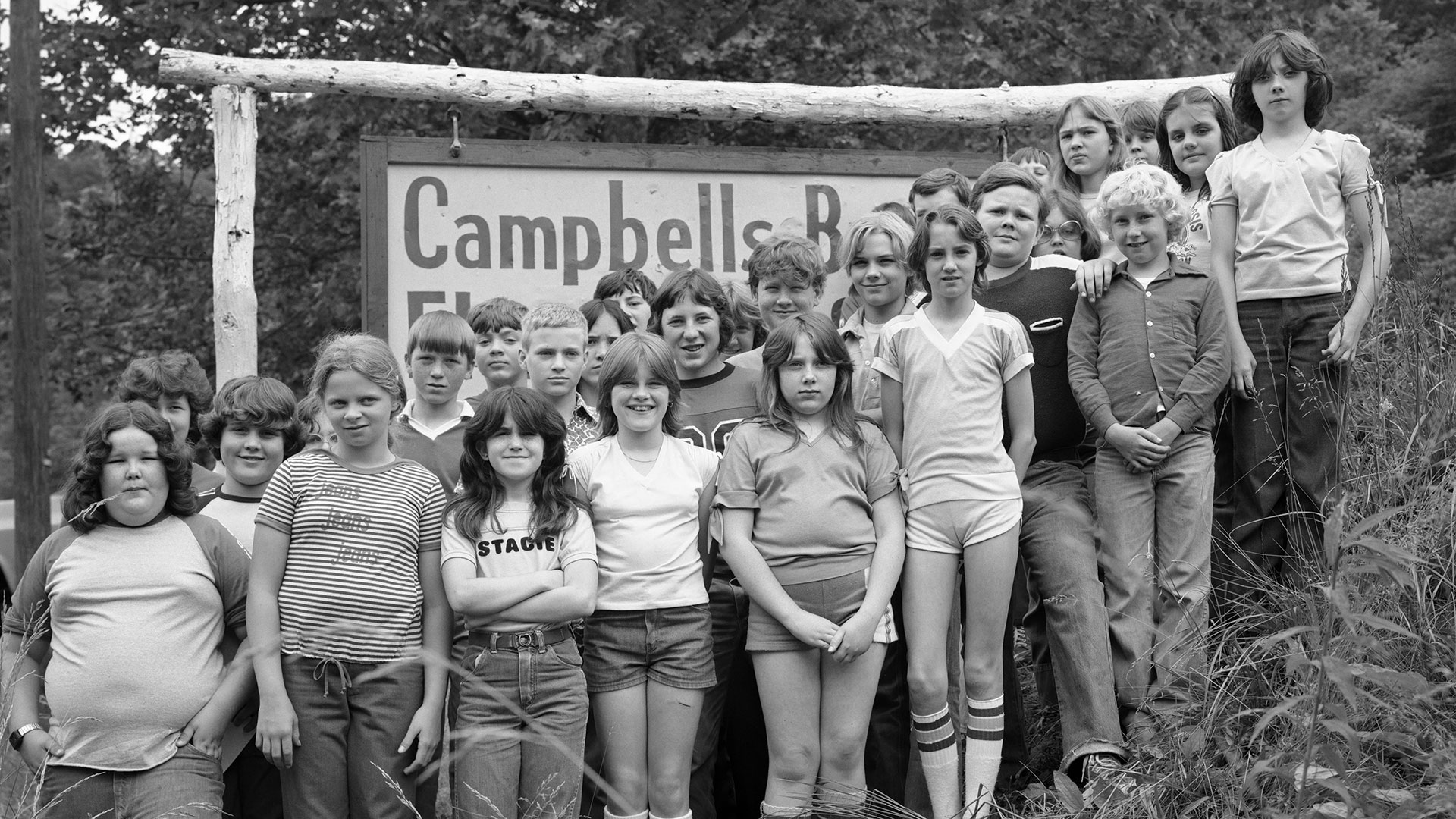
Photographer Wendy Ewald has spent her life teaching students in impoverished regions how to record their own family histories on camera. This hour-long film, co-directed by Ewald with Elizabeth Barret, joins the photographer as she revisits students she taught in Appalachia, whose work formed the collaborative 1985 book Portraits and Dreams.
The film plays like a condensed version of Michael Apted’s celebrated Up series, as we see Ewald’s former students in the ’80s and today: Some have remained in poverty, while others have moved up to comfortable middle-class lives. One of the former students, for example, has found success a school administrator, and is a long way from circumstances that would leave most of us complaining. But in her childhood photos, she shows a joyful innocence of a young woman who makes do with what she has. “The kids taught me that it’s less interesting to frame the world only according to my own perceptions,” Ewald says.
Available here on June 18 at 6:30 p.m.
A THOUSAND CUTS
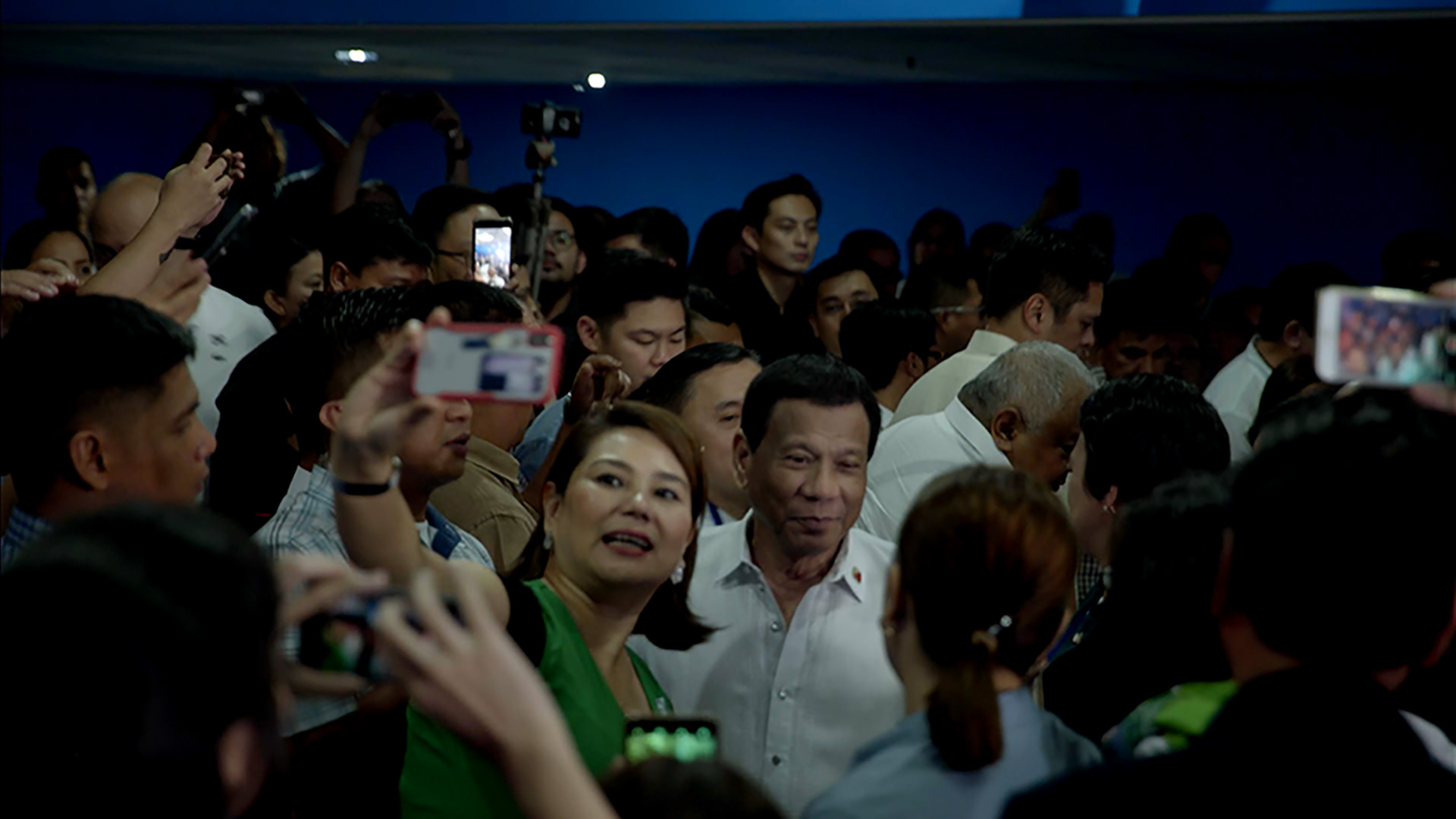
Director Ramona S. Diaz’s previous subjects include Filipino singer-songwriter Arnel Pineda, who was pulled from YouTube obscurity to become the lead singer for Journey, and here she documents a more unsettling rise to fame: that of Philippine President Rodrigo Duterte. As investigative reporter Patricia Evangelista of the country’s online news site Rappler notes in the film, “The level of poverty on the ground is phenomenal. They’ve had other presidents and other governments and their lives have not gotten better. Duterte comes in—he offers not just change. He offers revenge.”
The film charts Duterte’s political ascension in parallel with the work of journalist and Rappler CEO Maria Ressa. As Ressa and her team of investigative journalists chronicle Duterte’s populist appeal and violent excesses, the government has her arrested twice on trumped-up cyber-libel charges. The film’s title comes from Ressa, who explains that Duterte’s war on the free press represents an existential death to democracy by “a thousand cuts.” It’s a fascinating dynamic not without parallels to our own divided nation. Yet, much like in Don’t Stop Believin’: Everyman’s Journey, Diaz takes a rich fascinating subject and loses focus, and the film’s pacing flags despite the lurid potential of a vivid and bloody political circus. And even those with some knowledge of Philippine politics may miss some much-needed context. Still, if you think politics has gone off the deep end in the United States, wait till you see Duterte in action.
Available here on June 18 for 24 hours, beginning at 12:01 a.m.
SING ME A SONG
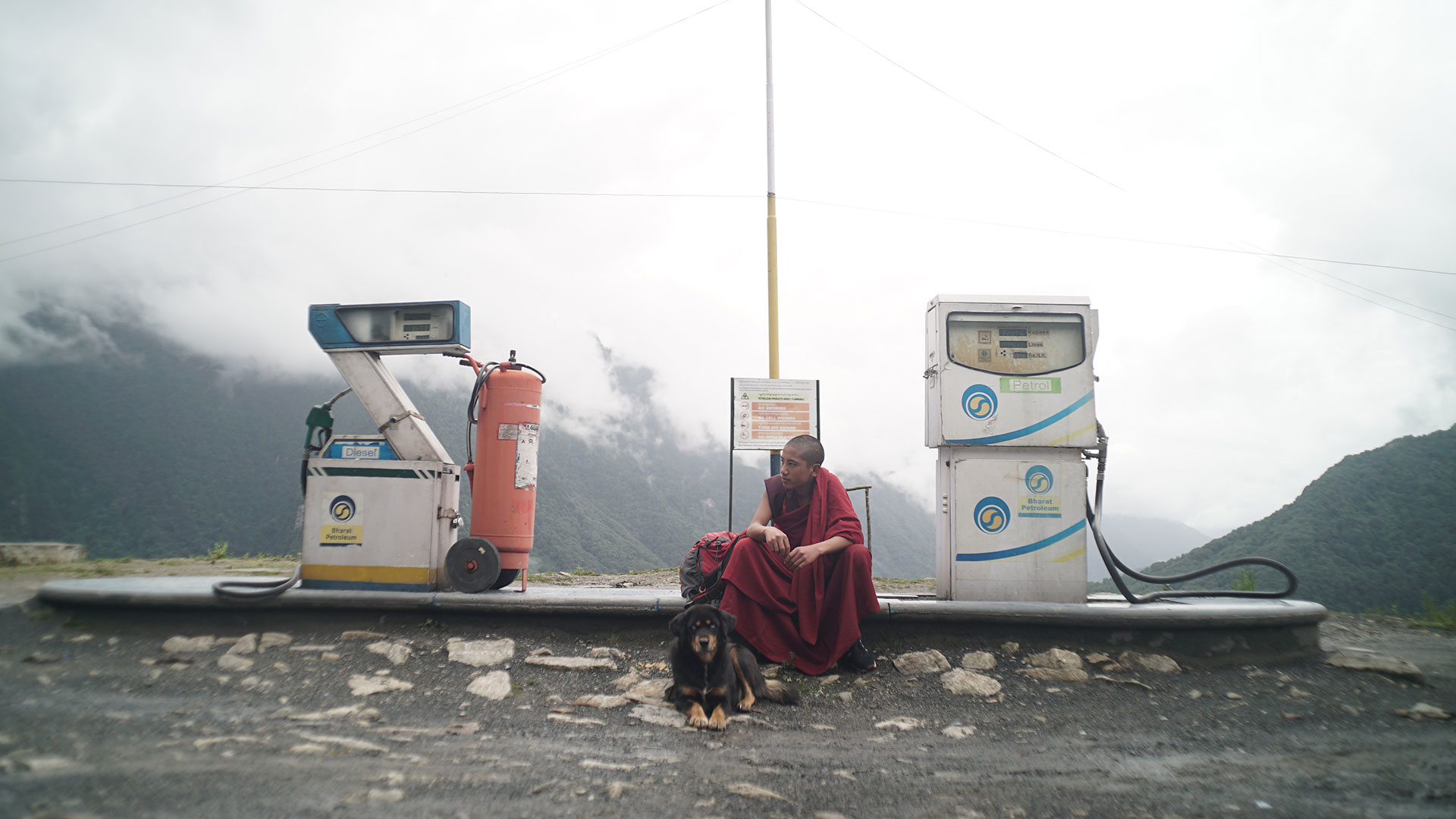
This sobering documentary opens with eight-year old Peyangki, a Tibetan Monk studying in Laya, a remote village in Bhutan that was among the last regions of the planet wired for the internet. After a brief intro establishes the peaceful, mountainous, unwired land, director Thomas Balmès jumps forward ten years: As an electronic chime and buzz sounds, the now teenaged Peyangki, still in Laya, picks up his cell phone. Balmès shapes this conflict between tradition and the modern world into a moving coming-of-age story.
The film’s title comes from the boy’s conversations with his girlfriend, an 18-year old bar singer in Thimphu, the bustling capital city. Will Peyangki renounce the spiritual life for love? Shifting between highly contrasting worlds, Sing Me A Song looks at the ways technology has lured young monastic students—and humanity overall—a long way from spiritual discipline and focus.
Available here on June 21 for 24 hours, beginning at 12:01 a.m.
JIMMY CARTER: ROCK & ROLL PRESIDENT
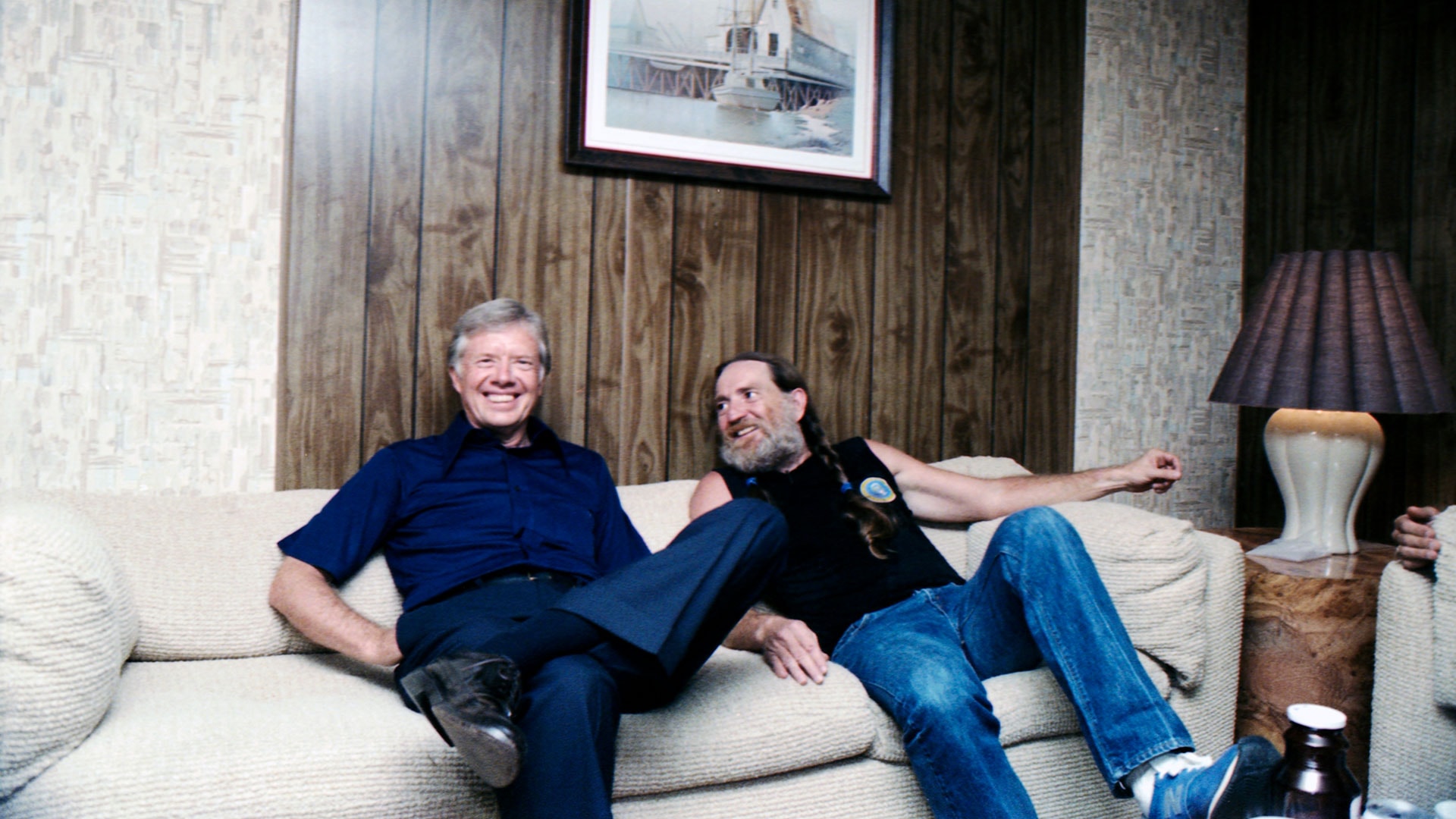
In this entertaining yet unfocused documentary, director Mary Wharton chronicles the political career of the Plains, Georgia, native and 39th president through his musical influences and endorsements. Carter’s path to the Oval Office was, as Wharton suggests, laid out in part by a counterculture willing to embrace him: His fans included no less an iconoclast than Gonzo reporter Hunter S. Thompson, who wrote the cover story for Rolling Stone magazine’s eager endorsement. The Allman Brothers were among the big rock groups that threw in their hats for the peanut farmer, although before Carter locked up the nomination, he had to contend with then-California Governor Jerry Brown’s own high-profile backers, including his then-girlfriend Linda Ronstadt and The Eagles.
Once Carter was in the White House, he hosted regular jazz concerts, which gave him the chance to sing be-bop staple “Salt Peanuts” alongside legendary trumpet player Dizzy Gillespie. Yet as the Carter presidency becomes overwhelmed by high gas prices and the Iran hostage crisis, rock & roll gets put on the back burner and the film loses its drive. Rock & Roll President suggests that music indeed can bring the nation together. But if that seemed even an idealistic possibility in the ’70s, it now seems like a faraway dream.
Available here on June 21 at 7 p.m.
AFI Docs runs online from June 17-21. An all-festival pass is available for $50, and tickets to individual films are $8.