 Mikaela Lefrak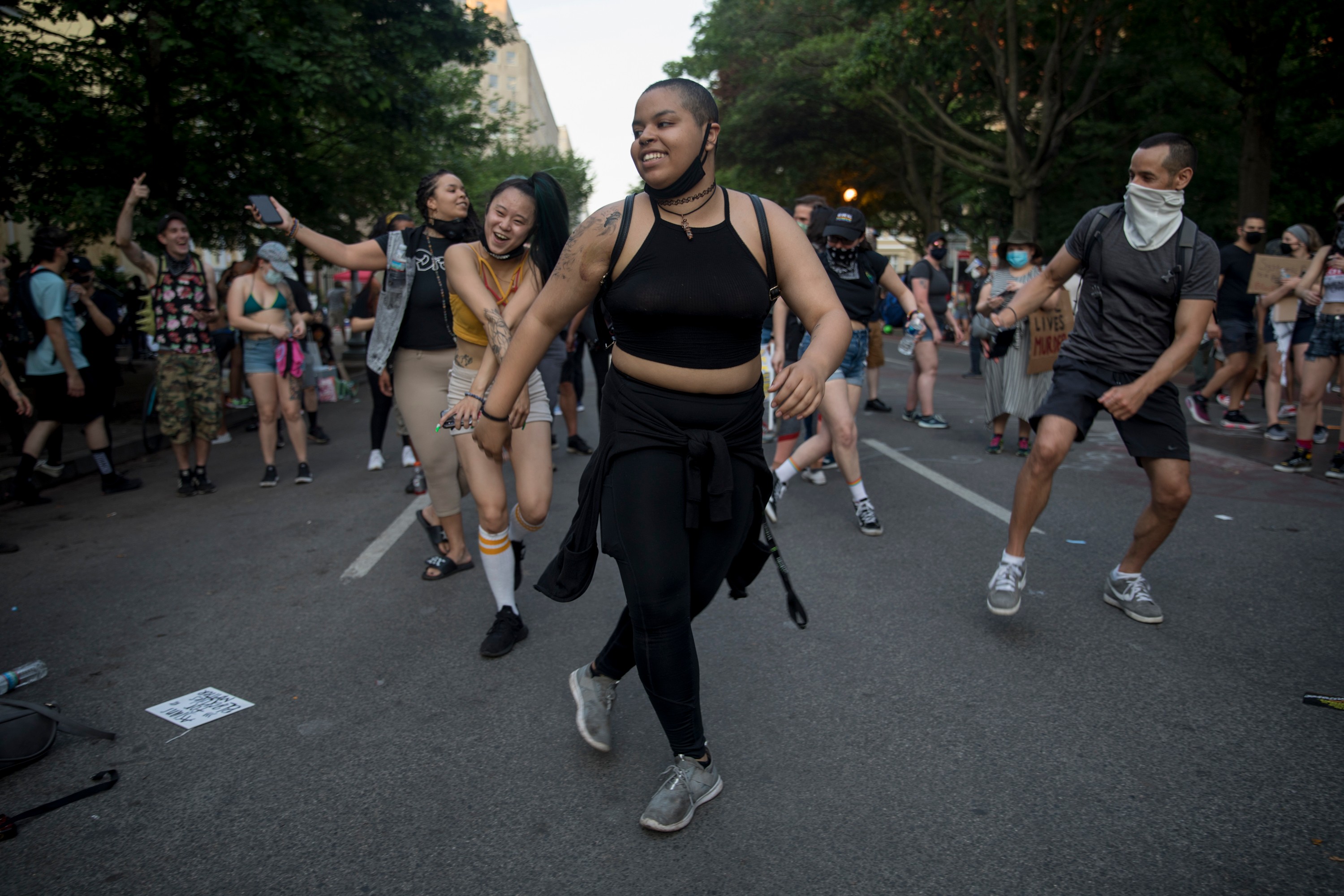
Every year on June 19, Louis Hicks and his family would gather together at the family farm in Maynard, Texas, for a daylong picnic and party. The kids would run wild as the adults barbecued and caught up with one another. Sometimes there would even be fireworks.
“To me, it just meant a family celebration,” says Hicks, a former museum executive who now lives in D.C. “I didn’t really understand what Juneteenth was about.”
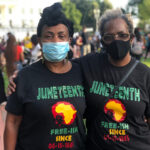
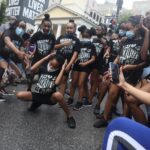
The recent protests over the killings of George Floyd, Breonna Taylor, and other Black people by police have brought a renewed local and national interest in Juneteenth, a holiday celebrating the end of slavery. Protesters around the Washington region will gather this Juneteenth — Friday — for a day of marches, caravans, vigils, and concerts.
Although 46 states and the District of Columbia recognize Juneteenth as a holiday or observance, many people in the Washington region did not know what it was until this year.
“Young people today are less aware of it,” says Lopez Matthews Jr., a Howard University librarian and African American studies professor at Bowie State and Coppin State University. “Even when I talk about Maryland Emancipation Day [on November 1], many of them have never heard of it — and they’re born and raised in Maryland.”
Matthews says standardized K-12 curriculum often glosses over the full history of slavery and emancipation. He often has to remind his students that the 1863 Emancipation Proclamation freed slaves only in states that had seceded from the Union.
Other states, meanwhile, have their own specific emancipation stories and local traditions. D.C.’s Emancipation Day, for example, was on April 16, 1862. The city has recognized it as an official holiday since 2003.
Juneteenth is, at its root, a Texas tradition. It takes its name from the day in 1865 when the Union army rode into Galveston to reinforce the Emancipation Proclamation, marking the official end of slavery in the United States. Black Texans began celebrating Juneteenth as a holiday the following year.
“When we understand what Black people were up against in Texas, the very act of celebrating Juneteenth was an act of resistance,” says C.R. Gibbs, an author and lecturer on the African diaspora living in D.C.
Black Americans brought the holiday with them as they began migrating en masse to other parts of the U.S. after the Great Depression. (As Gibbs puts it, “You couldn’t keep that kind of joy confined to the state of Texas.”) It received a major boost in 1968, when, shortly after Martin Luther King, Jr.’s assassination, his Poor People’s Campaign held a Solidarity Day in Washington, D.C. on Juneteenth.
Texas made it an official holiday in 1980, and Texans like Louis Hicks continued to spread the word.
“I brought Juneteenth to D.C., as well as other former Texans migrating across the country,” said Hicks, who moved from Austin to D.C. in the 1980s to do graduate work at Howard University.
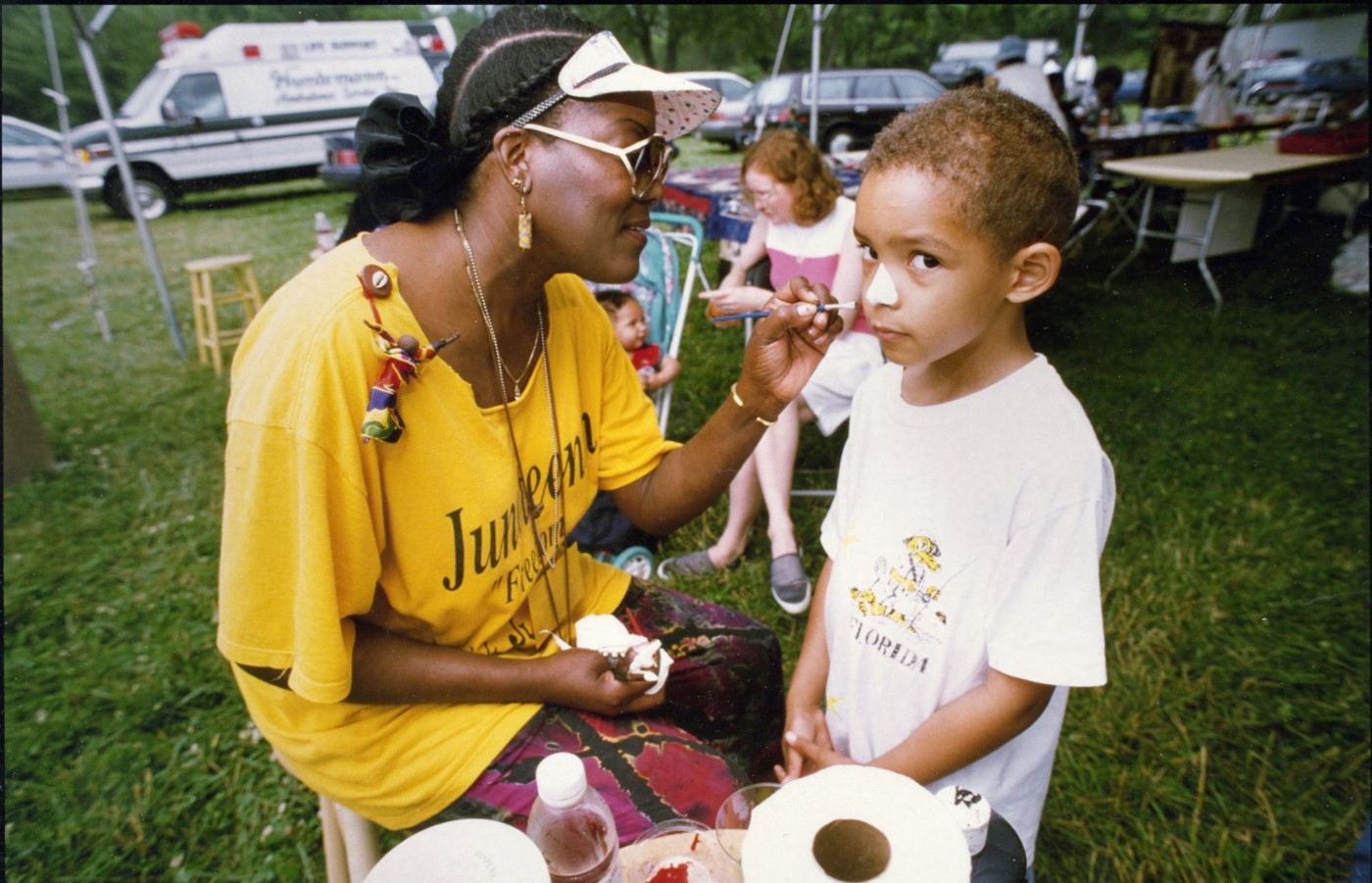
In the early 1990s, Zora Martin Felton, director of the Smithsonian Anacostia Community Museum, hired Hicks and others to organize a Juneteenth festival. They set up a full day of celebrations: face painting, musical performances, and food. The museum has celebrated the day intermittently ever since.
The Maryland-National Capital Parks and Planning Commission has held an annual Juneteenth celebration in Prince George’s County since 2008. Gibbs now has four different Juneteenth lectures he can deliver to companies, classrooms, and museums, because, as he says, the demand for information about holiday’s history has grown so much.
Many Washington area residents have now grown up celebrating Juneteenth with their families.
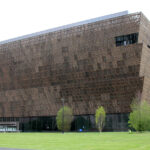
“My family has been celebrating for 50 years,” says Kelly Navies, an oral historian and museum specialist at the National Museum of African American History and Culture. She told WAMU’s Kojo Nnamdi that her family will celebrate on Zoom this year due to the coronavirus pandemic.
“It won’t be the same, but we couldn’t let it pass,” she says.
This year’s Juneteenth will also stand out for its connection to political action and demonstrations. Historian C.R. Gibbs says protesting is a fitting way to mark the holiday: “What we see here is a walk down freedom’s road,” he says. “I look at the celebration of Juneteenth as a conduit to a larger and more complete understanding of the struggle for Black freedom in the United States.”