Elliot C. Williams
 Jenny Gathright
 Tyrone Turner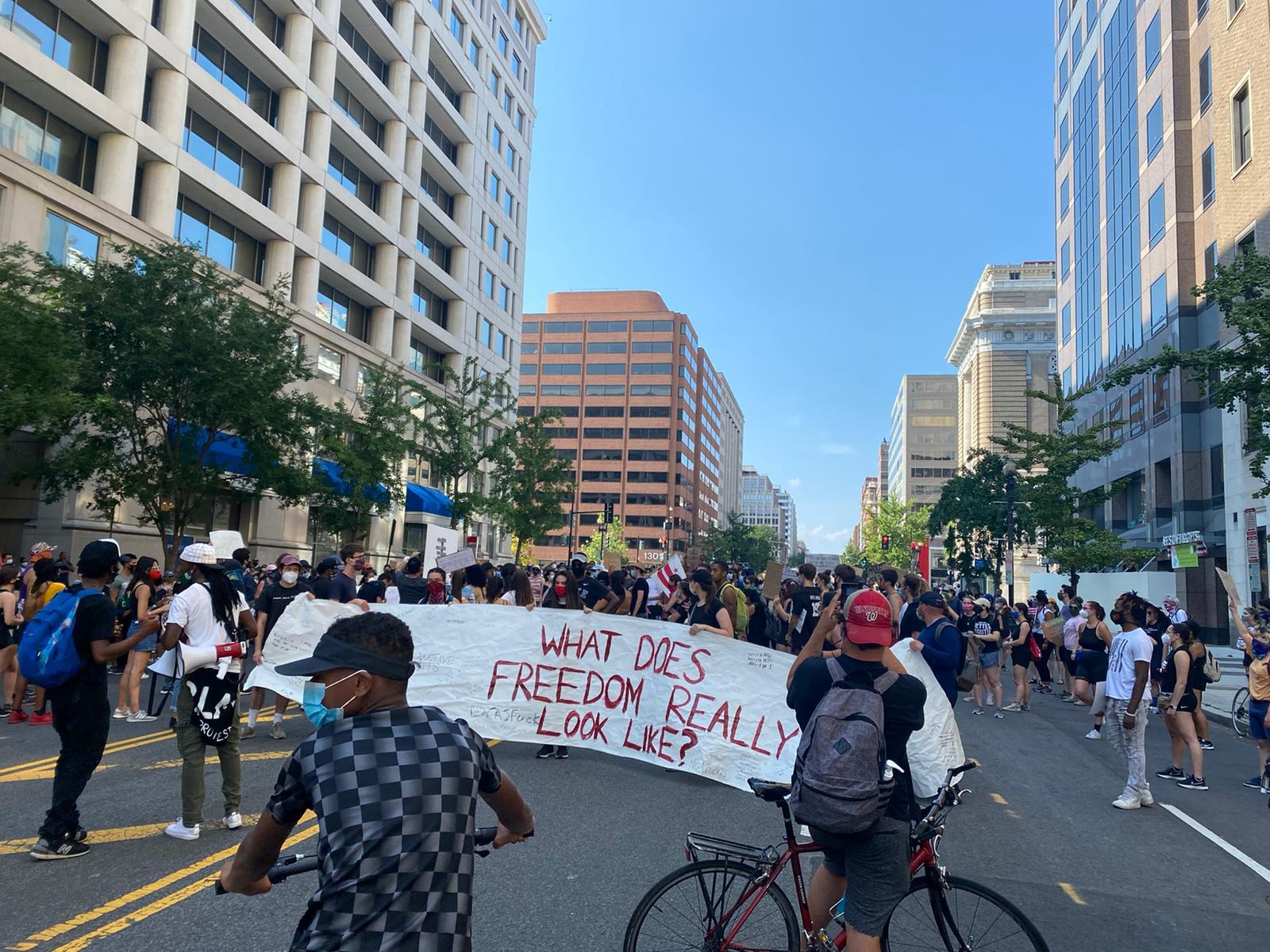
Nearly all of the District’s usual festivities were canceled, but on a scorching Fourth of July in the city, locals and visitors still braved the heat for protests, rallies and celebrations.
A decidedly different Independence Day comes after more than a month of demonstrations in the nation’s capital over the killings of George Floyd in Minneapolis, Breonna Taylor in Louisville, and racial injustices across the U.S.
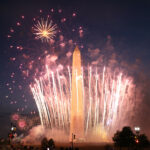
Amid warnings against mass gatherings during the coronavirus pandemic, some people also headed for the National Mall for the Trump administration’s second-annual “Salute to America” event, with planned military flyovers and fireworks.
With this turmoil as the backdrop, we asked people across the city a simple, direct question: What does freedom mean to you?
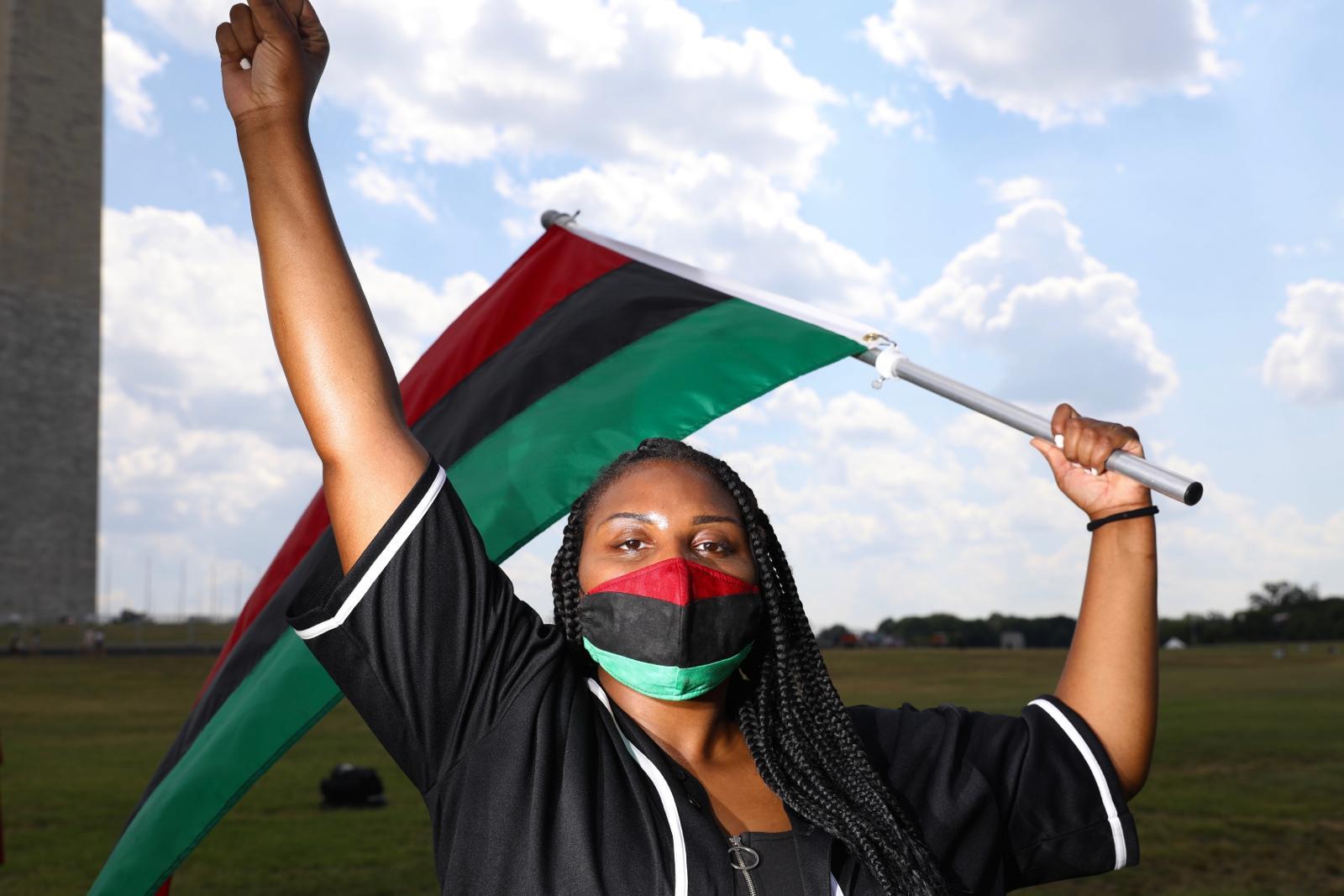
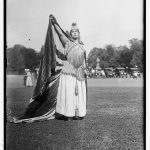
Marah O’Neal on the National Mall, carrying a Pan-African flag
“To me, freedom is everyone being treated equally with their good deeds and with their bad deeds. September 28, 2019 out in Hunt Valley, Maryland, he [Jamaal Taylor, the father of her children] was gunned down by the police for alleged crimes. The crimes — they didn’t know for sure if he did it or not. But that day they played judge, they played jury, they played lawyer, they played executioner. They’re not trained for that … We have four beautiful children. Three girls and one boy. So right now we’re fighting for accountability.”
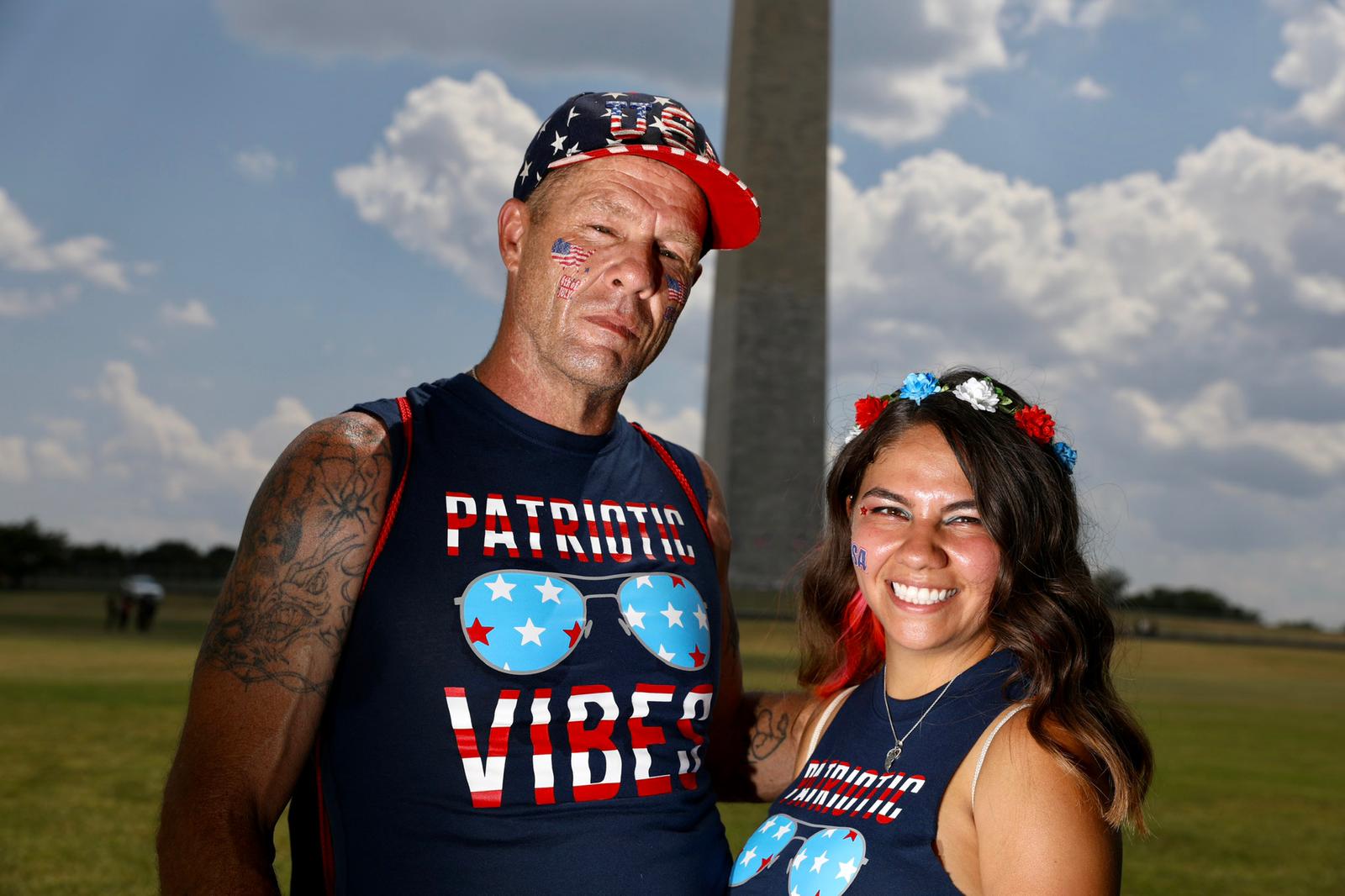
John Turano and his daughter Bianca traveled from L.A. to see the fireworks on the National Mall. Both are Trump supporters.
Turano: “It means that all of us can protest and have our own opinion … we need to fix things. Just like our personal lives are screwed up … that’s just like our country. You have things that we fix and make better, and I feel like our president’s doing a good job.”
Bianca: “It means that we’re out here, we get to voice our opinions, we get to stand out here. I have nothing against the protesters— you wanna come out , you wanna support what you feel you’re supporting, that’s fine. I just don’t feel it’s right for people to judge me for believing in my president.”
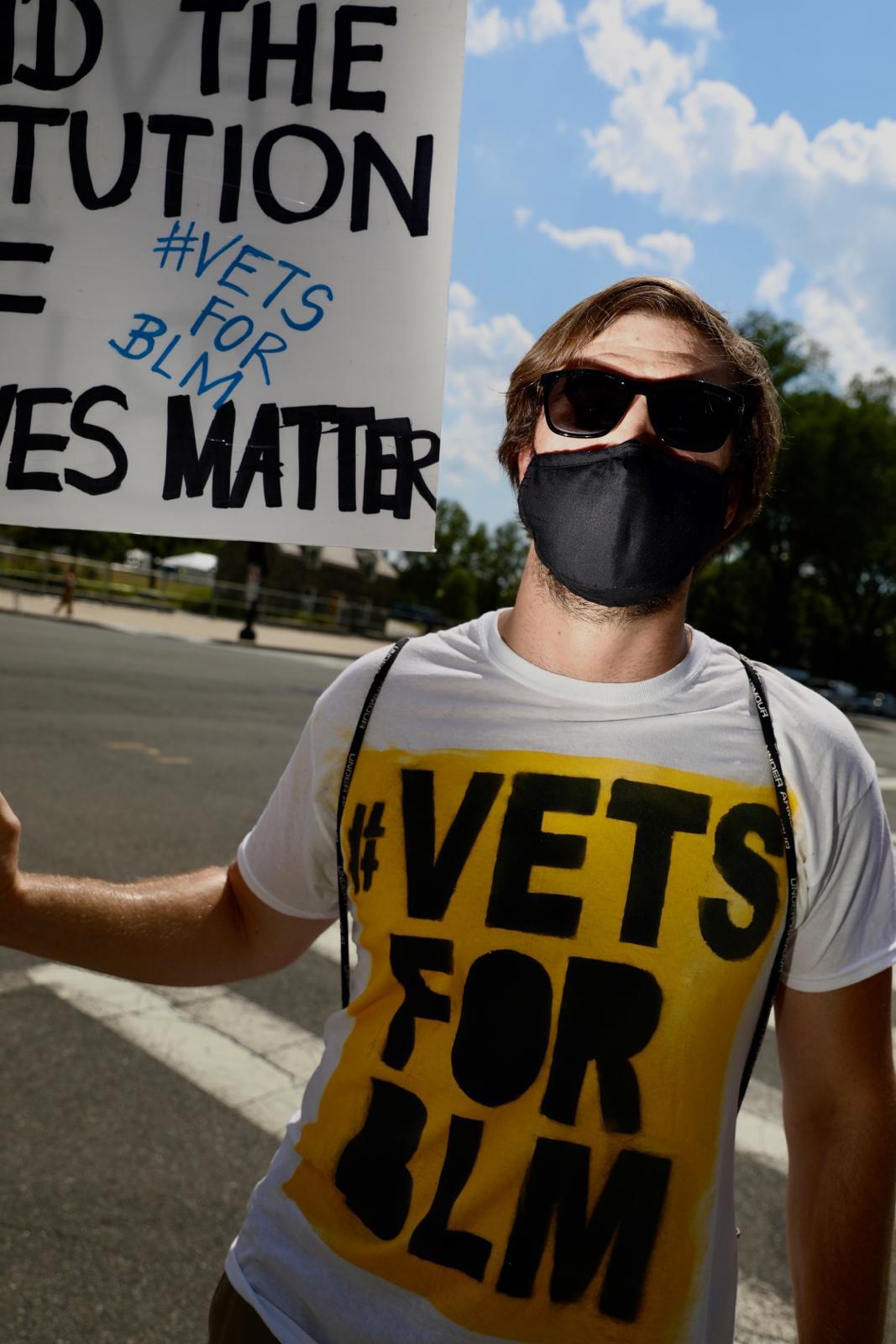
Nick Walenga, 28, at 17th and Constitution Avenue
“On July 4, freedom means to me that all citizens get to feel safe and exercise all their rights. And feel that they have equality of opportunity and justice for all, should those rights be trampled on. And that is currently not the case. We have independence but not freedom. One of the things that really made me question my whiteness was during Ferguson, I was overseas in Asia. And seeing the white privilege being laid underneath my nose by foreigners made it really apparent coming back home…White colonial racism is what our society is founded on. We are not free.”
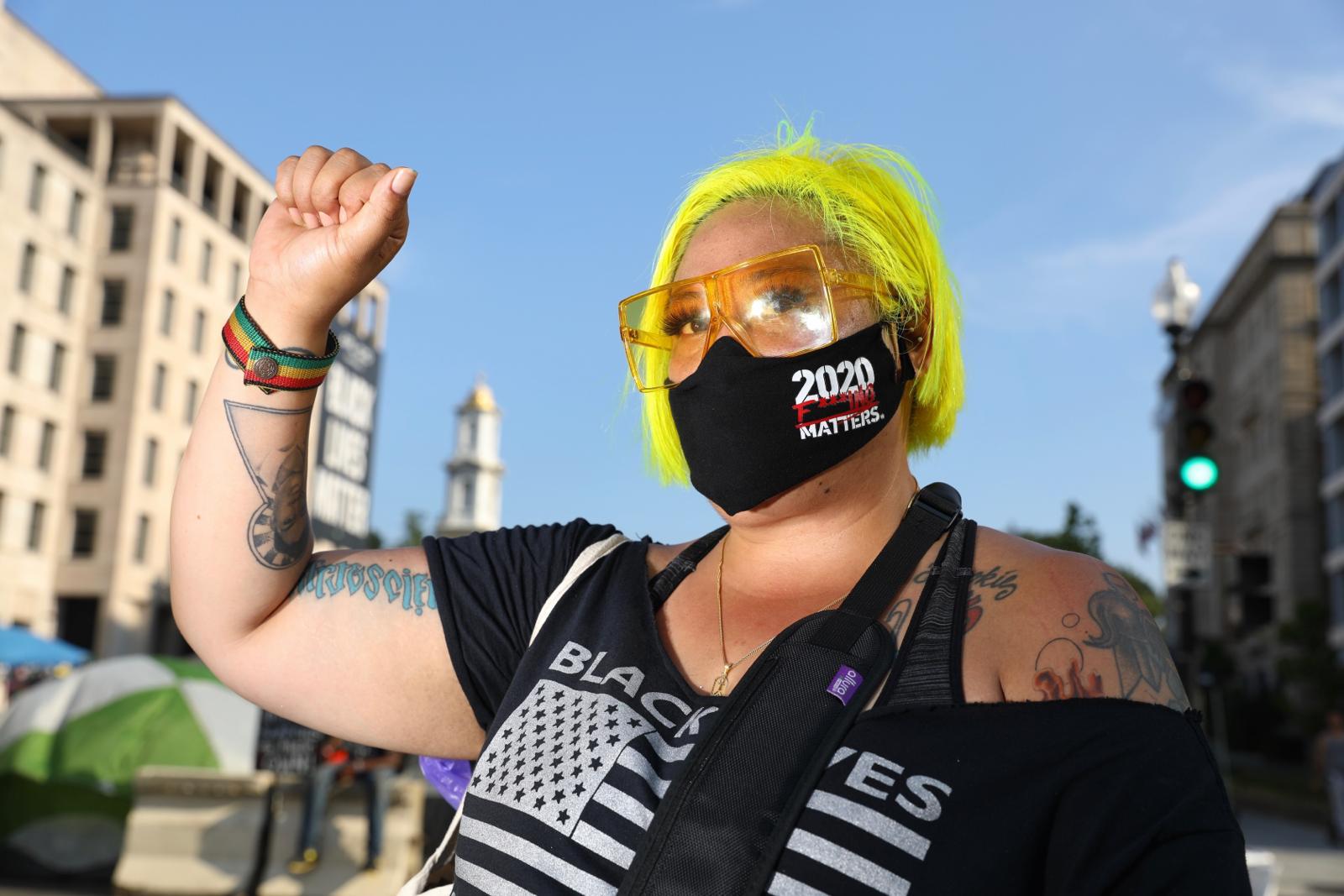
Boom, from Alexandria, at Black Lives Matter Plaza
“July 4 isn’t freedom. People still aren’t free. That’s what it really means to me. And it’s big for me because my father was in the military. All my father’s brothers were in the military. My grandpa was in the military. And they fought for freedom and people still aren’t free … Hopefully it really brings a change here. Because it’s been overdue.”
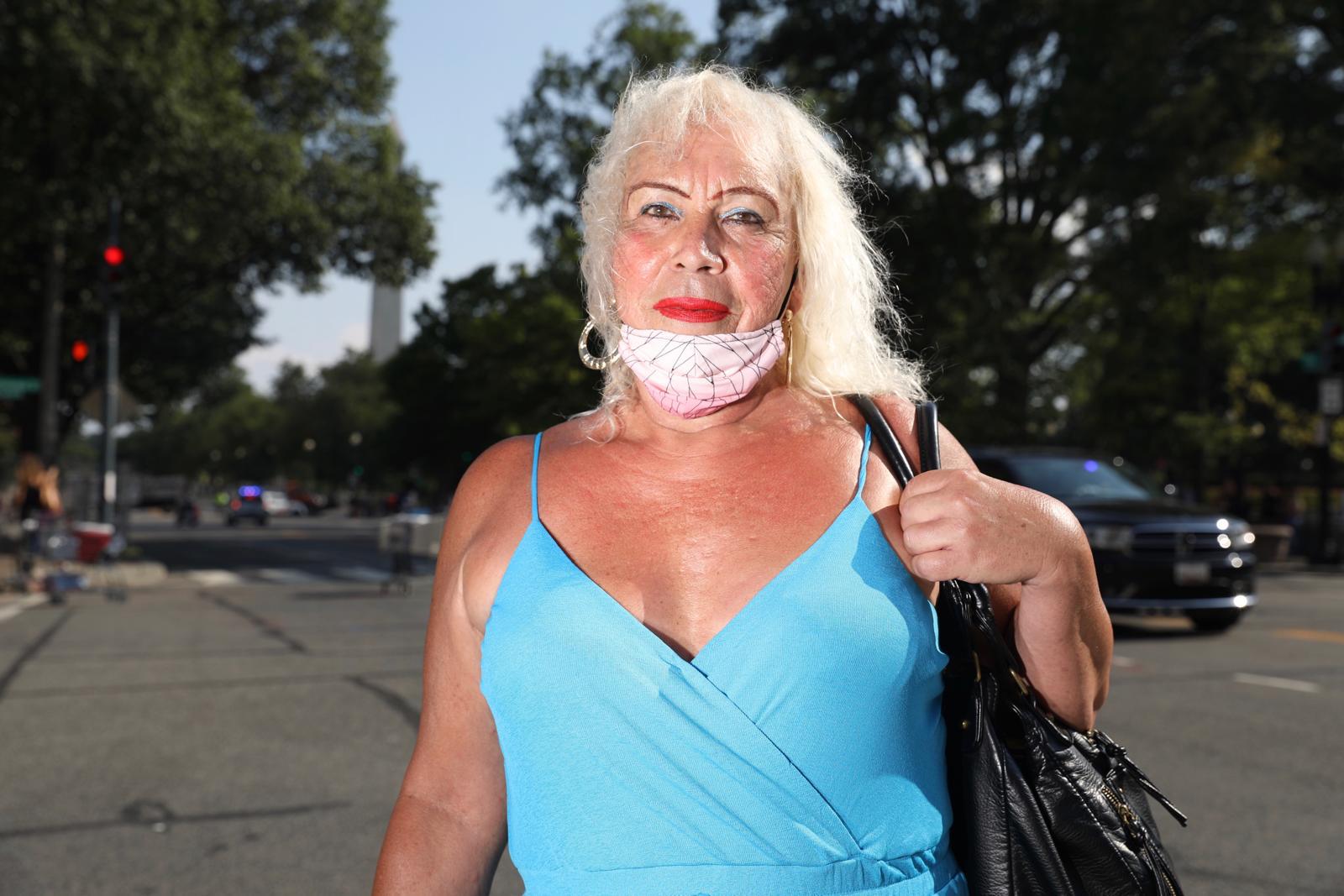
Samantha Medina, on 15th Street NW by the White House
“Freedom means you can go freely anywhere you want, that the police aren’t watching or harassing you, they’re not being sent to commit crimes against you … Freedom is that you can move freely, not be forced to do things. To move, to dress the way you want to.”
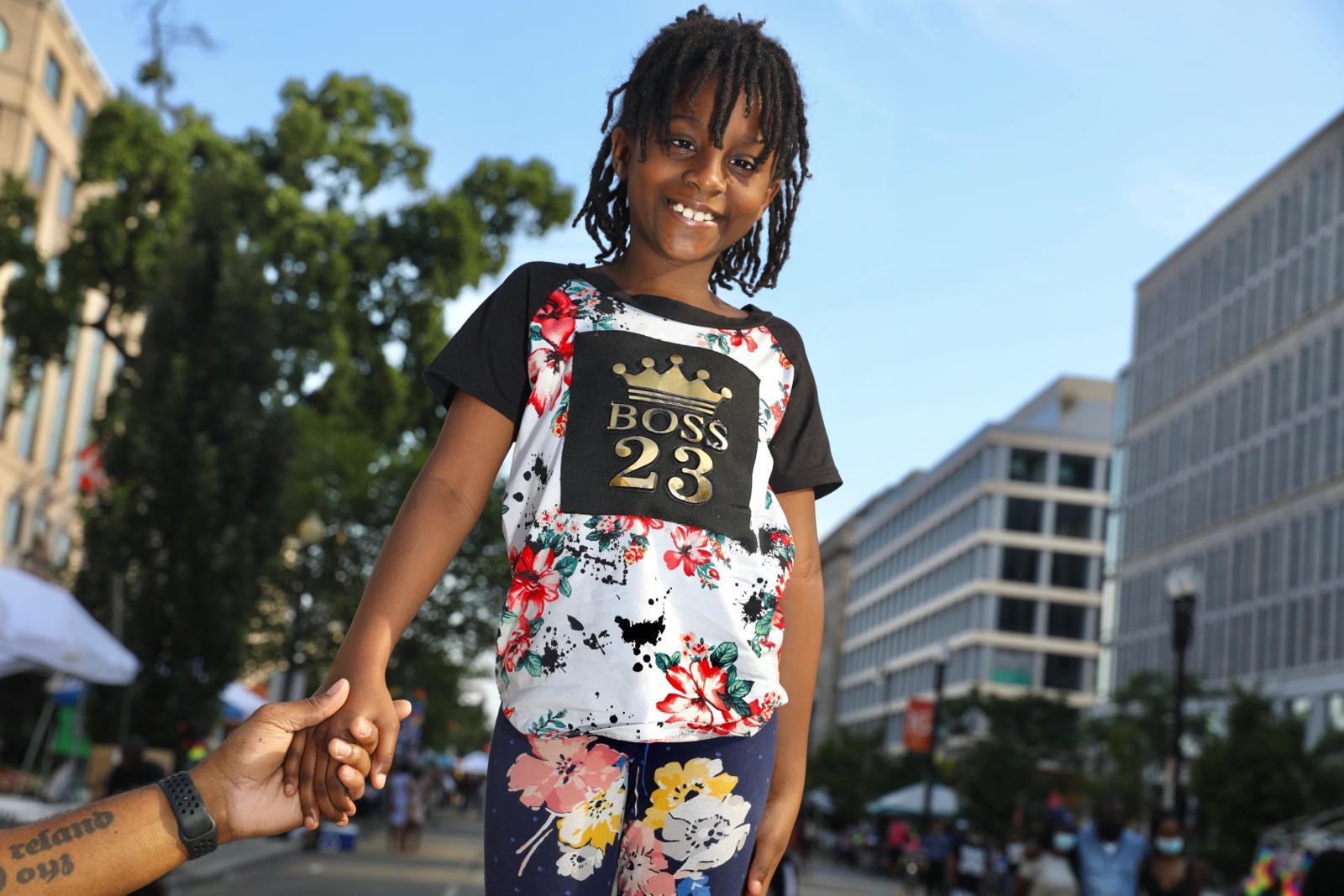
Saryah, 8 (soon to be 9), at Black Lives Matter Plaza
“Freedom is when you get to do whatever you want without anybody taking control of you or saying you can’t do it,” Saryah said. She added that she feels most free “when I’m with my parents.”
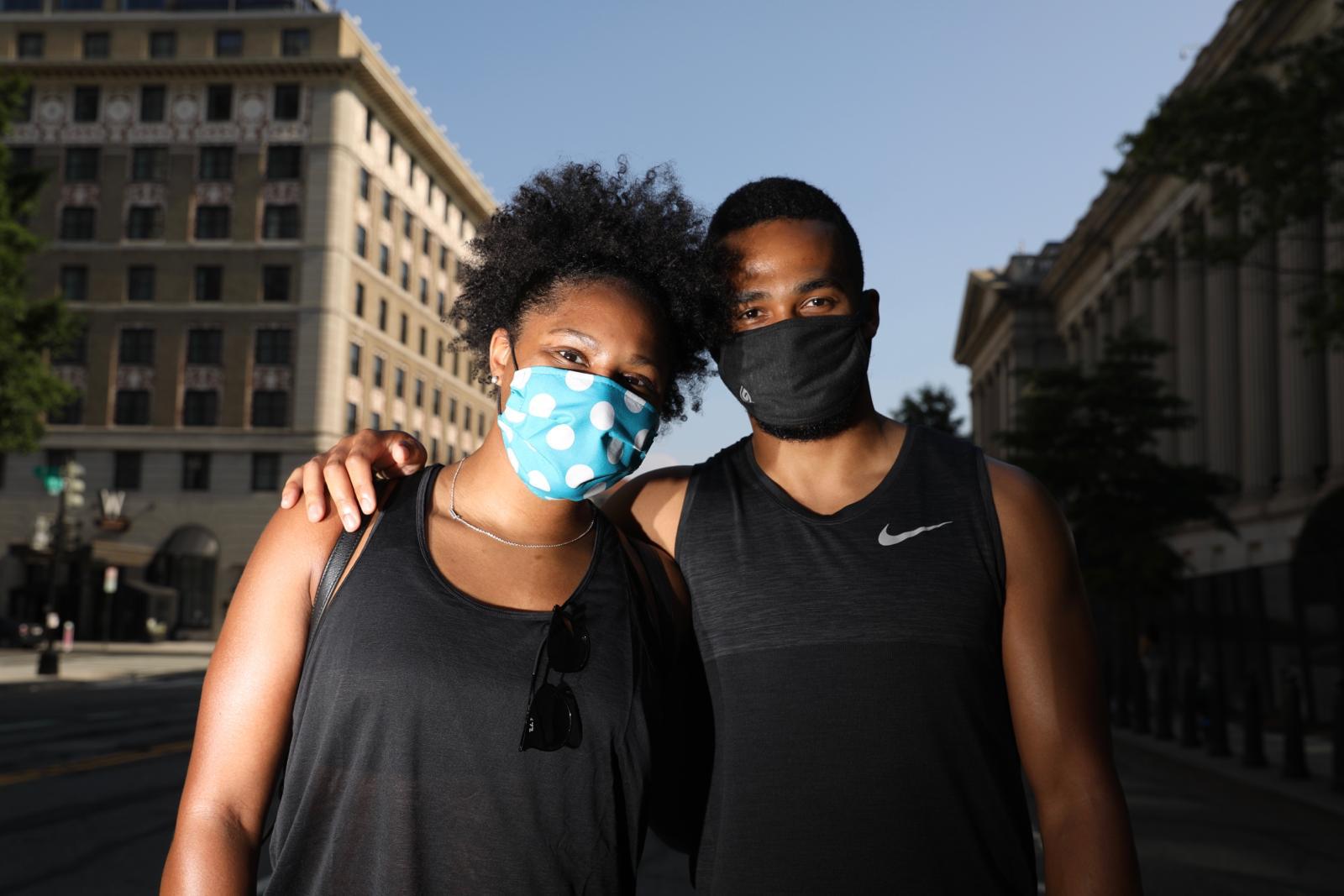
Couple Aliyah Graves-Brown and Austin Riddick, of D.C., on 15th Street NW near the White House
Graves-Brown, 25, said: “On this July 4 in particular we’re realizing that the 4th of July, in fact, has nothing to do with freedom and everything to do with celebrating white supremacy and the independence of a certain group of people. So I think this day is a reminder of, for people who look like us at least, our lack of freedom.”
Riddick, 22, said his family has never celebrated July 4th. “This year, like every year, freedom is an idea and something to strive for,” he said. “And it’s not a reality and it never has been. But on days like Juneteenth, which my family does celebrate, it’s an idea that we believe is possible and we believe will eventually become a reality, with a lot of work on the part of Black people but everyone else as well.”
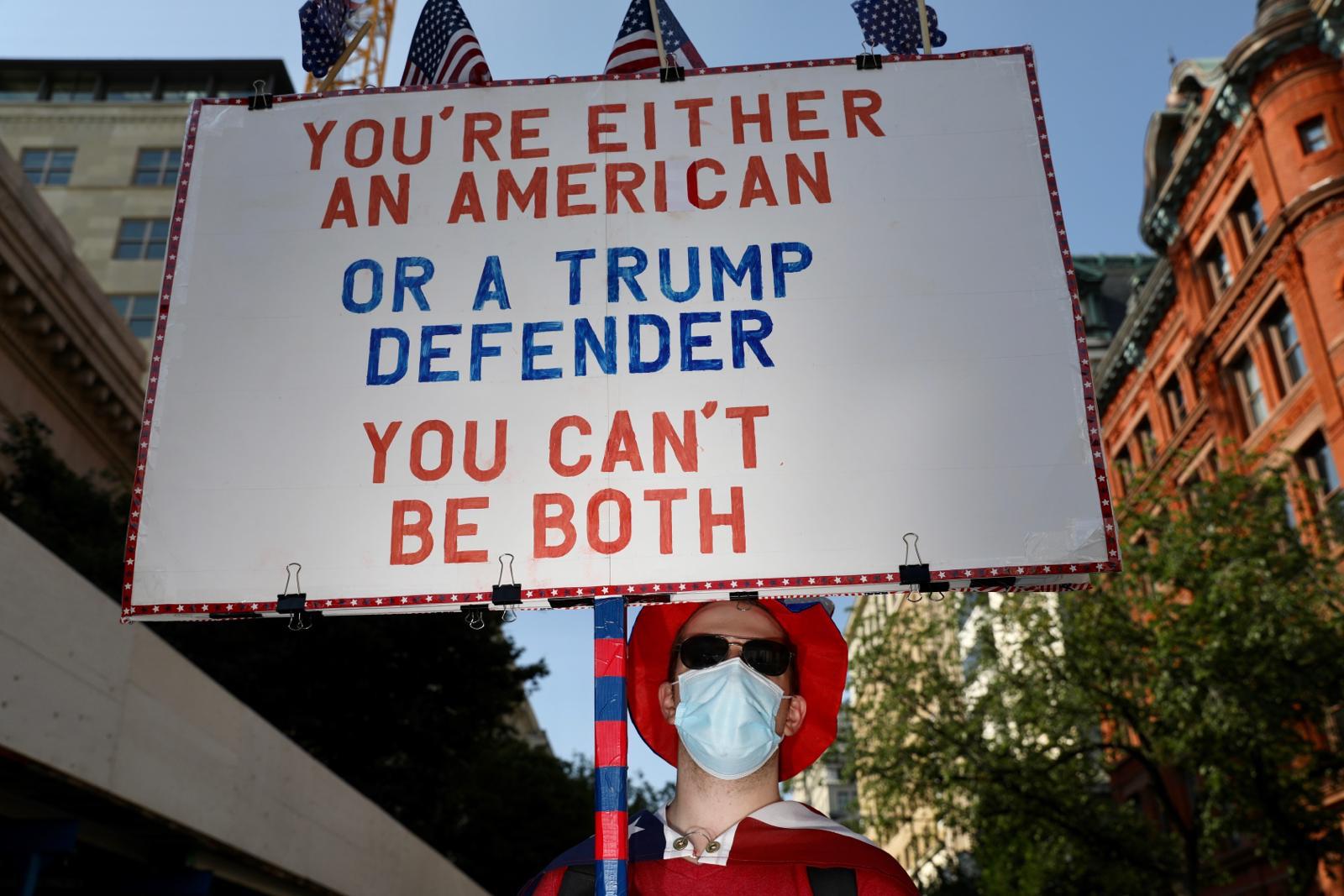
Joseph Tiernan, 27, of Fairfax, on 15th Street NW near the White House
“It means a goal, an ideal that I think we’re striving towards and I think we’re finally building up a lot of momentum towards … building up to the point where everyone is truly free, meaning everyone is taken care of when they need to be taken care of, their identities and their lives are safe, no matter who they are or what they’re doing with their life. Nobody’s persecuted. Nobody has unequal opportunities. And I think on all of those fronts we’ve got a lot of work to do still.”
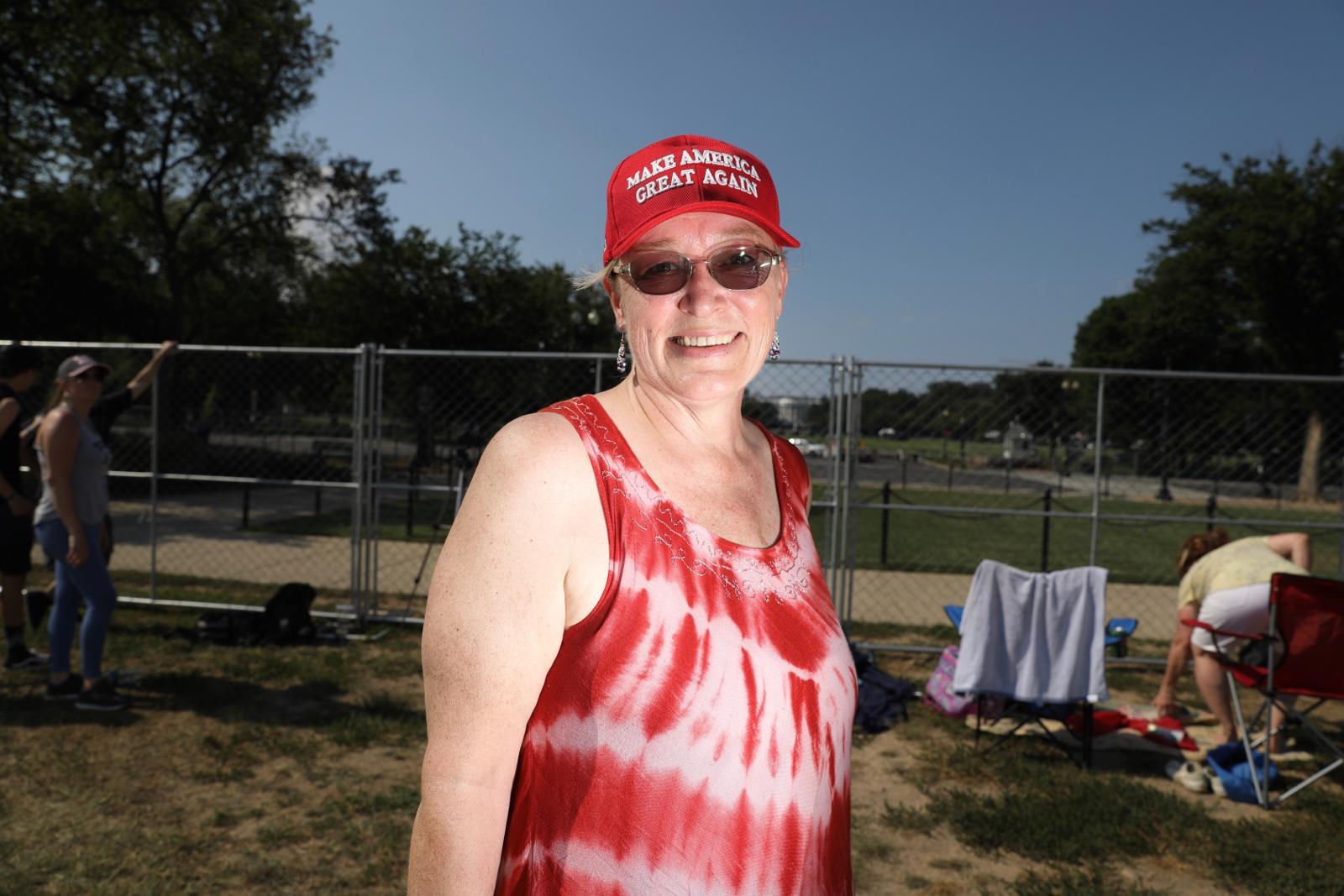
Sarah Brunette, of Fredericksburg, on the National Mall
“Freedom to me means not having to wear a face mask. It also means being able to come out and celebrate the 4th of July, the birth of my country, at the people’s house, with less barriers. The barriers have been put up because of actual threats, and unfortunately that’s the world we live in. … The people have to be respectful and they have to respect others, but the people who have been hanging out in front of the White House recently haven’t been either of those things.”
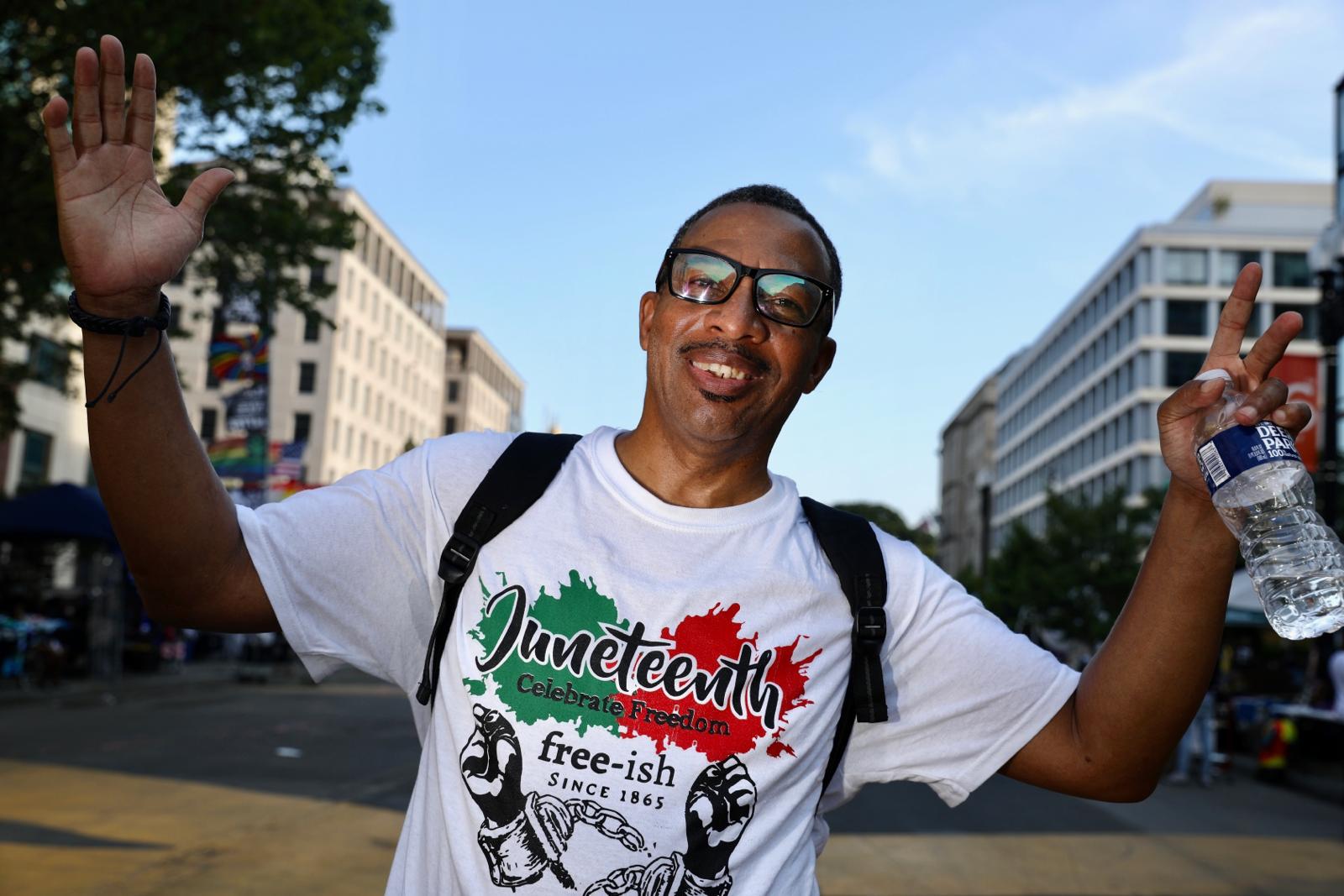
Anthony Selby, of Northwest, at BLM Plaza
“Freedom means a right to express yourself. A right to walk out here and demonstrate in a peaceful manner. Freedom means that you can speak truth to power without any repercussions. … everything opposite of oppression is freedom.”