 Eliza Tebo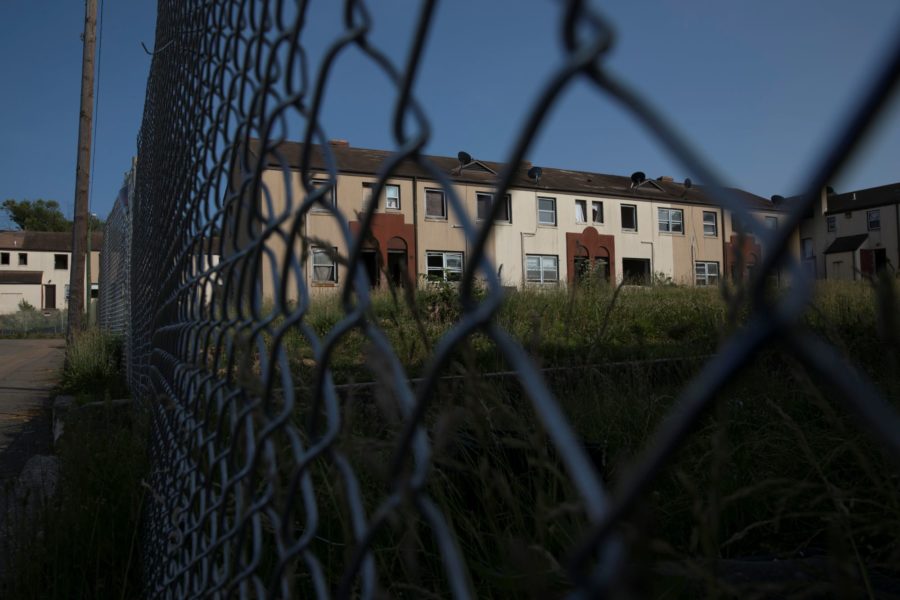
An hour before activists gathered downtown to press D.C. lawmakers for millions in additional housing funds, Council Chairman Phil Mendelson announced he will propose another $25 million for public housing repairs in the city’s 2021 budget.
The move comes after a drumbeat of advocacy from the progressive Fair Budget Coalition, which urged the council to invest more in housing for low-income Black D.C. residents disproportionately affected by the coronavirus pandemic.
Mayor Muriel Bowser’s proposed budget allocates $40 million for public housing repairs over the next two years — $25 million for FY 2021 and $15 million in FY 2022 — a total that falls far short of the $60 million annually that affordable housing advocates say is needed to revamp run-down homes that pose severe health risks. With the additional funds Mendelson announced, that pool would increase to $50 million for repairs in the next fiscal year.
A #BlackHomesMatter rally at Freedom Plaza scheduled for Monday afternoon is calling attention to the need for public housing repairs, as well as several other housing issues that disproportionately impact Black D.C. residents. The rally comes one day before council members take a key budget vote.
“We have a mayor who paints ‘Black Lives Matter’ down on 16th Street, but then we see very little investment in components that would make Black lives matter,” says Daniel del Pielago, organizing director of activist group Empower DC.
The event is the first in a series of efforts to raise awareness of housing needs facing many Black Washingtonians, del Pielago says. Advocates are lobbying the D.C. Council to increase funding for several housing-related programs in the budget, including public housing repairs, emergency rental assistance and measures that combat homelessness.
More than 90% of D.C.’s public housing residents are Black and Brown, many of whom are essential workers who are at greater risk of COVID-19 exposure. Rally organizers are calling for millions in additional funds over the next decade to renovate thousands of units in dire need of repair. Advocates also want the council to enact the Public Housing Preservation and Tenant Protection Amendment Act of 2020, which would help codify tenant rights and require the D.C. Housing Authority to notify the council at least 45 days prior to submitting a demolition or disposition application to the U.S. Department of Housing and Urban Development.
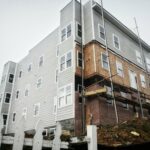
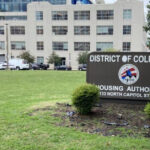
In its redevelopment plan, the housing authority calls for the rehabilitation or demolition of 14 properties that have been deemed “extremely urgent.” Del Pielago says he takes issue with these plans, noting that units or entire properties, such as at Barry Farm and Arthur Capper/Carrollsburg, were demolished before the city built new homes for residents.
“I don’t think any, at least here in the District, redevelopment plans for public housing have really helped the residents it purports to help or support,” says del Pielago, whose organization works with public housing residents. “We’re very concerned that what’s happening now is really a displacement plan, as opposed to this grandiose idea to fix public housing.”
The Bowser administration has funneled federal CARES Act funding to rental assistance in the wake of the pandemic, including $6.2 million for low-income tenants. Staff for Bowser were not available for comment before press time.
Monday’s rally put the spotlight on renters’ broader needs, which have been particularly acute during the coronavirus pandemic, which has put many out of work and unable to pay rent. While the city has passed legislation to assist renters, including temporarily banning evictions and requiring landlords to set up repayment plans with eligible tenants, rally organizers say they want more protections. They are lobbying for an increase of at least $12 million for the city’s Emergency Rental Assistance Program, as well as additional eviction-prevention measures.
The D.C. Tenants Union, which helped organize the event, is calling for rent cancellation, reimbursement for landlords and a permanent prohibition on evictions for the nonpayment of rent that came due during the pandemic. In an emailed statement, the group noted that thousands of D.C. renters have not received unemployment or rental assistance during the pandemic.
“None of the D.C. Council’s legislation touches the core issue: Rent needs to be canceled because tenants can’t pay, through no fault of our own, and ‘payment plans’ only ensure that tenants are evicted later, because none of us can pay back $6,000+ of back rent in a year,” the statement read. “The government has failed us at every level, and nothing short of full rent cancellation for any renter who needs it will prevent mass eviction and displacement.”
The District has the highest per-capita rate of homelessness in the country, with 6,000-plus D.C. residents experiencing homelessness on a given day. Roughly 87% of these residents are Black. To help reduce homelessness, advocates are lobbying the Council on several fronts, including increasing funding for both Targeted Affordable Housing vouchers — which assist formerly homeless residents — and Local Rent Supplement Program vouchers.
While del Pielago supports the use of vouchers to assist D.C. families, including public housing residents, he says they aren’t a “silver-bullet solution” for families forced to relocate.
“As far as something vertical going up [at Barry Farm], the longer that that takes to happen, it becomes more likely that residents will not come back for many reasons,” del Pielago says. “People begin to set up their lives in these other places, and moving back and having to change their life again after a couple of years becomes increasingly difficult for many people.”
Rally organizers, including the Washington Legal Clinic for the Homeless, advocate shifting $83 million set aside for a streetcar expansion to fixing public housing. Last week, D.C. Council member Robert White (D-At Large) expressed support for the measure.
The D.C. Council Business and Economic Development Committee recently approved a $376,000 transfer from the housing committee for public housing repairs in the budget. Council member Kenyan McDuffie (D-Ward 5), who chairs the economic development committee, says he supports the reallocation of funds in the budget toward public housing.
“At a time when the coronavirus pandemic is exacerbating the District’s affordable housing crisis, the Council must prioritize funding public housing repairs,” McDuffie said in a statement. “Whether the funds are taken from the streetcar project or some other source, the bottom line is that we must fund the repairs and support our residents living in public housing.”
Del Pielago says that with the recent national spike in COVID-19 cases, “our priorities really have to shift.”
“A streetcar is not what this city needs at the moment, and we need to prioritize the lives of low-income Black residents who for now decades have been living in some pretty horrible conditions,” he said.