Ally Schweitzer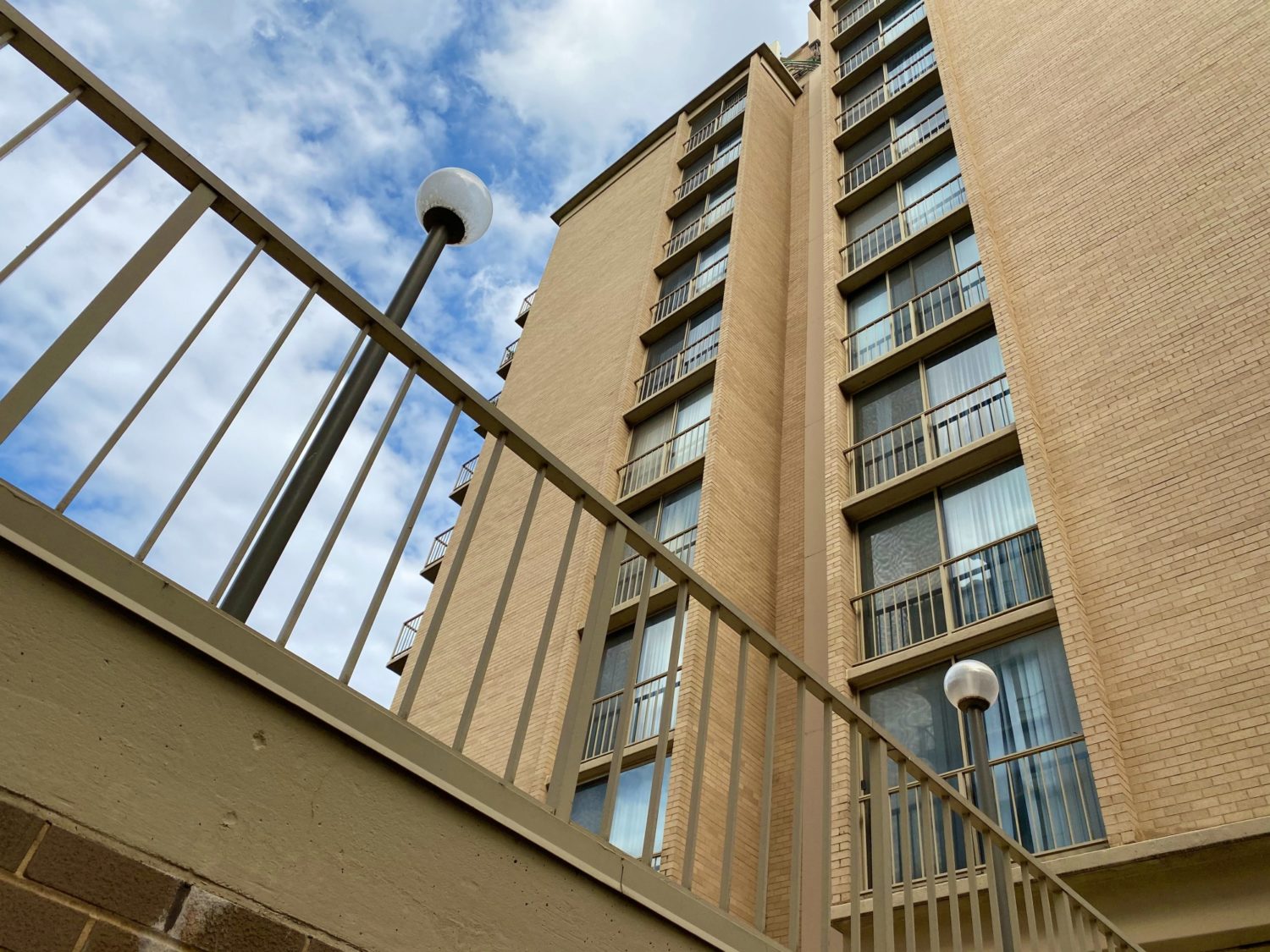
Tenant advocates are crying foul over a proposal to extend the city’s current rent control law for 10 years, saying it doesn’t go far enough to prevent displacement of Black and Brown Washingtonians.
Seven lines in the Fiscal Year 2021 Budget Support Act of 2020 — up for a vote Tuesday in the D.C. Council — reauthorize D.C.’s existing rent control law; affordable housing advocates say that law is full of holes that leave many renters vulnerable. A coalition called Reclaim Rent Control has been pushing since 2019 to expand protections to more residents and reduce the rent increases landlords are legally allowed to seek in buildings subject to the law.
D.C.’s 35-year-old rent stabilization policy caps annual rent increases at the rate of inflation plus 2%, but it doesn’t apply to apartment buildings with four or fewer units or residences constructed after 1975. The law also provides a few ways for landlords to raise rents, such as if their overall profit margin on a property falls below 12%. An estimated 45% of D.C.’s multifamily rental units fall under rent control.
The Reclaim Rent Control coalition wants council members to limit increases to the rate of inflation, matching the city of Takoma Park’s rent control policy, and make new buildings subject to rent stabilization after 15 years. They also want to make it harder for landlords to raise rents at rent-stabilized buildings, saying holes in the law have been exploited by property owners to the detriment of lower-income residents, who are disproportionately Black and Latinx.
Calls to overhaul rent control have taken on fresh urgency during the pandemic.
“D.C. is on the edge of an eviction cliff with tenants unable to pay their rent due to years of unsustainable rent increases and the current emergency,” says a letter from progressive organization D.C. Jobs With Justice. “The Council needs to strengthen and expand rent control NOW!”
Lawmakers have been largely unresponsive to the campaign. The proposal to extend current law to 2030 is tucked away in legislation tied to the 2021 budget, and advocates only became aware of it after a draft was posted to D.C. Council Chairman Phil Mendelson’s website the evening before the budget vote.
Ed Lazere, a progressive running for the at-large seat being vacated by D.C. Council member David Grosso, criticized the chairman for inserting what he called unrelated legislation into the Budget Support Act.
“Rent control, with an impact on hundreds of thousands of households, deserves its own day,” Lazere tweeted.
Representatives of the property management industry have been active opponents to rent control expansion, calling instead for more government-backed rental assistance and affordable housing funds. (Mendelson’s proposed budget offers some of that.) Some economists have also warned that expanding rent control could worsen cities’ affordable housing shortages by reducing the financial incentive to build. One analysis from the Urban Institute found “no significant relationship between rent control and new housing” construction in the District.
While council members meet to vote on the budget Tuesday, activists are targeting Mendelson in a social media campaign condemning the proposal to keep rent control as-is for another 10 years. The chairman could not be reached for comment while he’s on the dais.
This story was updated to correct a typo. D.C.’s rent stabilization law applies to larger apartment buildings constructed before 1976, not afterward.