Martin Austermuhle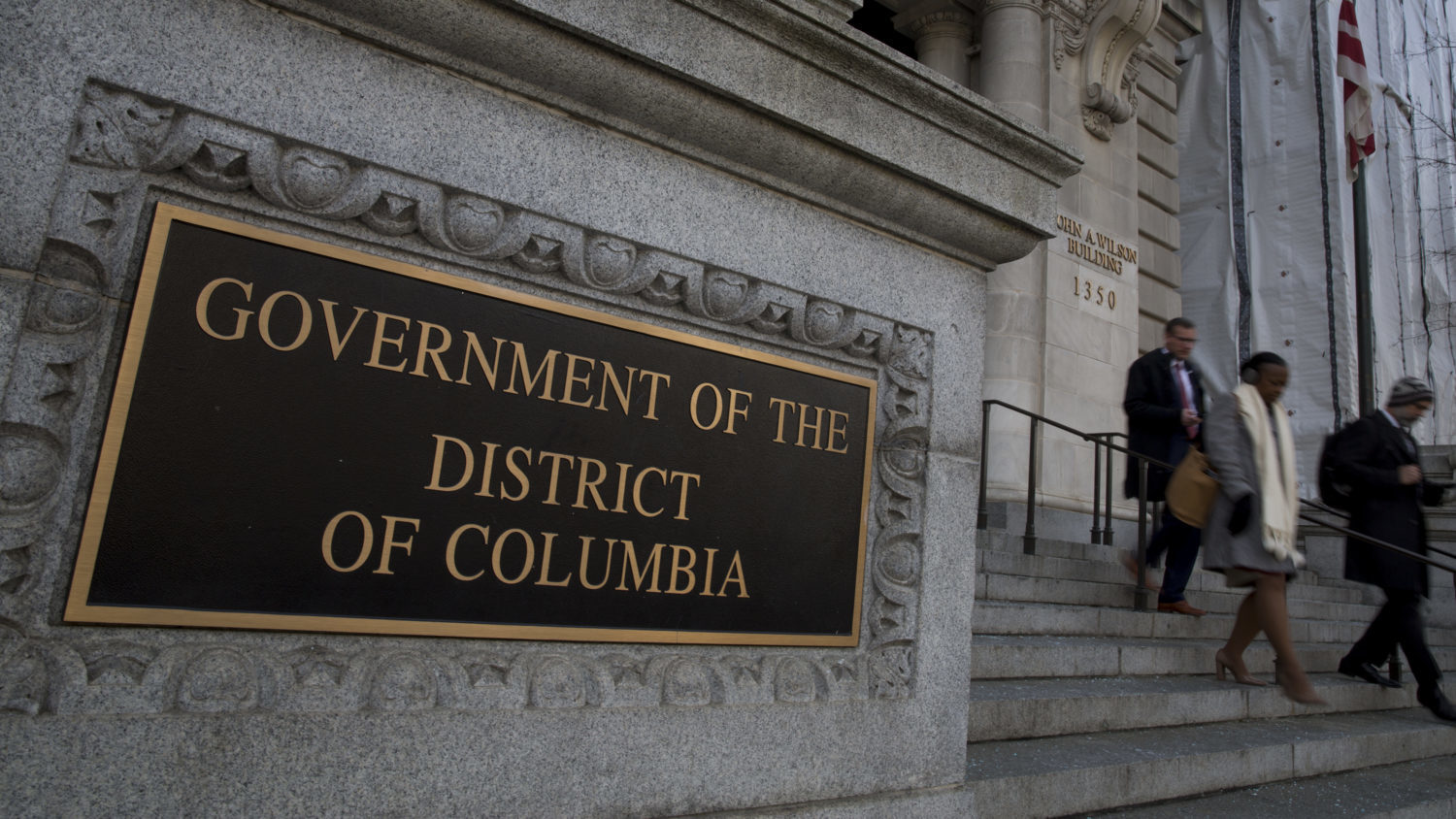
The D.C. Council on Tuesday will debate a number of proposed tax increases ahead of a first vote on the city’s $8.5 billion budget for 2021.
Speaking on Monday afternoon, Council Chairman Phil Mendelson unveiled three tax changes he says would raise $37 million a year in additional revenue: a new 3% tax on the sale of advertisements and personal data, an increase to a business tax under a program to incentivize tech companies to move to D.C., and a 10-cent increase to the city’s gas tax.
Mendelson said the new revenue would increase funding for eviction prevention programs, homeless services and affordable housing, as well as help undocumented residents who don’t have access to unemployment benefits. Some of those programs had seen their funding held flat or cut under Mayor Muriel Bowser’s proposed budget, which faced a $770 million hole caused by the recent economic slowdown.
Still, many progressive groups expressed disappointment in Mendelson’s proposed changes to Bowser’s budget — including his tax increases — saying they don’t go far enough in helping low-income residents who have been hammered by the pandemic and resulting economic hardship. They have asked for the Council to consider broader tax increases, including on high-income residents.
And that’s exactly what Ward 6 Councilmember Charles Allen is expected to propose in a budget amendment that would raise the marginal tax rate for residents making more than $250,000 a year.
For residents making between $250,000 and $350,000, their rate would increase from 8.5% to 8.75%; residents making more than $350,000 would see an increase from the current 8.75% to 8.95%; and residents making more than $1 million would pay 9%, up from the current 8.95%. The estimated $15 million in new revenue would be dedicated to affordable housing, rent assistance and vouchers, violence interruption programs and assistance for undocumented residents.
Ward 1 Councilmember Brianne Nadeau will propose a separate amendment to scale back a controversial incentive program for tech companies, and reinvest the $28 million in savings in homeless services. Nadeau successfully targeted the same incentive program last year, pulling out $16 million. The 20-year-old program — known as Qualified High-Tech Companies, or QHTC — has been found to be poorly targeted and lacking in oversight.
At-Large Councilmember Robert White isn’t targeting the tax code, but rather is expected to propose reallocating $35 million for the extension of the H Street streetcar to pay for repairs to the city’s aging stock of public housing. Mendelson himself already doubled the funding for repairs from the $25 million Bowser initially proposed for 2021, but White’s amendment would extend funding increases into 2022.
Progressive groups have been agitating for the streetcar funding — which would extend the existing line east along Benning Road to Minnesota Avenue NE — to be repurposed. They have also expressed concern that the council isn’t going far enough in the budget in defunding the Metropolitan Police Department, though Allen said he did reallocate almost $10 million from police to other agencies doing violence interruption.
At-Large Councilmember David Grosso says his proposal to end the police department’s management of $25 million contract that places security guards in schools was removed from the budget; he says he plans to introduce an amendment to restore it. But his measure to permanently rename Columbus Day as “Indigenous Peoples’ Day” has remained in the budget.
In a letter to the Council over the weekend, Bowser pushed back on any attempts to increase taxes.
“Despite the significant drop in revenues, I was intentional in avoiding increasing costs for District residents and businesses when formulating my FY 2021 budget and urge the Council to avoid tax increases,” she wrote. “As the Chief Financial Officer predicts that the District will face uncertain times for two years, it would be foolhardy to raise taxes this year.”