Before the coronavirus pandemic, the Catholic Charities food pantry in Mount Pleasant served anywhere between 50 and 75 families per week. Now, around 650 families rely on them for groceries every week.
“We’re [distributing food] using social distance and PPE,” Scott Lewis, a director with the organization, said Wednesday on the Kojo Nnamdi Show. “We are actually even giving out PPE equipment, and masks and hand sanitizer, along with protein, fresh fruits and vegetables, meat, diapers. We’ve partnered with a dairy to give out fresh milk.”
Catholic Charities has several more pantry locations in D.C. and Maryland. But, seeing the surge in need, Lewis says they’ve started doing additional weekly “food drops” at additional sites in the area.
Widespread unemployment caused by the pandemic has led more people to seek help from their local food banks in recent weeks. And demand could increase even more.
At the end of July, the $600 weekly unemployment supplement approved by Congress is set to expire. Lawmakers have two weeks to reach a deal extending the emergency unemployment program. But even if they do, it’s not clear how long the funding will last and whether the payments will stay at the same level.
“We know that those folks need the money, and when the cut comes to unemployment, it’s going to be dramatic, and it’s going to cause a large financial problem for our families,” Lewis said.
In recent weeks, economies in D.C., Maryland and Virginia have begun to reopen after months-long shutdowns, but thousands of people are still filing new unemployment claims, according to data from the U.S. Department of Labor. Last month, Virginia froze unemployment benefits for some 12,000 people who refused to return to work. (Fear of contracting the virus is not an allowable reason to not work and still receive unemployment benefits.)
On Wednesday, D.C., Maryland and Virginia all reported their highest coronavirus caseloads since early June. Tens of thousands of people in the region are still unemployed. Throughout the region, food banks are preparing for this heightened demand to last.
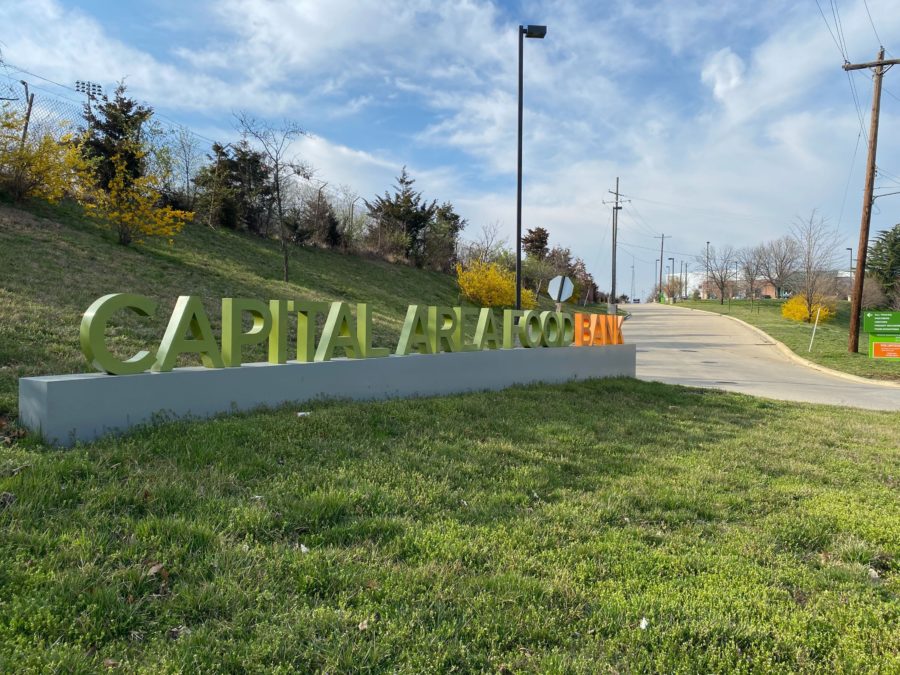
The Capital Area Food Bank typically supplies around 30 million meals each year. During the pandemic, it has seen between a 30% increase and a 400% increase in demand at its different locations, according to President and CEO Radha Muthiah.
The food bank distributes food to some 450 partner locations in the region including larger organizations like Bread for the City, as well as smaller food pantries, according to its website.
Muthiah says part of the reason food banks are experiencing a surge in demand is because many people are newly unemployed and navigating emergency food assistance resources for the first time.
“Typically those who are in need of food rely on the food bank for about three to five days’ worth of food every month. Many of these individuals are working, and they have some income to be able to support their nutritional needs,” Muthiah said on the Kojo Nnamdi Show, “But they have a gap, and they come to the food bank to help address that gap.”
Food For Others, a food bank in Fairfax County, has seen similar trends. Bridget Snydstrup, the communications coordinator, says more than half of the families they’ve been serving since March are using these resources for the first time.
“It kind of shows how close a lot of families are to needing help. So many people are just getting by, and then when something like this happens, they can’t afford food for their families,” she said.
Meanwhile, the pandemic has also forced food banks to adjust where they get supplies. Food banks often rely heavily on donations from grocery stores, but as the pandemic began, a burst of panic shopping left shelves empty.
“Retailers just didn’t have as much to donate to us,” Muthiah said. As a result, they’ve had to purchase more food than normal, leading Muthiah to describe the past few months as the “most resource-intensive period” in the food bank’s 40-year history.
“From mid-March, we’ve purchased about 350 truckloads. So just in the last few months we’ve purchased close to 12 times what we purchased, you know, the entire last year.”
Snydstrup says Food For Others normally purchases about 9% of its food, but as the pandemic took hold, that figure jumped to 30%. Donations from grocery stores are now returning, but over the past several months, Food For Others has looked for creative solutions to boost their food supply.
They partnered with the restaurant 2941 in Falls Church to order food from its supplier and then distribute to families. “We paid them to hire back several of their laid off staff members to order food from their suppliers and package it into individual family-size servings for us to give out,” Syndstrup said.
Muthiah, with Capital Area Food Bank, says they’ve also advocated for government aid. She points to a new program where the USDA buys food from distributors that typically supply restaurants, hotels or other businesses impacted the pandemic and, in turn, the distributors donate produce, meat and diary products to food banks.
“This is unfortunately looking like a longer term scenario for us rather than a short few months crisis,” Muthiah said.
This story was updated to correct a quote from Radha Muthiah.