 Jordan Pascale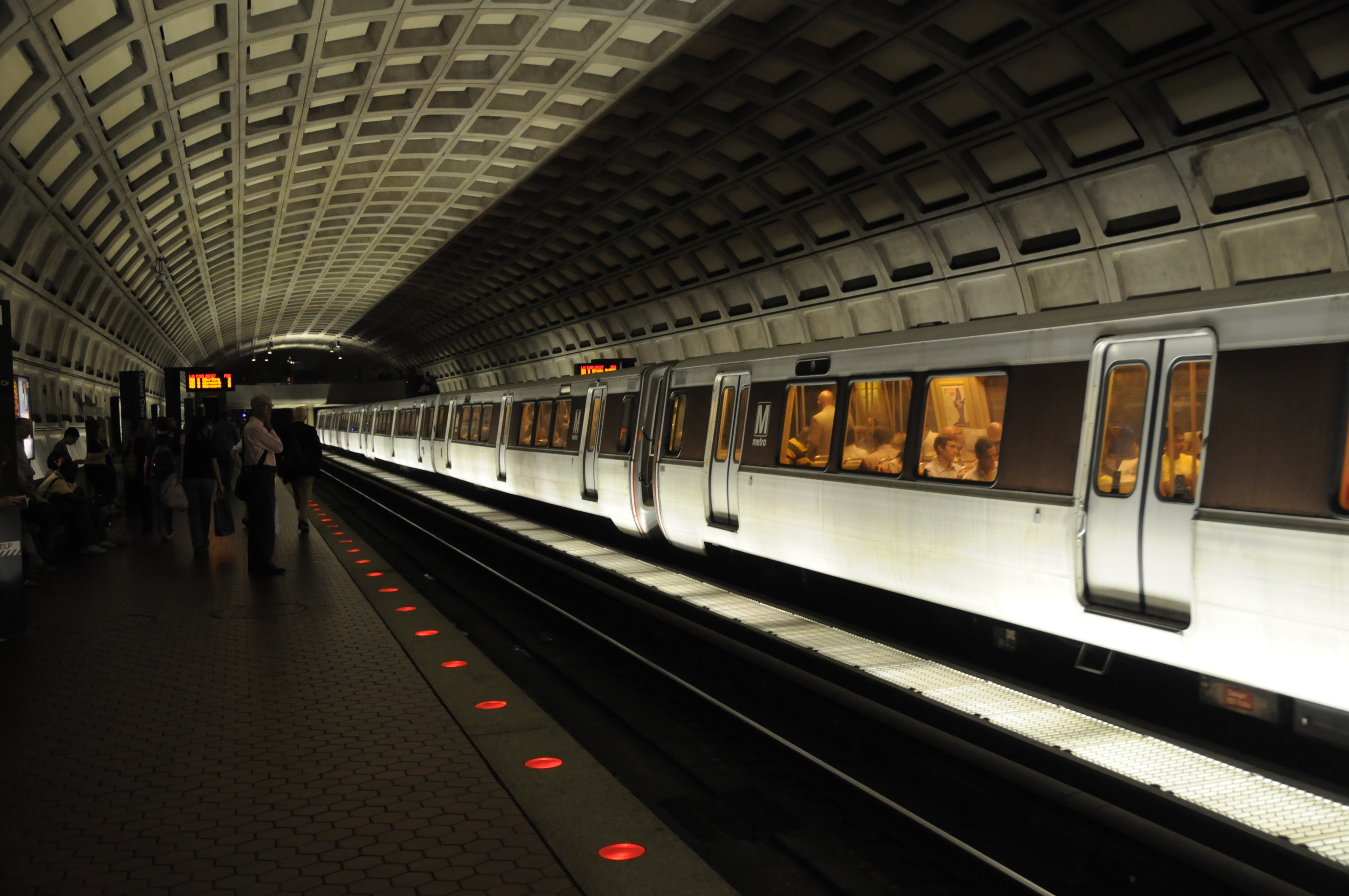
As Congress formulates its next coronavirus relief package, transit agencies across the country say they need federal help to survive. Metro is in better shape than most, but says the system will need funding to avoid a financial crisis come next year.
The American Public Transportation Association is asking Congress to invest $32 billion into keeping bus and subway systems across the country running. This is on top of the $25 million public transit agencies got during the first round of pandemic relief through the CARES Act.
“Public transit is critical to our nation’s economy,” APTA said in a briefing Tuesday. “Transit also connects people to jobs and opportunity each and every day.”
“Prior to COVID-19, Americans rode public transportation nearly 10 billion times a year.”
APTA also argues that the pandemic has illustrated how transit is “an essential lifeline,” getting health care workers, first responders, grocery store workers and other essential workers to jobs.
Ridership and fare revenue is down across the country. Locally, Metro has seen about a 90% drop in Metrorail riders and about 70% drop in Metrobus riders. WMATA isn’t charging fares on buses as riders board in the back to protect drivers. Farebox machines are in the front.
Unlike about a quarter of U.S. systems, Metro so far has avoided furloughs or layoffs. But WMATA is losing about $2 million a day in fare revenue, and lost about $61 million from March through May.
WMATA has been able to bridge the gap by doling out some of the $767 million it received from the federal government’s CARES Act, but its leaders are concerned about what will happen next year when that funding is gone.
“Unfortunately, the CARES Act funds to Metro will dry up later this year, at the same time our fare revenues are projected to continue to be down approximately 90%, and our local and state funding sources continue to face financial crises of their own,” General Manager Paul Wiedefeld said in a statement. “The reality is that, without additional federal funds, we are left with some very difficult choices to deal with a looming financial crisis that run counter to the economic recovery we all want.”
While House Democrats did propose some public transit funding, Senate Republicans did not. Senate Majority Leader Mitch McConnell has pitched a $1 trillion package called the HEALS Act, which includes $10 billion for air travel but offers nothing for buses and trains.
Wiedefeld, who used to head the Baltimore-Washington International Airport, lobbied hard for relief for transit agencies. He put it this way on a conference call with APTA.
“I see a lot of the funds still go into aviation, which is very, very important,” Wiedefeld said. “At BWI Airport, we moved roughly 20 million passengers per year. … At Metro, we do that once a month. At BWI, I had 500 employees. At Metro, I have 12,000.
“So you can understand how important transit is at so many levels for the economy in this region. So I think it’s very important that we look at aviation, but we look at transit and understand how important it is for the overall economy of the nation.”
He says many of the Capital region’s workers, including the federal workforce, are starting to come back. Metro is ramping up service in mid-August to accommodate more riders.
At its meeting last week, Metro officials said they are hoping for an infrastructure stimulus in the coming months and are lining up major projects that could be eligible for the funding.
This story originally appeared on WAMU.