Martin Austermuhle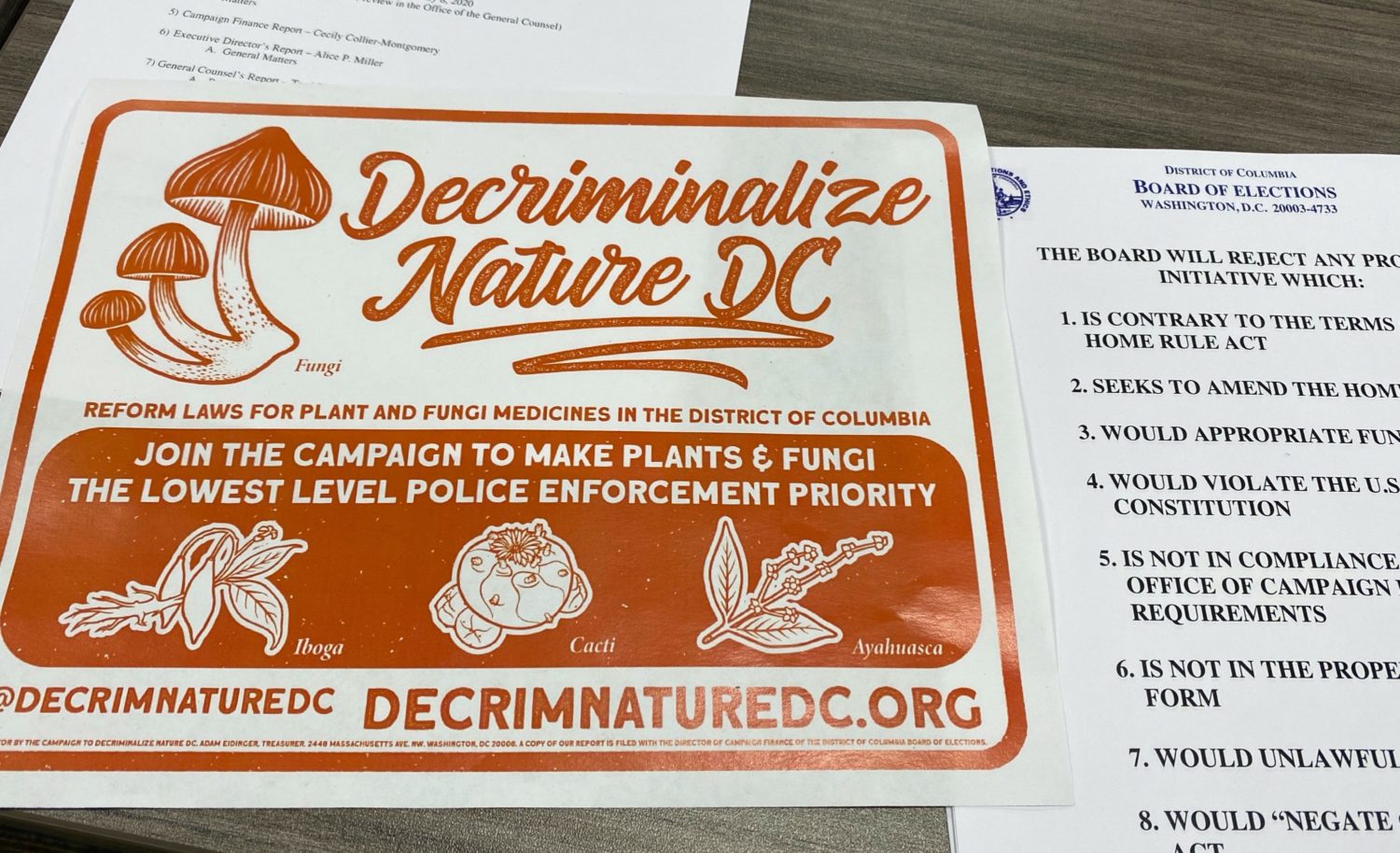
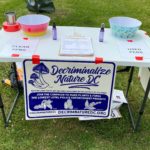
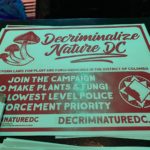
An initiative to de-prioritize enforcement against magic mushrooms and psychedelic plants will appear on the November ballot.
The D.C. Board of Elections verified on Wednesday that the proponents of Initiative 81 collected just enough signatures from registered voters — 25,477, only 642 more than what was legally required — to put the issue before voters in November.
If approved, the initiative would make the enforcement of laws against what are known as “entheogenic plant and fungi medicines” — or, to the lay person, magic mushrooms and psychedelic plants like cacti, iboga and ayahuasca—the Metropolitan Police Department’s lowest priority. The initiative would not decriminalize or legalize the drugs — they would remain illegal under local and federal law — but rather make enforcing them a low priority.
Voters in Denver approved a similar measure in May 2019, and lawmakers in Oakland followed suit a month after. This November, voters in Oregon will decide whether or not magic mushrooms can be used for therapeutic purposes.
Advocates for these measures say that mushrooms and other psychedelic plants have significant medicinal value, more of which they say is entering the mainstream due to research at places like the Johns Hopkins Center for Psychedelic and Consciousness Research.
Melissa Lavasani, a D.C. government employee and organizer of the Initiative 81 campaign, told DCist/WAMU earlier this year that she used mushrooms to help overcome debilitating post-partum depression after the birth of her second child. The campaign also drew support from some veterans who say the plants can be used to help address PTSD, and even Daniel Carcillo, a former professional hockey player who told the elections board in February that he used psychedelics to help battle depression that he developed after his career ended.
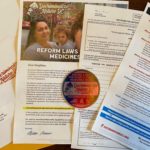
The effort to put Initiative 81 on the ballot was hit with an unexpected obstacle earlier this year when the pandemic hit, largely shutting down the time- and person-intensive process of collecting tens of thousands of signatures from D.C. voters. But thanks to more than $700,000 in fundraising — largely from the New Approach PAC, which has backed measures to legalize marijuana across the country — proponents mailed thousands of petitions directly to voters’ homes, and ramped up in-person signature-gathering ahead of the early-July deadline.
There was also an effort last month by Rep. Andy Harris (R-Maryland) to prohibit the issue from even making it to the ballot, but it was derailed by congressional Democrats. Harris has long opposed D.C.’s liberalization of its drug laws; after city voters approved an initiative to legalize the possession and personal use of marijuana in 2014, Harris inserted a provision into the city’s budget forbidding lawmakers from further legalizing any drugs. That prohibition remained in a federal spending bill that was passed late last year.
D.C. Mayor Muriel Bowser and a majority of the members of the D.C. Council have said they will move to legalize the sale of recreational marijuana as soon as Congress lifts the prohibition.