 Victoria Chamberlin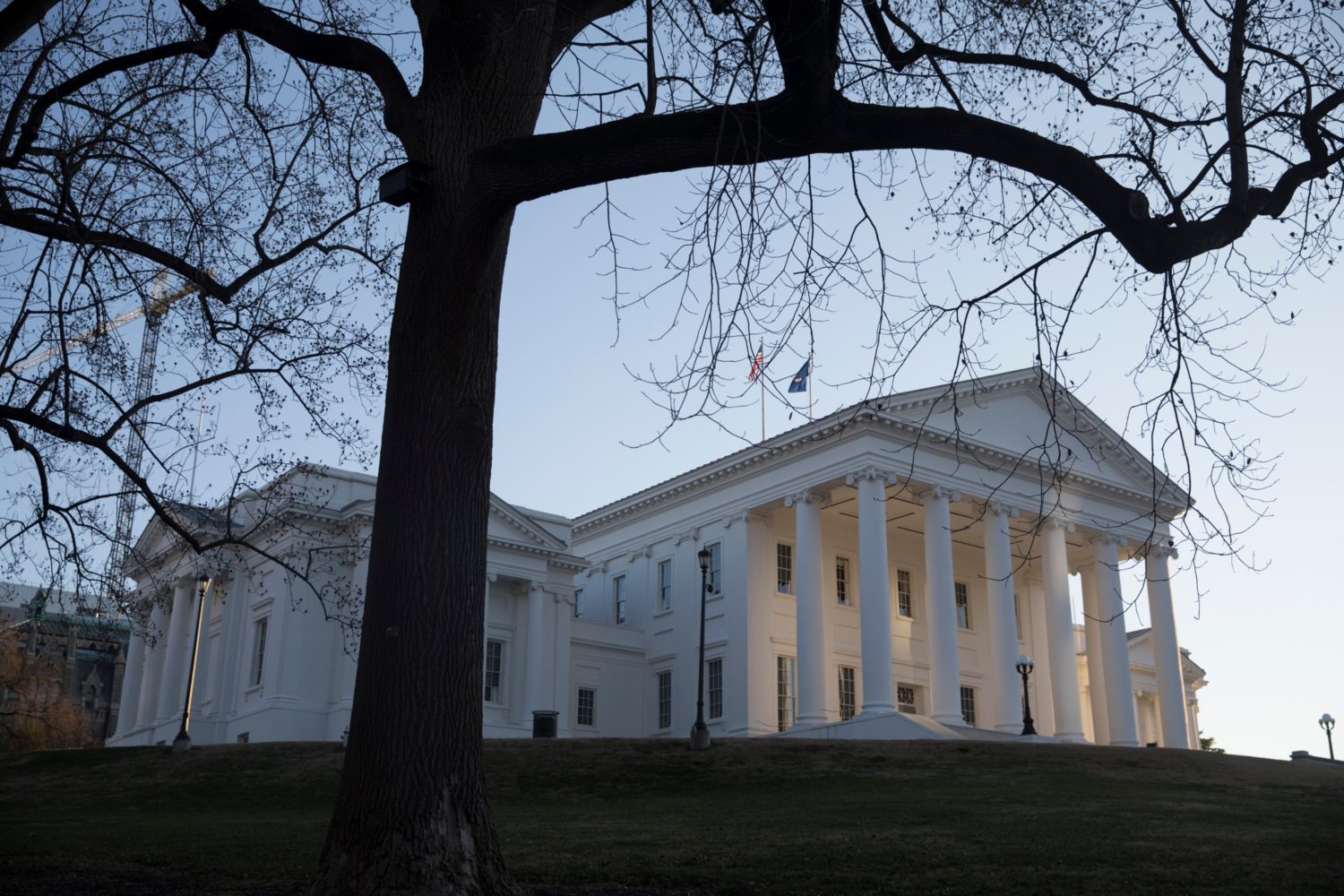
Virginia Gov. Ralph Northam and Senate Democrats on Friday announced their priorities for the special legislative session that begins next week in Richmond — including a particular emphasis on measures related to the criminal justice system and racial equity.
The announcement follows last week’s unveiling of Senate Democratic Caucus Chair Mamie Locke’s police reform package, which responds to the “national reckoning on policing” in the wake of the deaths of African Americans at the hands of police.
“The deaths of George Floyd, Breonna Taylor, and Ahmaud Arbery have awoken Americans and Virginians to a long-standing problem. Just because something happened in Minneapolis and Louisville and Georgia does not mean Virginia is immune,” she said last week.
The bills unveiled Friday as part of the Senate Democratic Caucus Justice Reform and Racial Equity package include efforts to investigate police misconduct and racial profiling during traffic stops, sentencing and prison reform, expungement of criminal records, fiscal transparency, and the establishment of mental health crisis response teams to address to assist law enforcement.
“Our package is more focused on the entire system and not just policing,” said Senate Democratic Caucus Vice Chair Scott Surovell (D-Mount Vernon) at a press conference on Friday. “We have a critical opportunity and a historic opportunity to correct a lot of the historical wrongs that have been going on in this state for hundreds of years.”
Sens. Joe Morrissey (D-Richmond) and Jennifer Boysko (D-Fairfax) introduced a bill that would allow defendants to request that a judge decide their punishment, and not default to the jury unless convicted of capital murder.
“A jury is not as expert as a judge in the parameters of sentencing and is flying blind,” said Morrissey during the press conference. Currently, 44 out of 50 states already allow for the combination of a jury trial and sentencing by a judge.
Morrissey said the bill will address defendants who receive punishments that are not commensurate with the crimes they commit. “People are being offered plea agreements, and a jury gives them 20 years,” he said.
Legislators will meet to address Virginia’s biennial budget — which has taken a hit amidst the economic downturn caused by the pandemic — and Northam is expected to propose additional public safety and equity measures.
“Virginians are hurting, and the Commonwealth is stepping up,” said Northam in a statement. “Our country is battling both a health crisis and an economic crisis at once, so Virginia is advancing new programs to help people stay in their homes, care for the ones they love, and feel safe in the community.”
Northam’s priorities also include affordable housing with a “pause” on eviction proceedings through April 30 and utility disconnections until 60 days after the state of emergency ends. The governor will also address access to broadband, and increased funding for historically Black colleges and universities in the Commonwealth.
Senate Democrats announced the first of their criminal justice and police reforms last week. Their proposals include a ban on no-knock warrants and more requirements for nighttime warrants; training for officers in de-escalation; the creation of a statewide code of conduct for officers; an increase in data collection on police stops; and a ban on police departments obtaining surplus military equipment.