Debbie Truong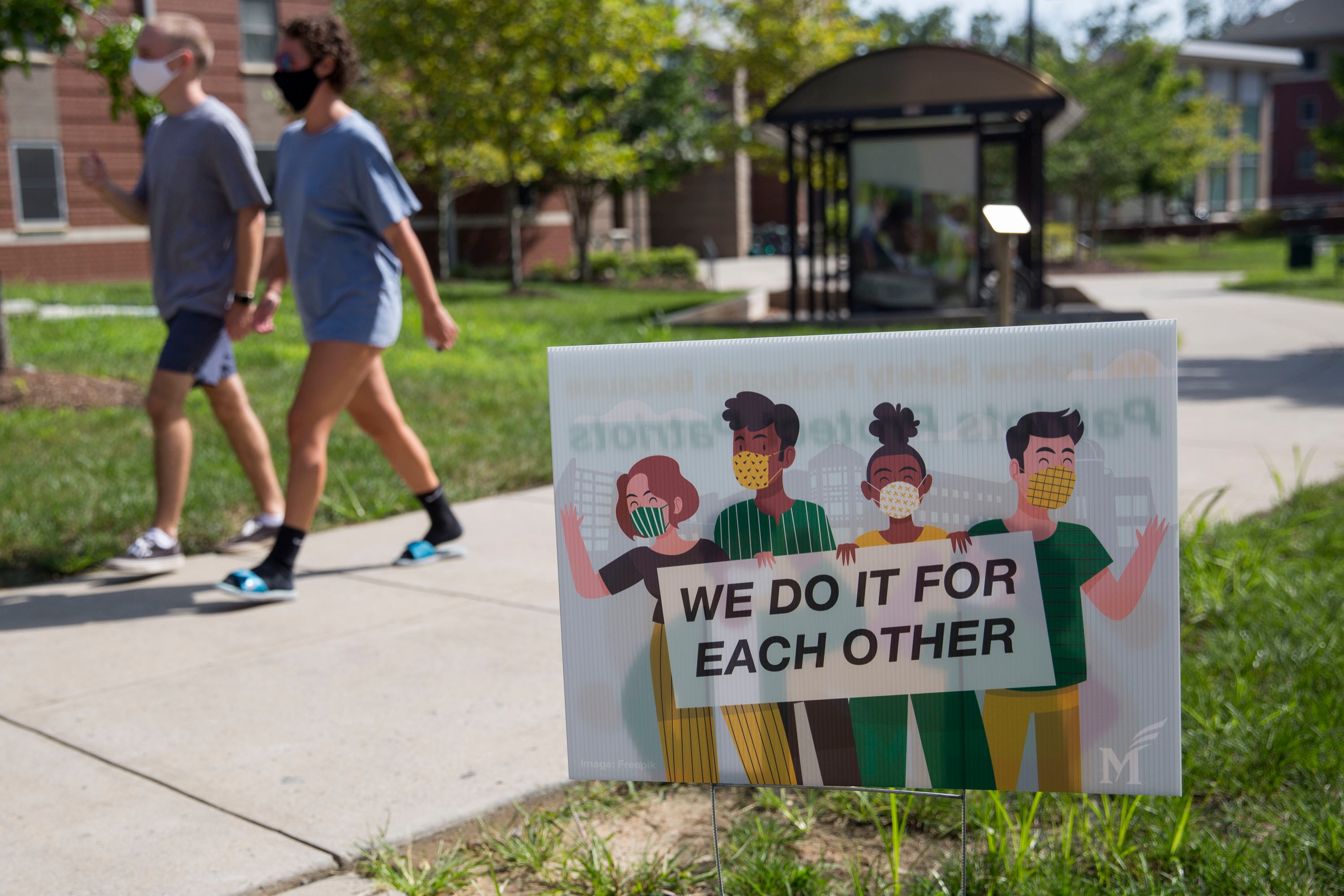
Ian Smith hesitated.
His senior year at West Springfield High School in Fairfax County was abruptly altered by the coronavirus, a traditional graduation replaced with a drive-thru ceremony where he pulled up in a car to receive his diploma. For months, he looked forward to dorm life at George Mason University and classes that would set him toward a degree in sports management.
But as the days of summer dwindled, his worries grew. He was not sure if Mason would allow students to live on-campus, and he questioned if attending classes in-person was worth the risk of possibly carrying the virus home to his family in nearby Springfield, Va.
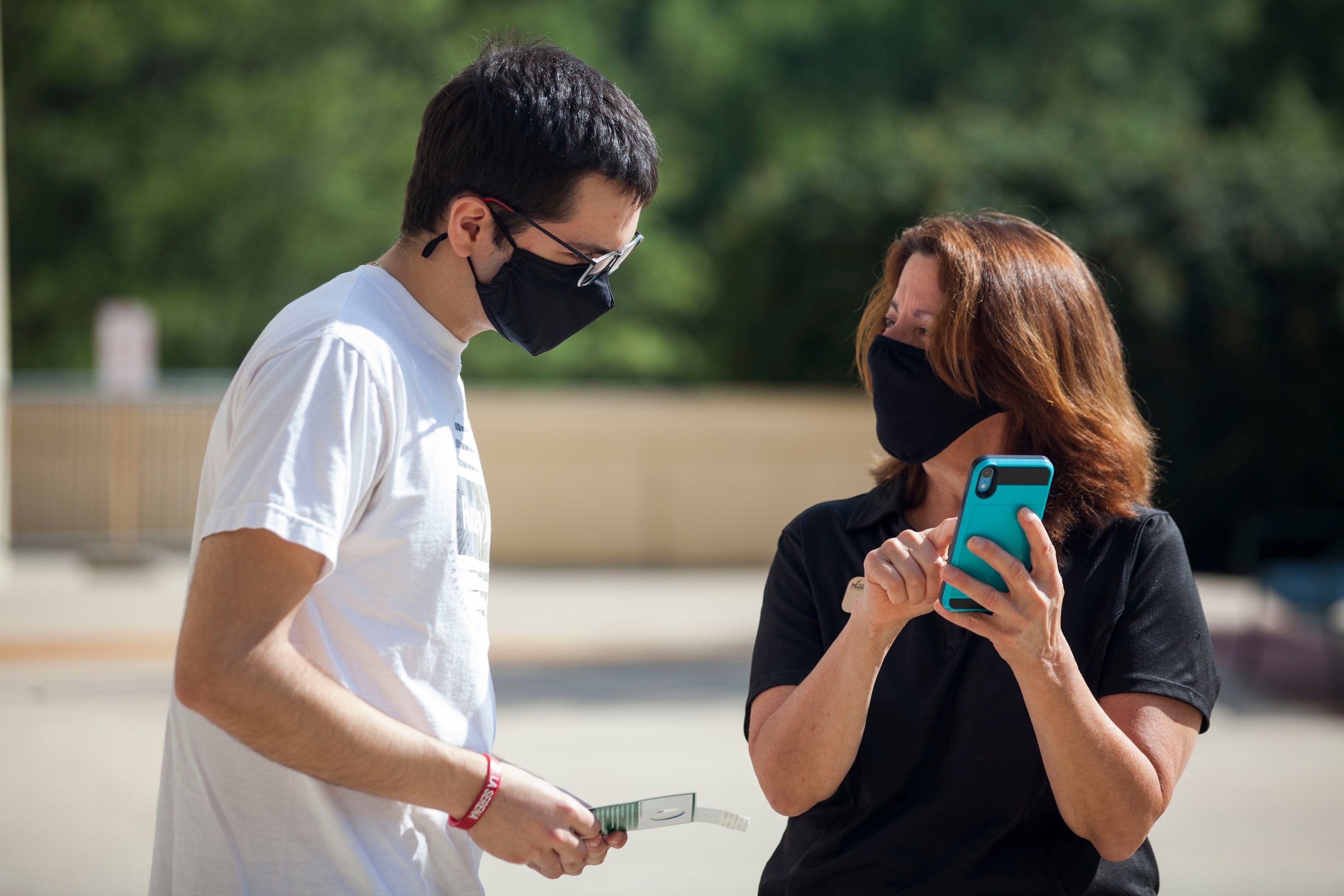
The university eventually rolled out a reopening plan that included allowing students to live on-campus and, last week, Smith moved in. Many classes have migrated online but thousands of college students will live or attend classes at university campuses across the Washington region this academic year, trying as much as they can to cling to the college experience in the middle of a pandemic.
“I had second thoughts,” Smith said. “In the end, I decided since I’m going to stay here, I might as well take advantage of the full experience.”
Some colleges and universities in the District, including American, Georgetown and George Washington universities, decided to start the academic year virtually. Coronavirus outbreaks have already unraveled university reopening plans elsewhere in the country, forcing some to cancel in-person classes weeks into the academic year.
At the University of North Carolina at Chapel Hill, administrators moved classes online after 130 students and five employees tested positive for the coronavirus in the first week back. Students there threw parties off-campus, where they didn’t wear face masks or practice social distancing.
Rose Pascarell, Vice President for University Life at Mason, said she is “cautiously optimistic” students at the Northern Virginia university will follow health and safety guidelines, on and off-campus. But she said Mason is prepared to move classes completely online only if students do not.
“There are students who want to be here. They said that it’s really important to be able to live on campus. They don’t think they could do as well at home,” Pascarell said. “And there are still students who want the college experience.”
About 3,500 students are living on-campus and up to 12,000 students could attend at least one class in-person this semester. Mason, which started classes Monday, enrolls more than 35,000 students.
Bethany L. Letiecq, an associate professor of human development and family science, said the university is placing an unfair burden on students during a time when they want to socialize and meet new people.
“That really puts the onus on the students to somehow contain the spread of a virus that the rest of the country hasn’t been able to do,” said Letiecq, who co-chairs Mason’s chapter of the American Association of University Professors.
The organization, which represents more than 100 faculty members, criticized Mason’s decision to reopen. More recently, the group has challenged the validity of the coronavirus home testing kits the university supplied to students.
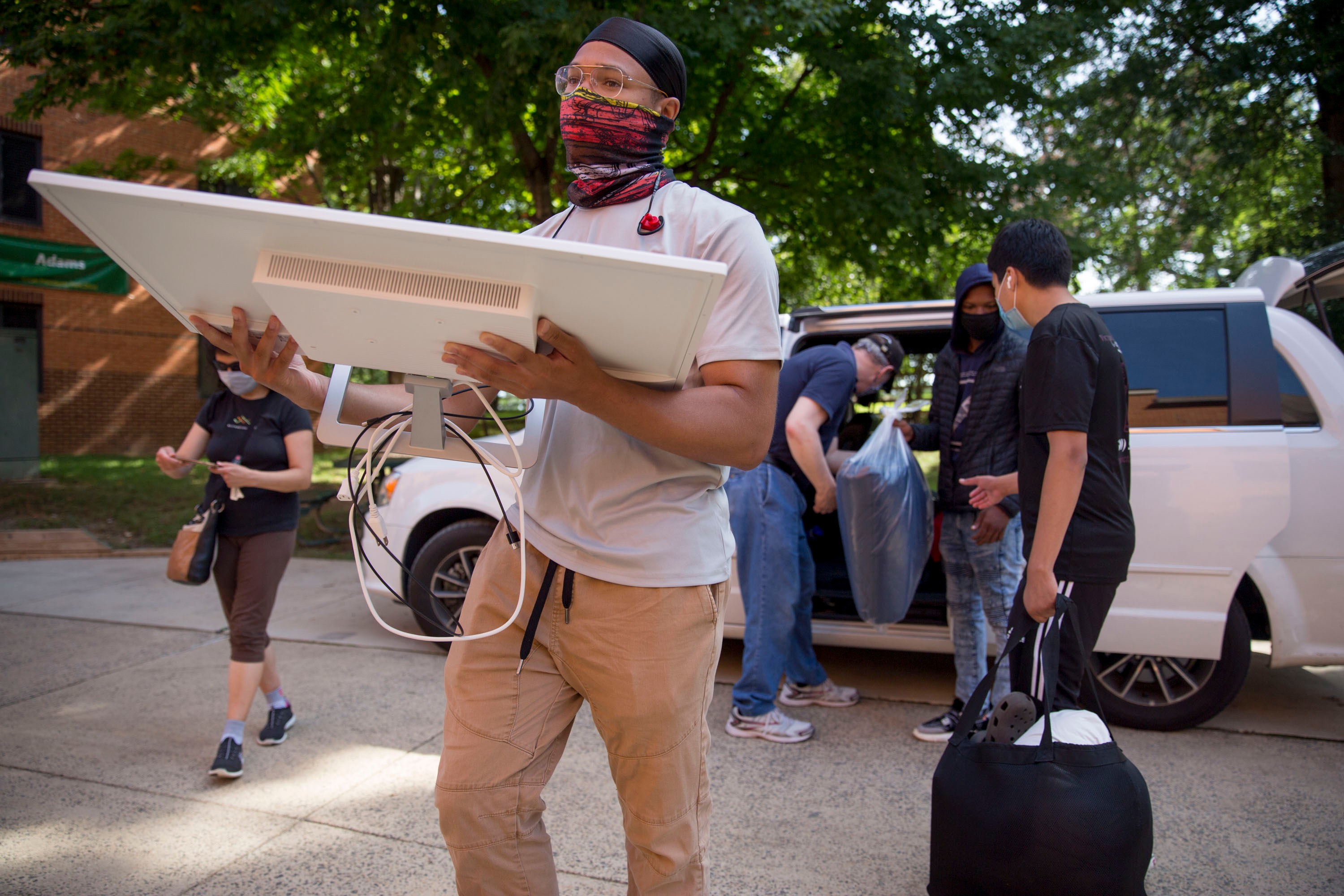
During move-in at Mason last week, there were already signs the school year would be much different. In a normal year, students would be welcomed to campus with loud music and fanfare. Hundreds of students would volunteer to help families carry belongings to dorms.
This year, students were assigned a designated time to show up and retrieved their student IDs and room keys from workers who sat behind plexiglass. Movers from a company contracted by the university swiftly moved students into their rooms.
In class, students must wear face masks and stay spaced apart. Classrooms will accommodate fewer people. Students, faculty and any campus visitors must also complete a daily online health screening form.
The precautions satisfied Sophie Macomber, an 18-year-old from Williamsburg, Va. She has followed news coverage of coronavirus outbreaks at other universities but said she did not have a hard time deciding to live on-campus.
“It just makes me want to be safer for everyone,” she said. “It makes me want to do my part and not go out to parties. I want to be responsible and be able to stay here, however we can.”
The Catholic University of America welcomed about 600 freshmen to campus last week. The university decided to only allow freshmen and transfer students to live and study on campus. Students were asked to self-quarantine through September 6, two days before the university plans to start in-person classes. Visitors are not allowed in residence halls during the quarantine and meals are distributed.
At the University of Maryland at College Park, classes start virtually Monday but undergraduate students will not be able to attend in-person until September 14.
In an August 10 email to the university community, President Darryll J. Pines said he delayed the campus reopening because Prince George’s County, where the university is located, had the highest rate of people who tested positive for the coronavirus in Maryland.
“It is our fervent hope and expectation that we will resume in-person and blended instruction,” he said. “At the same time, the health of our university community and slowing the spread of COVID-19 must remain our continuing and unwavering priorities.”
University officials say residence halls are at less than 45 percent of capacity. Just 20 percent of classes will include in-person instruction.
Laura Kazdova, an 18-year-old from Montclair, New Jersey, plans to live on campus even though four of her five classes are online only.
During the last few months of high school, she found it hard to concentrate while her mom fielded calls and did work of her own. Kazdova’s mental health suffered as she spent most of her time indoors, away from friends.
She hopes living on campus and meeting new people at university-sponsored events will help. As an English major, she was looking forward to debating texts with classmates and dissecting books in-person.
But, she said, “I’ll take what I can get.”