Colleen Grablick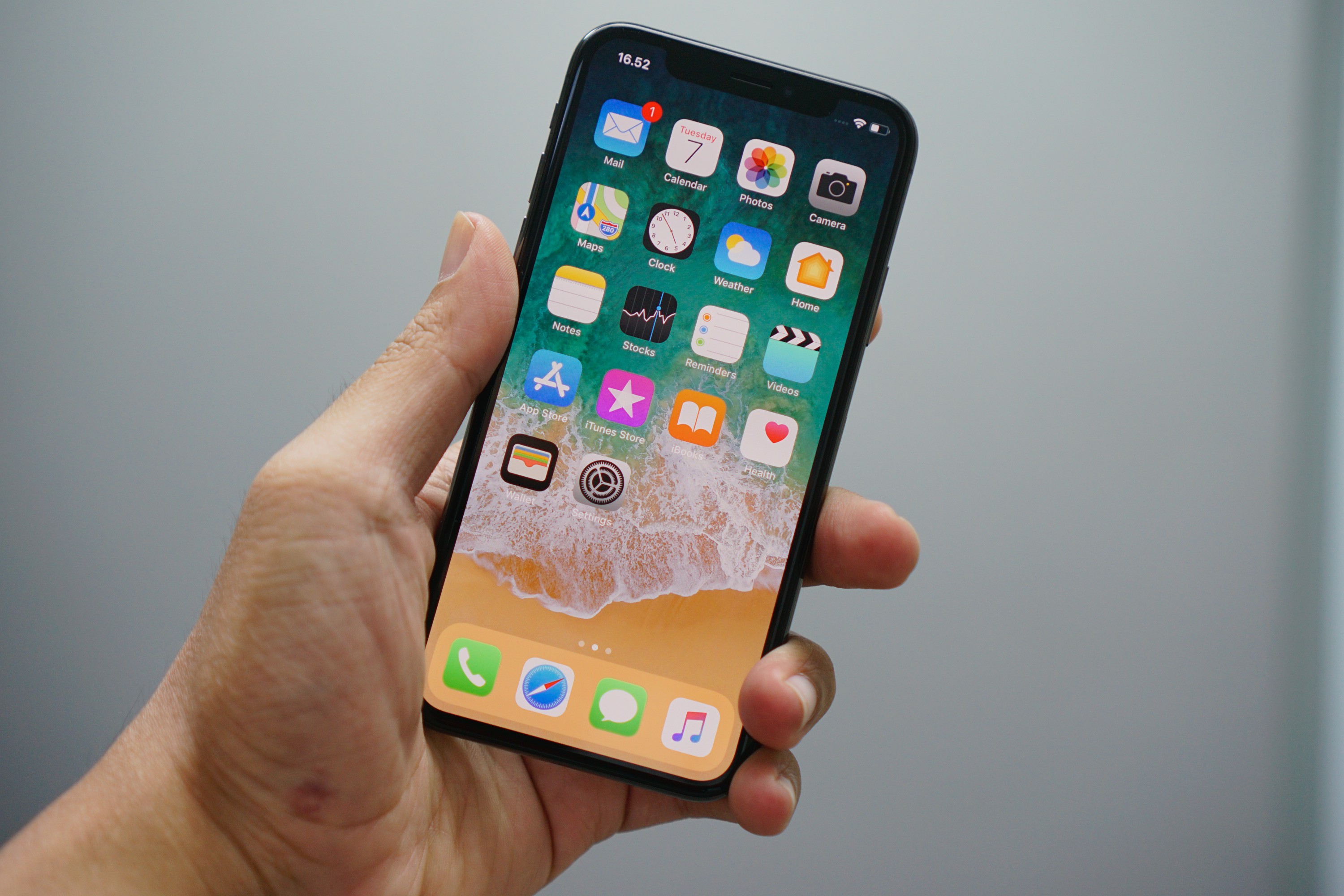
Update, 9/9/20:
The exposure notification software is not yet available in D.C. and Maryland, according to local officials, and likely won’t be available until next month.
During a press conference on Wednesday, D.C. Mayor Muriel Bowser said that residents can expect to receive more information about how the software will work later in September.
In Maryland, Deputy Secretary Lance Schine of the state’s information technology office says the software likely won’t be available until October, as officials work on developing and testing the necessary tools over the next few weeks.
Original:
If you live in D.C., Maryland, or Virginia, new software on your iPhone could alert you of potential exposures to COVID-19.
A collaboration between Apple and Google —Exposure Notification Express — allows users to receive notifications if they’ve been exposed to another user who tests positive for COVID-19. The software, which is available in the iOS 13.7 update or via an app for Google phones, works in jurisdictions where public health authorities are collecting contact tracing data and have employed the technology to enable notifications—either through a locally made app or with servers set up to use the notification system.
D.C., Maryland, Virginia, and Nevada are the first jurisdictions where exposure notifications will work without a separate app, and an Android version of Exposure Notification Express will be available later this month.
D.C.’s health department did not immediately return DCist’s request for comment on the software.
Apple and Google announced a joint plan to develop a contract tracing software in April, and the first phase of production began with the release of an API in May that allowed jurisdictions to develop their own apps — the first which was Virginia’s COVIDWISE app.
Like COVIDWISE, Apple’s built-in software uses Bluetooth signals to flag if smartphone users are in close proximity for a period of time. If one of the users later tests positive for COVID-19, the software will notify individuals who may have been in contact with that person that they were at risk of exposure. Only data from people who opt into the service will be used for the software’s exposure tracing.
When COVIDWISE launched, the app’s productivity relied on participation — a factor made more difficult by those skeptical of big tech companies and government agencies infringing on their privacy. Officials in Virginia tried to stressthat no location data or personal information is ever collected, stored, tracked, or transmitted to the state’s health department as part of the app, and that users have the ability to delete the app or turn off exposure notifications at any time.
A Washington Post review — which enlisted 35 staff members to test the app — found that over 10 days, no one’s phones buzzed with an exposure notification on COVIDWISE.
In order to evaluate if this technology is helpful is managing the spread of coronavirus, experts find that around 40% of the population in an area would need to use it (although a lower percentage of engagement still wouldn’t render the software completely useless.)
Five other states –Nevada, North Dakota, Wyoming, Alabama, Arizona — currently have their own apps like COVIDWISE. Apple and Google say these apps will not be affected by the now built-in software.
According to Apple, data from the exposure notification software will only be shared with public health officials if a user chooses to report a positive diagnosis, or if a user is notified that they’ve been in contact with someone who has reported a positive test. In the case of a contact, the system will share the day the contact occurred, how long it lasted, and the Bluetooth signal strength of that contact, as well as the type of report (confirmed by test, clinical diagnosis, or self-report). Apple and Google will not have access to the user’s identification information or location.
This story was updated with information about privacy protections for the software and about its availability regionally. Matt Blitz contributed reporting.