 Christian Zapata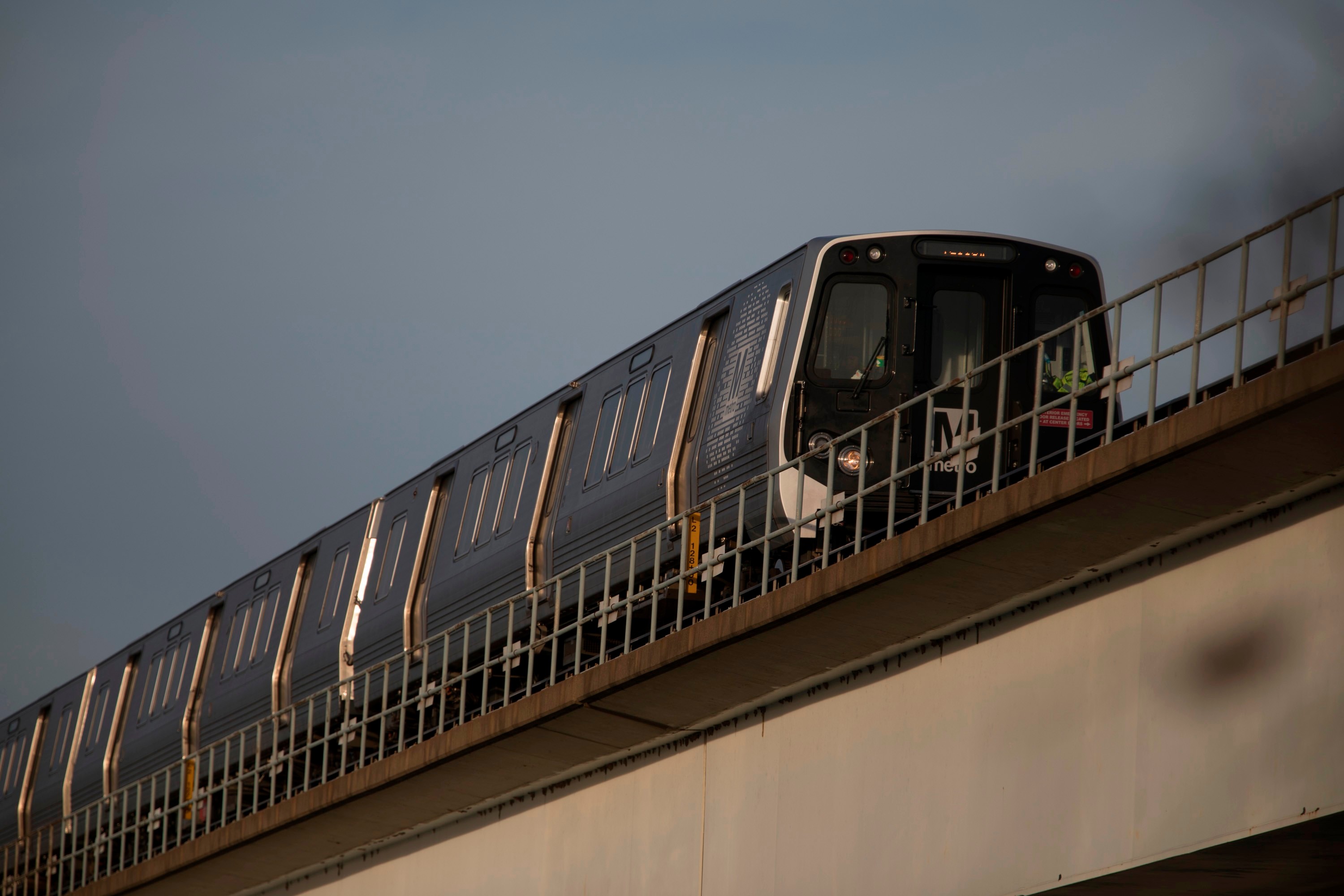
Metro’s Dunn Loring and Vienna stations are open to the public after a summer of reconstruction and pandemic closures.
Tuesday marks the first time the agency’s 91 stations are all open since closures began in March, according to a press release. The East Falls Church and West Falls Church stations opened last month ahead of schedule.
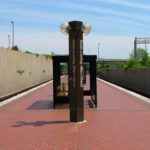
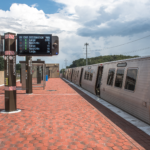
Improvements to Metro stations include slip-resistant tiles on the platforms and in the mezzanine areas, stainless-steel platform shelters with charging outlets, energy-efficient LED lighting throughout the stations, additional screens displaying passenger information, and, to the delight of anyone who’s ever had to decipher train conductor announcements, improved speaker systems.
Here are some highlights of the restoration project:
- 118,000 square feet of slip-resistant tiles installed – enough to cover 42 tennis courts
- 73,000 feet of new electrical conduit – equal to the distance between the U.S. Capitol and the Tysons Corner Mall
- 381,600 pounds of granite platform edge replaced – heavier than the granite used for the Lincoln Memorial statue
- 210,000 shuttle bus departures – more than all departing flights at Dulles International Airport in 2019
Metro said the conclusion of its summer renovations marks a major milestone in its Platform Improvement Project. It’s now halfway through planned renovations at 20 outdoor stations.
Vienna and Dunn Loring stations to reopen Tuesday, marking completion of summer closures for platform reconstruction. With this summer’s work, Metro’s Platform Improvement Project will have completed half of the 20 stations planned. https://t.co/swMY7DgQsK #wmata pic.twitter.com/FxQU9cKceG
— Metro (@wmata) September 4, 2020
“Customers can look forward to safer, more convenient stations, whether they are traveling now or looking forward to getting back to their routines as the region recovers from the pandemic,” General Manager Paul J. Wiedefeld said in the press release.
The agency said parking restrictions will be in place as construction activity on the Orange Line continues into the fall, but expects it won’t be an issue since ridership has been down significantly since the start of the pandemic.
Metro’s finances have been hard hit by the pandemic. The agency recently invested $20 million into making Metro cards available on iPhone with hopes it will attract more customers after months spent adapting to life without its services.
“This is about customers, this is about attracting customers,” Wiedefeld told DCist/WAMU last month. “That’s where the payoff is.” He added that the agency hopes the mobile fare option will alleviate some of its financial strain with the need for fewer fare machines and staff.