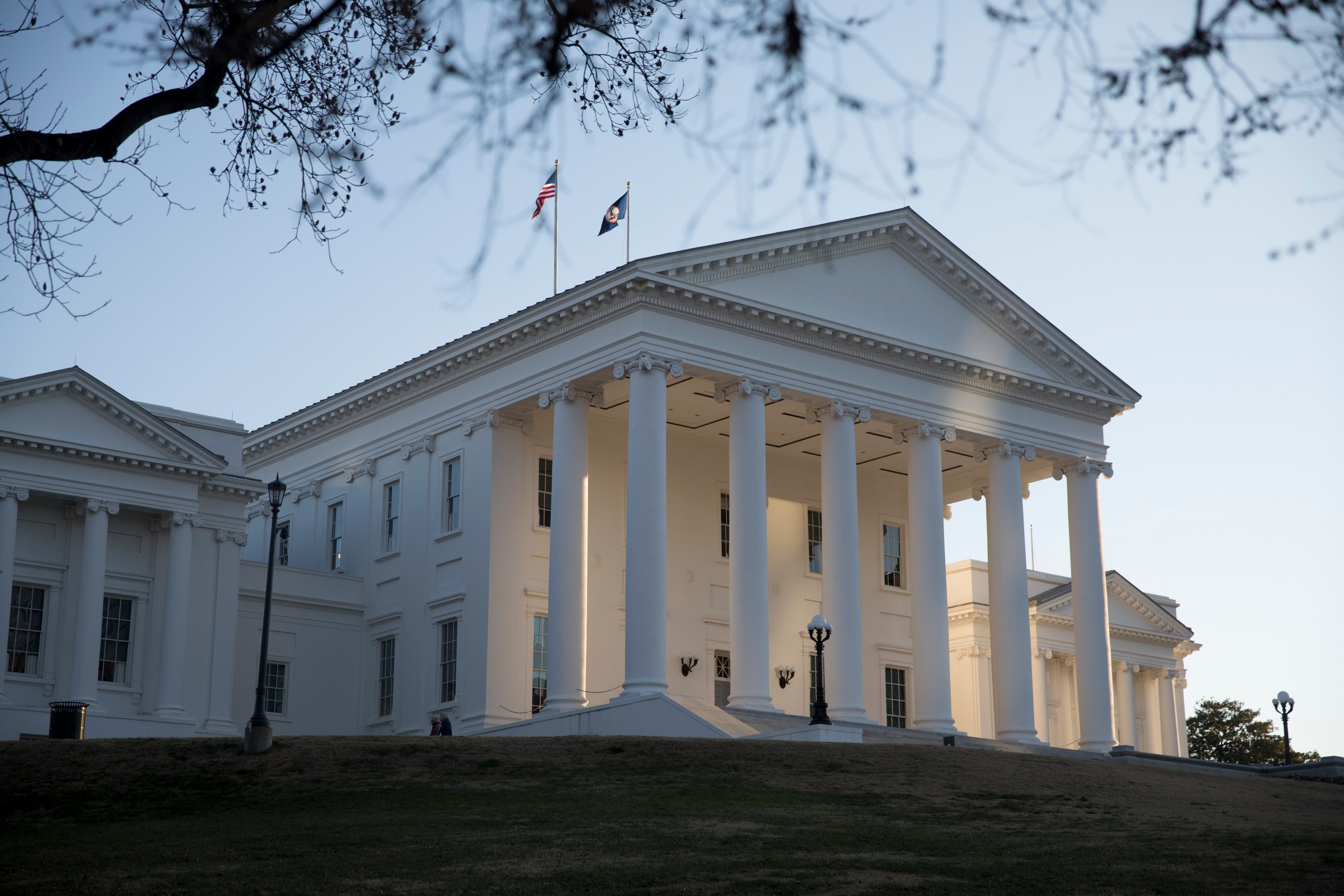
The Virginia Senate on Friday passed its version of the Commonwealth’s proposed $134 billion, two-year budget, with some key differences from the version the House of Delegates passed on Tuesday. The Senate’s passage sets up budget negotiations to take place between the Democrat-controlled chambers in the coming days, against the backdrop of COVID-related revenue losses.
The Senate voted 24-15, largely along party lines, to approve the budget. “We were presented with a challenge in trying to be good stewards of the Commonwealth’s finances while putting forth a budget that would address immediate needs as we work to operate during a pandemic,” Sen. Janet Howell (D-Fairfax), the chair of the finance and appropriations committee, said in a statement. “This budget still prioritizes the people of Virginia while providing structural balance and protecting the Commonwealth’s bond rating.”
Both the Senate and House versions rely on funding from the federal CARES Act, though the Senate’s uses less. That’s in part because senators identified more than $140 million in savings by changing what are known as managed care rates, administered through Medicaid as well as similar government-insurance programs for children.
The savings allowed the Senate to fund dental benefits for adults, expand postpartum coverage for women, and boost healthcare access for lawful permanent residents — all through Medicaid. These items were initially funded in the budget that the Commonwealth approved in March, but were later removed by Democratic Gov. Ralph Northam after the pandemic caused government revenues to plummet, leading to a special session of the legislature.
The Senate version also includes one-time, $500 bonuses for law enforcement personnel across the Commonwealth. This element is different from the House version, which includes one-time, $1,500 bonuses for all Commonwealth employees, including law enforcement.
Both versions fund criminal justice reforms, initiatives to increase broadband access, assistance for struggling renters, and educational investments, such as $200 million in CARES Act money for reopening schools. One important difference is that the House version includes language to delay school funding allocations based on lower-than-projected enrollment figures, whereas the Senate version does not. This could ultimately have a significant financial impact on individual schools, according to budget experts.
Because of Virginia’s decreased revenue projections for the next two years, most of the new investments that were included in the original March budget have been removed, says Chris Duncombe, who leads the policy team at The Commonwealth Institute for Fiscal Analysis, a nonprofit based in Richmond. While the House and Senate versions passed this week allocate CARES Act dollars before a crucial Dec. 30 deadline, Duncombe says it’s unfortunate that neither chamber looked to use Virginia’s more than $1 billion in reserves to fund services.
In the coming days, the Senate and House are expected to negotiate over a final version of the budget to send to Northam for his review. This is the first time in a generation that Democrats control the governorship and both chambers of the Commonwealth’s legislature.