Debbie Truong
Updated 6:26 p.m.
D.C. Public Schools is preparing to welcome up to 21,000 elementary school students back for in-person learning in November, city education officials said Monday.
Chancellor Lewis D. Ferebee said the school system will provide two in-person learning options for students in preschool through fifth grade during the second grading quarter, which starts in November.
“Learning at home has been positive for many of our students because of the extraordinary work of our teachers,” Ferebee said during a press conference at Wheatley Education Campus in Northeast Washington. “We also know at this time that learning at home is not working for every student.”
Under the first option, about 7,000 students will attend in-person classes led by a teacher. Each school will offer one class for each grade level beginning Nov. 9.
Under the second option, about 14,000 students will still take virtual classes. Staff members, such as instructional aides, will provide help to students on campus. Students will participate in recess and lunch. The “CARE classrooms” will open the week of Nov. 16 for students in preschool through first grade and the week of Nov. 30 for older elementary school students.
Both programs will run five days a week, with a half day of school on Wednesday. Ferebee said he expects the school system will be able to educate about 75 percent of the city’s elementary school students in person.
Schools will identify students for in-person learning, prioritizing English learners and students who are homeless, receive special education services or who belong to low-income families. Families can still choose to continue with distance learning.
Classrooms are expected to serve between 5 and 11 students. Middle and high school students are expected to return for in-person classes when the third grading quarter starts in February.
Small groups of students have already returned to select campuses for additional support, including tutoring, physical education and art. Some schools are also providing career and technical education in person.
The District is in Phase 2 of reopening, which means schools can reopen with social distancing measures and other safety precautions.
Charter schools, which educate about half of the city’s public schoolchildren, can individually decide to bring students back to campuses. About a dozen of the city’s charter schools are providing some form of in-person instruction, mostly to students in small groups.
Three unions representing teachers, principals and school nurses have fought plans for any broad return to school buildings, arguing the city has not provided enough information on how it would keep students and educators safe.
The presidents of those unions issued a joint statement last week that said they do not “believe that our schools can safely reopen for in-person learning without creating a substantial health risk for our community.”
Joe Weedon, a spokesman for the Washington Teachers’ Union, said Monday the union did not receive advance notice about the return to in-person instruction and does not know how many teachers will be asked to return.
Ferebee said D.C. schools will need about 3,400 teachers and staff members to support in-person learning for elementary school students.
Education officials said they will provide personal protective equipment, including face masks, for students and teachers. The city is also inspecting and upgrading HVAC systems in all of its elementary schools, officials said.
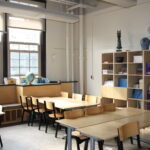
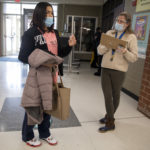
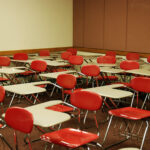
During a tour of the Wheatley Education Campus on Monday, Ferebee highlighted safety measures schools will take, including daily temperature checks, spacing students’ desks apart and posting signs reminding people to keep a distance of six feet from others.
This story was updated to include additional information.