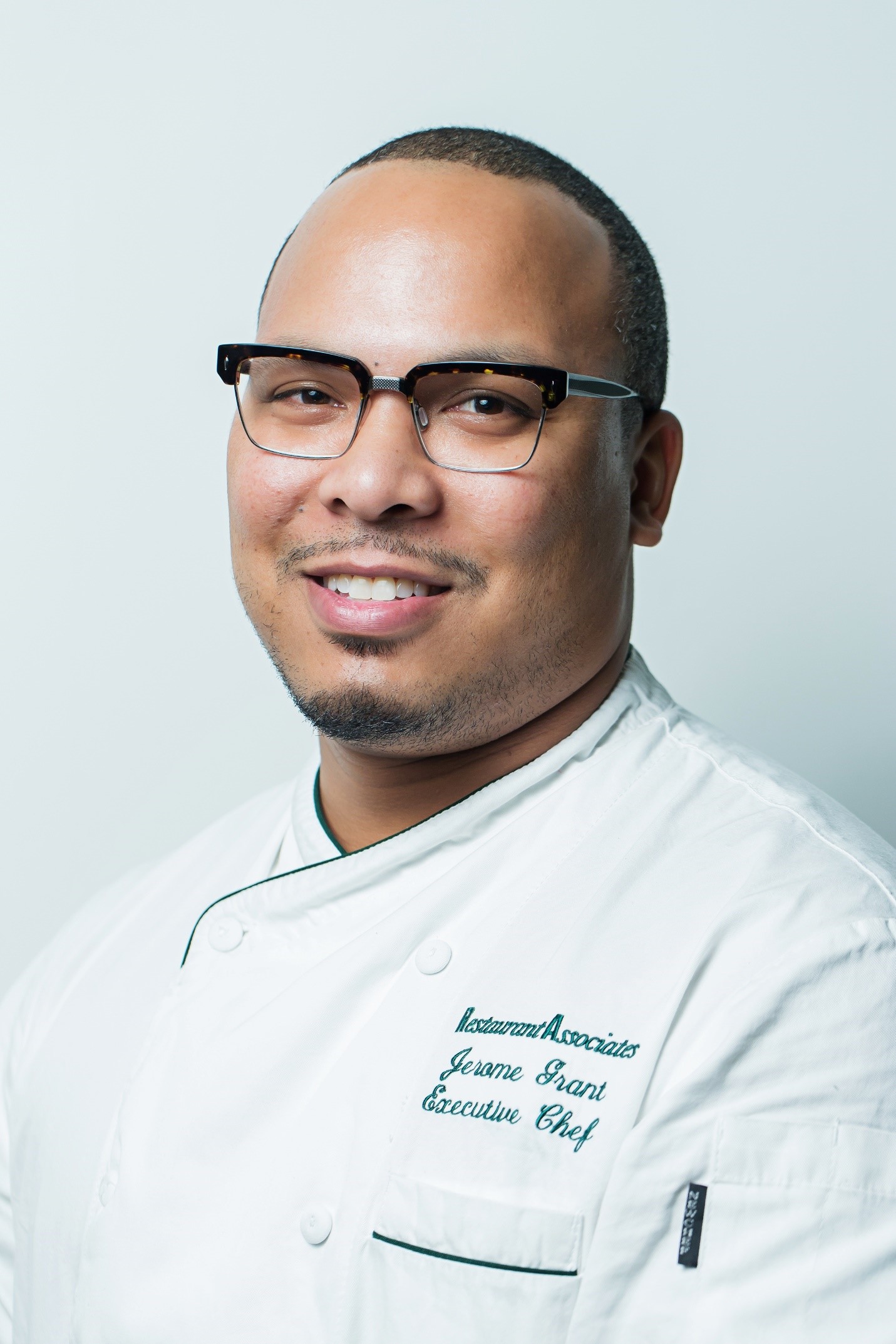
Chef Jerome Grant is no stranger to challenges. The James Beard Award semifinalist’s last job was to turn the National Museum of African American History and Culture’s cafe into a culinary destination for at least 2,000 guests a day, all while paying homage to Black history in the United States. His Sweet Home Café earned positive critical and popular reception, and led to a cookbook of Grant’s favorite recipes.
While he’s no longer making enough food to feed a small army on a daily basis, his newest gig — executive chef at Jackie, the restaurant adjacent to its partner beer garden, Dacha at Navy Yard — presents a different sort of difficulty. As restaurants across the region and the country alike grapple with the unique set of challenges presented by COVID-19, restaurateurs and chefs are assessing a new normal. Meanwhile, Jackie’s opening comes just over a year after a Washingtonian article revealed allegations of wage theft and fraud at Dacha, allegations its owners have denied. (When asked about the wage theft, Grant repeated that employees are paid a “sustainable wage” and that all checks get an additional 18% service charge that goes to staff.)
At Jackie, Grant is whipping up an American menu with global influences: Think steak tartare with chili mayo, curry fried chicken, and pork cheek adobo. DCist sat down with Grant to learn more about his transition to this new menu, the Jackie team’s pandemic response, and his perspective on the industry’s future. This conversation has been edited for length and clarity.
DCist: Tell us about the transition from cafeteria-style Sweet Home Cafe to Jackie, a much smaller venue made smaller still by social distancing requirements.
Jerome Grant: For me, whether I’m serving 2,000 guests or 20 guests, as a chef I only have one objective — to create a meaningful, memorable, and delicious experience for each of my guests. Switching from a cafeteria-style service meant I could focus on individual dishes and tables. Before, it was about finding the perfect recipe for big audiences and figuring out the right formula to create consistency and quality.
Sweet Home had a distinct mission to reflect/support the learning at the National Museum of African American History and Culture. Is there a similar mission at Jackie, or do you have more free range to experiment?
The menu at Sweet Home Café represented the food from the migration of African Americans throughout the U.S. At Jackie, I want to continue exploring the concept of what American food really is. We’re considered an American bistro — I want to feature food from our American table: This includes my family and heritage, the various cultures of my staff, as well as experiences that I have gathered from my travels and cooking in this industry.
Being Filipino and Black, to what extent was “fusion” present in the cooking you grew up with? Asian influences are clear in the Jackie menu; what does it mean to you to be able to represent elements of your cultures?
There was no fusion! My family was multicultural, but my mom’s cooking was specifically Filipino and my father was a strict Southern cook. What I have learned throughout the years in having this diverse background is that there are similarities in dishes across all cultures — every cuisine has a rice dish, or stewed dish. It is important to me to present distinctive flavors of my heritage in a way that my guests can feel the same comfort I do when I eat it.
A number of chefs have suggested that diners are currently gravitating toward dishes they’re familiar with, comfort foods. To what extent has the pandemic affected the menu?
What I serve at Jackie are comfort foods and flavors that I and my family eat every day at our dining table.
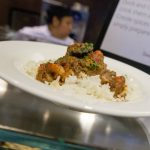
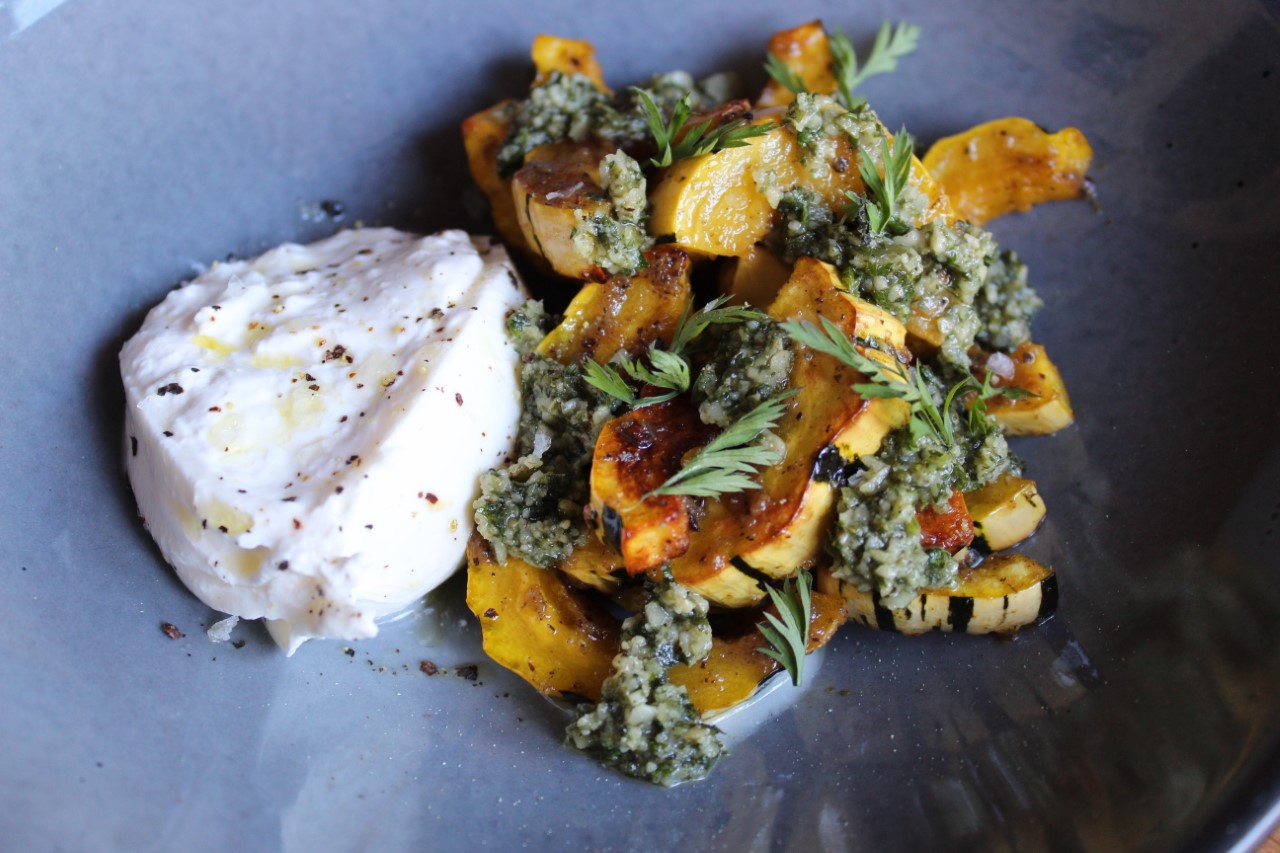
Our pork cheek adobo is total comfort in one dish, with a great balance of salty and sweet, and strong hints of garlic. Pork cheek is super tender after being sous vide for about 8 hours. It’s then served alongside fried Carolina gold rice and fall greens. We also make a fermented jerk wet spice in house and use it to marinate a seasonal delicata squash. We then pair that with a nice creamy burrata and a pumpkin seed gremolata that has tons of carrot tops in it. It’s finished with a fresh squeeze of lime and olive oil.
Leading a kitchen at a new restaurant in the midst of a global pandemic — what lessons did you take from Sweet Home in confronting this challenge?
Opening Sweet Home Café and opening Jackie during the pandemic is honestly like night and day. At Sweet Home, we were anticipating such a big footprint that we were trying to hire as many people as we could and training them quickly to serve large crowds in a timely fashion. With Jackie, the focus was developing quality and speed with less bodies and minimal touches.
Working at Sweet Home Café has taught me the importance of building the right team and being able to trust your staff in an operation where you can’t be everywhere all the time. Collaboration and open dialogue is key. I rely on my team, especially operating under a pandemic, to make key decisions and manage the business with care and pride as if it were their own.
In your mind, what does the future of the restaurant business look like? How will you, in particular, help shape that future?
I consider myself part of the old-school camp; I enjoy a traditional dining experience. But given what’s going on, I foresee a tangible impact from COVID on the style of service and experiences in the near future. I think there will be an increase in curated experiences that will result in less interaction between servers and guests, as well as a sustained use of QR-code ordering.
In regards to my role in this “future restaurant business structure,” I look forward to collaborating with my friends and colleagues to bring pop-ups to Jackie that will feature BIPOC and female leaders in the industry.
My father always told me growing up that I, as a Black man, would have to work twice as hard as anybody else. Unfortunately, this has proven true during my experience in the restaurant industry over the last two decades. I am committed to using my platform and voice to help promote and push for change and equality in the industry. I am, and will continue to be, involved in various programs outside of the restaurant to mentor BIPOC youth.
I also want to note that the team at Dacha and Jackie provides a sustainable wage to our team members. That’s why we include a mandatory 18% service charge that goes directly to our staff, as well as health insurance to full-time staff.
Jackie’s website describes the Kennedys as “the First Couple that dazzled the world with youth and style, revitalizing American culture during the darkest days of the Cold War.” Obviously, Jackie Kennedy Onassis’ influence is present throughout the restaurant. To what extent do you believe food is, or can be, political?
Oh absolutely, food is political. Food is a cultural identity, and as we all know, there have been certain stereotypes that have been spread through the use of certain foods and ingredients. For example, Spam has long been associated with poverty, Asian culture, and war. To this day, there are people who would never dream of touching it. Here at Jackie, we put a nice spin on this canned “delicacy” in our latest brunch offering: Jackie’s brunch fried rice, featuring our house-made Spam with fresh ground pork shoulder and Virginia ham. It’s delicious, trust me!
How have the first couple months of service been at Jackie? How have you handled the linked (but distinct) menus at the beer garden vs the sit-down restaurant?
We are growing into it! We have a strong team, and we’re constantly working to refine our experiences. We just launched brunch and will be transitioning to the winter menu.
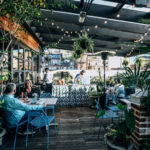
Jackie is a late-night/weekend spot, so we offer its menu in tandem with the beer gardens. Personally, it’s been fun working the two menus: Some days I just want a brat and beer, so it’s pretty cool being able to do both in a shared space.
Jackie is located at 79 Potomac Ave. SE. Open Wednesdays-Fridays 4 p.m.-close, Saturdays 2 p.m.-close, and Sundays 11 a.m.-close.