Jacob Fenston
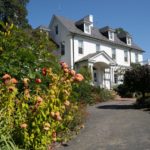
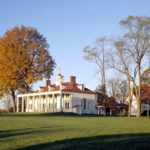
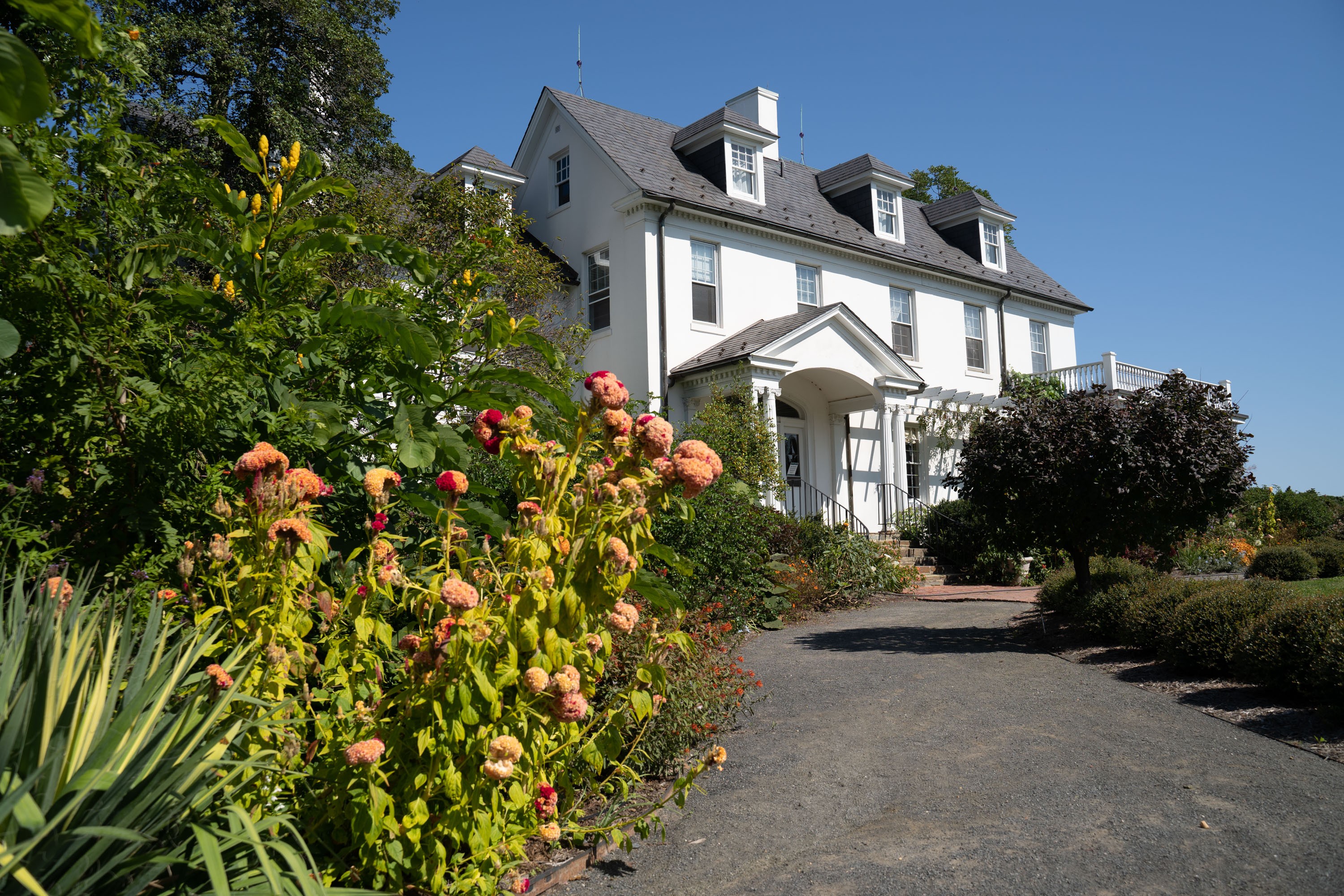
River Farm in Alexandria was once owned by George Washington, and like the first president’s estate at Mount Vernon, it sits high above the Potomac River with sweeping views. For nearly five decades, the land and its manicured gardens have open to the public. But the 27-acre property, valued at nearly $17 million, could soon go to the highest bidder — another casualty of the economic downturn brought by the pandemic. Now neighbors, local officials, and park authorities are scrambling to spare the property from development, and keep it open to the public.
While George Washington’s estate at Mount Vernon is a massive tourist destination, he also owned four other farms in Northern Virginia. River Farm is the farthest north — just four miles south of what is now the Capital Beltway. The land was in the Washington family for nearly a hundred years — from 1760 to 1859.
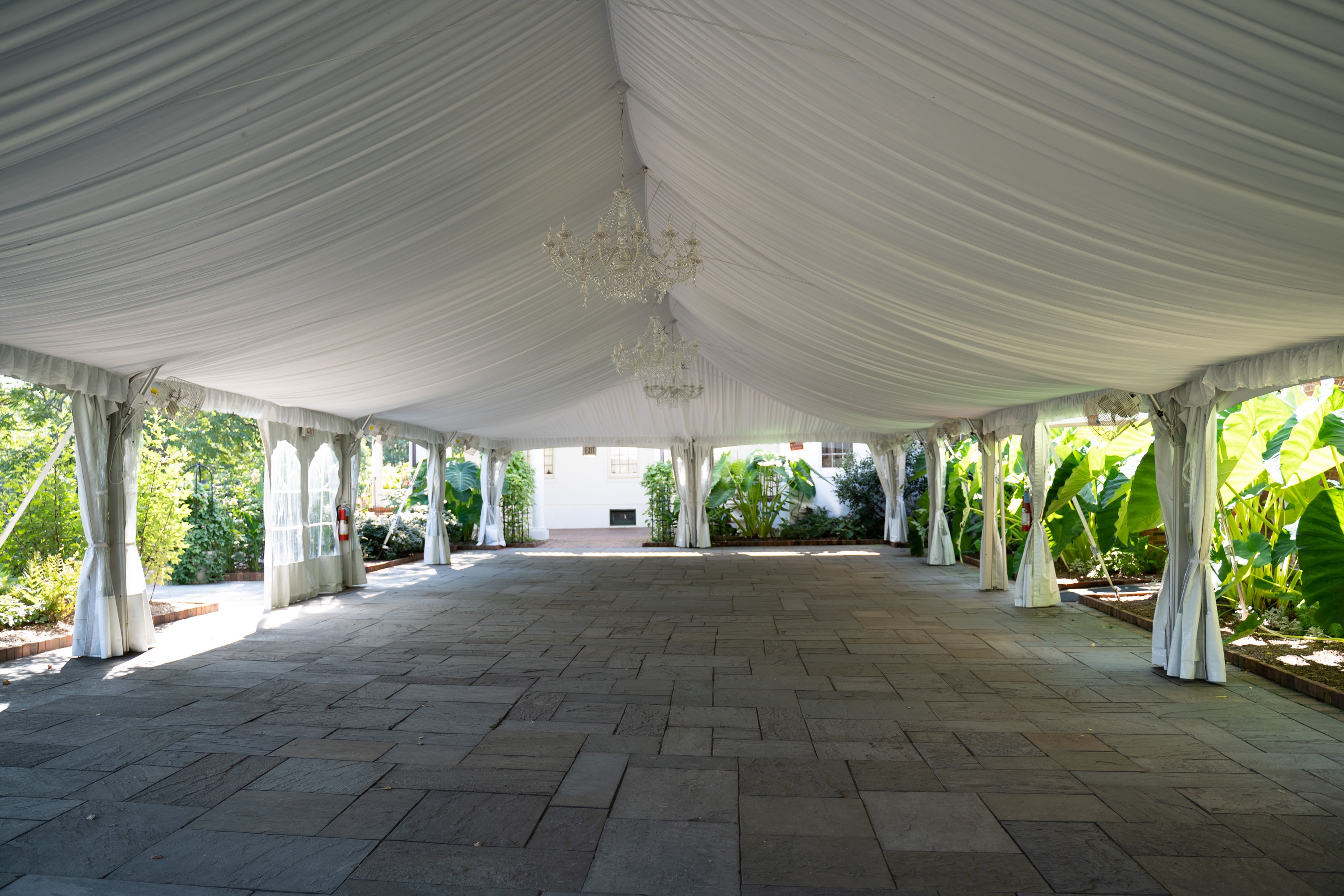
It’s now the headquarters of the American Horticultural Society, a national nonprofit dedicated to promoting gardening. The grounds are open to the public with no fee for admission. The property is also a popular spot for weddings and other big events.
But maintaining the elaborate gardens and historic buildings is a financial drain on the organization. According to 2019 tax filings, it cost $422,095 to operate River Farm, and revenue from the onsite gift shop and event rentals didn’t come close to covering those expenses.
“We’ve struggled financially over the last decade,” says Bob Brackman, interim general manager of the society. “The idea of selling River Farm goes back many, many, many years.”
The pandemic brought new financial troubles. River Farm was closed for several months, and event bookings have been slow since it reopened, Brackman says. This loss of revenue finally forced the decision: AHS is putting River Farm up for sale. “With the impact of COVID, it brought to light the need to rethink our business model and where our expenses are,” Brackman says.
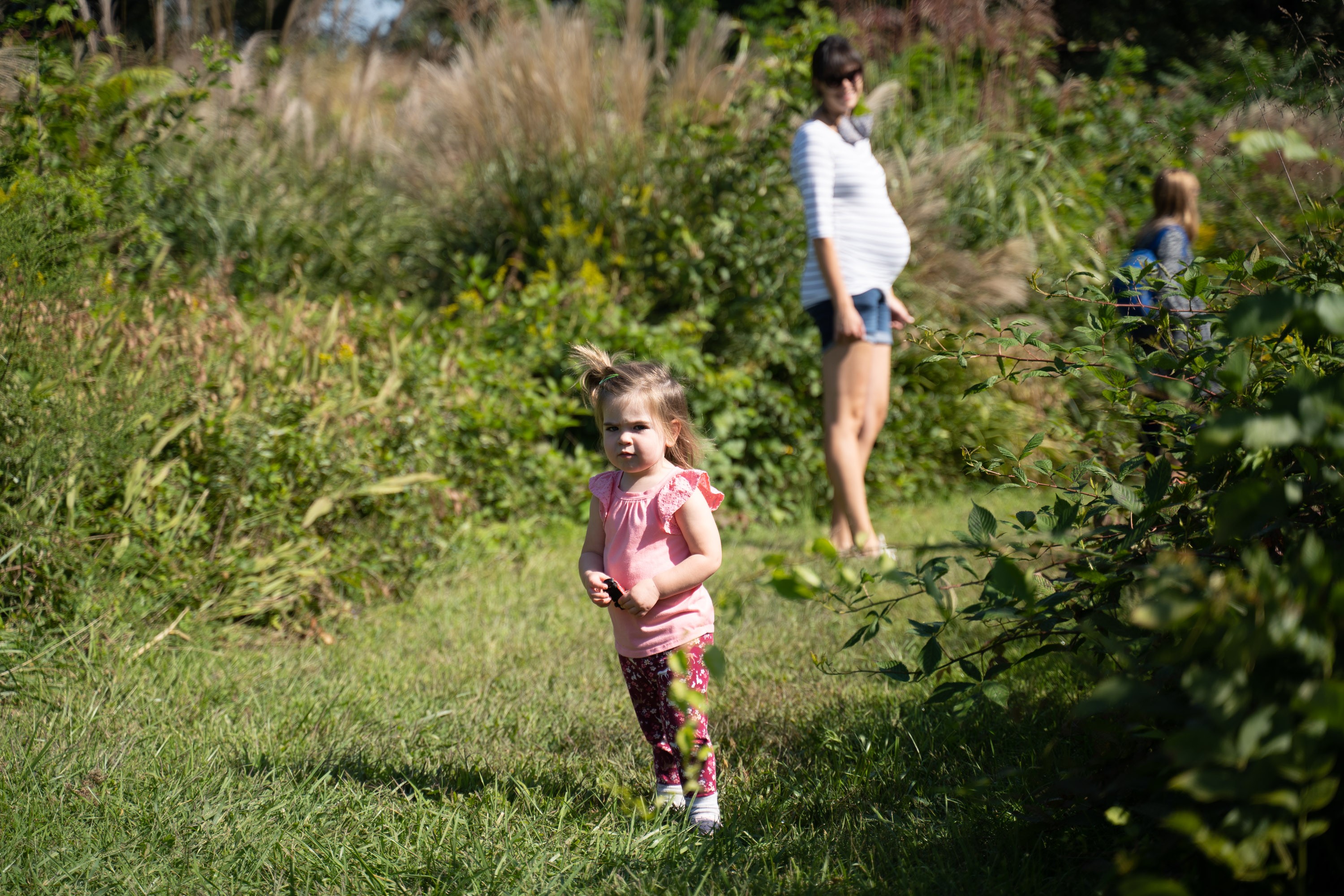
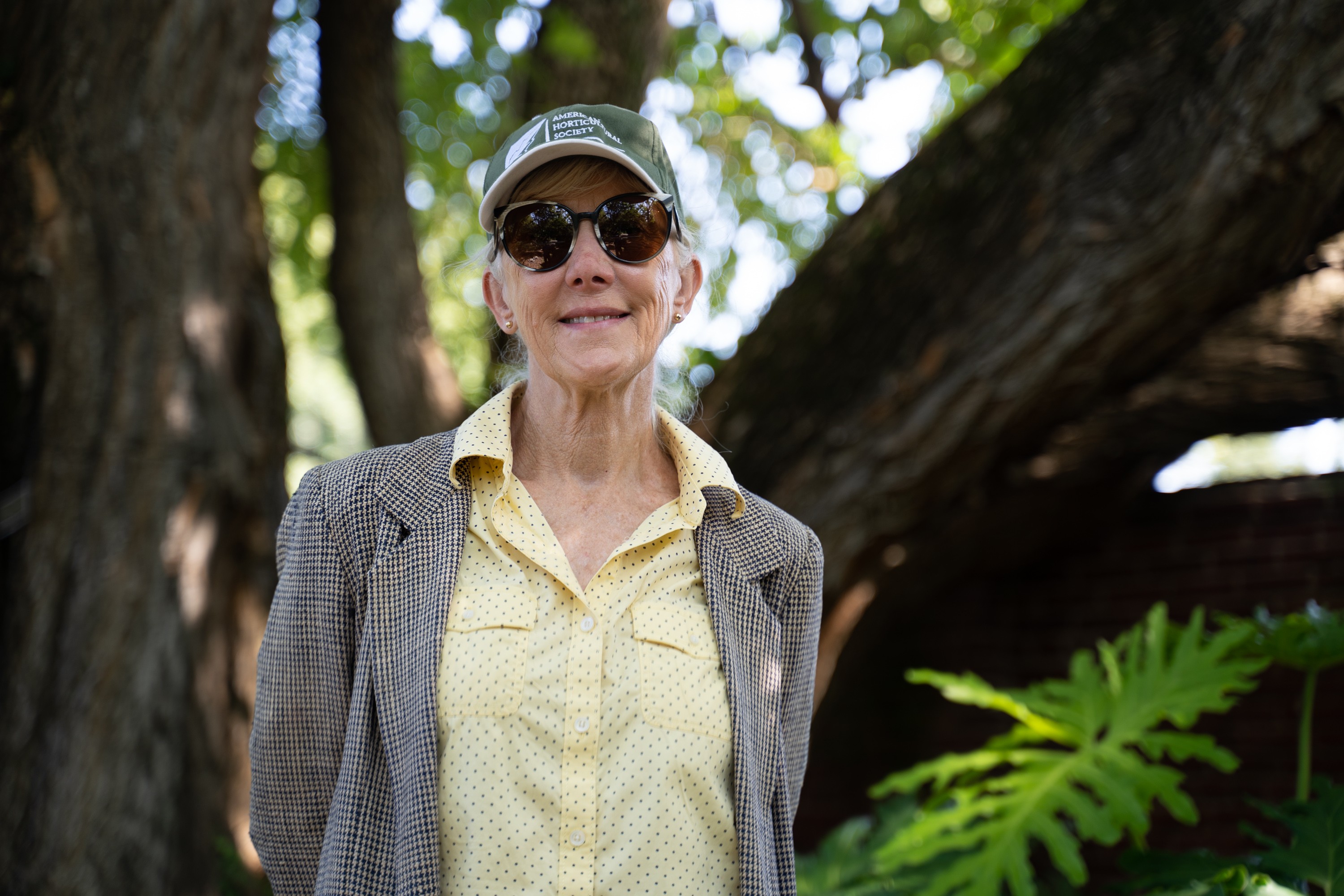
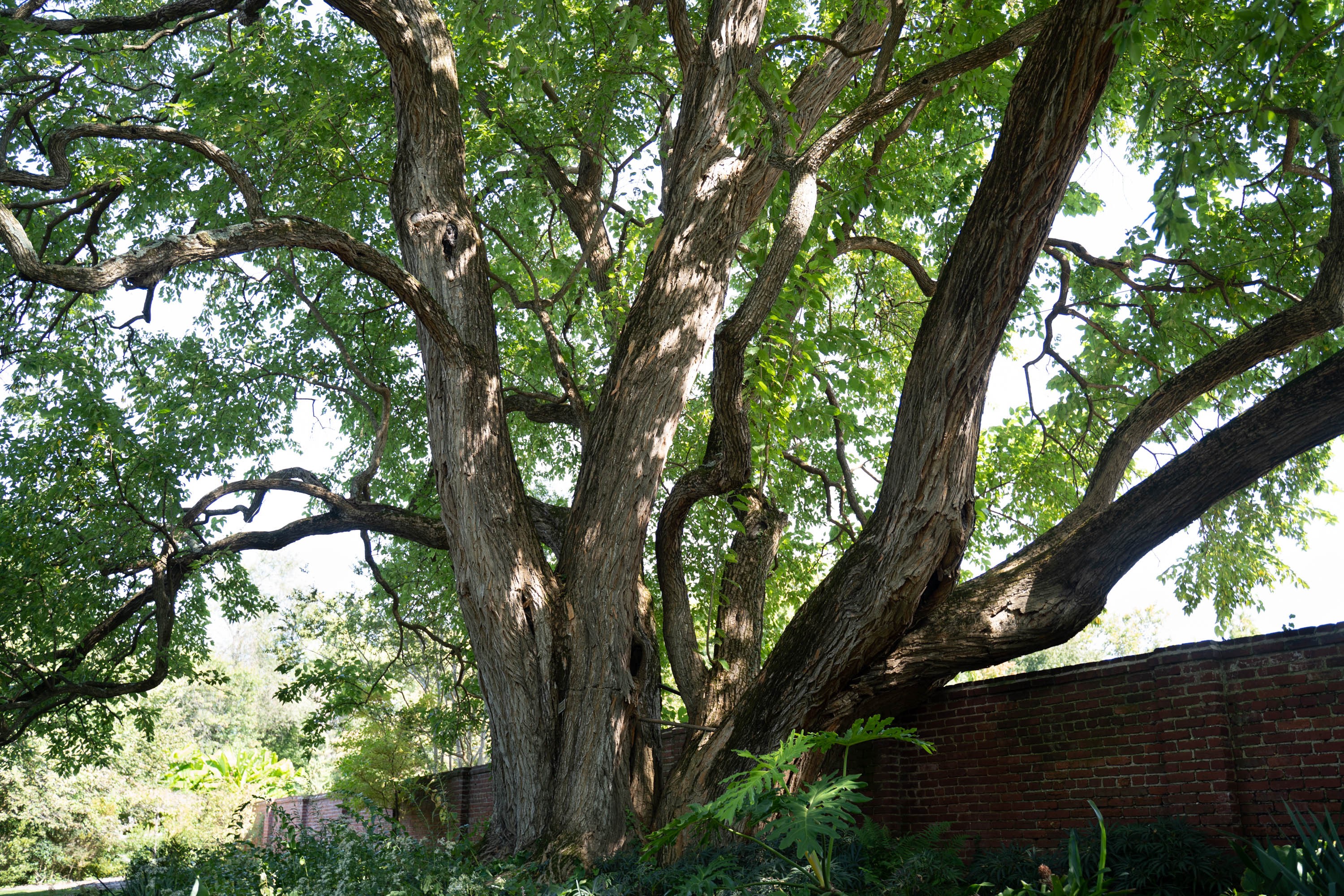
Katherine Ward is a longtime neighbor of River Farm. She started spending time there shortly after moving to the area in 1985, and has passed countless hours volunteering in the gardens. On a recent morning, she showed off some of her favorite spots. There’s the four acre riverfront meadow of native grasses and wildflowers, laced with narrow walking paths. There’s a massive Osage orange tree, thought to be a gift from Thomas Jefferson — a seedling sent back from the Lewis and Clark expedition.
“It’s magnificent and it’s quite old,” Ward says.
Ward is president of the Wellington Civic Association, which includes roughly 500 nearby households. She says a lot of neighbors were shocked to hear River Farm was going up for sale.
“It was like, you’ve got to be kidding me,” Ward says. “Having a development come here, it would be devastating if they tried to divide the property up and put multiple homes on it.”
A sale of River Farm wouldn’t necessarily bring development, but the land is zoned to allow up to two houses per acre. In an announcement about the possible sale, AHS said it was important that any buyer “respects the surrounding neighborhoods as well as the conservation and historical value of the property.”
Another volunteer, Anne Fafara, drafted a letter to the AHS board of directors, asking them to stop the sale of River Farm. “Quite simply, each one of us has a true love for River Farm and its gardens and wish for this historic property to remain an open, green space that is a resource for future generations,” she wrote. Twenty-four volunteers signed the letter.
State Sen. Scott Surovell, who represents the Fairfax area, started an online petition to put pressure on AHS to reconsider the sale, and gathered hundreds of signatures. He has a personal connection to the property — it’s where he got married.

“When my wife saw River Farm and the view there, she just said, ‘This is where we’re getting married.’ You know, it was the perfect choice,” Surovell says.
One reason people are so worried about the future of River Farm, says Surovell, is because of what happened recently with another historic riverside property — the Collingwood mansion, about a quarter mile to the south.
“The house was leveled about six months ago, and that was also an historic property,” Surovell says. “The memories of the loss of that property in our community are very fresh in everybody’s minds.” (Surovell had a personal connection to Collingwood as well: It’s where he had his high school junior prom.)
River Farm was once up for sale before, and under threat. In 1971, in the middle of the Cold War, the property’s longtime private owner was about to sell it to the Soviet Embassy. The Soviets planned to use George Washington’s old farm as a staff retreat. Philanthropist Enid Haupt stepped in to help prevent the sale. (You might recognize her name from the Haupt Garden, outside the Smithsonian Castle on the National Mall.) She was a wealthy publisher and she loved plants and nature. Haupt gave $1 million to the American Horticultural Society to purchase River Farm. The grounds opened to the public in 1973.
Now, there may be a buyer who will keep it open to the public.
NOVA Parks, the regional parks authority for Northern Virginia, and the Fairfax County Park Authority have recently begun talks with AHS about possibly making an offer on the property.
“It’s very early and there is no agreement anywhere yet,” says Paul Gilbert, the executive director of NOVA Parks. “There’s an open line of dialog and we’re trying to find the path forward to see if we can have this land preserved for the long term and open to the public.”
River Farm neighbor Katherine Ward says she hopes the land is preserved — there’s nowhere else like it on this stretch of the Potomac.
“It’s the only large piece of land left. I mean, Mt. Vernon is there. That was George’s. But this is the only one left that is open to the public for free.”