 Eliza Tebo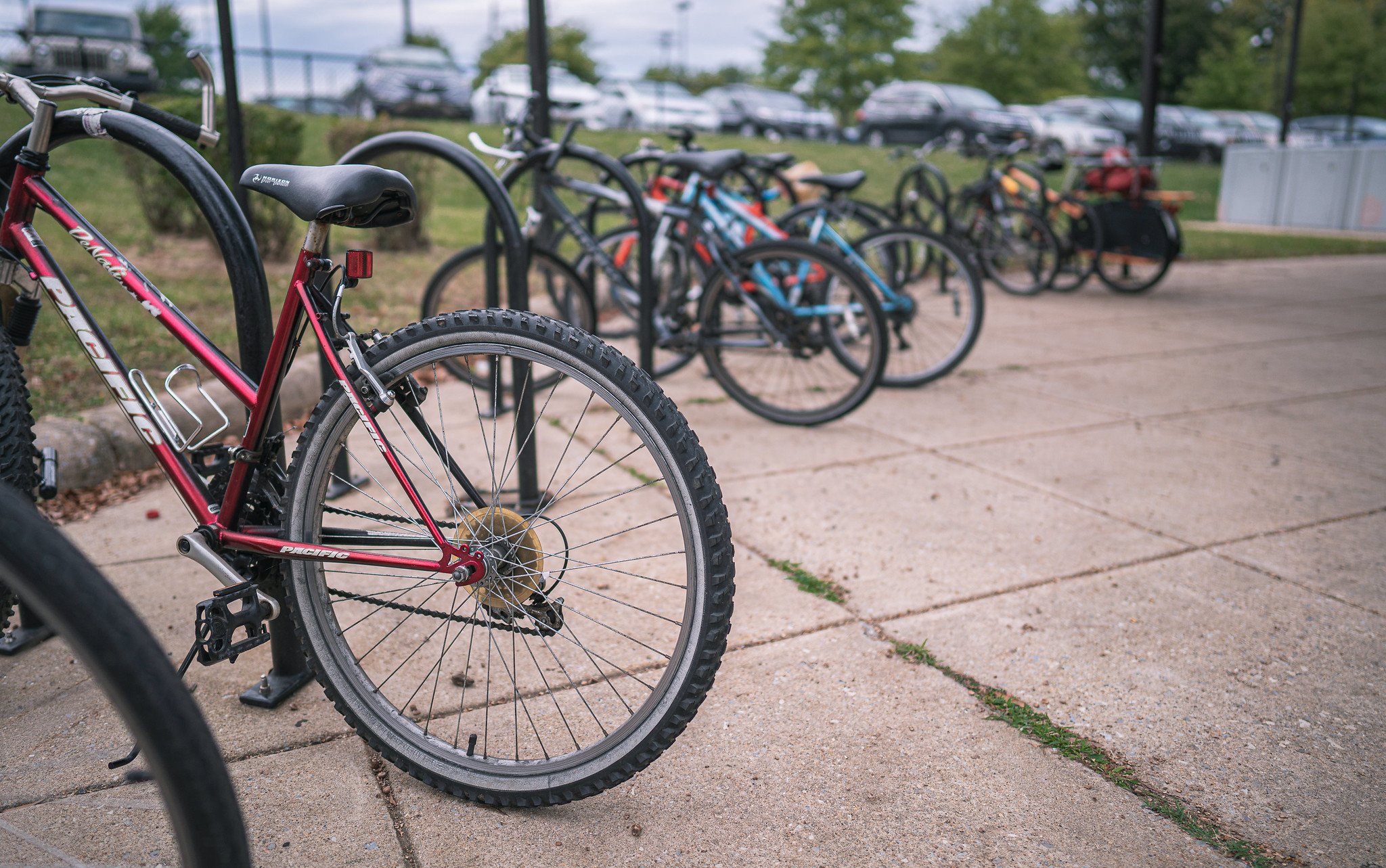
Metro has doled out close to $6 million to construct three D.C.-area bike parking facilities — roughly $19,400 per parking space — according to a new report.
The study, conducted by WMATA’s Office of Inspector General, reviewed projects providing 304 parking spaces at three Metro stations: Vienna/Fairfax-GMU, East Falls Church and College Park. All were part of an initiative begun nearly a decade ago to promote the use of bicycles to and from Metro stations.
The first facility, College Park, opened in 2012, with the remaining facilities slated to open in 2015. Yet due to “contractor mistakes,” “inadequate program/contract management practices” and litigation, the Falls Church facility didn’t open till August 2020 and Vienna is still in the works, after five years of construction.
“OIG’s review identified, for EFC and Vienna, a lack of project coordination and weaknesses in contract awards, contract oversight, record retention, and communications, including significant project schedule delays and additional costs,” the report states.
The study was conducted after the Metro watchdog received inquiries about the project’s progress from both the public and the Senate Subcommittee on Federal Spending Oversight and Emergency Management, according to the report. The study also lists issues beyond the cost and delay of the project, including that WMATA did not provide up-to-date information to the public on the status of the projects and that financial documents were “not in compliance with appropriate record retention requirements.”
WMATA did not immediately respond to a request for comment.
As a component of its 2012-2017 Capital Improvement Plan, WMATA designated $1.6 million for bike facilities known as “bike & ride centers.” It was part of a $6.6 million package for a series of improvements pertaining to bike and pedestrian accessibility. The initial contract for the three projects totaled about $1.8 million, the OIG report states. But after the College Park facility was completed, the remaining centers experienced “significant delays” and incurred additional costs in the millions.
“The construction of EFC and Vienna encountered numerous construction and payment challenges,” the report says, adding that the original contractor and WMATA opted to terminate the contract in late 2016. “Documentation relating to the EFC and Vienna contract files were either incomplete or not available for OIG to review to understand the final settlement with Contractor 1. As a result, OIG could not determine the extent of the challenges or the amount that WMATA had agreed to pay for the incomplete work.”
A second contractor was then hired in 2017 and 2018 to complete the work, some of which “had to be redone,” with new contracts totaling nearly $2.5 million. Related expenses, such as site plan development and a software upgrade for the facilities, total another $2.7 million, according to the report. Thus far, $5.9 million of the estimated total cost of the projects, nearly $7 million, has been paid, the report says.
OIG had several recommendations in the report, including items that address specific issues at the three sites as well as general practices for future bike & ride projects:
- Improving the “effectiveness and efficiency” of the program and finding ways to cut costs with future stations.
- Telling staff to “review current processes for future contracts” regarding how WMATA “is paying and verifying receipt” of materials.
- Creating communication plans for updating the public on construction progress with future facilities.
In the study, OIG asks WMATA General Manager Paul Wiedefeld to respond to the recommendations by Oct. 30.