Ally Schweitzer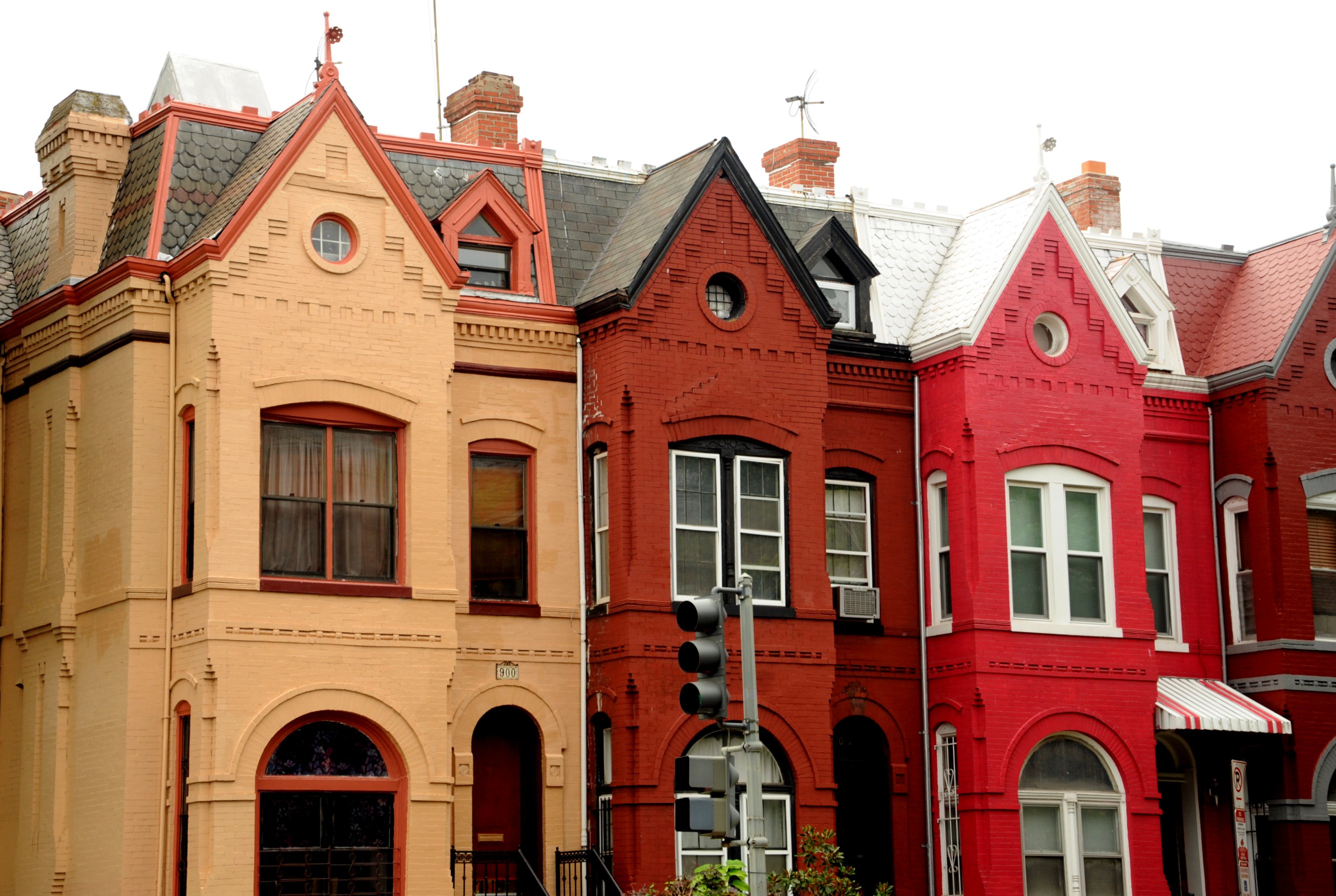
Lawmakers in D.C. have passed a series of measures to help renters during the pandemic. But some mom-and-pop landlords wonder whether the city will do the same for them.
One woman who oversees two properties her parents purchased in D.C. in the 1980s says the city’s eviction ban is forcing her family into an untenable position. Since before the pandemic, they’ve sought to remove a tenant who owes more than $10,000 in rent dating back to last year, court records show. But their case ground to a halt when courts stopped holding eviction hearings mid-March.
“Now we’re just hanging in limbo,” the woman says.
She says her parents, who are Black, sought to build generational wealth for their family by investing in real estate. But she says her 77-year-old widowed mother is now tapping her retirement savings to support both herself and her tenant. (The woman requested anonymity because she’s engaged in a contentious legal battle with the renter.)
“My mom’s not some large property owner,” she says. “It’s not like she has some huge reserve stored up from rental income.”
Now the woman says her family is considering selling, but she fears that doing so would contribute to gentrification in the District. “You’re placed in the position of having to consider, do you hold onto the property or do you allow one of these developer sharks to come in and buy it?” she says. “It’s just squeezing out the middle of the city.”
Her experience is echoed by other landlords who own one or a few housing units in the city and say D.C. has failed to protect them from economic uncertainty during the health crisis. Some say they’re unable to evict tenants who have longstanding issues predating the pandemic. Some are considering selling, even if it means putting more single-family homes and small buildings into the hands of house flippers and condo developers.
And while some D.C. Council members say stable housing is a public health priority, many small landlords say lawmakers don’t prioritize their role in providing it.
“The narrative is to punish the landlord,” says a small-time D.C. real estate investor who requested anonymity to avoid backlash from tenant advocates. “It just feels like, ‘Suck it up. Figure it out.’ I don’t think they recognize that landlords have to eat, too.”
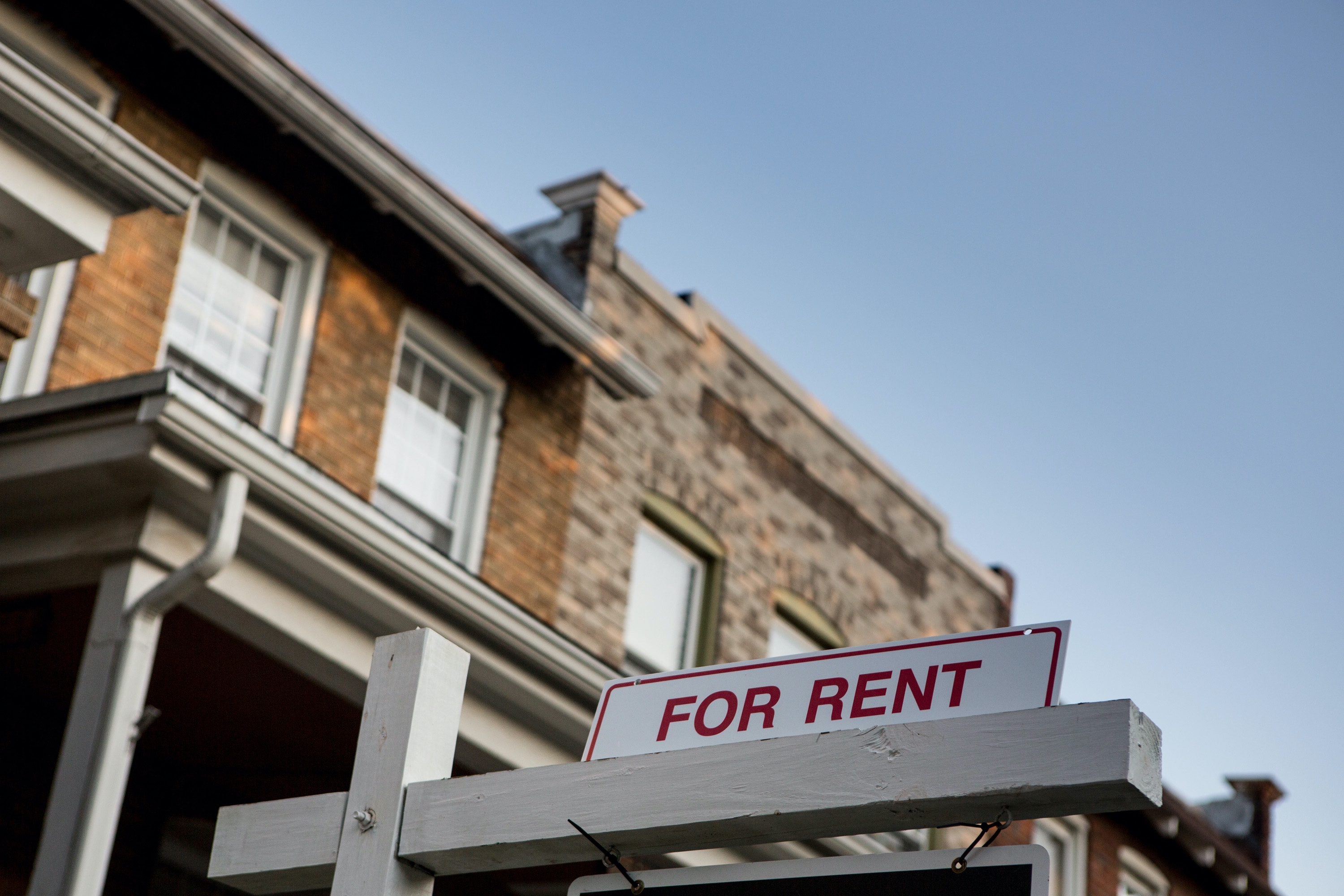
Emilie Fairbanks, an attorney who represents landlords in D.C. and Maryland, says small owners need more help than the big players do. Unlike companies that own major apartment complexes, mom-and-pop landlords don’t have large portfolios that buffer them from economic shocks. And while it’s clear that renters need help, the attorney says, D.C.’s recent tenant-focused legislation overlooks a group of landlords who own as much as a third of the city’s rental housing stock — much of it more affordable than the rest of the market.
“There are small landlords who are, at this point, in very dire straits,” Fairbanks says, “and the District hasn’t offered a lot of relief for them.”
The city has allocated about $14 million to help tenants pay rent, but residents have been slow to apply for funds. One reason could be that renters are already protected from legal eviction in D.C., the city’s housing director said last month. The D.C. Council banned all evictions early in the COVID-19 outbreak, and went on to prohibit rent increases and require landlords to offer alternative payment plans to tenants who have lost their jobs.
Fairbanks says all of these measures uniquely burden mom-and-pop landlords, many of whom are retirees, middle-class Black Washingtonians, low-income housing providers and working people who inherited property from family.
“These are not the people who D.C. thinks of when they think of landlords,” Fairbanks says.
Large, professionally managed apartment buildings are the most visible source of the city’s rental housing. But in the District, one third of rental stock exists in what’s called the “shadow” rental market, according to the D.C. Policy Center, a business-backed think tank. These single-family homes, rented condominiums, and investment properties are often owned by individuals or small businesses, not large companies. And many are priced lower than professionally managed apartments, says Christopher Leinberger, chair of the Center for Real Estate and Urban Analysis at the George Washington University School of Business.
“Small landlords are probably the bulk of the affordable housing in D.C.,” Leinberger says. “They end up getting to know their tenants over time. And they don’t keep their rents at the current market value, because they don’t want to lose their tenants.”
Yet D.C. landlord-tenant policy tends to focus on big landlords, economist Yesim Sayin Taylor wrote in a 2020 report for the D.C. Policy Center. Over time, she suggested, that could run some small housing providers out of the city.
“A substantive part of the District’s rental housing is dependent upon the willingness on the part of smaller landlords to keep their units in the rental market,” Taylor wrote. “A broader rental housing policy that recognizes the importance of these smaller landlords in expanding the city’s housing supply would be a step in the right direction.”
Some landlords say the pandemic has brought to light how urgently policy changes are needed. A Maryland resident who has leased his childhood home in D.C. to low-income tenants for 10 years says he warns friends and associates against investing in rental properties in D.C. He says the city’s laws and housing codes are tough on landlords in normal times, and new COVID-19 regulations make them even tougher.
“In D.C., there’s this notion that if you’re a landlord, you have a money tree in your backyard,” he says.
The Marylander — who is represented by Emilie Fairbanks — says his current tenants have violated their lease multiple times over a period of three years. Fairbanks says they notified the tenants in February that they planned to file an eviction case. But they couldn’t schedule a hearing after D.C. Superior Court suspended proceedings in March. Now the landlord expects his tenants to occupy the property for many months to come. (The landlord asked to withhold his name to avoid creating more friction with his tenants.)
Across the country, landlords and their representatives have filed at least 26 lawsuits against eviction bans on the state and federal level this year, according to the Associated Press. D.C.’s eviction ban is also under scrutiny. In September, landlord attorneys argued before a D.C. Superior Court judge that owners should be able to initiate evictions against tenants who have had longstanding problems unrelated to the pandemic. The court has yet to issue a ruling, to the frustration of landlords and their attorneys.
“When people are throwing parties and keeping up neighbors at all hours of the night, ordinarily the remedy would be to issue [an eviction] notice and bring the matter to court,” says Aaron Sokolow, a lawyer who represents property owners in D.C. “But now the small landlords have zero ability to seek any cure.”
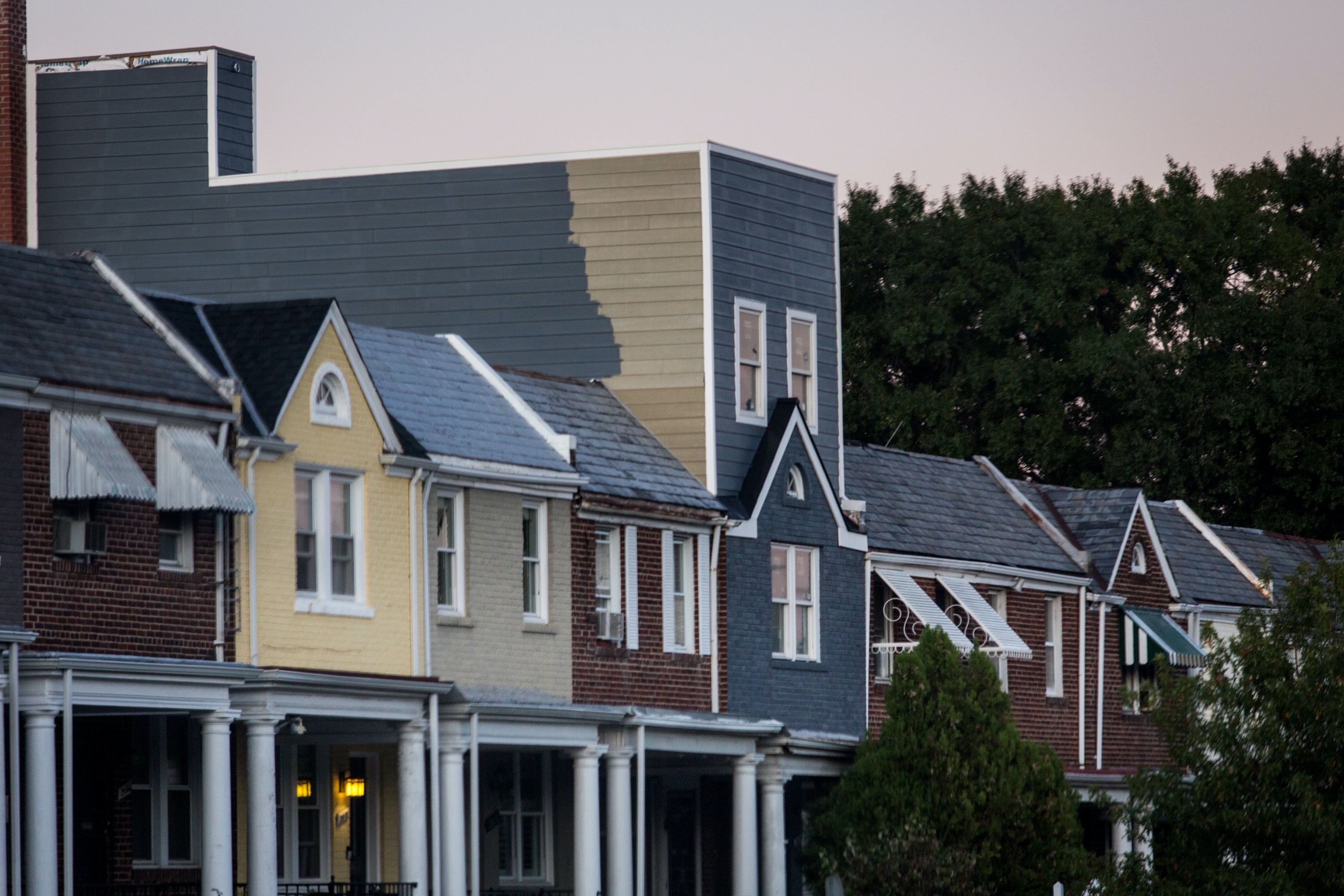
As challenging as circumstances have been for landlords, however, sponsors of recent tenant-friendly legislation say their priority is keeping D.C. residents stably housed during the pandemic.
“What we need to do is make sure that during this public health crisis, number one, we keep the focus on public health, and an important part of that is keeping people in their homes,” says At-Large D.C. Councilmember Elissa Silverman, who sponsored legislation prohibiting landlords from sending eviction notices while the city is under a state of emergency.
Silverman says landlords who are worried about mounting expenses can seek mortgage forbearance from their lenders and help unemployed tenants take advantage of the District’s various rental assistance programs. But she acknowledges that the District is facing its own budget challenges.
It would cost the city more than $5 million a month to cover rent for tenants at high risk of losing their homes, according to the Brookings Institution. Further relief is needed from Congress, Silverman says, but Democrats and Republicans remain deadlocked over a second coronavirus aid package.
“I am hoping that we will have additional resources from the federal government soon. If not, we are going to have to make difficult choices,” Silverman says. “But I will prioritize the choice of keeping people safe, keeping people in their homes and making sure that we preserve our affordable housing.”
D.C. renters were in trouble well before the virus began to spread, data show. In a city where nearly 60% of residents rent their homes, almost one in four renter households spend more than half their income on rent, according to American Community Survey data from the Census Bureau. Low-income households also face a higher risk of eviction than other households. A recent report from Georgetown University shows residents east of the Anacostia River, where poverty is highest, are much more likely than other residents to face eviction.
D.C. residents are also vulnerable to unlawful evictions, which take place whether or not courts are hearing new cases. Advocates for low-income renters say they’re fielding more phone calls from residents experiencing illegal lockouts and harassment from landlords eager to collect missing rent payments. A 34-year-old immigrant from Honduras, who lost his job at a D.C. restaurant in March, told WAMU/DCist he’s now sleeping at a friend’s house after his landlord illegally locked him out in June.
But Christopher Leinberger at George Washington University says increased pressure on small landlords could have negative long-term effects on the city’s overall affordability.
The pandemic may prompt some small landlords to sell their property to the highest bidder, transforming relatively affordable homes into luxury housing, the professor says. As cities including D.C. have gentrified, he says, older, single-family homes that were broken up into apartments have been converted back into homes for high-income residents, taking affordably priced housing off the market.
“These townhouses that would have had eight, 10 people living in them become two- to four-person townhouses,” Leinberger says.
That could be a setback to D.C. Mayor Muriel Bowser’s ambitious goal to create 36,000 additional homes in the city by 2025.
As the pandemic trudges into its eighth month, D.C. landlord attorney Richard Bianco says he’s advised his clients to be as flexible as they can with tenants who have fallen behind on the rent. Apart from a few bad actors, he says, most renters want to pay; they just can’t.
“I always preach to my [landlord] clients, get what you can,” he says. “Try to come to some kind of an arrangement with them, where they are paying you something. Don’t demand everything if they can’t get blood from a stone.”
Bianco says landlords have been hesitant to publicly condemn the eviction moratorium and other tenant relief measures. Doing so could backfire during the pandemic. “They don’t want to be the guy in the paper who is the evil landlord trying to evict this hardworking, well-intentioned tenant,” he says.
But the woman whose aging mother is owed more than $10,000 in rent says that doesn’t describe the difficult situation her family is in.
“I certainly don’t want to see anybody kicked out of their homes in the midst of a pandemic,” she says. “But at the same time, I have to think about my mom.”