 Mikaela Lefrak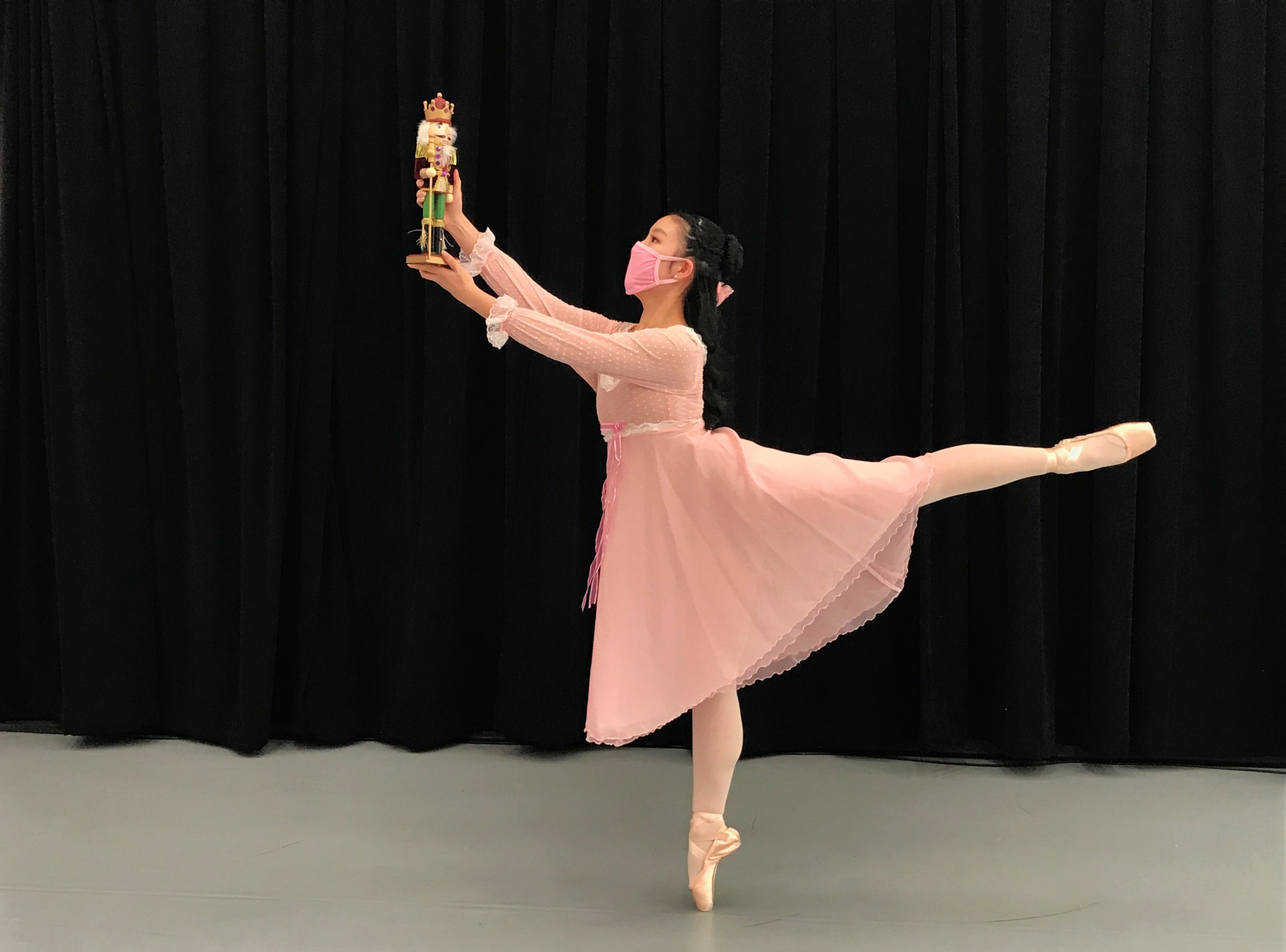
By the time the weather turns crisp and cold, sugar plum fairies and ghosts of Christmases past, present and future are usually deep into rehearsals for performances The Nutcracker, A Christmas Carol, and other holiday classics.
But this year, the COVID-19 Grinch stole Christmas. Arts organizations have had to cancel or reimagine their blockbuster holiday shows due to the pandemic, dealing a heavy blow to their bottom lines and to the communities that rely on them for holiday cheer.
Ford’s Theatre usually sells around 30,000 tickets for its annual production of A Christmas Carol, the Charles Dickens classic. Those ticket sales generate around $2.5 million for the mid-sized theater — around 20% of its total budget.
“We were desperately trying to figure out, how do we hold onto that?” says Paul Tetreault, the theater’s director. November and December are often the make-or-break fundraising months for arts organizations, but Tetreault knew he couldn’t ask Scrooge to perform indoors while COVID-19 case numbers were on the rise.

Instead, the theater decided to create an hour-long radio version of “A Christmas Carol,” which will air on WAMU on Christmas Day. (DCist is owned by WAMU.) Tetreault was able to hire back all the actors he had cast and pay them a salary, albeit at a fraction of their original rates.
Budget cuts at theaters large and small are having a dramatic effect on the region’s arts economy. Ford’s payroll has plummeted from $9.8 million in 2019 to $3.8 million in 2020 so far. “That’s a drop of $6 million in compensation for artists, technicians, artisans, administrative [staff], across the board — and that’s just Ford’s Theatre,” Tetreault says.
The same is true for the city’s performing arts behemoth, the Kennedy Center. It usually presents an overflowing cornucopia of holiday programming in November and December. Its 2019 holiday slate included more than 50 shows, from A Hanukkah Show to Merry Tubachristmas (which is exactly what it sounds like).
This year the venue will hold just one in-person holiday show: a jazz piano concert in its opera house. That performance alone is a Christmas miracle: The Kennedy Center is one of only six performance venues allowed to host indoor performances as part of the city’s live entertainment pilot program.
The Kennedy Center estimates revenue losses in excess of $80 million for the 2020-2021 season overall, according to a spokesperson. They haven’t isolated how much revenue they’ll lose from holiday performances in particular.
Meanwhile, smaller companies are determined to present that most classic of holiday shows, The Nutcracker, in some digital form or another to bring in at least a semblance of end-of-year revenue.
Instructors at the Maryland Youth Ballet in Silver Spring gamed out a Nutcracker plan for its students. They decided to film a video version of the ballet, rename it The Nutcracker Storybook, and make it available to rent or buy for $10-$20. About 80% of its pre-pandemic cohort signed up to participate in the show.
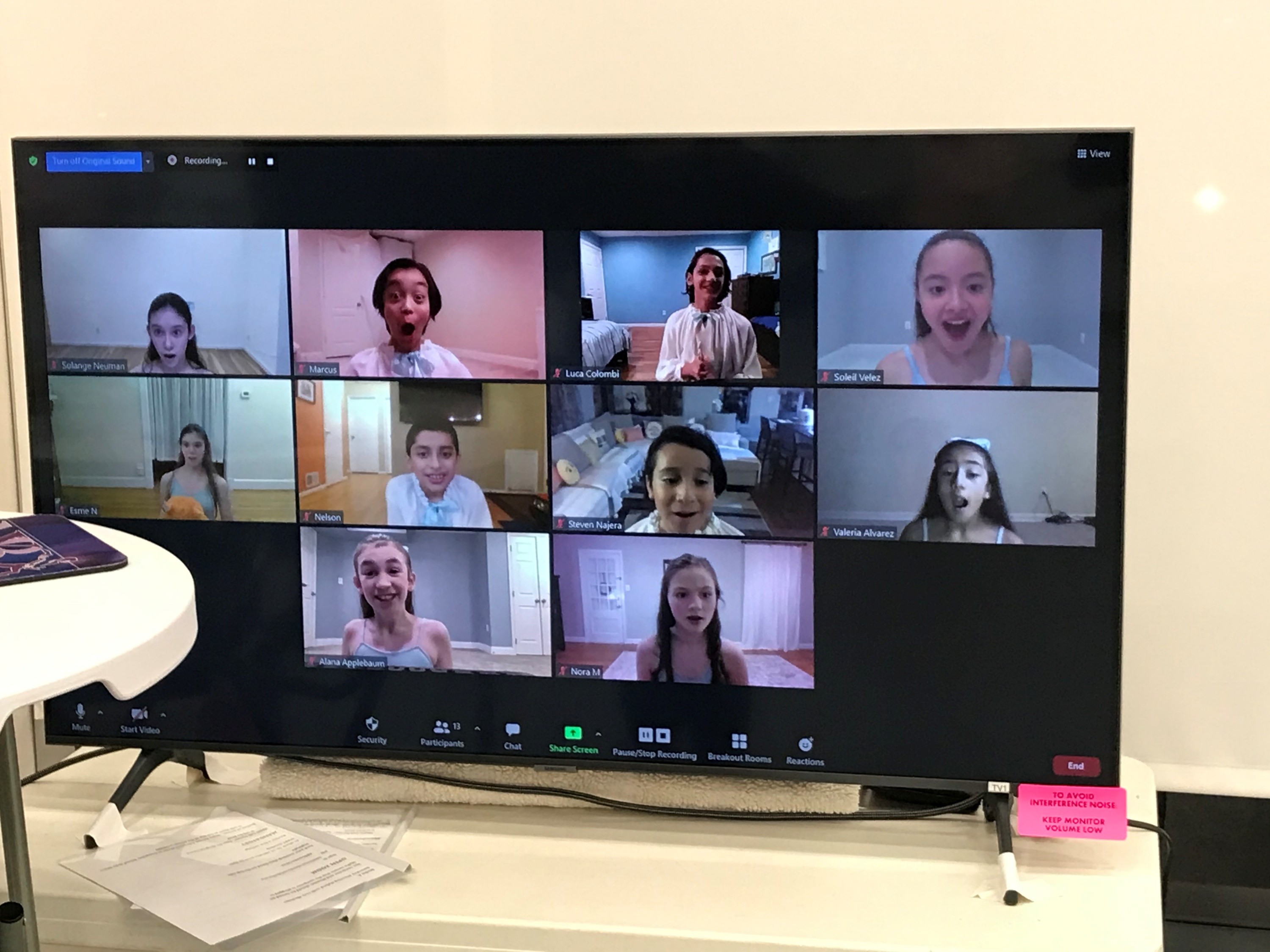
COVID-safe rehearsals proved to be a surmountable challenge. Teachers taped off 10-foot squares on the floors of their dance studios — one mask-wearing student per square. Dancers were allowed to join by Zoom if they preferred.
“We’ve reimagined it so that nobody gets close together,” says principal Deidre Byrne. “For example, I choreographed the snowflakes, and they never leave their boxes.”
Byrne is thrilled the show will go on for the young dancers. But she also knows the virtual performance won’t bring in anywhere close to the $130,000 the company typically nets from Nutcracker ticket sales. “It is a huge financial hit for us,” she says. “I try and stay focused on all the work ahead of me and do the best that we can, but it’s devastating.”
Byrne gets choked up when she thinks about the increasing uncertainty of the 50-year-old company’s post-pandemic future. They had to furlough most of their part-time teachers early on in the pandemic, and the rest of the staff took pay cuts.
“We’re a tight group, and we are determined,” she says. “We are determined to survive this and be there on the other side.”
It’s a story shared by nearly every company and venue in town. Atlas Performing Arts Center on D.C.’s H Street corridor has essentially put itself into hibernation mode. It has no performances planned until September 2021, in large part because there aren’t enough employees left to run a show. The center’s full-time staff has gone from 16 down to seven due to pandemic layoffs. Executive director Douglas Yeuell says he also decided to shut off part of the building to save on utilities.
Atlas normally partners with the local stepping company Step Afrika! for a run of holiday performances. The ticket sales don’t account for a significant portion of their overall budget, Yeuell says, but he feels the loss acutely in terms of community building and long-term donor relations.
“It’s the goodwill, it’s the interactions, it’s the relationships you have by meeting and greeting people in the lobby,” he says. “And so much of [Step Afrika!’s] performance is about the audience and children’s participation in that event.”
With a full return to in-person performances becoming an increasingly distant dream, some arts leaders say the only way their companies will survive is if the federal government steps in.
Atlas and Ford’s Theatre have joined Stand For The Arts, a coalition of more than 60 arts organizations lobbying for federal relief for arts workers and organizations. Their list of demands includes passage of the DAWN Act, which would allocate more than $43 billion in emergency funding to theaters, museums, galleries, and performance venues. They also want Congress to subsidize healthcare costs and extend unemployment compensation for arts workers.
“The arts are such a trickle-down economic driver,” Tetreault says. “Congress needs to act.”
But even in this time of deep uncertainty, amateur artists keep stepping up to provide a much-needed dose of holiday cheer.
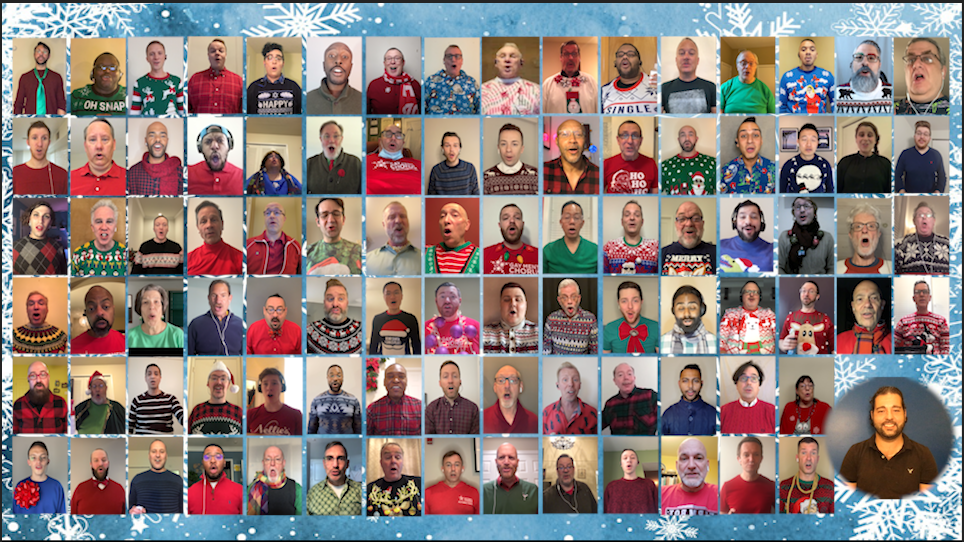
The ever-joyful Gay Men’s Chorus of Washington typically brings in about 10%-12% of its overall income from its annual holiday show. Last year’s tinsel-packed extravaganza at the Lincoln Theatre on U Street featured around 300 singers.
This year, the chorus will produce a video performance for people to buy and watch from the comfort — and safety — of their couches.
“We have some goofy, fun songs,” says Thea Kano, the chorus’s artistic director. “We have a couple sing-a-longs with the audience where we say, ‘Alright, this is your turn to sing with us.'”
She’s not sure people will actually participate, but she hopes they will. After all, no one can hear you singing off-key when you’re watching from home.