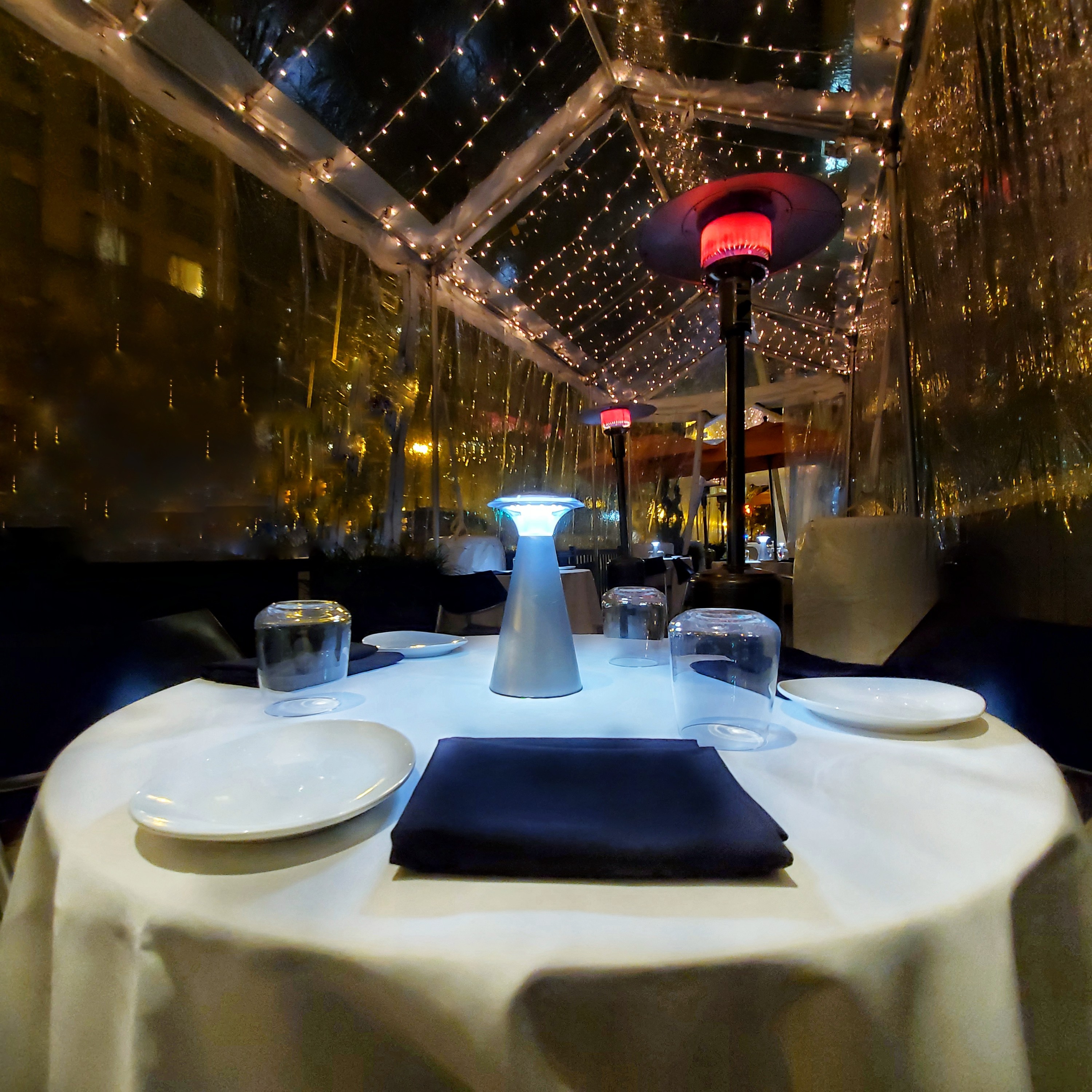
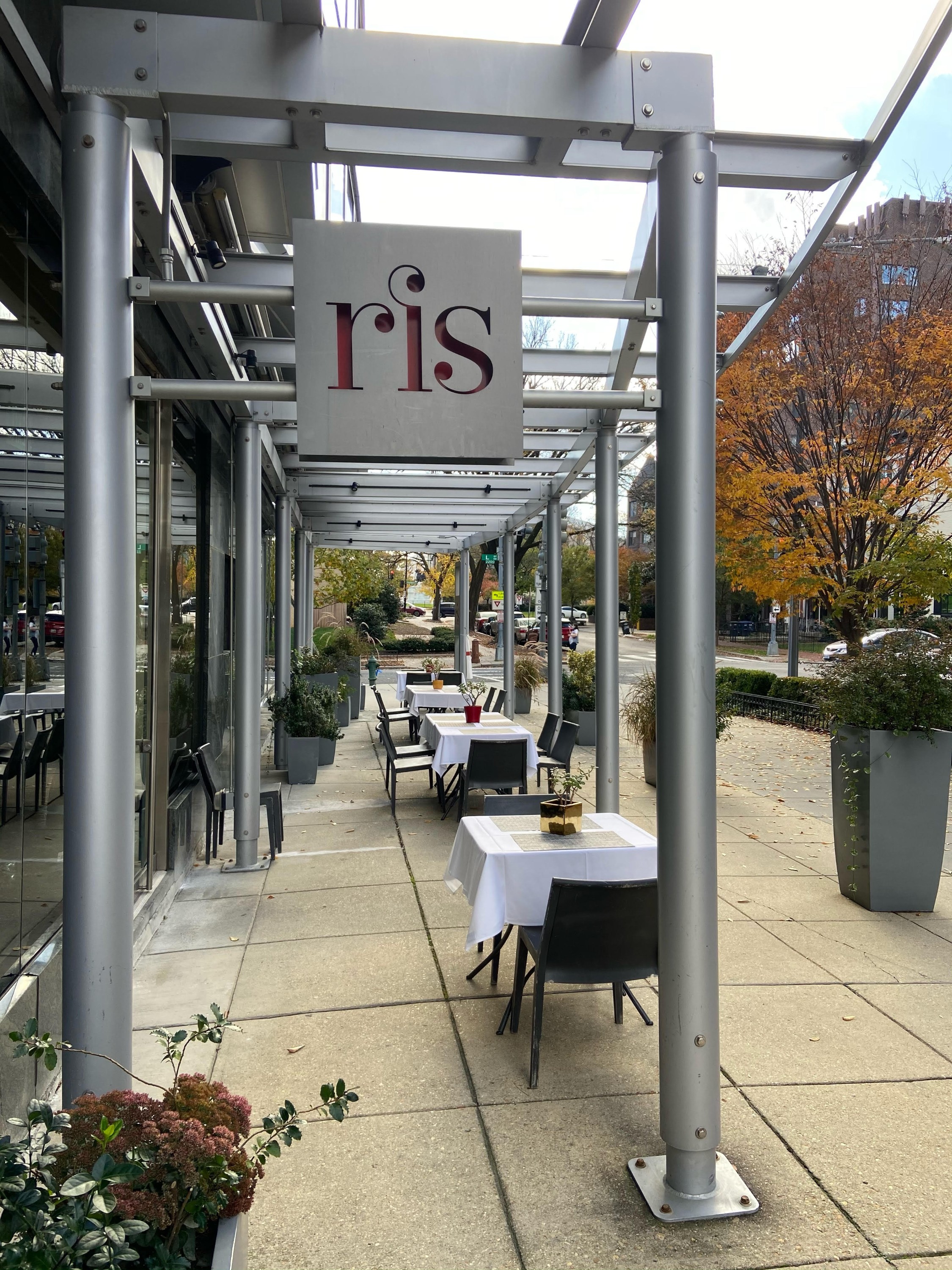
December is mere weeks away, and Ris Lacoste is concerned for her guests. “I hope they won’t need gloves to eat,” she says. Lacoste owns West End spot Ris, one of 428 restaurants that received a streatery grant from the D.C. government to winterize an outdoor dining space. She’s also the chef, and so naturally her thoughts are turning toward food as well.
This winter stands to devastate the restaurant business in the District, and owners and workers alike are worried. Adapting for the cold is a matter of survival. But making a patio comfortable in December is only part of the task of winterizing. Diners will want meals that warm their bellies, and restaurateurs are committed to maintaining as close to ideal serving temperatures as possible. Here are five ways eateries around the city are meeting the challenge. Some changes aren’t surprising (hot booze), but others are downright terrifying (no runny eggs).
1. Warm drinks aplenty
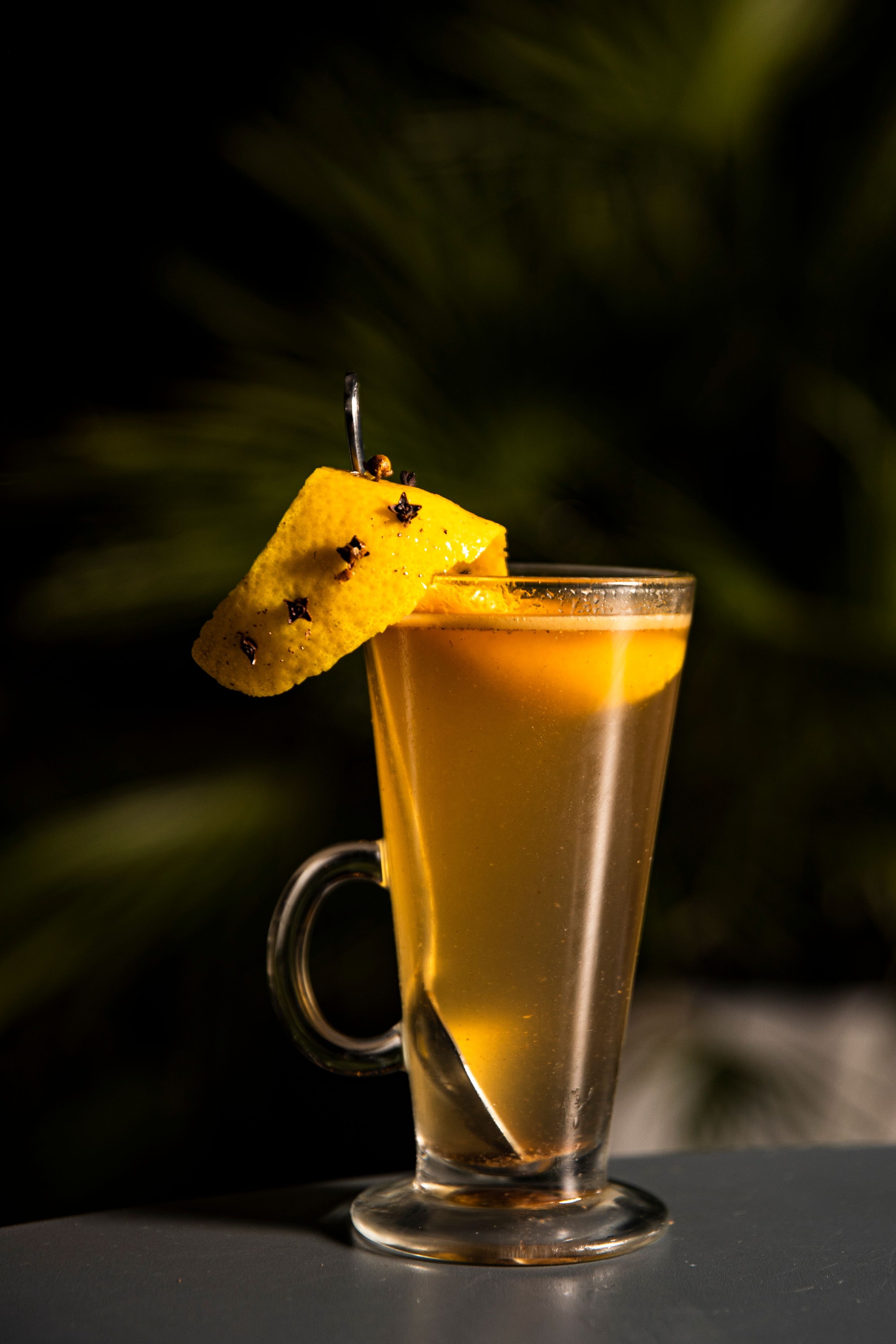
If piping-hot concoctions with every booze in the book aren’t enough to keep you toasty, at least they might make you forget that it’s chilly outside. At Truxton Inn, “We’ve got a whole page on the menu dedicated to hot cocktails,” says general manager Brian Nixon. That includes his grandfather’s recipe for a hot toddy with rosemary-infused honey. He’s planning a hot cocktail of the week for pickup and delivery. That incarnation of the toddy includes dehydrated lemon wheels studded with cloves, whiskey (of course), and detailed assembly instructions.
The flavors of the Caribbean at Bammy’s patio in Navy Yard call for rum more than for whiskey. A hot buttered Jamaican rum is coming to their menu, spiced with orange zest, grated nutmeg, cinnamon, allspice, and clove. A mulled wine is available both for outdoor dining and delivery or pickup.
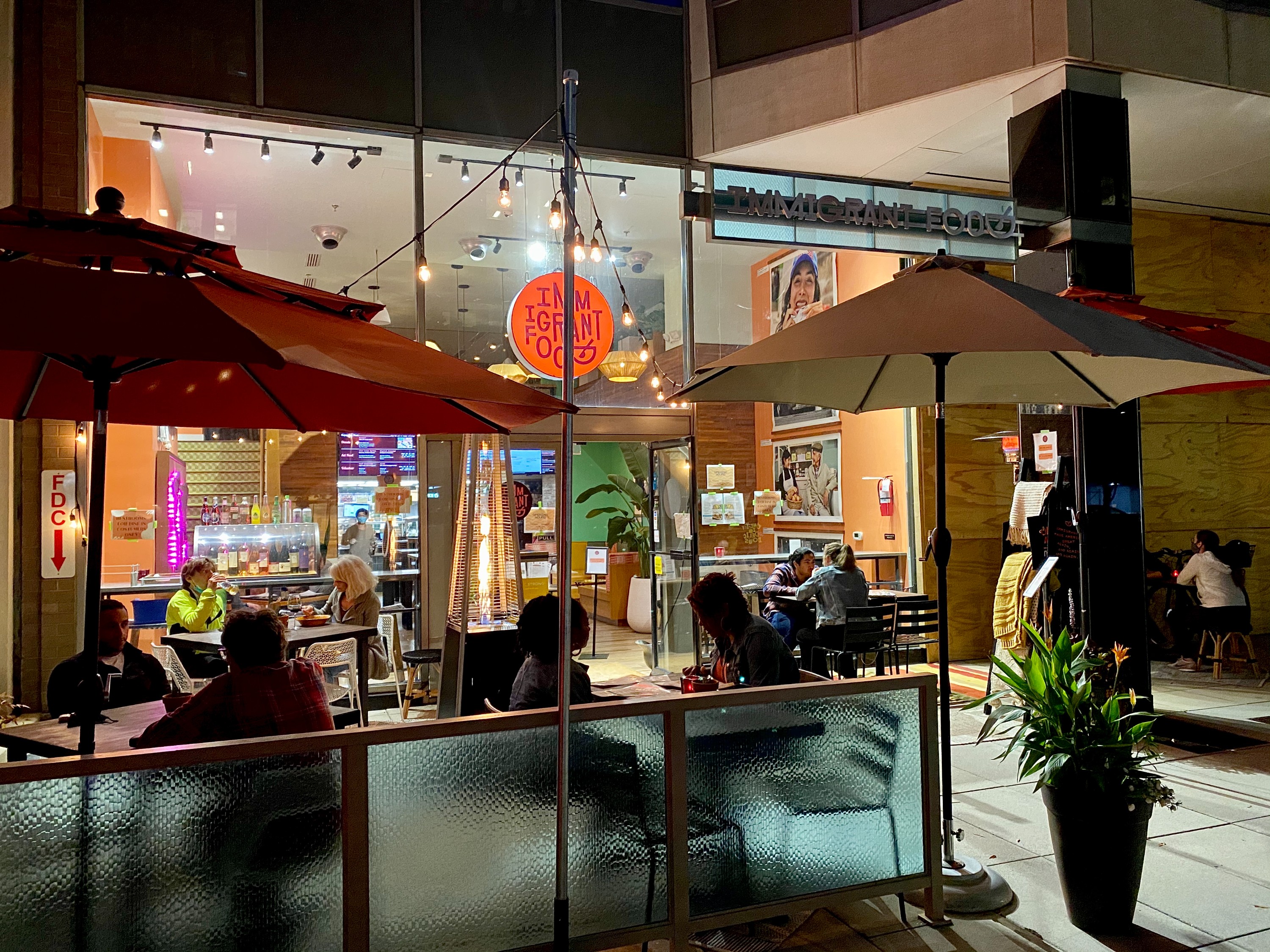
For when mezcal is the liquor of choice, among the hot offerings at the Roost food hall in South East Capitol Hill is the Hot Apple Bites Back, which features mezcal, applejack, and amaro. Or maybe you prefer caffeine to alcohol, in which case Immigrant Food downtown has winterized their popular vegan and sugar-free Café Calma, made with oat milk, dates, and Peruvian coffee.
2. Bring on the braised entrees.
It’s no surprise that diners order less salad when temperatures dip. Eateries that already specialize in stick-to-your-ribs cuisine aren’t doing much tinkering.
“We’re fortunate. We’re not having to reinvent ourselves to offer a hearty winter menu. A lot of my colleagues in this industry are facing much starker circumstances,” says Peter Young, general manager at Brookland spot Primrose, which takes cues from the classic French bistro. Beef bourguignon is shortly coming to Primrose’s menu. According to Young,“That’s the kind of thing that’s exactly perfect for wintertime.”
Provost on Rhode Island Avenue in Northeast draws inspiration from the cuisines of the South as well as the Caribbean, says owner Nina Gilchrist. Think cayenne pepper, jerk seasoning, and creole flavors. The restaurant used its streatery grant to purchase energy efficient electric heaters designed to warm large spaces. Between those and the style of the fare, “we feel confident we’ll be able to provide a warm environment,” Gilchrist says.
Other locations are making adjustments. Ambar Capitol Hill has updated the “slow cooked” section of its menu as roasted and braised dishes are suited to cold weather, says general manager Uros Jojic. The restaurant’s Sarma pork belly stuffed cabbage is oven-baked for eight hours.
At Chef José Andrés’ ThinkFoodGroup family of restaurants in Penn Quarter, once the temperature dips below 40 degrees, each guest will receive a complimentary cup of soup to keep them warm while they peruse the menu, according to Rick Billings, the group’s executive chef of global tapas. Each restaurant’s seasonal soup will reflect the flavors of its native cuisine.
Will guests flock to raw bars in the cold? On H Street Northeast, Brine co-owner and chef Aaron McGovern points out that his restaurant is “not just a traditional New England-style oyster bar.” He points to menu items such as the Low Country, a feast of a stew that’s not unlike traditional seafood boils from coastal South Carolina or Georgia. Clam chowder launched earlier this month, and he says oyster stew is next.
3. Tableside pours are coming.
At Ashok Bajaj’s Penn Quarter Italian concept, Modena, the rich lobster and fish bone broth in the Brodetto fisherman’s stew is a must-savor. General manager Brian McGahey says that servers will pour the broth tableside over a medley of warm seafood in order to get that perfect serving temperature.
At Ris, “We do have sauces on our meat dishes, and the server will replenish with additional hot sauce as needed halfway through the meal,” Lacoste says. Braised lamb shank and a licorice-braised short rib are currently both on the menu.
4. … So are servingware hacks
Mole negro is a winter favorite at Shaw’s Espita, says Kelly Phillips, assistant general manager and partner. But the dish’s accompanying tortillas need help to stay warm, so the restaurant serves them in a stoneware vessel with a lid.
Little tweaks can make a big difference, says Erik Bergman, director of operations for Neighborhood Restaurant Group. “Using deep bowls that retain heat better than a flat plate is a great way to serve in the cold weather,” he explains.
The heart of U Street-area’s Maydan is its open hearth. But patio guests don’t get a front-row seat to the roaring indoor fire, says chef Marcelle Afram. “It should feel like each step of the meal is fresh from our flames, which is why I’m working on how to serve dishes like our halloumi extra hot so that it cools down just enough to enjoy outside.”
5. Brunch favorites may be off the table.
“The real worry for us is our brunch service,” says Matt Crofcheck, owner of Dupont Circle’s Brick Lane Restaurant. “Our brunch is incredibly popular and is the main reason we have been able to weather the COVID storm so far.” But many brunch foods just don’t do well when temperatures dip. Runny egg yolks congeal, bacon and sausage sides don’t retain heat, and even pancakes and French toast could have texture changes that make them less appetizing in the cold.
“We are trying to come up with some new brunch or lunch dishes that are more cold weather friendly,” Crofcheck says, but he says that means his business incurs extra costs for kitchen trial and error as well as promotion.
The city has specified that streateries and parklets should not be used when the outside temperature is below 32 degrees Fahrenheit or during inclement weather. Still, 33 degrees isn’t exactly balmy. At Primrose, Young has already encountered bundled-up regulars on his patio during cold snaps. “We’re enormously thankful to people who are making the effort to support dining in when we know they could get delivery,” he says.
As for Ris, Lacoste’s team has made the decision not to serve outdoors when it’s any colder than 40 degrees for the comfort of her staff as well as her guests.
“Word has it we will have a mild winter, so let us pray,” she says.