Debbie Truong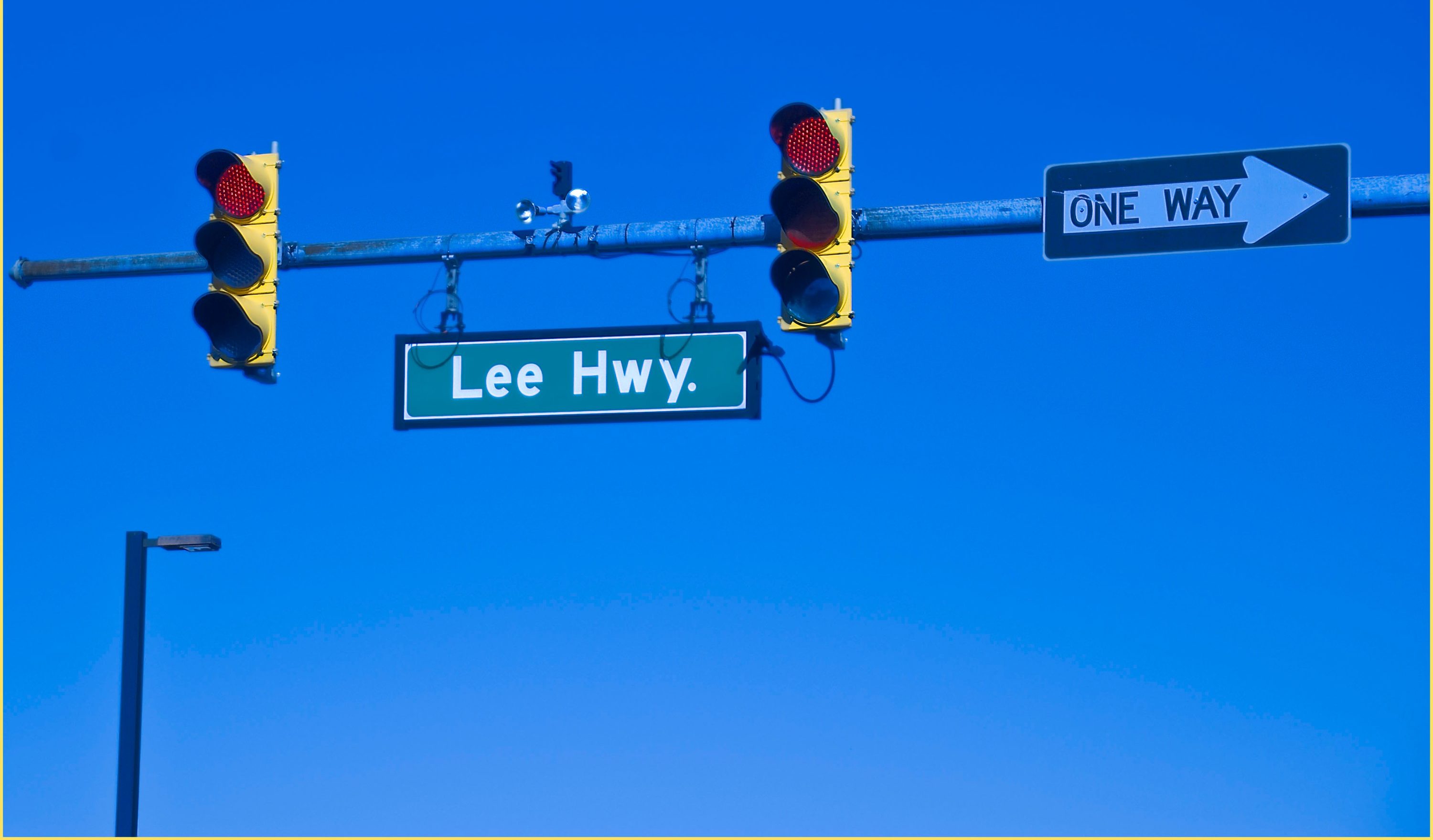
A major Arlington County thoroughfare that bears the name of a Confederate general could be renamed after the Virginia couple who successfully challenged a state law banning interracial marriage in the Supreme Court.
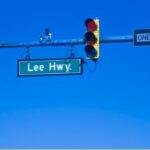
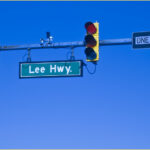
A working group responsible for helping rebrand the 4.6 mile stretch of Lee Highway — also known as U.S. Route 29 — that runs through Arlington voted Wednesday to recommend the Arlington County Board rename the roadway to Mildred & Richard Loving Avenue.
“It sends the message that we are a welcoming place for anyone who wants to live and work here,” said Ginger Brown, executive director of the Lee Highway Alliance, a coalition of civic associations, landowners, and businesses that created the working group.
The group is expected to bring the recommendation next week to the county board, which must then seek approval for the change from the Commonwealth Transportation Board or the Virginia General Assembly. The transportation board granted the county’s request to rename the portion of Jefferson Davis Highway in Arlington to Richmond Highway in 2019.
“We look forward to seeking authority from the state to change the name of this state highway within Arlington’s borders to something that will better reflect our community’s values,” said Libby Garvey, who chairs the Arlington County Board.
If the board does not support Mildred & Richard Loving Avenue, the group offered four alternatives: John M. Langston Boulevard, for an American abolitionist who was the first Black person elected to Congress from Virginia; Ella Baker Boulevard, for a civil rights pioneer born in Norfolk, Va., who mentored civil rights leaders; Dr. Edward T. Morton Avenue, after a Black physician who pushed for racial equality in the county and whose home and medical practice were located on Lee Highway; and Main Street, which the alliance said: “represents the diversity” of the community along the highway.
Spurred by the 2017 white nationalist rally in Charlottesville that turned deadly, and again by the police killings of George Floyd and Breonna Taylor this year, Arlington and communities across the country are taking a hard look at who public spaces are named after and what they represent.
Robert E. Lee’s ties to Arlington run deep. He lived for 30 years in the Arlington House, a residence that belonged to the family he married into. The home, which was turned into a memorial for Lee, is featured on the county symbol. His name has been affixed to public spaces across the Northern Virginia county, including the Lee Community Center.
Many residents and officials argue it is inappropriate to honor people who fought to preserve slavery or who supported segregation and other racist policies.
Discussions about renaming the highway in Arlington have been alive since 2016, when the Lee Highway Alliance first started exploring ways to revitalize the area. This summer, the organization assembled a group of 25 community members, including business owners and county officials, for the working group.
The alliance received 160 suggestions for names from the community, eventually narrowing the list to 20. Loving received the most support in a community survey and was a favorite among the working group, which voted Wednesday night for the change, Brown said.
Mildred Loving, who was Black and Native American, and Richard Loving, who was white, married in 1958 in Washington, where interracial marriage was legal. But they were jailed after returning home to Central Point, Va., for violating a state law designed to “preserve racial integrity.”
Nearly a decade later, on June 12, 1967, the Supreme Court struck down laws banning mixed-race marriages in 16 states, including Virginia. The court sided unanimously with the Lovings.