 Jordan Pascale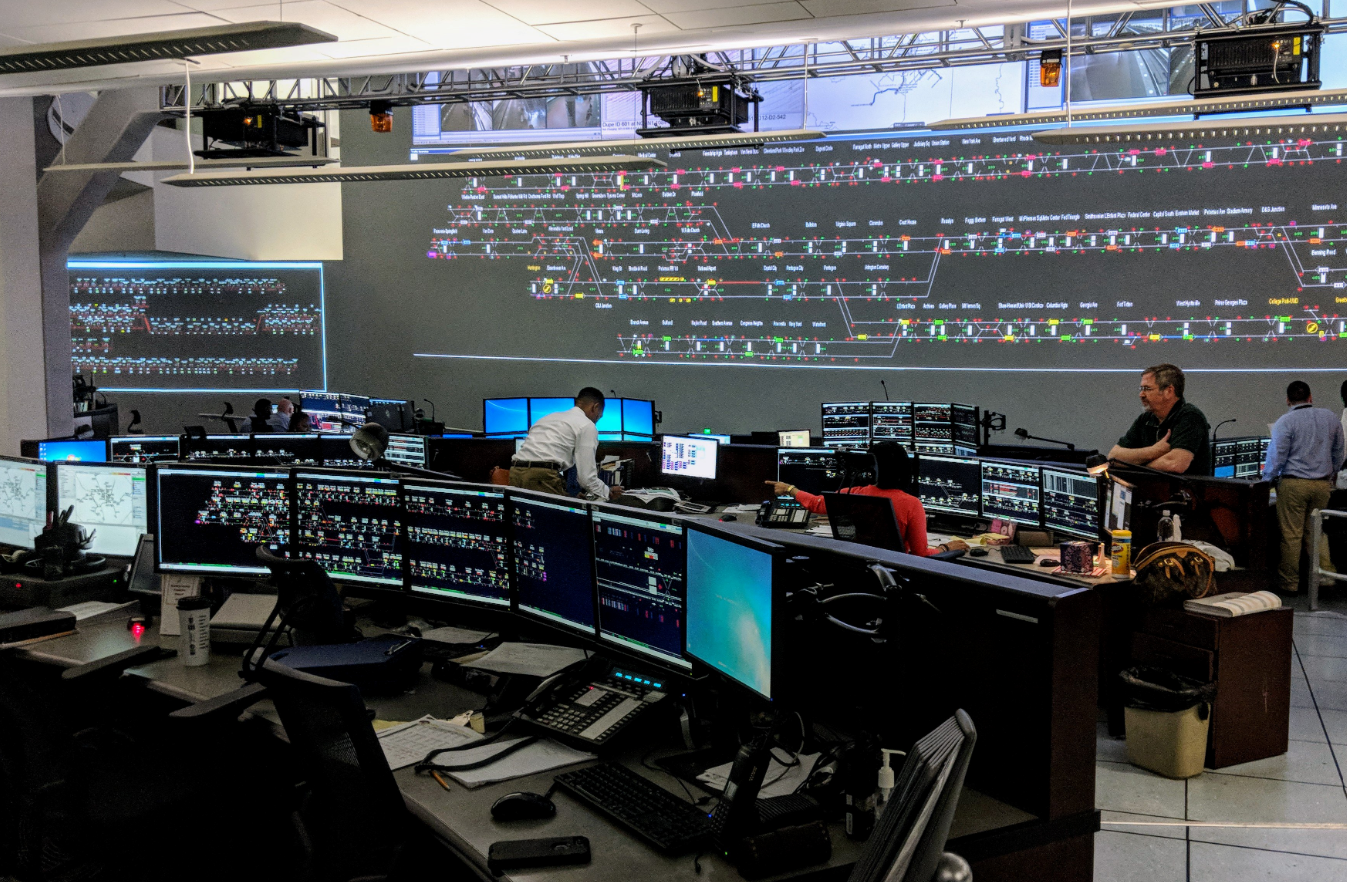
After the Washington Metrorail Safety Commission released a report in September detailing a “toxic” culture at Metro’s Rail Operations Control Center, Metro officials said they’d do an investigation of their own. Friday, Metro released the report from Littler Mendelson, the employment law firm they hired to do the investigation.
The law firm’s report calls accounts of racial discrimination, sexual harassment, and retaliation by senior rail officials “unsubstantiated,” Metro said in a press release. Littler’s report does confirm numerous findings from the WMSC report including that disrespectful and unprofessional conduct is commonplace.
In a statement, WMSC CEO David Mayer said, “We appreciate the full corroboration of our audit report’s findings by WMATA’s memorandum.
“The WMSC stands by our thoroughly investigated and deeply researched Rail Operations Control Center audit report, which was based on detailed document reviews, audio and other data recordings, in-person and off-site interviews of 21 of 26 controllers and other reliable information.”
The law firm report concludes that “the work environment in the ROCC is demanding and can be daunting, but was not directly connected to Ms. Woodruff or Mr. Harris; rather it was the nature of the work.” They say complaints of unfair discipline, sexual harassment, racial discrimination, and a hostile work environment happened between peers and controllers and superintendents.
WMSC Chair Christopher Hart said Metro needs to address the toxic workplace culture in the ROCC as they’re “unacceptable safety risks.”
“We remain focused not on placing blame, but on ensuring that Metrorail makes the necessary changes to its safety practices and procedures to make the system safer for customers, workers and first responders,” Hart said.
The Rail Operations Control Center, known as the ROCC, is the nerve center of all rail operations and is responsible for the safety and management of train movements.
Metro General Manager Paul Wiedefeld said the report “exonerates” Lisa Woodruff, a former senior vice president for rail and Deltrin Harris, a former director of the ROCC. Both had been reassigned after the WMSC report.
Metro officials told the Washington Post neither will be reinstated because of the ROCC’s reorganization. Harris is now head of the Blue, Orange and Silver Lines. Woodruff is now a technical advisor, but a Metro spokesperson said her role in Metro will soon be “elsewhere.”
“While this bell cannot be unrung, the record must be set straight to restore the good names of transit professionals whose reputations were unfairly tarnished,” Wiedefeld said in the release.
The Littler report says Woodruff and Harris didn’t “engage in harassing conduct based on a protected category or otherwise threatening conduct targeted at ROCC controllers. Moreover, Littler did not substantiate that Ms. Woodruff and Mr. Harris were responsible for the WMSC’s perceived ‘deep-seated toxic workplace culture’ in the ROCC.”
In October, Metro hired Edward Donaldson, a veteran Federal Aviation Administration official, to oversee the ROCC. Wiedefeld says he’s ready to move on.
“We are on track to make short- and long-term improvements that go above and beyond required corrective actions,” Wiedefeld said in the release. “We are committed to making our rail control center safety the standard-bearer and envy of the transit industry.”
This is the first time that Metro or other groups have challenged the WMSC, which is headed by Mayer, a transit veteran who has served as chief safety officer of the New York Metropolitan Transportation Authority and managing director of the National Transportation Safety Board.
The WMSC was created by Congress to oversee safety at Metrorail after a series of issues in recent years.
The two agencies so far have largely been on the same page about actions Metro needs to take to improve its safety culture.
Metro Board Chair Paul Smedberg said he’s been following the ROCC issues, but hasn’t gotten closely involved, saying it’s a management issue. He says he hopes the contradicting report from Metro doesn’t hurt its relationship with the oversight body.
“(Metro) has had a good working relationship with the WMSC,” he said. “We agree with and do not dispute a lot of what’s in (WMSC’s) report.
“The investigation from the outside firm… found two folks were unjustly portrayed in that report and we were concerned about that.”
It’s unclear why the two reports differ. However, the WMSC interviewed nearly 30 people in its investigation. The Metro/Littler Mendelson investigation interviewed a dozen people. Littler’s report says they randomly selected people to interview after WMSC did not respond to a request for their sources.
The WMSC report also found the “Vice President of Rail Transportation told controllers not to talk to the WMSC for its investigation” and “paint a rosy picture of the ROCC for an internal Metrorail transformation team.” Littler’s report said they could not substantiate that claim.
Metro acknowledged that the Littler report confirms the importance of culture change at the ROCC to improve professionalism among controllers, and frontline and mid-level management as well as training to help controllers cope with safety-sensitive duties and a stressful work environment.
Metro said the cost of the investigation, at a time when the agency is facing a $500 million budget gap, was “not readily available,” according to a WMATA spokesperson.
In another related matter, the WMSC referred an accusation from a ROCC employee to Metro’s Inspector General for investigation. The IG found those claims that a low-level manager appeared intoxicated on the job were unsubstantiated.
This story will be updated.
Previously:
Metro Safety Audit Finds ‘Toxic Workplace Culture’ Poses Risk To Riders