 Aja Beckham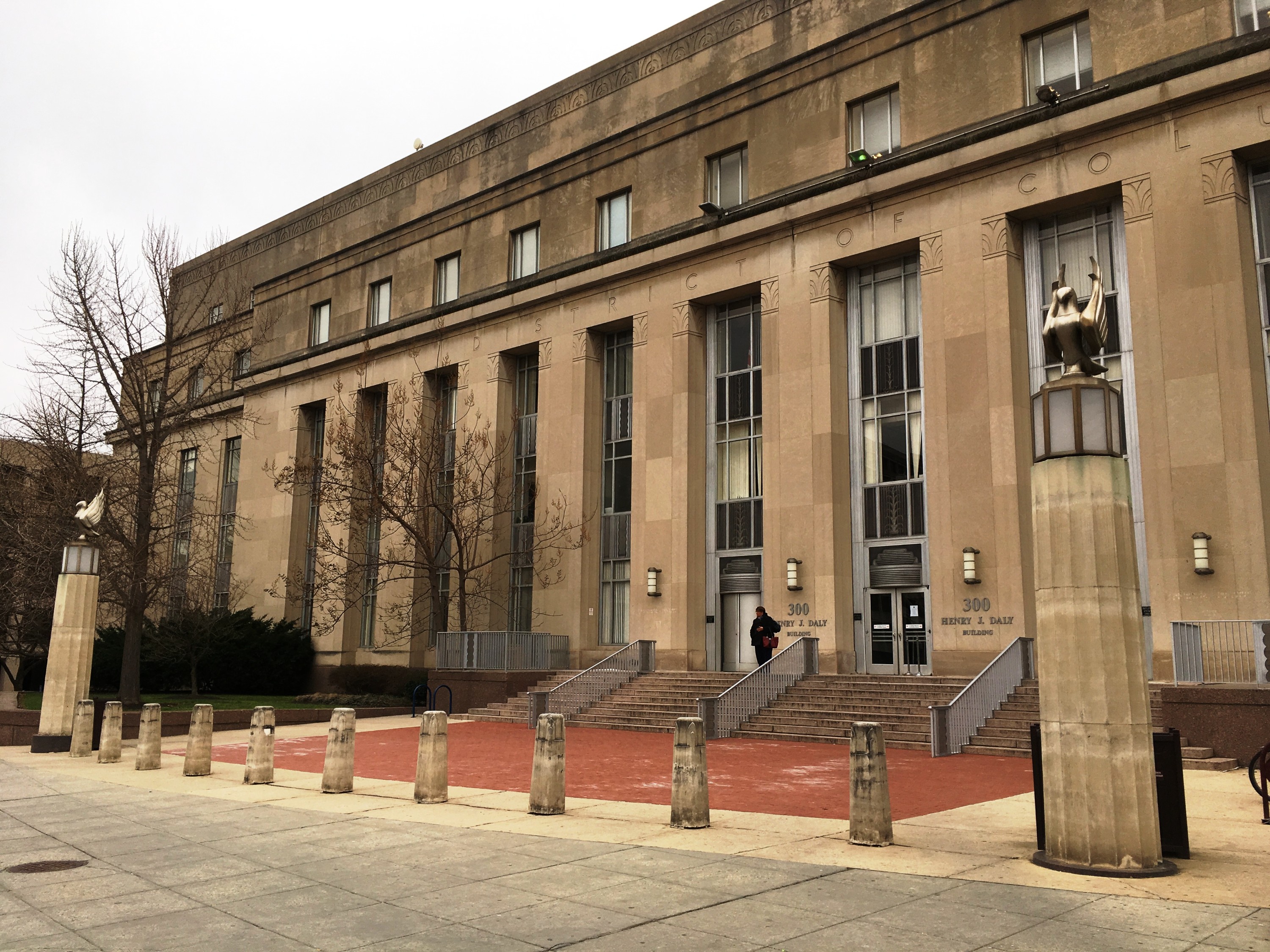
About 100 vehicles bearing memorial posters honoring gun-violence victims are set to conduct motorcades through D.C. later this month. On both Christmas and New Year’s Eve, participants will head to the Metropolitan Police Department headquarters in Judiciary Square and demand answers about illegal guns and unsolved homicide cases.
“We want to know why are we at 200 murders [this year]?” says Sade Wright, an organizer of the motorcades and the founder of the Wright Family Foundation, which advocates against gun violence. “Why is crime so high? Why do we still have so many illegal guns?”
In 2020, homicides in the District reached their highest number in more than a decade. There have been 194 killings so far, up 21% from 160 killings in 2019. City officials have largely blamed the spike on the presence of illegal guns. And though overall violent crime is down 4% year-over-year, according to MPD figures, assaults with a dangerous weapon are up 5%. (In a move that took many by surprise, Police Chief Peter Newsham recently announced he will leave the department in 2021 to head up the Prince William County police force, in Virginia.)
Wright, a Southeast resident, says the drives are intended as socially distanced protests to commemorate those who have died from gun violence over the past few decades. “It could have been 30 years ago [that a loved one was murdered],” she says of the people who will partake in the events. “Now is your time to use your voice.”
The motorcades will start at four separate locations, including the McDonald’s on Georgia Avenue NW, the Southwest Service Center for the D.C. Department of Motor Vehicles, the Safeway near Minnesota Avenue NE, and the Tiger Market on Southern Avenue. The start and end times will be posted on the Wright Family Foundation’s social media pages early next week.
Bellevue resident Donika Hardy says she will join both motorcades to mark the one-year anniversary of the murder of her husband, Clarence Venable, who was killed in 2019 after leaving a violence-interrupter training in Southeast’s Greenway neighborhood, according to ABC News.
Since his passing, Hardy says she’s participated in about 10 protests against gun violence. But she says this event will be special because her and Venable’s four children will join in for the first time.
“When you even mentioned his name, [my kids] would just leave the room,” she says. “I never decorated my car [to commemorate my husband] at home—I would usually get to work, and then decorate it. I would take the stuff off before I got home.”
Hardy says things changed for her children after she installed a memorial tree at the site where Venable was killed. Now, they’re able to talk about him and are “ready to heal,” she says.
The family plans to decorate their car with photos of Venable and what Hardy calls “our favorite slogan in Ward 8, ‘Put The Guns Down, Pick The Kids Up.’” She says during the motorcades, she’ll tell her kids it’s OK to cry.
Outside of MPD’s headquarters, some people will speak on behalf of the families who have lost loved ones while others watch from their cars to comply with COVID guidance, says Wright, the organizer. “We’re going to demand that the chief or someone come out and give us some type of answers,” she says. She hopes the events will help bring closure to families and allow them to share their stories.
This isn’t the first time Wright has coordinated a gun-violence memorial. In July, she organized a drive in honor of 11-year-old Davon McNeal, who was shot and killed during an Independence Day celebration in Southeast. About 30 cars drove from The Big Chair in Anacostia to MPD’s 7th District station in Buena Vista, says Wright. (Since McNeal’s death, four suspects have been arrested and charged with first-degree murder, the Washington Post reported.)
During that protest, Wright says she learned about other victims of gun violence, including Dawaun ‘Woosie’ Simmons, who was killed in May at the age of 17. She says the signage and community advocacy at the event brought her to tears.
Wright points out that residents whose relatives and friends have died from gun violence will sometimes say they feel like their loved one has been forgotten by the general public. In 2016, her husband’s brother, Rashawn Wright, was fatally shot in Washington Highlands.
She says she’s protesting this month because she wants to know why so little detailed information is released on homicides in Wards 7 and 8. Wright listens to a police scanner and shares her findings on social media so more residents can learn about crime in real time. But occasionally she gets pushback for highlighting the cases of female and minor victims.
“I have a lot of negativity where people are like, ‘it’s more than just women and kids that get killed, what about the men who have unsolved murders?’” she says. “I explained to them the reason why people’s children’s names are still recognized is because their parents are not giving up. Every time there’s an event, their parents are making sure the child’s name never dies.”