 Mikaela Lefrak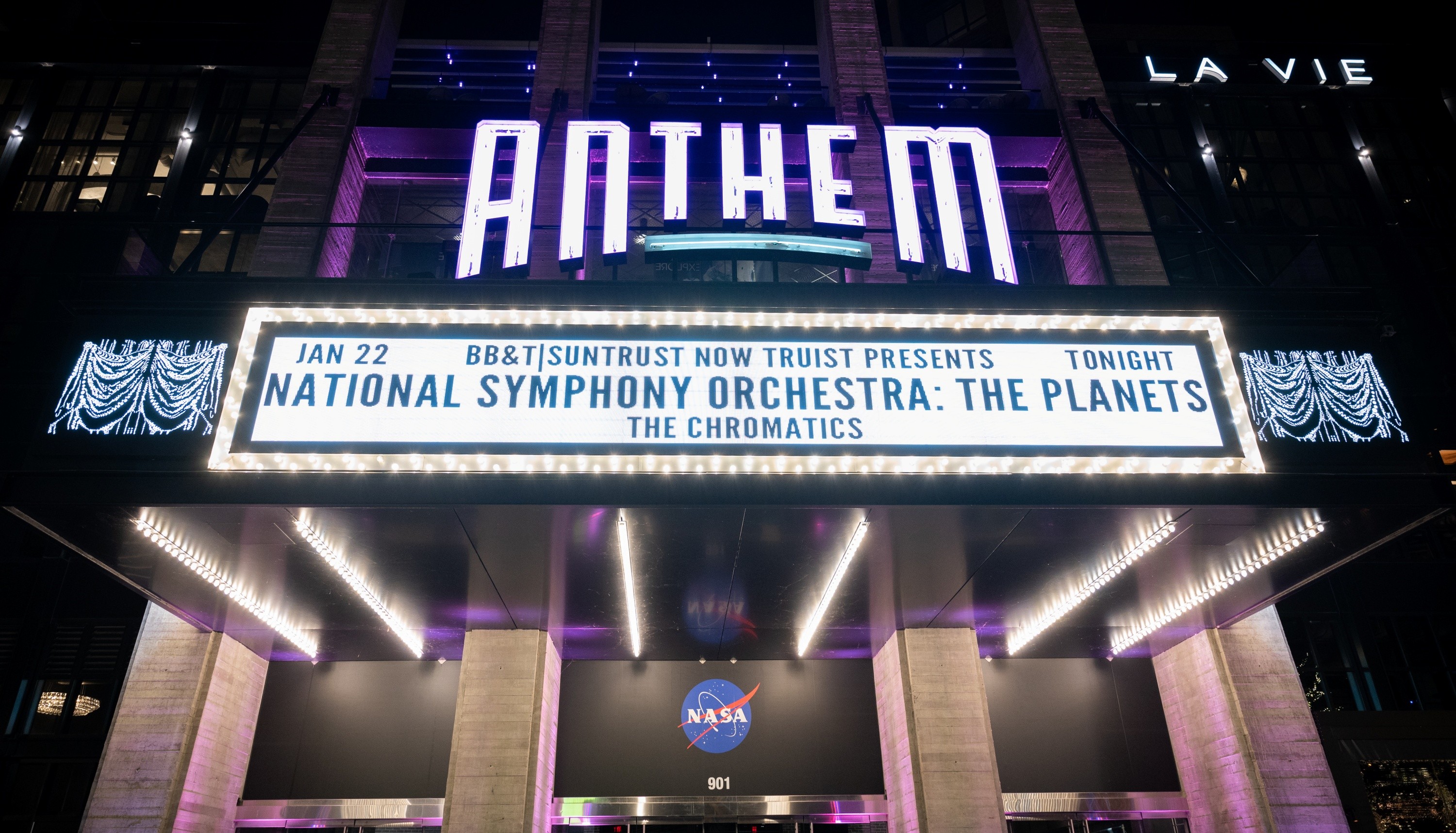
The owners of independent music venues and theaters in D.C. received two pieces of good news Monday, one from the national level and one from the local.
First, Congress finally agreed on a massive coronavirus relief package that will include $15 billion in dedicated relief for independent live music venues, movie theaters and museums. The two chambers are expected to pass the year-end package Monday and send it to the president.
The inclusion of the “Save Our Stages Act” in the federal relief package marks a major win for groups like the National Independent Venue Association (NIVA), which formed at the beginning of the pandemic to lobby on behalf of venues that rely on live events.
“This will be a lifesaver for venues in the Washington region and across the country that have been holding on for dear life,” says Audrey Fix Schaefer, the head of communications for both NIVA and I.M.P., the D.C. entertainment company that operates the 9:30 Club, the Anthem and Merriweather Post Pavilion. “Even though it could take weeks or months for the money to start to flow, this is an enormous hurdle that not too many people thought we would be able to achieve.”
The legislation found a valuable advocate in Senate Minority Leader Chuck Schumer (D-NY). Speaking on the House floor Sunday night, Schumer called independent venues “the lifeblood of our communities. They were the first to close and will be the last to open. This bill gives them a fighting chance.”
https://twitter.com/SenSchumer/status/1340866745003876359
At this early stage, it’s not clear what the process or timeline for receiving the funding will look like for local businesses. Due to the anticipated weeks-long wait time for the cash to come through, some venues that have gone without dedicated relief for the entirety of the pandemic expect to use the money simply to close without debt.
“Some of these places will still have to close, but at least they won’t have to close in a deficit,” says Aaron Myers, the board chair of the Capitol Hill Jazz Foundation. “These venues have gone so long without assistance.”
Still, he calls the news of the stages-specific relief funding “a much-needed injection of capital and hope.”
While the D.C.’s indie stages wait for clarity on the federal relief package, they can start applying for financial support from the District. On Monday morning, D.C. officials announced the city’s Bridge Fund is now open to entertainment venues.
The city has allocated $29.5 million for live music venues, movie theaters, private museums, nightclubs and other entertainment venues. These types of businesses have been “particularly hard hit, because the public health protocols have caused most of this industry to close during the public health emergency,” Deputy Mayor for Planning and Economic Development John Falcicchio said in a Monday press conference. His office will run a town hall Tuesday to answer questions about the application process, which runs through mid-January.
Venue owners have been waiting for the Bridge Fund to open to them since the program launched last month. The fund is being bankrolled by $20 million in federal CARES Act money and $80 million in local money. Restaurants and hotels have already been allowed to apply.
For some venues in D.C., this new injection of capital will arrive too late. Twins Jazz, Eighteenth Street Lounge and U Street Music Hall have all permanently closed in the past few months. Leaders in the city’s music scene say more closures are on the way.
“Watching them fold has been absolutely excruciating,” says Schaefer. “Your reputation as a great venue won’t save you.” (The federal relief bill will come in time for I.M.P.’s venues — Schaefer says the bill’s passage means the 9:30 Club and the Anthem “will be able to weather the storm.”)
Other venues that were able to partially reopen over the past couple months have decided to temporarily shut their doors again, rather than attempt to pull in meager profits during the winter months.
Bill Spieler, the owner of DC9 Nightclub in Shaw, watched his food and beverage sales drop by half between October and November as the District’s coronavirus numbers ticked up. He has not held a concert in DC9’s live music space since before the pandemic, but he’s been operating the bar and offering food delivery.
Because DC9 has that performance space, its insurance costs are higher than a typical bar or restaurant. On Saturday, Spieler shuttered the business until March 2021 as a way to save money until customers feel safe enough to return.
He thinks the combination of federal relief, Bridge Fund money and his temporary closure will get DC9 through to the other side of the pandemic. “This past weekend was wonderful,” he says. “Many people came in to say goodbye for a little while. A lot of celebrating, a little bit of sadness.”
“Big shoutout to Congress for getting their act together,” he adds.