Jacob Fenston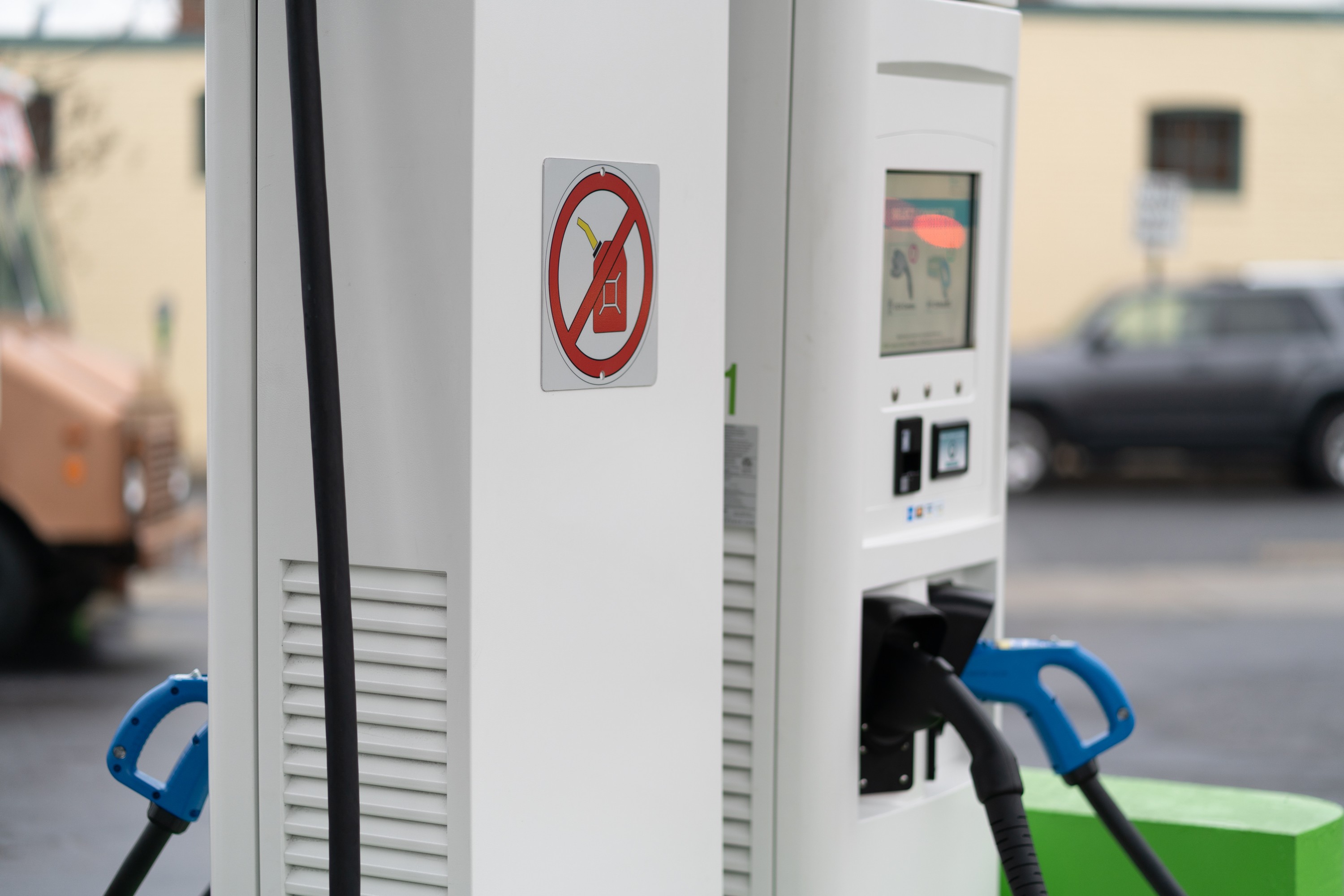
D.C. has signed an agreement with three East Coast states to launch a new program that will cut greenhouse gas emissions from transportation, while at the same time generate funding for cleaner transportation alternatives.
Transportation emissions are expected to fall 26% by 2032 under the Transportation and Climate Initiative, according to modeling by the program’s creators. It will initially generate $300 million a year in revenue among the four jurisdictions, and that revenue could rise to $2 billion annually if other states join. About one-third of the funding will be dedicated to projects in “communities overburdened by pollution and underserved by the transportation system.”
“Through this multi-jurisdictional commitment, we will cut pollution, improve health outcomes, and deliver much-needed investments for our most vulnerable communities,” said D.C. Mayor Muriel Bowser, in a statement. D.C. joined Massachusetts, Rhode Island, and Connecticut in launching the cap-and-invest program.
Starting in 2022, fuel distributors in these areas will have to buy allowances for the pollution created by burning the fossil fuels they are purveying. There will be a limited number of allowances, which essentially creates a pollution cap. Each year, that cap, and the number of allowances up for auction, will decline — dropping by 30% over the course of a decade. As the number of allowances drop, so should pollution.
The program will result in higher prices at the gas pump — an estimated $0.05 a gallon higher in the first year. Critics of the program call it a tax and say it will hurt low-income residents, who spend more of their income on transportation.
“All they’re really doing is taxing petroleum-based fuel, which is going to raise costs on consumers — not only direct fuel costs, but it’s also going to increase the cost of shipping goods by truck,” said David Fialkov, a lobbyist for the National Association of Truck Stop Operators.
But supporters of the program say the added cost at the pump is small enough that it won’t be a big hit to consumers — the increase will be less than the normal fluctuation of gas prices during the year.
Stewart Schwartz, executive director of the nonprofit Coalition for Smarter Growth, says slightly higher gas prices under the cap-and-invest program are not unreasonable. “To the extent that this imposes additional fees, it’s a recognition of the costs of our use of fossil fuels and their impact not just on greenhouse gas emissions — which are an existential threat — but also the day to day air pollution that people suffer under.”
According to the program’s backers, the drop in pollution could lead to hundreds of fewer childhood asthma cases and 300 avoided deaths by 2032.
As for how to spend the revenue, Schwartz has some ideas: he’d like to see investment in transit (a welcome possibility for Metro system facing devastating cuts), possibly buying down transit fares to make riding more accessible, and maybe even investing in affordable housing near Metro stations.
Other projects that could be funded include electrifying buses; launching bus rapid transit lines; expanding bike networks, walking trails, and sidewalks; subsidizing the purchase of electric cars; and developing electric vehicle charging corridors.
In D.C., transportation is the second-biggest source of greenhouse gas emissions, accounting for about one-quarter of emissions in the city (energy use in buildings is the largest source). Regionally, however, transportation accounts for more than 40% of emissions.
Eight other East Coast states, including Maryland and Virginia, participated in talks leading up to the launch of the program, but did not sign the agreement. Those states issued a statement praising the goals of the program and vowing continued collaboration. The states may join in the future.
“We’re disappointed Maryland isn’t a signatory yet,” said Brian O’Malley, president of the nonprofit Central Maryland Transportation Alliance. “But we’re pleased that Maryland has been a leader on this, and Governor Hogan has been vocal that he’s at the table looking for solutions on this.”