 Mikaela Lefrak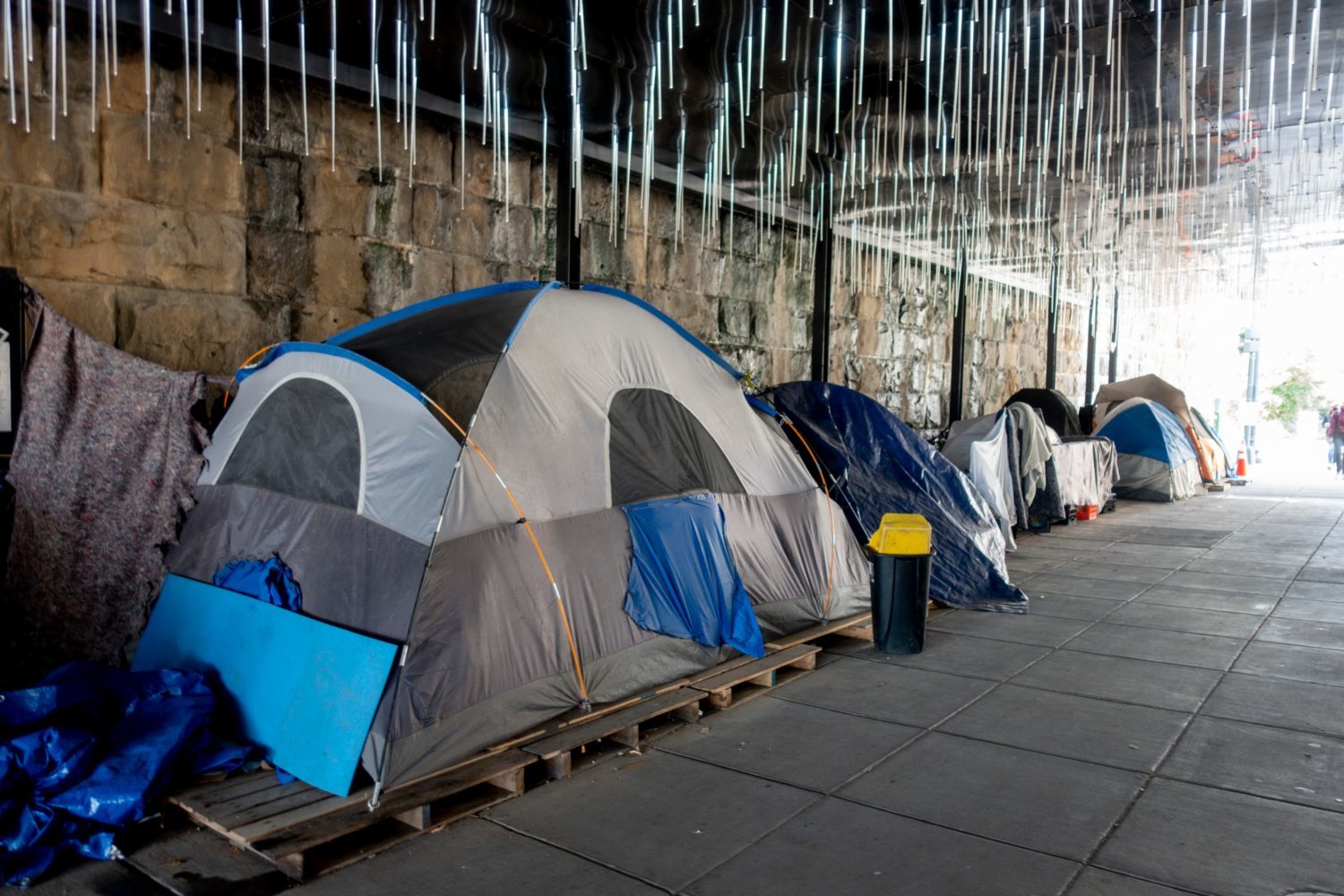
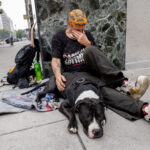
Joe Mettimano hits the streets of downtown D.C. every Wednesday to help people experiencing homelessness find access to food and other services. He’s had the same weekly routine for the past 10 years.
That routine was abruptly interrupted last week, after a mob of pro-Trump rioters stormed the Capitol Building and the city effectively went on lockdown. Mettimano and other volunteer service providers couldn’t access the downtown areas where they typically meet clients.
“I’m not complaining about the safety precautions or the streets being blocked off. It makes perfect sense,” says Mettimano, the president of D.C.’s Central Union Mission. “But it also means that the homeless oftentimes aren’t getting the resources they need.”
Groups in Washington that provide meals, supplies and shelter to people experiencing homelessness are further curtailing their services next week due to the enhanced security measures being put in place ahead of Inauguration Day.
Mayor Muriel Bowser has urged people to stay away from the Downtown Central Business District area, a part of town where many people experiencing homeless often congregate or sleep. Many downtown streets are already closed off, and fences are going up to create wide perimeters around the Capitol, White House and Constitution Avenue. The National Mall is closed through January 21.
Outreach workers are working double time to connect with unhoused people ahead of Inauguration Day. Their goal is to get the majority of people into shelters, or away from downtown to avoid confrontations with federal law enforcement.
“We’re hoping [the Secret Service agents] do not have to forcibly remove anybody, but that’s not really in the control of the city,” says Laura Zeilinger, the director of the D.C. Department of Human Services (DHS), the city agency in charge of providing services for people experiencing homelessness.
Still, some social services professionals worry they won’t be able to connect with all of their unhoused clients in time. There’s been a rapid increase in security in the city following last week’s insurrection at the Capitol, and the and “red zone” security perimeter has been expanded.
“There’s a concern that people will be displaced,” says Scott Schenkelberg, the CEO of Miriam’s Kitchen, a social services organization. He points to one particular encampment a few blocks from the National Mall near 21st and E Streets NW that falls inside the security perimeter: “It falls outside our service area, and it’s supposed to be fine, but we’re still concerned,” he says.
Schenkelberg’s outreach team has been walking along Constitution Avenue to let people know about the security corridor, in the hopes that they decide to go to a shelter or voluntarily relocate.
Other downtown organizations that provide meals and other services won’t open at all next week, either because they are within the security perimeter or to allow staff and volunteers to stay home or avoid traffic congestion.
The Downtown DC Business Improvement District’s aid center on New York Avenue NW typically provides up to 200 people a day with meals, restroom access, emergency clothing and other services. The BID’s president, Neil Albert, recently made the call to close the center next week, from Monday through Wednesday due to security concerns in the area. Instead, they’ll provide people with enough food supplies on Sunday to last for up to three days.
“We’re being forced to adapt,” Albert says. It will be the first time in the center’s history that it won’t provide food services during an inauguration.
Bread for the City will also close its Northwest and Southeast locations Monday through Wednesday. Its free food delivery, COVID-19 testing and flu shot programs will be on hold until January 21.
“We have community members who rely on us even more because of the pandemic. They’re taking the fall even more now,” says Kenrick Thomas, Bread for the City’s Communications Manager.
While many D.C. residents — including the unhoused — are used to protests, demonstrations and inauguration security, outreach workers report their clients are feeling elevated levels of anxiety in the wake of last week’s attacks.
Ceymone Dyce, the director of homeless services for the nonprofit Pathways to Housing DC, says the events at the Capitol and the city-imposed curfew last Wednesday impacted her team’s ability to reach many of their regular clients during their rounds. Some of their clients’ mental health issues have been aggravated by encounters with the mob, increased noise from helicopters and unexpected displacement.
“All of this is very real for us,” Dyce says. Pathways plans to provide additional non-perishable food and supplies to its clients this weekend weekend in case their services are interrupted next week.
Though meal services will be harder to come by next week, city-run shelters will remain open. Laura Zeilinger with D.C.’s DHS says there is enough shelter space in the city to accommodate anyone who needs a bed, in part due to the city’s decision to expand shelter space due to the COVID-19 pandemic and the freezing nighttime temperatures.
“We are experiencing one emergency on top of another,” Zeilinger says.